Table of Contents >> Show >> Hide
- What You’ll Learn
- A Quick Reality Check: What Diet Can (and Can’t) Do
- What the Evidence Says (Without the Hype)
- The “Best-Bet” Pattern: Mediterranean-Style (and Why It’s So Popular)
- Nutrients People With MS Ask About (and the Honest Answers)
- Popular MS Diets: Swank, Wahls, Keto, Fasting, Gluten-Free
- Symptom-Focused Nutrition Strategies (Practical, Not Perfect)
- A Repeatable Meal Template (Because Decision Fatigue Is Real)
- Real-World Experiences People Report (500+ Words)
- 1) “When I cleaned up my diet, my energy felt steadiereven if my MS didn’t magically vanish.”
- 2) “My gut has opinions. Once I listened, my week got easier.”
- 3) “Elimination diets helped… until they didn’t.”
- 4) “Vitamin D is important, but I stopped guessing and started testing.”
- 5) “Food became a way to regain controlwithout pretending it controls everything.”
- Conclusion: The Most Useful MS Nutrition Strategy Is the One You Can Keep Doing
Quick note before we talk food: This article is for general education, not medical advice. Multiple sclerosis is complicated (and sometimes rude), so talk with your neurologist and a registered dietitian before making big diet changes or starting supplementsespecially vitamin D, which can be harmful in high doses. [1][5]
If you’ve ever Googled “best diet for MS,” you’ve probably met the internet’s
three favorite characters: Miracle Diet, Detox Juice, and My Cousin’s Friend’s Neighbor.
They mean well. They also mean chaos.
Here’s the truth that’s both comforting and mildly annoying: there’s no single “MS diet” proven to cure MS or replace disease-modifying therapy.
But nutrition still mattersbecause it can support energy, bowel/bladder habits, bone health, weight management, heart health, and overall quality of life.
And those things absolutely count. [1][2][3]
A Quick Reality Check: What Diet Can (and Can’t) Do
Think of food as supportive carelike physical therapy, sleep, and stress management.
It may help reduce symptom burden and improve day-to-day function, but it’s not a standalone treatment for MS. [1][2][9]
Diet can help with…
- Cardiometabolic health (blood pressure, cholesterol, blood sugar), which matters because comorbidities can complicate MS care. [2][11]
- Weight management (avoiding unintentional weight gain or loss), which can affect fatigue, mobility, and overall function. [3][11]
- Constipation and bowel regularity through fiber, hydration, and consistent meals. [4][11]
- Energy stability by reducing big blood-sugar spikes and dips (aka “I’m fine” → “I need a nap in a mailbox”). [2]
- Bone health with adequate calcium, vitamin D, and proteinespecially relevant if steroids have been used or mobility is limited. [5][11]
Diet probably can’t do…
- “Detox” your nervous system (your liver and kidneys already have that joband they don’t accept influencer coupons).
- Guarantee fewer relapses or “reverse lesions” as a predictable outcome for everyone; evidence is still emerging and mixed. [1][12]
- Replace medication for relapsing forms of MS (and most reputable orgs are very clear about that). [1][2]
What the Evidence Says (Without the Hype)
Nutrition research in MS is tricky. People eat patternsnot isolated nutrientsand symptoms fluctuate. That makes clean, long-term randomized trials hard to run.
Still, we have useful clues:
- Diet quality is associated with symptom burden and disability in large surveys (association doesn’t prove cause, but it’s a strong nudge toward healthy patterns). [6]
- Mediterranean-style patterns show broad benefits for brain and heart health, and MS-focused sources often point to it as a sensible, sustainable approach. [2][3][8]
- Specific restrictive diets (keto, fasting protocols, paleo-style programs) may show improvements in fatigue or quality of life in small or preliminary studiesbut results are not definitive, and long-term safety/sustainability varies. [1][10][12]
- Vitamin D status is consistently linked with MS risk and activity in observational research, but the “perfect dose for everyone” doesn’t exist, and high-dose supplementation should be supervised. [3][5][7]
Bottom line: the strongest, most practical evidence supports a whole-food, minimally processed, plant-forward pattern
that’s good for cardiovascular health and inflammationnot a punishment plan with a 47-step smoothie ritual. [1][2][8]
The “Best-Bet” Pattern: Mediterranean-Style (and Why It’s So Popular)
If MS nutrition had a “safe default setting,” it would look a lot like the Mediterranean-style eating pattern:
vegetables and fruits daily, beans and whole grains (as tolerated), fish and olive oil often, nuts and seeds regularly,
and processed foods only occasionally. [2][3][8]
What to eat more of
- Colorful produce: leafy greens, berries, peppers, tomatoes, broccoliaim for “eat the rainbow,” not “beige buffet.” [1][2]
- Fiber-rich carbs: oats, quinoa, brown rice, beans, lentils, whole-grain bread (if tolerated). Fiber supports gut health and bowel regularity. [2][11]
- Healthy fats: extra-virgin olive oil, avocado, walnuts, almonds, chia/flax. [8]
- Omega-3-rich seafood: salmon, sardines, troutgreat for heart health and may support anti-inflammatory pathways. [8][11]
- Lean proteins: fish, poultry, tofu/tempeh, beans, Greek yogurt (if you tolerate dairy). [2][8]
- Fluids: water, herbal teas, brothy soupsespecially helpful if constipation is an issue. [11]
What to limit (not necessarily ban)
- Ultra-processed foods (packaged snacks, sugary drinks, fast-food-heavy patterns) because they often bring excess sodium, saturated fat, and added sugar. [2][11]
- Saturated/trans fats (processed meats, deep-fried foods, certain baked goods). Many MS resources recommend keeping saturated fat in check for overall health. [2][9]
- Added sugars that can worsen energy swings and crowd out nutrient-dense foods. [2]
- Alcohol if it worsens sleep, balance, bladder symptoms, or interacts with medications. (Your body gets to vote.) [1]
Nutrients People With MS Ask About (and the Honest Answers)
Vitamin D: important, but not a free-for-all
Vitamin D comes up constantly in MS conversationsand for good reason. Observational research links
lower vitamin D levels with higher MS risk and potentially more disease activity, but supplementation studies vary,
and high doses can cause toxicity (including high calcium levels and kidney problems). [3][5][7]
Practical approach:
ask your clinician to check your vitamin D level, discuss a safe supplementation plan if you’re low,
and avoid mega-dosing on your own “because TikTok said so.” [5]
Omega-3s: food-first is the easiest win
Omega-3 fats (EPA/DHA) from fatty fish are consistently linked with cardiovascular benefits, and many MS nutrition guides
include them as part of a balanced pattern. Evidence for direct disease-modifying effects in MS isn’t settled,
but the overall health upside is strong. [8][11][12]
Try: salmon bowls, sardines on toast, tuna in a bean salad (watch mercury guidance if you eat certain fish frequently).
If you’re considering a supplement, check for medication interactions and talk with your clinicianespecially if you take blood thinners.
Fiber + hydration: underrated MVPs for bowel regularity
Constipation is common in MS, and it’s one of those symptoms that can quietly ruin your day.
Fiber (from plants) plus adequate fluids and consistent meals can help.
Increase fiber slowly to avoid bloating, and pair it with more waterfiber without fluids is like trying to wash dishes without turning on the faucet. [4][11]
Calcium, protein, and overall bone support
Bone health matters, especially for people with limited mobility or a history of steroid treatment.
Prioritize protein at meals, include calcium-rich foods (dairy or fortified alternatives), and coordinate vitamin D with your care team. [5][11]
B12, iron, magnesium: “maybe,” not “mandatory”
These come up often because fatigue is common in MSand fatigue can also be worsened by nutrient deficiencies.
But supplements aren’t one-size-fits-all. If you’re persistently exhausted, ask about labs and a nutrition review before you start a supplement stack that rattles when you walk. [12]
Popular MS Diets: Swank, Wahls, Keto, Fasting, Gluten-Free
People try specific MS diets for a simple reason: they want control in a situation that can feel unpredictable.
That’s understandable. The key is separating “helps me feel better” from “proven to alter MS long-term.”
Most reputable sources emphasize that research is still developing. [1][9][12]
The Swank-style low saturated fat approach
The Swank diet is known for aggressively limiting saturated fat. Some people like its structure and focus on lean foods.
The evidence base is older and not definitive by modern trial standards, but its “limit saturated fat, emphasize whole foods” theme overlaps with heart-healthy guidance. [1][12]
The Wahls Protocol (paleo-style, very structured)
The Wahls Protocol is a paleo-inspired plan emphasizing lots of vegetables and eliminating several food groups.
Some small studies suggest symptom improvements (like fatigue), but it’s restrictive and may be hard to sustain or balance without careful planning. [12]
Ketogenic diets: promising signals, real tradeoffs
Keto is being studied in MS, and preliminary findings (and clinical interest) include potential improvements in fatigue, mood, or quality of life for some participants.
But keto can be difficult to maintain, may be inappropriate with certain health conditions, and can affect lipids and GI function.
If you’re curious, do it with medical and nutrition oversightespecially because “keto” on the internet often means “bacon forever,” which is not a clinical protocol. [10][12]
Intermittent fasting / fasting-mimicking patterns
Some fasting approaches are being researched for immune and metabolic effects, but human MS evidence is still limited.
Fasting can also backfire if it worsens fatigue, triggers headaches, contributes to disordered eating patterns, or makes you under-fuel on high-symptom days. [1][12]
Gluten-free or dairy-free: only if there’s a reason
Unless you have celiac disease, gluten sensitivity, or dairy intolerance, routine elimination isn’t automatically beneficial.
That said, some people feel better when they reduce certain foodsoften because they end up eating fewer ultra-processed items overall.
If you eliminate a major food group, plan replacements (fiber, calcium, vitamin D, protein) so you don’t trade “less bloating” for “more deficiencies.” [9][12]
Symptom-Focused Nutrition Strategies (Practical, Not Perfect)
For fatigue: steady fuel beats sugar roulette
- Build balanced meals: protein + fiber-rich carb + healthy fat (e.g., salmon + quinoa + roasted vegetables).
- Plan easy snacks: Greek yogurt with berries, hummus with carrots, apples with peanut butter.
- Watch liquid sugar: soda, sweet coffees, energy drinks can spike and crash your energy. [2]
For constipation: routine wins
- Fiber gradually: beans, oats, chia, berries, greens.
- Hydration daily: aim for consistent intake, not “two gallons at 9 p.m.” [11]
- Warm beverages: coffee or tea can help some peoplebut caffeine can irritate the bladder for others. [4]
For bladder symptoms: personalized triggers matter
Some people notice bladder urgency worsens with caffeine, alcohol, carbonation, or spicy foods. There’s no universal rule hereuse a short “food-and-symptom” experiment
(one change at a time for a week) rather than banning everything fun on day one. [4]
For bone and muscle support: protein is not the enemy
Adequate protein supports muscle maintenance, which is especially important if mobility is limited.
Pair that with calcium-rich foods and clinician-guided vitamin D. [5][11]
For heat sensitivity: cool foods can help you eat enough
If heat makes symptoms worse, hot meals may feel unappealing. Try “cool menu” options:
smoothies with spinach and berries, yogurt bowls, chickpea salads, cold soba noodles with veggies, or gazpacho.
The goal is adequate nutrition, not culinary martyrdom.
A Repeatable Meal Template (Because Decision Fatigue Is Real)
You don’t need a perfect meal plan. You need a reliable default.
Use this “plate formula” and rotate flavors so you don’t get bored:
The MS-friendly plate formula
- Half the plate: non-starchy vegetables (salad, roasted broccoli, peppers/onions, greens).
- Quarter of the plate: protein (fish, chicken, beans, tofu, eggs if tolerated).
- Quarter of the plate: high-fiber carb (quinoa, oats, brown rice, sweet potato, whole-grain bread).
- Add: a healthy fat (olive oil, avocado, nuts/seeds).
Specific examples (fast, not fancy)
- Breakfast: oatmeal + berries + walnuts + Greek yogurt (or fortified soy yogurt).
- Lunch: tuna or chickpea salad + mixed greens + olive oil + whole-grain crackers.
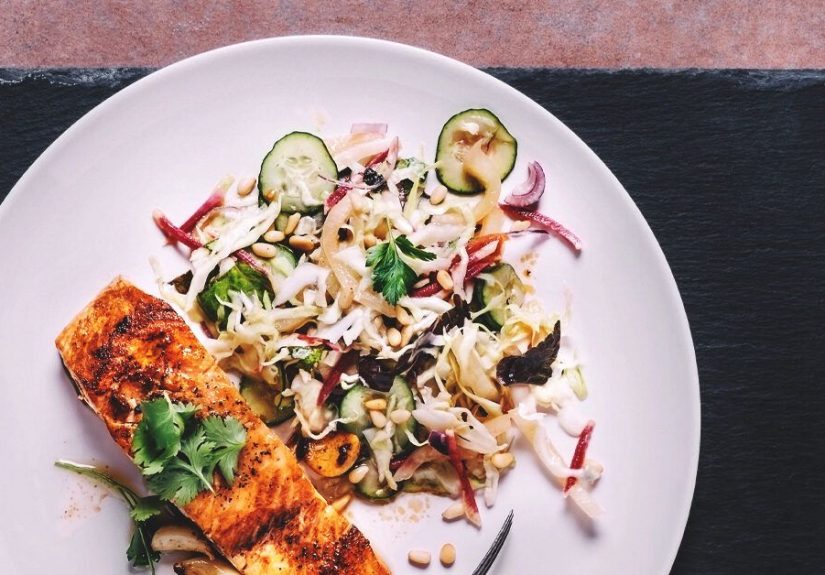
- Dinner: sheet-pan salmon + Brussels sprouts + sweet potato + lemon-olive oil drizzle.
- Snack: hummus + baby carrots, or apple + peanut butter.
If you want to get extra strategic, batch-cook two things each week: a protein (chicken/beans/tofu) and a fiber-rich base (brown rice/quinoa/roasted sweet potatoes).
Then you can assemble meals like a calm adult instead of a hungry raccoon at 10 p.m.
Real-World Experiences People Report (500+ Words)
The experiences below reflect common themes reported by people living with MS in clinics, educational programs, and patient communitiesnot guarantees.
MS is wildly individual. Still, these patterns can help you choose experiments that are more “likely helpful” and less “internet dare.”
1) “When I cleaned up my diet, my energy felt steadiereven if my MS didn’t magically vanish.”
Many people describe fatigue as the symptom that hijacks their schedule. A frequent observation is that
switching from a processed, high-sugar pattern to regular meals with protein, fiber, and healthy fats leads to fewer dramatic crashes.
It doesn’t mean fatigue disappears; it means the day becomes more predictable.
People often say the biggest change is not a superfoodit’s simply eating enough earlier in the day and avoiding the “coffee + pastry” loop that feels good for 20 minutes and then turns into a nap request.
2) “My gut has opinions. Once I listened, my week got easier.”
Constipation and bloating can quietly worsen discomfort, sleep, and even mood. A common experience is that
adding fiber slowly (beans, oats, berries, chia) and pairing it with better hydration improves bowel regularity.
People also report that consistency helps: similar breakfast times, planned snacks, and not skipping meals all week and then trying to compensate on the weekend.
Some notice that large, heavy dinners worsen reflux or sleepso they shift the “big meal” earlier and keep dinner lighter.
3) “Elimination diets helped… until they didn’t.”
It’s not unusual for someone to try gluten-free, dairy-free, or a strict protocol and initially feel better.
Sometimes that’s because they’re eating fewer ultra-processed foods. Sometimes it’s because they’re paying closer attention to routine, hydration, and meal timing.
The common turning point: restrictions become exhausting, social eating becomes stressful, and nutrient gaps creep in (especially calcium, vitamin D, fiber, or adequate calories).
Many people eventually move toward a middle ground: keep the whole-food emphasis, reintroduce tolerated foods, and focus on sustainability.
4) “Vitamin D is important, but I stopped guessing and started testing.”
Plenty of people share a similar arc: they hear vitamin D matters, start supplementing, then learn that dosing should be based on blood levels and medical guidance.
Once they test and personalize their plan, they feel more confident and less like they’re playing supplement roulette.
Some also report that combining vitamin D discussions with bone-health habitsadequate protein, calcium-rich foods, and safe movementfeels more empowering than chasing a single number.
5) “Food became a way to regain controlwithout pretending it controls everything.”
This might be the most important “experience” theme of all.
People often describe nutrition as a place where they can take action daily, even when MS feels unpredictable.
The healthiest mindset shift is usually this: food supports my body, it doesn’t replace my treatment plan.
With that framing, nutrition becomes less about fear (“What did I eat wrong?”) and more about tools (“What helps me function better this week?”).
Many people find it useful to track just one or two outcomesenergy in the afternoon, bowel regularity, sleep qualityrather than trying to connect every symptom to every ingredient.
Over time, small changes add up: more vegetables, fewer sugary drinks, consistent breakfast, better hydration, and a default dinner plan.
It’s not dramatic. It’s just effective.
Conclusion: The Most Useful MS Nutrition Strategy Is the One You Can Keep Doing
If you take one thing from this article, let it be this:
the best diet for MS is usually the best diet for your whole bodya Mediterranean-style, minimally processed pattern that supports heart health, stable energy, and digestion. [1][2][3][8]
From there, personalize based on symptoms, preferences, and labs (especially vitamin D), and avoid extreme plans unless you have skilled guidance. [5]
And remember: you don’t have to eat perfectly to eat meaningfully better.
Start with one upgrade you can repeatthen stack the next one when it feels easy.