Table of Contents >> Show >> Hide
- What Is a Cloth Extension Cord?
- Why People Like Cloth Extension Cords
- What Actually Matters More Than the Pretty Fabric
- How to Choose the Right Cloth Extension Cord
- Best Places to Use a Cloth Extension Cord
- Common Mistakes to Avoid
- Care and Maintenance Tips
- Cloth Extension Cord vs. Other Cord Types
- Buying Tips Before You Click “Add to Cart”
- Experiences Related to Cloth Extension Cord
- Final Thoughts
A cloth extension cord is one of those rare home accessories that manages to be both practical and a little bit charming. Most extension cords look like they were designed by someone whose main hobby is yelling “safety orange.” A cloth-covered version, by contrast, can actually blend into your décor instead of picking a fight with it. That is why these cords have become popular in living rooms, home offices, reading nooks, studios, and vintage-inspired interiors where people want extra reach without the industrial look.
But let’s get one thing straight right away: a good cloth extension cord is not just a regular cord wearing a fashion scarf. The best ones are modern electrical cords built with proper insulation, safe plugs, and correct ratings, then finished with a fabric outer layer for appearance and flexibility. In other words, style matters, but safety gets the final vote.
This guide breaks down what a cloth extension cord is, where it works best, how to choose one, what mistakes to avoid, and how to use it without turning your cozy lamp corner into an electrical regret. If you have ever searched for a cloth extension cord, fabric extension cord, braided extension cord, or vintage extension cord and found yourself one click away from either beautiful design or questionable chaos, you are in the right place.
What Is a Cloth Extension Cord?
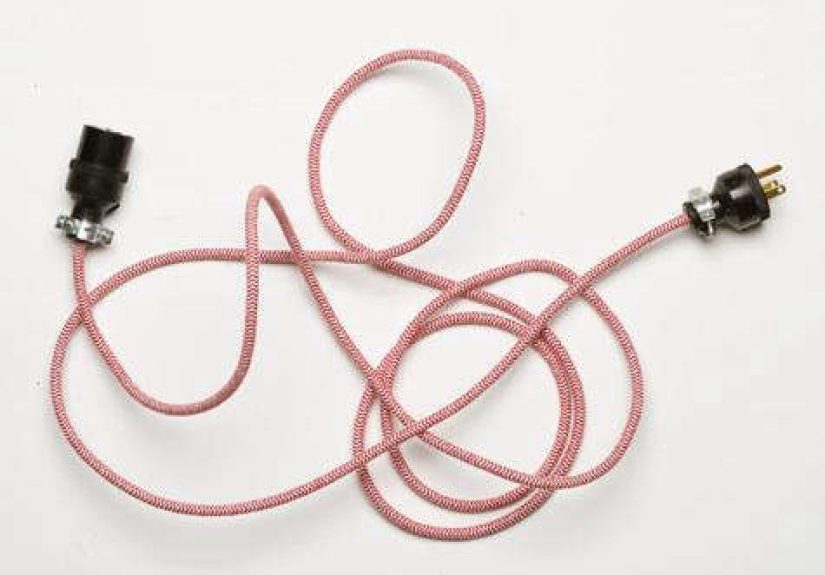
A cloth extension cord is an extension cord with a fabric-wrapped or fabric-braided outer finish. Underneath that textile look, it still relies on modern insulated conductors and proper plug construction. The cloth layer is mostly about aesthetics, touch, and visual integration with furniture, lighting, and interior style.
These cords are often sold in finishes such as cotton, linen, rayon, raw-yarn textures, zigzag patterns, or braided fabric designs. Some are clearly made for décor-focused indoor use, while others lean into a vintage look for antique lamps, plug-in sconces, and retro furniture setups. You will also see a lot of overlap in terminology. Some sellers say cloth extension cord, others use cloth-covered extension cord, fabric extension cord, or decorative extension cord.
That overlap matters because shoppers often confuse three different products:
- Extension cords that add length between an outlet and a device
- Lamp cords used for light fixtures or replacement wiring
- Decorative power cords that may look similar but are intended for a specific fixture or power strip
So when shopping, do not assume that every pretty cloth-covered cord is a true extension cord. Some are replacement cords for lamps. Some are DIY wire by the foot. Some are grounded three-prong extension cords. And some are best admired from a safe emotional distance.
Why People Like Cloth Extension Cords
They look better in real rooms
This is the obvious reason, but it is also the biggest one. A standard vinyl cord screams utility. A cloth-covered cord whispers, “I understand color palettes.” In a bedroom, a library-style office, a café corner, or a vintage-inspired space, that visual difference matters.
They can make visible wiring feel intentional
Sometimes the outlet is simply in the wrong place. Maybe the lamp belongs beside the sofa, but the outlet lives behind a bookshelf like a moody little goblin. A cloth extension cord can make that visible run across the baseboard or behind furniture look less accidental and more designed.
They fit vintage and modern interiors equally well
Cloth-covered cords are popular in antique restorations, but they are not stuck in the past. They also work beautifully in modern interiors, especially when the cord color matches wood tones, neutral walls, or textile-heavy rooms. A brown linen cord can disappear into warm décor. A black braided cord can look sleek and architectural. A patterned cord can become a small design accent instead of a visual nuisance.
What Actually Matters More Than the Pretty Fabric
A cloth extension cord should never be bought for looks alone. When it comes to electrical products, cute is not a rating. Here is what matters more.
Certification and labeling
Look for a cord that is properly listed by a recognized testing lab and clearly labeled. If a cord has vague packaging, no visible certification, no rating, or no brand information, keep scrolling. Electrical products should not feel mysterious. Mystery is great in detective novels and terrible in power delivery.
Indoor vs. outdoor use
Most cloth extension cords are designed for indoor use. That is especially true for decorative fabric-covered cords used in homes. If you need power outdoors, use a cord that is specifically marked for outdoor use. Decorative indoor cloth cords are not the right choice for damp areas, yard tools, patio heaters, or weather exposure.
Grounded vs. ungrounded
Some cloth extension cords are two-prong polarized cords. Others are grounded three-prong cords. The correct choice depends on the device. If your appliance has a three-prong plug, use a three-wire grounded extension cord. Never remove the ground pin just because the outlet and the cord are having a relationship disagreement.
Gauge and power rating
Wire gauge affects how much current the cord can handle. In everyday shopping, you will often see lighter-duty decorative cords in 16-gauge or 18-gauge configurations for lamps, small electronics, and modest indoor loads. Heavier applications usually call for thicker wire, often with grounded three-wire construction. As a general rule, the longer the cord and the higher the power draw, the more attention you should pay to the rating.
Many common light-duty indoor cords are built around 16/2 or similar specifications and are used for lighting, chargers, and small appliances. Heavier grounded cords, such as 12/3 outdoor-style cords, are better suited for tougher loads. A cloth extension cord is usually a décor-friendly solution, not a substitute for a hard-use job-site cable.
Cord construction
You may run into terms like SPT-2, polarized plugs, molded plugs, or grounded connectors. SPT-2 is commonly associated with light-duty household applications and small appliances. That does not automatically mean “safe for everything,” but it does tell you the product is part of a recognizable cord family rather than a random internet improvisation.
How to Choose the Right Cloth Extension Cord
For lamps and accent lighting
This is the sweet spot. A cloth extension cord is excellent for table lamps, floor lamps, plug-in sconces, holiday lighting used indoors, and decorative fixtures where the cord may remain visible. Look for an indoor-rated cord with the proper plug type and enough length to avoid tension.
For desks and charging areas
A fabric extension cord can work nicely under a desk, behind a side table, or along the edge of a console where a plastic cord would be visually annoying. In these cases, color matters. A white cord can blend into trim. A brown or linen finish can disappear against wood furniture. A black cord often works best in media setups.
For vintage or restored décor
If you are styling an antique radio, retro lamp, record cabinet, or old writing desk, a vintage-style cloth extension cord can look far more appropriate than a shiny modern cord. Just make sure “vintage-looking” does not mean “actually old.” Older cords may be damaged, brittle, improperly grounded, or simply not up to modern safety standards.
For major appliances or heaters
This is where restraint becomes a personality trait. Do not use a decorative cloth extension cord for high-wattage appliances unless the cord is explicitly rated for that use. Space heaters, air conditioners, large kitchen appliances, and similar high-draw equipment are the wrong place to prioritize aesthetics. Choose a properly rated heavy-duty solution, or better yet, use a wall outlet directly.
Best Places to Use a Cloth Extension Cord
- Living room lamps where the cord is visible
- Bedroom lighting near nightstands and reading chairs
- Home office desk lamps and low-draw accessories
- Bookshelves, console tables, and display areas
- Vintage-inspired interiors or restored furniture setups
- Temporary holiday décor inside the home
The common thread is simple: indoor, temporary, visible, and relatively light-duty. That is where a cloth extension cord shines.
Common Mistakes to Avoid
Using it as permanent wiring
An extension cord is still an extension cord, even when it is wearing linen. It is meant for temporary power, not permanent home wiring. If you need power in the same location all the time, the better long-term solution may be an additional outlet installed by a qualified electrician.
Running it under rugs or furniture
Do not run a cloth extension cord under rugs, under furniture legs, or in places where heat cannot escape and the cord can be pinched. That is not a secret designer trick. It is a bad plan with a nice texture.
Running it through walls, floors, or ceilings
A cord should not disappear into the building structure just because you do not want to see it. Extension cords are not a substitute for fixed wiring. If the look bothers you, solve the room layout, not the laws of electrical safety.
Daisy-chaining cords
Plugging one extension cord into another increases resistance, heat, and the chance of trouble. If you need more reach, buy the correct length in a properly rated single cord.
Ignoring the load
A lamp, phone charger, and small speaker are one thing. A heater, microwave, or heavy motorized appliance is another. Match the cord to the device, not just to the room. A beautiful cord that overheats is not “aesthetic.” It is foreshadowing.
Care and Maintenance Tips
A cloth extension cord deserves the same inspection routine as any other extension cord.
- Check for fraying, cracked plugs, looseness, or heat damage
- Keep it dry unless it is specifically rated otherwise
- Unplug by gripping the plug, not yanking the cord
- Store it loosely coiled, not kinked into a dramatic knot sculpture
- Replace it if it feels hot, looks damaged, or has suspect labeling
Because the outer layer is fabric, people sometimes assume the cord is softer and therefore less likely to be damaged. The opposite habit can happen: they treat it like décor instead of electrical equipment. It is both. Respect the electricity first.
Cloth Extension Cord vs. Other Cord Types
| Type | Best Use | Main Advantage | Main Limitation |
|---|---|---|---|
| Cloth extension cord | Indoor visible-use areas | Better appearance | Usually light-duty and indoor-focused |
| Standard indoor vinyl cord | General household tasks | Affordable and widely available | Less attractive when exposed |
| Heavy-duty grounded cord | Tools and higher-draw equipment | Stronger construction and higher capacity | Bulkier and less decorative |
| Outdoor extension cord | Yard, patio, exterior temporary power | Weather-resistant design | Not usually chosen for indoor décor |
| Lamp cord | Fixtures and lighting repair | Great for rewiring lamps | Not always a true extension cord |
Buying Tips Before You Click “Add to Cart”
First, verify whether the product is a real extension cord or simply decorative wire. Second, check whether it is polarized or grounded, depending on your device. Third, confirm whether it is indoor-only. Fourth, read the actual rating and length. Fifth, choose a color that fits the room so the cord works with your space instead of looking like it lost a bet.
If your goal is to hide the cord visually, pick a finish close to your trim, wall, or furniture tone. If your goal is to feature it, choose a bold braided or patterned style and let it act like an intentional design line. Either way, buy from a recognizable seller with clear specifications. The internet contains many wonderful things, but it also contains electrical products that appear to have been tested only by optimism.
Experiences Related to Cloth Extension Cord
One of the most common experiences people have with a cloth extension cord starts with annoyance, not excitement. The room is finished. The sofa is in the right spot. The lamp is perfect. Then reality arrives wearing work boots and says, “The outlet is six feet away.” A plastic orange extension cord technically solves the problem, but it also makes the room feel like a mini construction zone. That is usually the moment a cloth extension cord makes sense. It does not magically create a new outlet, but it changes the emotional temperature of the setup. Instead of looking temporary and sloppy, the room can still feel settled.
Another common experience happens in older homes or apartments where outlets are never quite where modern furniture wants them to be. People place a reading chair in the natural corner near a window, add a floor lamp, and then realize the nearest receptacle is hidden behind a heavy dresser. A fabric-covered extension cord routed neatly along the baseboard often feels like the least ugly compromise. That word matters: compromise. A cloth extension cord is not usually a grand design event. It is a practical fix that feels more intentional and less embarrassing.
There is also the vintage décor crowd, and honestly, they have a point. If you restore an old lamp, style a retro desk, or create a warm study with wood, brass, and books, a shiny modern cord can look hilariously out of place. It is like wearing hiking boots with a tuxedo. A cloth extension cord in brown, black, or linen tones helps the whole setup feel cohesive. People often describe the result not as dramatic, but as “finally right.” That small visual harmony can be surprisingly satisfying.
Home office users often have a different experience. They are not chasing nostalgia. They are trying to reduce clutter. A braided or fabric-style cord can feel softer in a room full of hard edges, black screens, and plastic accessories. When used for a desk lamp, charging station, or low-draw accessory, it can make a workspace feel calmer and a little less like mission control for a moderately stressed astronaut.
Then there is the learning curve. Many first-time buyers assume any cloth-covered cord is automatically premium. Not always. Some are well-made, properly labeled, and clearly rated. Others are mostly trying to win a beauty contest. People learn fast that the best experience comes from buying a cord with clear specs, proper grounding when needed, and a trusted certification mark. The pretty outer jacket is the bonus, not the qualification.
Perhaps the most useful real-world lesson is this: a cloth extension cord works best when it solves a small, specific problem well. It is wonderful for visible indoor lighting, modest electronics, and décor-conscious rooms. It is not the hero for a heater, workshop saw, or backyard power project. People who stay within that lane usually love these cords. People who expect them to do every job eventually discover that “cute” and “heavy-duty” are not identical twins.
So the overall experience tends to be simple. When chosen carefully, a cloth extension cord feels like one of those rare household upgrades that is both functional and pleasant to look at. It makes everyday living a little tidier, a little smarter, and far less visually annoying. For a humble cord, that is a respectable career.
Final Thoughts
A cloth extension cord is the perfect example of a practical item that gets much better when design and safety stop acting like enemies. It gives you reach where you need it, softens the visual mess that standard cords often create, and fits beautifully into rooms where visible wiring would otherwise ruin the mood. The key is to treat it like real electrical equipment, not just a decorative accessory.
Choose the right rating, use it indoors unless it is clearly marked otherwise, match grounded cords to grounded devices, avoid overloads, and remember that extension cords are temporary solutions. Do that, and a cloth extension cord can be one of the smartest little upgrades in your home: useful, attractive, and refreshingly free of bright orange drama.