Table of Contents >> Show >> Hide
- What Are Gallbladder Polyps, Exactly?
- Symptoms: Why Most People Don’t Feel Anything
- Are Gallbladder Polyps Cancerous?
- Diagnosis: How Gallbladder Polyps Are Found and Measured
- Treatment Options: Watchful Waiting vs. Surgery
- Medication: Is There a Pill for Gallbladder Polyps?
- Home Remedies: What Helps (and What’s Just Wishful Thinking)
- Prevention: Can You Stop Polyps from Forming?
- Questions to Ask Your Clinician
- Experiences: What People Commonly Go Through (and Learn) With Gallbladder Polyps
- 1) “Waitmy ultrasound found WHAT?” (The Incidental Surprise)
- 2) The Food Detective Phase (a.k.a. “Why does pizza hate me?”)
- 3) Living Between Follow-Ups (and Not Letting Your Brain Write Horror Movies)
- 4) When Surgery Enters the Chat (Decision-Making and Relief)
- 5) The Long Game: Feeling Normal Again
- Conclusion
Gallbladder polyps sound like something that should come with a warning label and dramatic music. In real life, they’re usually a lot less cinematic:
most are benign (not cancer), often cause no symptoms, and get discovered accidentally when someone has an ultrasound for something else.
Still, the word “polyp” tends to make brains sprint straight to Worst-Case Scenario Land.
This guide breaks down what gallbladder polyps are, what symptoms (if any) they cause, how doctors decide whether to watch or remove them,
and which “home remedies” can actually help (spoiler: they can help you, but they don’t magically erase polyps overnight).
What Are Gallbladder Polyps, Exactly?
Gallbladder polyps are little growths that project from the inner lining of the gallbladder into its hollow center. They can be “true” growths
(made of cells) or “pseudo” growths (often cholesterol deposits that look like polyps on imaging). Most are smalloften under 10 millimeters
(about the size of a pencil eraser).
Common Types of Gallbladder Polyps
- Cholesterol polyps (pseudopolyps): The most common type; usually benign and often linked to cholesterol buildup in the gallbladder lining.
- Inflammatory polyps: Scar-like tissue associated with chronic inflammation.
- Adenomyomatosis-related changes: A benign overgrowth pattern in the gallbladder wall that can mimic polypoid lesions.
- Adenomas: True benign tumors that can carry a higher (still overall low) concern for becoming cancerous compared with cholesterol polyps.
- Malignant polyps: Rare, but the reason size and growth patterns matter.
Symptoms: Why Most People Don’t Feel Anything
Here’s the weirdly reassuring part: most gallbladder polyps don’t cause noticeable symptoms. They’re often found incidentally during imaging.
When symptoms do occur, they can resemble other gallbladder problems (like gallstones), which is why your provider usually focuses on imaging details and risk factors.
Possible Symptoms (When They Happen)
- Right upper belly discomfort (especially after fatty meals)
- Nausea or a “my stomach is not amused” feeling
- Bloating or indigestion-like symptoms
- Food intolerance (often greasy or heavy foods)
Rarely, a larger lesionor a polyp plus inflammationcan contribute to complications that look like classic gallbladder trouble.
That’s not the usual story, but it’s why clinicians take certain red flags seriously.
When to Get Urgent Medical Care
Call a clinician promptly or seek urgent care if you have:
- Severe or worsening right upper abdominal pain (especially if it lasts hours)
- Fever with abdominal pain
- Yellowing of skin/eyes (jaundice)
- Repeated vomiting or inability to keep fluids down
- Dark urine or pale stools along with pain or fever
Are Gallbladder Polyps Cancerous?
The short, calming answer: usually no. A large majority of gallbladder polyps are benign. The clinical challenge is that imaging can’t always
tell you with 100% certainty which specific type a polyp isso doctors use risk-based rules (size, shape, growth, and patient factors)
to decide whether to monitor or remove the gallbladder.
Risk Factors That Raise Concern
- Size: Risk generally increases as polyps get larger, especially around 10 mm (1 cm) or more.
- Growth over time: A polyp that enlarges on follow-up imaging is more concerning than one that stays stable.
- Shape: Sessile (broad-based) lesions can be more worrisome than thin “stalk-like” ones.
- Age: Many management strategies weigh age (often >50–60) more heavily.
- Primary sclerosing cholangitis (PSC): People with PSC may have higher risk even with smaller lesions.
- Coexisting gallstones or chronic inflammation: Can influence decision-making.
- Suspicious imaging features: Wall thickening, irregularity, or other red flags seen on ultrasound/EUS.
Diagnosis: How Gallbladder Polyps Are Found and Measured
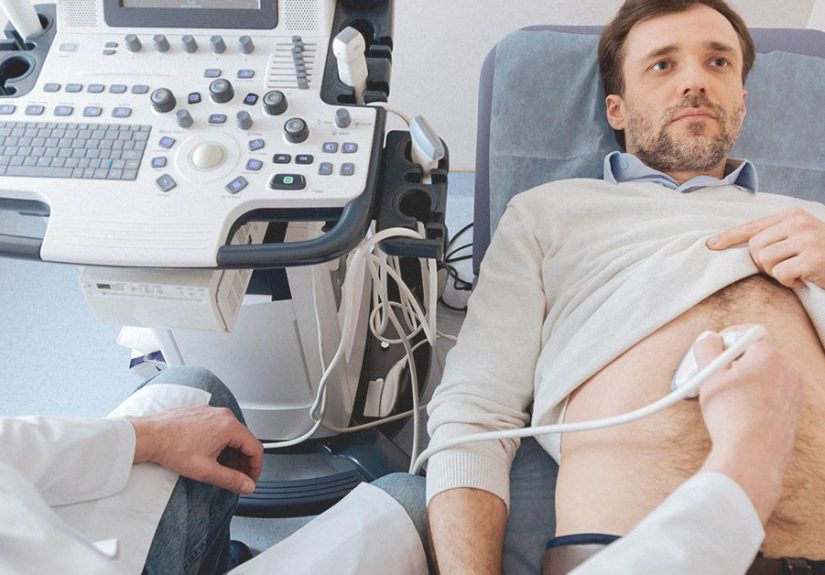
The go-to test is an abdominal ultrasound. It’s fast, noninvasive, and usually the first place a polyp shows up.
Your report may include the polyp’s size (in millimeters), number (single vs multiple), and sometimes a note about shape.
Other Tests Your Clinician Might Use
- Endoscopic ultrasound (EUS): A closer, higher-detail looksometimes used when ultrasound images are unclear or risk is higher.
- CT or MRI/MRCP: Occasionally used to evaluate other abdominal issues or if there’s concern for broader biliary disease.
- Blood tests: Not to “find” polyps, but to evaluate inflammation, liver function, or bile duct blockage if symptoms suggest it.
Treatment Options: Watchful Waiting vs. Surgery
There is no single one-size-fits-all treatment plan, because most polyps are harmless and never cause trouble. The goal is to
avoid unnecessary surgery while still catching the rare cases that need action.
When Monitoring (Surveillance) Makes Sense
For many people, especially with small polyps, the plan is follow-up imaging. Common approaches include checking a borderline-size polyp with ultrasound
at intervals (for example, at 6 months, then 1 year, then 2 years) and stopping if it remains stablethough follow-up schedules vary depending on the
guideline your clinician follows and your personal risk factors.
The practical idea is simple: stable and tiny usually means “low risk.” A polyp that disappears or never changes is often treated as a non-event
(a very boring outcome, which is exactly what you want from your gallbladder).
When Surgery (Cholecystectomy) Is Recommended
Removing the gallbladdercalled a cholecystectomyis the only definitive way to remove polyps, because polyps are attached to the gallbladder wall.
Surgery is more likely if:
- The polyp is 10 mm (1 cm) or larger, or approaches that threshold depending on other factors.
- There’s growth over time on repeat imaging.
- You have higher-risk conditions (like PSC) or suspicious imaging features.
- Polyps occur with recurrent gallbladder symptoms or complications, especially when gallstones or inflammation are also present.
What Surgery Is Like (and Life After)
Most gallbladder removals are done laparoscopically (small incisions). Many people go home the same day or after a short hospital stay.
You can live without a gallbladderbile will still reach your intestines, just in a different flow pattern.
Some people notice digestive changes afterward (like looser stools after fatty meals). Often, that improves with time and with simple diet tweaks:
smaller, lower-fat meals at first, then gradually expanding as tolerated.
Medication: Is There a Pill for Gallbladder Polyps?
In general, there isn’t a standard medication that reliably “dissolves” gallbladder polyps. If you read about bile-acid medicines (like ursodiol),
that’s usually in the context of specific cholesterol-related gallbladder conditions or stones, and it’s not a guaranteed polyp eraser.
If medication is discussed, it should be personalized and supervised by a clinician.
Home Remedies: What Helps (and What’s Just Wishful Thinking)
Let’s set expectations with kindness: home remedies can’t confirm what kind of polyp you have, and they typically can’t remove polyps.
What they can do is help reduce gallbladder irritation, improve digestion, support healthy cholesterol levels, and lower the chance of
gallstone-style flare-ups that can make you miserable.
Home-Friendly Habits That Support Gallbladder Health
-
Go easier on greasy meals: Fried foods, heavy cream sauces, and “let’s deep-fry the deep fryer” choices can trigger symptoms in some people.
Try baked, grilled, or air-fried (without turning it into a crispy oil festival). -
Choose fiber on purpose: Fruits, vegetables, beans, and whole grains can support digestion and cholesterol balance.
Increase gradually if fiber isn’t your usual thingyour gut likes a warm-up, not a surprise marathon. -
Pick healthier fats (in sane amounts): Olive oil, nuts, seeds, and avocado can be gentler than saturated-fat-heavy options.
“Healthier fat” still means “fat,” so portion size matters if symptoms flare after rich meals. - Stay hydrated: Digestion works better when you’re not running on fumes (or on soda alone).
- Maintain a steady, healthy weight: If weight loss is a goal, aim for gradual changes. Rapid weight loss can increase gallstone risk in some cases.
- Move your body regularly: Even brisk walking helps metabolic health and digestion. Your gallbladder loves a routine.
- Limit alcohol and avoid smoking: Not “because your parents said so,” but because your liver-bile system is a team sport.
Symptom-Soothing Tricks (If You Get Discomfort)
- Smaller meals: A big, fatty meal can provoke symptoms. Smaller, balanced meals can be easier to tolerate.
- Food/symptom journal: If you’re getting discomfort, track what you ate and how you feltpatterns show up faster than you’d think.
- Gentle recovery meals: If you’re having a rough digestive day, try bland, lower-fat options until things settle.
If you have persistent pain, fevers, jaundice, or repeated episodes, don’t “out-home-remedy” a problem that needs medical attention.
Home care is for support, not for ignoring warning signs.
Prevention: Can You Stop Polyps from Forming?
You can’t control everything (thanks, biology), but you can tilt the odds in your favor by supporting healthy cholesterol levels and reducing
gallbladder strain:
- Build meals around plants, lean proteins, and whole grains.
- Keep saturated fats and highly processed foods as “sometimes” foods, not “food group” foods.
- Stay active most days of the week.
- Avoid crash diets; aim for steady, sustainable changes.
- Keep up with follow-up imaging if your clinician recommends itdata beats guesswork.
Questions to Ask Your Clinician
- What size is my polyp (in millimeters), and is it single or multiple?
- Does the report mention a stalked vs. sessile shape or any concerning features?
- Do I have risk factors that change the usual follow-up plan?
- When should my next ultrasound be, and for how long will we monitor?
- What symptoms should prompt me to call you sooner?
- If surgery is recommended, what’s the expected recovery and how might digestion change afterward?
Experiences: What People Commonly Go Through (and Learn) With Gallbladder Polyps
The stories below are illustrative, composite experiences based on common patterns clinicians hearshared to help you feel less alone,
not to replace medical advice.
1) “Waitmy ultrasound found WHAT?” (The Incidental Surprise)
A very common experience is getting an ultrasound for something unrelatedacid reflux, vague abdominal discomfort, even a routine checkand then seeing
the words “gallbladder polyp” in the report. Many people describe a quick emotional roller coaster: curiosity, worry, then frantic searching that
somehow ends with reading about gallbladder cancer at 2 a.m. The most helpful turning point is often a calm conversation where the clinician explains:
“It’s small, these are usually benign, and we’ll monitor it.” People frequently say the anxiety drops sharply once they hear the actual size in millimeters
and learn that “watchful waiting” is a normal, evidence-based plannot a medical shrug.
2) The Food Detective Phase (a.k.a. “Why does pizza hate me?”)
Some people don’t have polyp symptoms at all, but they do have gallbladder-style discomfort triggered by meals. A typical experience is realizing patterns:
greasy foods, super-large meals, or late-night heavy eating can bring on right-upper-belly discomfort or nausea. Many people experiment with smaller meals,
reduced fried foods, and more fiberthen feel oddly proud that they’ve become the Sherlock Holmes of their own digestion. The humor people often use is,
“I didn’t quit fast food; my gallbladder quit fast food.” The practical payoff is learning what helps symptoms, even if it doesn’t change the polyp itself.
3) Living Between Follow-Ups (and Not Letting Your Brain Write Horror Movies)
If a polyp is borderline in size, follow-up ultrasounds can become a mini life event: scheduling, waiting, then refreshing the patient portal like it’s
concert ticket day. People commonly describe two lessons: (1) Growth matters more than “existing,” and (2) guidelines are designed to catch meaningful
changes without overreacting to tiny, harmless lesions. Some find it reassuring to keep a one-page note with their polyp size and dates of ultrasounds
not to obsess, but to feel organized. Others say the best strategy is to set the appointment, then put the whole thing in a mental drawer labeled
“handled” until the next scan.
4) When Surgery Enters the Chat (Decision-Making and Relief)
A smaller group of people end up considering surgeryoften because the polyp is large, grows, or comes with other risk factors. The emotional tone shifts:
worry about cancer risk can mingle with worry about surgery. Many describe feeling surprisingly relieved once a clear recommendation is made, because
the uncertainty ends. People often say it helps to ask concrete questions: “Is laparoscopic surgery likely?” “How long is recovery?” “What will eating be like
afterward?” After surgery, lots of folks report that the first week is about rest and gentle meals, and the next month is about gradually reintroducing foods.
The punchline some share: “My gallbladder retired early, and honestly, it wasn’t pulling its weight anyway.”
5) The Long Game: Feeling Normal Again
Whether they monitor or have surgery, many people eventually reach the same destination: the polyp becomes background noise. Those who monitor often say
the best outcome is boring ultrasoundsstable size, no drama. Those who have surgery commonly report a period of digestive adjustment, then a return to
normal routines with a few personal “rules” (like not challenging a greasy buffet on an empty stomach). Across both groups, a shared takeaway is that
focusing on controllablesbalanced eating, steady weight habits, and follow-up when advisedfeels empowering. The goal becomes less “I must fix this today”
and more “I’m taking smart steps and letting evidence guide the plan.” That mindset is basically the opposite of doom-scrolling, which your gallbladder would
probably endorse if it could talk.
Conclusion
Gallbladder polyps are usually benign, often symptom-free, and frequently discovered by accident. The key details are size, growth over time, and personal
risk factorsthose guide whether you monitor with ultrasound or consider gallbladder removal. “Home remedies” are best viewed as supportive habits:
they can improve digestive comfort and overall gallbladder health, but they don’t replace medical evaluation or make high-risk polyps vanish.
If you’ve been diagnosed, get the specifics (size in millimeters, follow-up plan, and risk profile), then let datanot fearrun the show.