Table of Contents >> Show >> Hide
Celtic salt has become the darling of wellness TikTok, health-food aisles, and kitchens where people lovingly describe seasoning as “a journey.” Its damp, gray crystals look artisanal, sound ancient, and make plain table salt seem like it showed up wearing a necktie to a beach party. But once the social media sparkle settles, a practical question remains: is Celtic salt actually better for you, or is it mostly a flavorful upgrade with a very impressive publicist?
The short answer is this: Celtic salt can be a tasty, minimally processed finishing salt that contains small amounts of trace minerals. That is the good news. The less glamorous news is that it is still mostly sodium chloride, which means it can still contribute to high sodium intake, higher blood pressure in some people, and diet-related health risks when overused. In other words, Celtic salt may be more charming than ordinary table salt, but it does not get diplomatic immunity from nutrition facts.
What Is Celtic Salt?
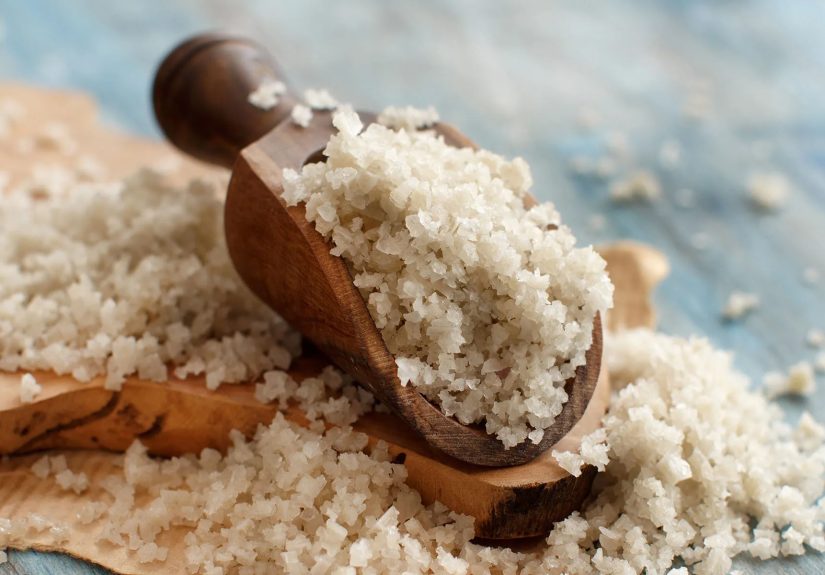
Celtic salt, often sold as Celtic sea salt or gray salt, is a type of sea salt traditionally harvested from coastal salt marshes in Brittany, France. It is known for its gray color, slightly moist texture, and coarse crystals. That gray tint comes from the clay-lined ponds where the salt is collected. Unlike highly refined table salt, Celtic salt is usually less processed and may retain tiny amounts of minerals such as magnesium, calcium, potassium, and iron.
Those features give it a more complex flavor than standard table salt. Many cooks love it as a finishing salt on vegetables, fish, eggs, or even chocolate desserts. It can add crunch, a cleaner briny taste, and a touch of drama. Your roasted potatoes may not write thank-you notes, but they will taste like they got promoted.
Potential Benefits of Celtic Salt
1. It offers flavor and texture that may help with mindful seasoning
One of the most practical benefits of Celtic salt is culinary, not medical. Because the crystals are larger and the flavor is more noticeable, some people find that a small pinch goes a long way. Used as a finishing salt, it can make food taste more satisfying, which may help some cooks season more intentionally instead of shaking salt into dinner like they are trying to snow a driveway.
That does not mean Celtic salt is automatically low sodium. It simply means its texture and flavor may encourage more deliberate use. In real life, the healthiest salt habit is usually not “find the magical salt,” but “use salt thoughtfully and rely on herbs, acids, spices, and whole foods for flavor.”
2. It contains trace minerals
Celtic salt does contain small amounts of minerals that refined table salt may not have in the same form. Magnesium is the mineral most often mentioned in marketing, followed by calcium and potassium. This sounds impressive until you look at quantity. The amounts are generally too small to transform your nutrition in any meaningful way unless you plan to eat heroic quantities of salt, which would defeat the entire point.
So yes, the minerals are there. No, Celtic salt should not be treated like a supplement. If you want more magnesium or potassium, foods such as leafy greens, beans, nuts, seeds, dairy, potatoes, and fruit are still the stronger move. A gray crystal cannot out-nutrition a balanced plate.
3. It is less processed and usually free of anti-caking additives
Some people prefer Celtic salt because it is minimally processed and often free from the anti-caking agents found in many table salts. For home cooks who value ingredient simplicity and flavor, that can be a legitimate preference. The taste difference is real for many people, especially when the salt is sprinkled on finished food instead of disappearing into soup or dough.
Still, “less processed” does not automatically mean “healthier in every way.” It mainly describes how the salt is produced, not how your blood vessels interpret it.
Side Effects and Downsides of Celtic Salt
1. It still adds sodium, and too much sodium can be a problem
This is the big one. Celtic salt is still salt, and salt still contributes sodium to the diet. Sodium is essential for nerve function, muscle contraction, and fluid balance, but too much of it can raise blood pressure and increase the risk of heart disease and stroke. Many Americans already consume more sodium than recommended, and most of that sodium comes from packaged, processed, prepared, and restaurant foods.
That matters because switching your shaker from table salt to Celtic salt does not cancel out the sodium load in canned soup, deli meat, pizza, sauces, snack foods, frozen meals, and restaurant portions. If your overall diet is high in sodium, a fancy finishing salt is not a nutritional loophole.
2. It may not be a reliable source of iodine
One overlooked drawback of Celtic salt is that it is often not iodized. Iodine is important for making thyroid hormones, which help regulate metabolism and support growth and development. In the United States, iodized table salt has long been one practical source of iodine, even though people also get iodine from dairy, seafood, eggs, and some fortified foods.
If you replace iodized table salt with non-iodized specialty salts all the time, especially while following a restricted diet, you could miss out on an easy source of iodine. This does not mean everyone who buys Celtic salt is one sprinkle away from thyroid chaos. It does mean the swap is not nutritionally identical, and it is smart to think about the bigger picture.
3. It can be risky for people with certain health conditions
People with high blood pressure, kidney disease, heart failure, fluid retention, or sodium-sensitive conditions should be especially careful with any salt, including Celtic salt. Too much sodium can make blood pressure harder to control, increase fluid buildup, and add stress to the kidneys and cardiovascular system.
This is where wellness marketing and medical reality often part ways. A salt does not become harmless because it is gray, damp, or harvested with poetic sincerity. If your clinician has told you to limit sodium, Celtic salt belongs in the same caution category as table salt, kosher salt, and pink salt.
4. “Hydration” claims are often exaggerated
Some online posts suggest adding Celtic salt to water for hydration, energy, electrolyte balance, or better workouts. That idea sounds scientific enough to be convincing, which is often the danger zone. For most healthy people, plain water and regular meals are enough for everyday hydration.
Salt can help in specific situations, such as heavy sweating or certain medical needs, but casually turning every water bottle into a home chemistry experiment is not necessary for most adults. In fact, adding salt to water when your diet is already sodium-heavy may simply increase sodium intake without providing any unique benefit.
Celtic Salt vs. Table Salt
| Feature | Celtic Salt | Table Salt |
|---|---|---|
| Processing | Usually minimally processed | Usually more refined |
| Texture | Coarse, moist, sometimes crunchy | Fine, dry, uniform |
| Color | Grayish | White |
| Minerals | Contains trace minerals | Mostly sodium chloride, often iodized |
| Iodine | Often not iodized | Often iodized |
| Health effect of overuse | High sodium intake is still a concern | High sodium intake is still a concern |
The key takeaway is simple: the biggest nutritional difference is usually iodine and processing, not some dramatic sodium miracle. By weight, different salts are broadly similar because they are still mostly sodium chloride. By volume, coarse salts may deliver a little less sodium per teaspoon because the crystals are larger and less tightly packed, but that is a kitchen detail, not a health revolution.
How to Use Celtic Salt Smartly
- Use it as a finishing salt rather than dumping it into every recipe.
- Keep an eye on your total sodium intake, not just the salt in your grinder.
- Read labels on processed foods, which are often the real sodium heavyweight champions.
- Pair salt with herbs, citrus, garlic, vinegar, pepper, and spices to build flavor without leaning on sodium alone.
- If you avoid iodized salt, make sure you get iodine from other foods or ask a healthcare professional if you are unsure.
- If you have high blood pressure, kidney disease, heart failure, or swelling issues, talk with your clinician about your personal sodium target.
Common Experiences People Report With Celtic Salt
When people switch to Celtic salt, the first thing they usually notice is not a dramatic health transformation. It is the taste. Food can seem a little more rounded, a little more savory, and a little more interesting. A simple tomato slice, scrambled eggs, avocado toast, roasted vegetables, or grilled fish may taste more “finished.” That experience is real and easy to understand. Texture changes flavor perception, and so does expectation. When a salt feels special, people tend to use it more carefully and appreciate it more.
Another common experience is that people use less salt overall at the table because the crystals are larger and the flavor is more immediate. A pinch feels intentional. A sprinkle looks like seasoning instead of a blizzard. For some people, that helps with portion awareness. For others, it does absolutely nothing, because the rest of the diet is still loaded with sodium from bread, sauces, snacks, takeout, and frozen foods. That is an important reality check. People may feel virtuous while sprinkling artisanal salt on dinner, then unknowingly consume far more sodium from the salad dressing and soup.
Some people also report feeling “better hydrated” when they add Celtic salt to water. In everyday life, that experience may have less to do with the salt itself and more to do with finally drinking enough water, eating more regularly, or paying closer attention to habits. The ritual can create a placebo-friendly moment: the person slows down, drinks more, and feels better. That does not mean the salt water has unique powers. It may simply mean the routine improved behavior.
On the downside, some people notice bloating, increased thirst, or puffiness when they start using more specialty salt because they assume it is healthier and therefore harmless. This is where the halo effect gets sneaky. A product marketed as natural, mineral-rich, or ancient can make people feel licensed to use more of it. Your body, however, is unimpressed by branding. If sodium intake climbs, the usual side effects can show up no matter how pretty the crystals look in a ceramic jar.
Another real-world experience is confusion around iodine. People swap out iodized table salt for sea salts, pink salts, and other fashionable options and never think about iodine again. For many adults, that may not cause a noticeable issue because iodine also comes from foods like dairy, seafood, and eggs. But for someone with a limited diet, a heavy reliance on non-iodized salts, or special nutrition needs, that silent tradeoff can matter.
In short, the most believable experiences with Celtic salt are practical, not magical: better flavor, more enjoyment in cooking, sometimes more mindful seasoning, and occasionally accidental overconfidence. Used thoughtfully, it can be a lovely ingredient. Used as a wellness shortcut, it can become just another expensive way to eat too much sodium.
Final Verdict
Celtic salt is not snake oil, but it is not a miracle mineral dust either. Its real advantages are flavor, texture, minimal processing, and small amounts of trace minerals. Its real downsides are the same ones that apply to nearly every salt: sodium still counts, moderation still matters, and it is often not iodized.
For healthy adults, Celtic salt can absolutely have a place in the kitchen, especially as a finishing salt for foods that benefit from crunch and character. But if your goal is better heart health, lower blood pressure, or smarter nutrition, the bigger win usually comes from reducing processed foods, checking labels, and keeping total sodium intake in range. The smartest use of Celtic salt is to enjoy it for what it is: a flavorful ingredient, not a medical treatment wearing a linen apron.