Table of Contents >> Show >> Hide
- The Short Answer: How Long Do You Really Have?
- What Plan B Actually Is
- How Plan B Works
- When Plan B May Not Be the Best Option
- How to Take Plan B Correctly
- What Can Make Plan B Less Effective?
- What to Expect After Taking Plan B
- When to Take a Pregnancy Test
- When to Get Medical Care Right Away
- Plan B vs. ella vs. an IUD
- Common Myths About Waiting to Take Plan B
- Experiences People Commonly Report After Taking Plan B
- Conclusion
- SEO Tags
Let’s get to the question fast, because this is not the kind of topic where anyone wants a dramatic drumroll: you should take Plan B as soon as possible after unprotected sex or birth control failure. The best-known window is within 72 hours, but many clinicians also note that it may still help up to 120 hours, or 5 days, after sex. The catch? The longer you wait, the less reliable it becomes. In other words, Plan B is not a “maybe I’ll deal with this on Friday” kind of pill. It is more of a “today would be excellent” situation.
If you are already close to day 4 or 5, if you have a higher body weight or BMI, or if you want the most effective emergency contraception possible, Plan B may not be your strongest option. In those cases, ella or a copper IUD may be better choices. But if Plan B is what you can get quickly, speed matters more than perfection. The sooner you act, the better your odds.
The Short Answer: How Long Do You Really Have?
Here is the practical version:
Within 24 hours
This is the sweet spot. If you can take Plan B within the first day after unprotected sex, that is the ideal timing. Emergency contraception works best when you do not give the clock a head start.
Within 72 hours
This is the window most people know because it is the classic Plan B timeframe. It is also the official labeled timing for Plan B One-Step. If you are inside this window, take it now, not after a snack, a nap, and a long group chat debate.
Between 72 and 120 hours
This is where things get more nuanced. Some major medical sources say levonorgestrel emergency contraception can still reduce the chance of pregnancy up to 5 days after sex, but it becomes less effective the longer you wait. If you are in this range, ella is usually the stronger pill option, and a copper IUD is the most effective option overall.
So if you are asking, “Can I wait?” the honest answer is: technically, maybe a little, but you should not plan to. Waiting is like showing up late to the airport and hoping security is feeling sentimental.
What Plan B Actually Is
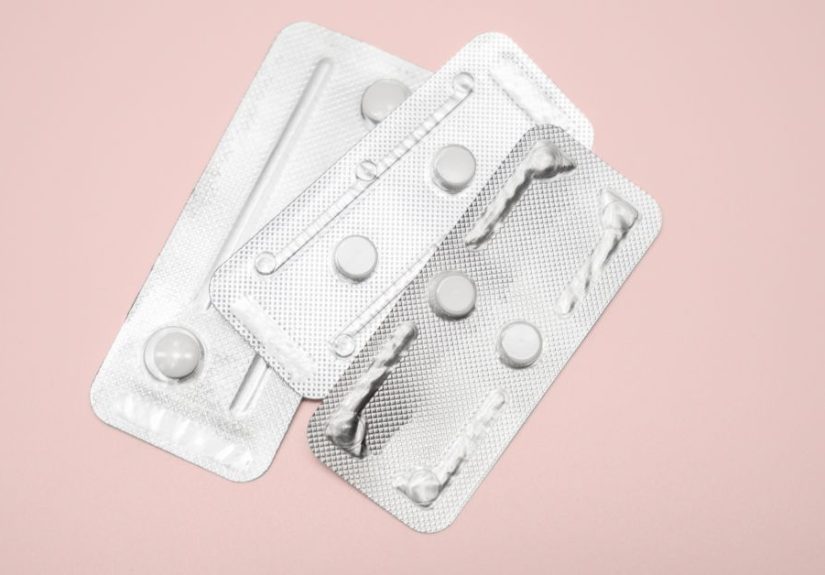
Plan B One-Step is an emergency contraceptive pill that contains levonorgestrel, a synthetic hormone used in birth control. It is designed to help prevent pregnancy after unprotected sex or after birth control fails, like when a condom breaks, a diaphragm shifts, or pills were missed.
It is important to clear up one giant myth right away: Plan B is not an abortion pill. It does not end an existing pregnancy. If you are already pregnant, Plan B will not work to stop that pregnancy.
Plan B also does not protect against sexually transmitted infections. It is emergency contraception, not a magical clean-up crew for every possible concern after sex.
How Plan B Works
Plan B works primarily by delaying or preventing ovulation. In plain English, it tries to stop your ovary from releasing an egg. No egg, no fertilization. That is the whole strategy.
This also explains why timing matters so much. If ovulation has already happened, Plan B may not work well, because its main job is to put ovulation on pause. It is basically trying to close the gate before the horse bolts, which is why taking it earlier is always smarter.
When Plan B May Not Be the Best Option
You are close to day 4 or day 5
If more than 72 hours have passed, Plan B may still offer some benefit, but it is no longer the star player. ella, which contains ulipristal acetate, generally performs better later in the 5-day window and maintains effectiveness more consistently across that time.
You have a higher body weight or BMI
Several clinical sources note that levonorgestrel emergency contraception may be less effective for people with higher body weight or BMI. While exact cutoffs are not the same in every source, the usual concern starts around 165 pounds or a BMI of 30 or higher. If that applies to you, ask about ella or a copper IUD, which may be better options.
You want the most effective emergency contraception available
If you want the option with the best pregnancy prevention odds, a copper IUD placed within 5 days is generally considered the most effective form of emergency contraception. It also gives you ongoing birth control after that, which is a nice overachiever move.
You had unprotected sex again after taking it
Plan B is not a force field for the rest of the month. It works for that episode of unprotected sex. If you have unprotected sex again later in the same cycle, you can still get pregnant. That is one reason it is important to start or resume reliable birth control right away.
How to Take Plan B Correctly
Plan B One-Step is a single pill. You swallow it as soon as possible after unprotected sex. Most people can take it with or without food, though taking it with food may be easier on the stomach if you are already stressed and queasy.
If you vomit within 2 hours of taking Plan B, it may not have worked, and you may need another dose. Some medical sources use a 2-hour cutoff, while others say to call if vomiting happens within 3 hours. The safest move is to contact a pharmacist or healthcare professional right away if that happens.
After taking Plan B, you should start or resume your regular birth control promptly if that method is appropriate for you. And because Plan B does not provide lasting protection, use condoms or another reliable backup method until your regular contraception is working again.
What Can Make Plan B Less Effective?
Timing is the big one, but it is not the only one. Plan B may also be less effective if:
- You wait too long to take it
- You may already have ovulated
- You have a higher body weight or BMI
- You take certain medications or supplements that interfere with levonorgestrel
Some examples of medications and supplements that can reduce effectiveness include rifampin, some anti-seizure medications, some HIV medicines, griseofulvin, and St. John’s wort. If you take any medication regularly and you are standing in a pharmacy aisle wondering what to do, ask the pharmacist before you check out. That is exactly what pharmacists are for.
What to Expect After Taking Plan B
Most side effects are mild and short-lived. Common ones include:
- Nausea
- Vomiting
- Headache
- Dizziness
- Fatigue
- Tender breasts
- Cramping or stomach pain
- Spotting or changes in your next period
Your next period may come earlier or later than usual, and it may be heavier, lighter, or more spotty. This is common and not usually a sign that anything has gone terribly off-script.
The important thing to remember is that a weird period after Plan B does not automatically mean something is wrong. The hormone dose can absolutely make your cycle act a little dramatic for a month.
When to Take a Pregnancy Test
You should take a pregnancy test if:
- Your period is more than about a week later than expected
- You do not get your period within 3 weeks after taking Plan B
- You have symptoms of pregnancy
Plan B lowers the chance of pregnancy, but it does not guarantee prevention. If your period ghosts you for weeks, do not keep refreshing your calendar app and hoping for a miracle. Take the test.
When to Get Medical Care Right Away
Seek medical attention if you have:
- Severe abdominal pain
- Heavy bleeding with pain
- Fainting or feeling extremely weak
- Symptoms that feel intense or do not improve
These symptoms do not mean Plan B is dangerous, but they can signal a pregnancy complication, including an ectopic pregnancy, which needs prompt care.
Plan B vs. ella vs. an IUD
Plan B
Best when taken immediately and ideally within 72 hours. Available over the counter. Fastest to access for many people.
ella
Available by prescription. Works up to 5 days after sex and is generally a better pill option if you are later in the window or if body weight is a concern.
Copper IUD
The most effective emergency contraception option if inserted within 5 days. It also gives you long-term birth control afterward. It is not the fastest option to arrange, but it is the heavyweight champion.
If you are not sure which route makes the most sense, think in this order: How long has it been? What can I get today? Is my weight or medication list likely to matter? Those three questions usually narrow things down quickly.
Common Myths About Waiting to Take Plan B
“I can wait until tomorrow morning.”
You can, but that does not make it a good idea. The sooner you take it, the better it works.
“If it has been more than 72 hours, there is no point.”
Not exactly. Some clinical guidance says levonorgestrel may still help up to 5 days, though it is less effective by then. It is still worth exploring emergency contraception, especially ella or an IUD.
“Plan B works no matter when I ovulate.”
No. Plan B mainly works by delaying ovulation, so if ovulation has already happened, its usefulness may drop.
“If I take Plan B, I am covered for the rest of the month.”
Also no. Plan B does not protect you from later sex in the same cycle. It is a backup move, not a month-long subscription.
Experiences People Commonly Report After Taking Plan B
People’s experiences with Plan B often sound less like a calm healthcare decision and more like a speed-run through anxiety, Google searches, and pharmacy lighting that somehow makes everything feel more urgent. One of the most common experiences is simply not knowing whether there is still enough time. Many people take it within 12 to 24 hours and still worry they were too late. Others do not get to it until day 3 or day 4 and spend the next few weeks replaying every detail, from the exact time sex happened to whether they ate lunch first.
Another very common experience is confusion about what counts as “working”. Some people expect to feel something dramatic when they take Plan B, as if the pill should arrive with fireworks and a voice-over saying, “Pregnancy risk canceled.” Real life is far less cinematic. Usually, nothing big happens right away. Maybe there is some nausea, maybe a headache, maybe nothing at all. That lack of drama can actually make people more nervous, because they start wondering whether the pill did anything. The truth is, Plan B does not come with instant confirmation. The waiting is part of the experience, and yes, it is annoying.
People also frequently report that their next period feels weird. It may show up earlier than expected, come late, look lighter, act heavier, or arrive with spotting that causes immediate panic. This is one of the biggest reasons people wind up taking pregnancy tests after Plan B, even when the pill likely did what it was supposed to do. The hormonal shake-up can make a normal cycle feel temporarily unpredictable.
There is also a very real emotional side to the experience. Some people feel relieved as soon as they take it. Others feel embarrassed buying it, especially if it is locked behind a counter or requires asking a pharmacist for help. Some worry about being judged. Some worry about cost. Some are frustrated that a generic option is right there on the shelf but they are too stressed to compare labels and confirm that it contains the same active ingredient. In reality, many generic levonorgestrel emergency contraception pills work the same as Plan B One-Step, which can be reassuring when the brand-name box is staring back at you with an unhelpful price tag.
Another common experience is realizing that Plan B solves one urgent problem but does not solve the bigger birth control question. A lot of people come away from the experience thinking, “I never want to do this panic math again.” That often becomes the moment when they switch to a more reliable regular method, keep emergency contraception at home just in case, or learn more about options like ella or an IUD for the future.
So if your experience involves stress, uncertainty, a slightly chaotic pharmacy trip, a strange period, and a promise to yourself that you are never relying on pure optimism again, you are very much not alone. That is, frankly, a pretty classic Plan B storyline.
Conclusion
So, how long can you wait to take Plan B? The best answer is: as little as possible. Take it right away if you can. The most familiar Plan B window is within 72 hours, and some clinical guidance says it may still help up to 120 hours, but its effectiveness drops with time. If you are getting closer to day 4 or 5, if body weight may affect effectiveness, or if you want the strongest emergency contraception option, ask about ella or a copper IUD.
Most importantly, do not lose time waiting for certainty. Emergency contraception is one of those situations where a good-enough decision made quickly usually beats a perfect decision made too late.