Table of Contents >> Show >> Hide
- Butter Beans vs. Lima Beans: Are They the Same Thing?
- Butter Beans Nutrition Facts (Per 1 Cup Cooked)
- Daily Values and “Is This a Lot?” (A Friendly Decoder)
- Health Benefits of Butter Beans
- Canned vs. Dried vs. Frozen Butter Beans
- How to Cook Butter Beans Safely and Deliciously
- FAQ: Butter Beans Nutrition Facts
- Real-Life Experiences With Butter Beans (The Part People Actually Want)
- Conclusion
Butter beans have a PR problem. They sound like something you’d find in a
Depression-era pantry next to a suspicious jar labeled “ASPIC.” But here’s the twist:
butter beans are actually a nutrient-dense, budget-friendly, meal-flexing legume with a
creamy texture that can make soups silkier, salads heartier, and weeknight dinners feel
like you tried (even if you didn’t).
This guide breaks down butter beans nutrition facts in plain Englishcalories, macros,
vitamins, minerals, and what those numbers mean for your everyday eating. You’ll also
get practical tips for canned vs. dried beans, cooking methods, and a “real life”
section at the end that reads like advice from a friend who has definitely eaten beans
before.
Butter Beans vs. Lima Beans: Are They the Same Thing?
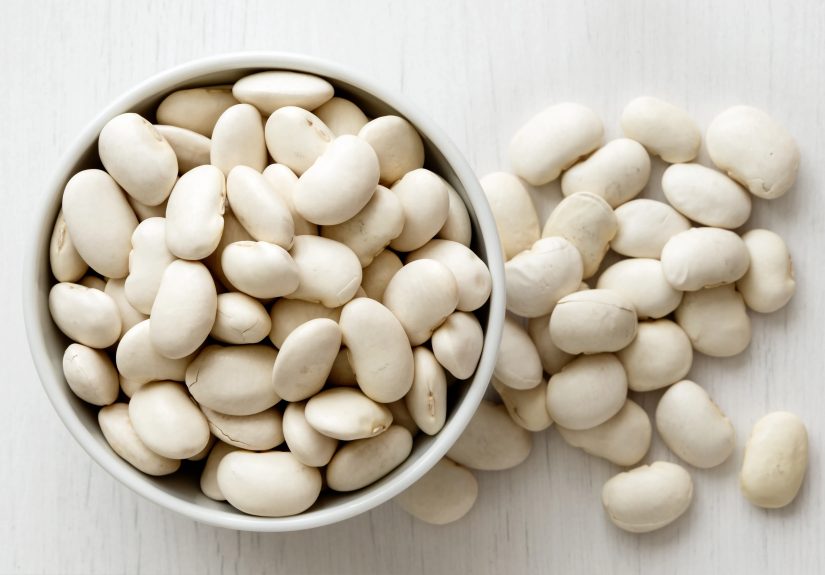
In most U.S. grocery stores and recipes, butter beans and lima beans are the same bean
(same species). The name you hear often depends on geography and sometimes the bean’s size or maturity.
You may see:
- Baby limas: smaller, usually green, a bit more delicate.
- Large limas / butter beans: bigger, often pale green to creamy white, with that “buttery” texture.
Translation: if a recipe calls for butter beans and you only have lima beans, you’re not “substituting.”
You’re just using the bean’s legal name.
Butter Beans Nutrition Facts (Per 1 Cup Cooked)
Nutrition can vary based on whether the beans are fresh, frozen, canned, or cooked from driedand whether
they’re simmered in water or braised with bacon and a dream. The snapshot below uses a common reference:
1 cup cooked, boiled, drained butter beans (about 170g), without added salt.
Quick Nutrition Snapshot
| Nutrient | Amount (1 cup cooked) | Why it matters |
|---|---|---|
| Calories | 209 | Solid energy for a side dish or plant-based main. |
| Protein | 11.6 g | Supports fullness and muscle maintenance. |
| Total Carbs | 40.2 g | Mostly complex carbs (starches + fiber). |
| Dietary Fiber | 9.2 g | Gut support, satiety, and heart-friendly benefits. |
| Total Fat | 0.54 g | Very low-fat naturally. |
| Sodium | 28.9 mg | Lowuntil canned or seasoned (we’ll talk about that). |
| Potassium | 969 mg | Helps with fluid balance, nerve/muscle function. |
| Iron | 4.2 mg | Supports oxygen transport and energy metabolism. |
| Magnesium | 125.8 mg | Involved in hundreds of enzyme reactions. |
| Vitamin C | 17.2 mg | Antioxidant + helps iron absorption from plant foods. |
| Folate | 44.2 mcg (DFE) | Important for DNA synthesis and cell growth. |
| Manganese | 2.1 mg | Supports metabolism and antioxidant enzymes. |
| Copper | 0.52 mg | Helps with iron metabolism and connective tissue. |
What Those Macros Actually Mean
Butter beans are primarily a carb + fiber + protein food. That “carb” label scares some people,
but here’s the nuance: a big portion of those carbs comes with fiber and a slower-digesting starch structure.
That combo tends to digest more gradually than refined carbs (like white bread that disappears into your soul
in 14 seconds).
The fiber is the headline: 9.2 grams per cup is a meaningful chunk of the Daily Value (DV). And because
butter beans are low in fat and contain zero cholesterol, they work nicely in heart-healthy patterns of eating
when prepared with reasonable amounts of added salt and saturated fat.
Micronutrients: The “Quiet Overachievers” in Butter Beans
Butter beans don’t just show up with protein and fiber; they bring a pretty respectable roster of minerals and
vitamins. Highlights include:
- Potassium: Nearly 1,000 mg per cup is notableespecially if your diet leans salty and packaged.
- Magnesium: Often under-consumed, and butter beans quietly contribute.
- Iron: Plant-based (non-heme) iron; pairing with vitamin C foods can help absorption.
- Manganese + Copper: Small minerals, big roles in metabolism and antioxidant systems.
- Vitamin C: Not every bean brings vitamin C, but butter beans show up.
Daily Values and “Is This a Lot?” (A Friendly Decoder)
Nutrition labels use Daily Values (DVs) as a general benchmark. Here are a few relevant DVs for context:
fiber 28 g/day, sodium 2,300 mg/day, potassium 4,700 mg/day,
and iron 18 mg/day.
Using those benchmarks, a cup of cooked butter beans provides roughly:
- Fiber: about 33% DV (9.2 g out of 28 g)
- Potassium: about 21% DV (969 mg out of 4,700 mg)
- Iron: about 23% DV (4.2 mg out of 18 mg)
- Sodium: basically a rounding error when cooked without saltbut canned versions can be a different story
That’s why butter beans often earn the “nutrient-dense” label: you get a lot of helpful stuff for a relatively
simple ingredient.
Health Benefits of Butter Beans
Butter beans aren’t a magic food (sadly, no bean can fix a sleep schedule held together by iced coffee and denial),
but their nutrient profile aligns with several well-known nutrition goals.
1) Fiber Support for Heart Health
Fiberespecially soluble fiber found in many legumescan help support healthy cholesterol levels as part of an overall
heart-smart diet. Beans are commonly recommended in heart-healthy eating patterns because they combine fiber, minerals,
and plant protein in one affordable package.
2) Blood Sugar-Friendly Structure
Butter beans contain fiber and resistant starch, which can slow digestion and help reduce sharp spikes in blood sugar
when compared with refined carbs. Some nutrition references describe lima beans as having a relatively low glycemic
index, meaning they tend to produce a more gradual blood glucose responseespecially when eaten with balanced meals
(think: beans + veggies + healthy fat + protein).
3) Gut Microbiome Support (A.K.A. “Feed the Good Bugs”)
The fiber and resistant starch in beans act like fuel for beneficial gut bacteria. Practically speaking, that can
support regularity and digestive health over time. (Your gut bacteria are basically tiny roommatesif you feed them,
they’re nicer. If you don’t, they throw a party at 2 a.m.)
4) Fullness and Weight Management
Protein + fiber is a classic satiety combo. Butter beans can make meals feel more satisfying without relying on high
saturated fat or heavy processing. That doesn’t mean “eat beans, lose weight instantly.” It means beans can help you
build meals that keep you full so you’re less likely to go snack-hunting like a raccoon with Wi-Fi.
5) Mineral Support for Muscles and Metabolism
Potassium and magnesium are involved in muscle and nerve function, fluid balance, and energy metabolism. Getting them
from whole foods (like beans) is a bonus because you also get fiber and other nutrients along for the ride.
Canned vs. Dried vs. Frozen Butter Beans
Canned Butter Beans
The convenience is undefeated. The main concern is sodium, since many canned beans are packed in salted liquid.
The fix is simple: choose “no salt added” when possible, or drain and rinse to reduce sodium.
(Bonus: rinsing also improves flavor if the can tastes a little… can-y.)
Dried Butter Beans
Typically the best value per serving, and you control the seasoning. The “cost” is time: soaking (optional but helpful),
simmering, and planning ahead. Dried beans also let you customize texturesome people like them firm for salads, others
want them creamy for soups.
Frozen Butter Beans
Frozen beans can be a sweet spot: less sodium than many canned versions, quick cooking, and usually minimal added
ingredients. If you’re trying to keep sodium low without sacrificing convenience, frozen is worth checking.
How to Cook Butter Beans Safely and Deliciously
Butter beans are easy to cook, but they come with one non-negotiable rule:
don’t eat them raw.
Food Safety Note: Why Raw Butter Beans Are a Bad Idea
Like some other legumes, lima/butter beans naturally contain compounds that can be harmful when raw. Proper cooking
helps make them safe to eat. In plain terms: cooking is not optional, it’s the part where the bean becomes food.
Basic Method (Dried Butter Beans)
- Sort and rinse: Check for debris (rare, but not impossible), then rinse.
- Soak (optional): Soaking can shorten cook time and may improve digestibility. If you don’t soak, just cook longer.
- Boil, then simmer: Cook in plenty of water until tender. The beans should be fully cooked throughcreamy, not chalky.
- Season smart: Add salt later if you want softer beans; acids (tomatoes, vinegar) are best added after beans are tender.
Flavor Ideas That Don’t Wreck the Nutrition
- Herby “butter bean bowl”: olive oil, lemon, garlic, parsley, black pepper.
- Soup upgrade: blend a cup of cooked beans into broth for a creamy texture without heavy cream.
- Southern-inspired (lighter): simmer with onion, bay leaf, smoked paprika; use a small amount of smoked turkey instead of fatty cuts.
- Salad-ready: toss with cucumber, tomatoes, feta, and a simple vinaigrette.
FAQ: Butter Beans Nutrition Facts
Are butter beans good for protein?
They’re a solid plant protein source, but they’re not a “complete” protein on their own. In real life, that’s easy:
pair beans with grains (rice, corn, whole wheat) or include other protein sources in your day.
Are butter beans low carb?
Nocompared with non-starchy vegetables, beans are higher in carbs. But they also provide lots of fiber, and many
people find them more satisfying than refined carbs. If you’re managing carbs, focus on portion size and meal balance.
Do butter beans cause gas?
Sometimes, yesespecially if you increase fiber quickly. A gradual increase, thorough cooking, and regular intake can
help. Some people also find that rinsing canned beans improves tolerance.
Are butter beans healthy?
In general, yesespecially when prepared with moderate sodium and not drowned in saturated fat. They’re rich in fiber,
contain meaningful minerals, and can support heart-healthy, gut-friendly eating patterns.
Real-Life Experiences With Butter Beans (The Part People Actually Want)
Here’s what typically happens when butter beans move from “random can in the pantry” to “oh wow, I should buy these
on purpose.” First, people notice the texture: when properly cooked, butter beans are creamy and soft, not mushymore
like a bite-sized potato-meets-cashew vibe than the firm snap you get from chickpeas. That creamy texture makes them
ridiculously useful. If you’ve ever wanted a soup to feel hearty without adding cream, butter beans are the stealth
move: blend a cup into broth and suddenly you’ve got body, thickness, and a more filling bowl.
Another common experience: butter beans are “quietly” filling. They don’t feel heavy the way some meat-centric meals
can, but you’re also not rummaging through the kitchen an hour later looking for something crunchy and salty. That’s
the fiber + protein combo doing its thing. People who are trying to build more balanced lunches often end up using
butter beans as the basetossed with greens, chopped veggies, and a punchy dressing. It’s the kind of meal that travels
well, doesn’t get sad immediately, and can be scaled up for meal prep.
Let’s talk canned beans, because that’s where most butter bean stories begin. The #1 reaction is usually: “These taste
better after rinsing.” Draining and rinsing doesn’t just reduce sodium; it also removes the thick canning liquid that
can taste metallic or overly briny. After rinsing, people tend to season them like they would any mild ingredient:
salt (if needed), pepper, garlic, lemon, herbs, chili flakes, or a splash of vinegar. Because butter beans are mild,
they’re basically flavor sponges with excellent manners.
Then there’s the “bean learning curve”: digestion. Many people’s first week of eating more beans comes with… let’s call
it “extra enthusiasm” from the digestive system. That’s normal when fiber intake jumps quickly. The experience usually
improves when people increase portions gradually, drink enough water, and eat beans consistently rather than randomly.
If you go from “zero beans” to “three bean chili for breakfast,” your body may file a formal complaint. If you go from
zero to half a cup a few times a week, your gut tends to adapt.
Finally, butter beans become a comfort food for a lot of folksespecially in cooler months. They hold up well in stews
and braises, and they play nicely with smoky flavors (paprika, cumin, roasted chiles) as well as lighter Mediterranean
ones (lemon, oregano, olive oil). They also do something magical in “clean-out-the-fridge” meals: add butter beans to a
skillet of sautéed onions, spinach, and whatever else you’ve got, and you’ve got dinner. Not a fancy dinner. A reliable
dinner. The kind that makes you feel like a functional adult.
Conclusion
Butter beans (a.k.a. lima beans) are more than a nostalgic side dishthey’re a nutrient-dense staple with
fiber, plant protein, potassium, magnesium, and iron in a creamy, versatile package. If you want the best
nutrition payoff, choose low-sodium options (or rinse canned beans), cook dried beans thoroughly, and season them in a
way that fits your goals. Whether you’re building heart-healthy meals, boosting fiber, or just trying to make dinner
easier, butter beans deserve a spot in the regular rotation.