Table of Contents >> Show >> Hide
- Triple-Pane Windows 101: What You’re Paying For
- The Ratings That Matter: U-Factor, SHGC, and Why “Triple” Isn’t Automatically Better
- What Triple-Pane Windows Do Better
- The Tradeoffs: Why Triple-Pane Isn’t Always Worth It
- Energy Star, Climate Zones, and a Reality Check
- A Simple “Worth It?” Decision Framework
- Quick Math: A Payback Example (Illustrative, Not a Promise)
- Incentives and Credits: Helpful, But Check the Dates
- What to Ask for When Comparing Quotes
- So… Are Triple Pane Windows Worth the Extra Cost?
- Real-World Experiences: What People Notice After Installing Triple-Pane Windows (Extra ~)
Triple-pane windows are the “extra guac” of the window world: undeniably nicer, noticeably pricier, and capable of starting lively arguments in the checkout line. If you’re wondering whether triple pane windows are worth the extra cost, the honest answer is: sometimes absolutelyand sometimes you’re better off spending that money on better installation, air sealing, or a high-performance double-pane package.
This guide breaks down what triple-pane windows actually do (and don’t do), where they shine, where they’re overkill, and how to decide using real performance ratings like U-factor and SHGCnot vibes.
Triple-Pane Windows 101: What You’re Paying For
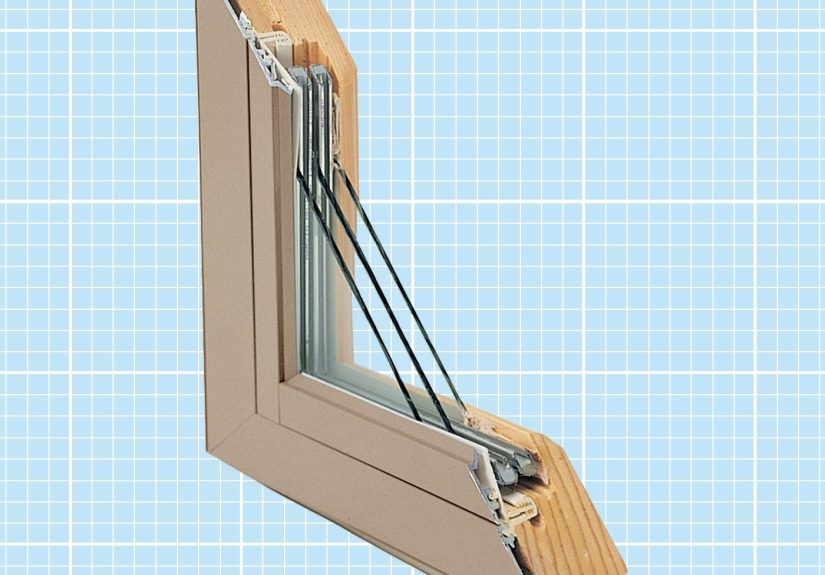
A triple-pane window has three layers of glass with sealed spaces between them. Those spaces are usually filled with insulating gas (often argon; sometimes krypton in thin or premium builds) and paired with low-emissivity (low-E) coatings that slow heat transfer.
Think of it as adding another “thermal speed bump” for heat trying to sneak in during summer or escape during winter. The extra pane can also help raise interior glass temperatures in cold weather, which is a big deal for comfort and condensation risk.
The Ratings That Matter: U-Factor, SHGC, and Why “Triple” Isn’t Automatically Better
U-Factor: Your Winter Comfort Meter
U-factor measures how readily a window transfers heat. Lower is betterless heat loss in winter and less heat gain in summer (depending on conditions). The Department of Energy emphasizes looking at whole-unit U-factors, not just center-of-glass numbers, because frames and spacers matter too.
NFRC labels make it easier to compare windows apples-to-apples by showing standardized ratings, including U-factor (with typical ranges listed on NFRC guidance).
SHGC: Your Summer Sun Filter (and Sometimes Your Winter Heater)
Solar Heat Gain Coefficient (SHGC) tells you how much solar heat gets through. Lower SHGC blocks more sun heat (helpful in hot climates or for west-facing glass). Higher SHGC can be useful in cold climates where winter sun is welcome. DOE notes that the “right” SHGC depends heavily on climate and orientation.
Visible Transmittance: The “How Bright Will My Room Feel?” Factor
Adding panes and coatings can slightly reduce visible light. It’s not a cave effect, but if you’re replacing a lot of glassespecially in a room that already feels dimask about visible transmittance so you don’t accidentally install a permanent “overcast afternoon” filter.
What Triple-Pane Windows Do Better
1) They Can Cut Heat Loss and Improve EfficiencyEspecially in Cold Climates
The best case for triple-pane windows is straightforward: cold winters + lots of glass + high heating costs. Field and lab work highlighted by the Efficient Windows Collaborative suggests triple-pane designs (including thin triple-pane technologies) can meaningfully improve window energy performance and comfort compared with baseline double-pane setups.
In a DOE-sponsored evaluation of thin triple-pane windows, testing reported reduced condensation potential and measurable acoustic and energy-related benefits compared to baseline double-pane windows in the study context. The key takeaway isn’t “triple-pane always saves X%,” but that under the right conditions and product design, the performance jump can be real.
2) They Often Feel More Comfortable (Even When the Thermostat Doesn’t Change)
Comfort is where triple-pane windows quietly win people over. In winter, a colder interior glass surface can make a room feel drafty even if there’s no actual air leakyour body “radiates” heat toward that cold surface. Better insulating windows keep the interior glass warmer, so sitting near the window stops feeling like you’re camping next to a glacier.
That same DOE-sponsored thin triple-pane work reported more even indoor temperatures in the tested homes compared with baseline windowsexactly the kind of thing homeowners describe as “it just feels nicer.”
3) They Can Reduce Condensation Risk in Winter
Condensation happens when interior glass temperatures drop low enough for indoor humidity to condensecommon in cold climates, kitchens, bathrooms, and homes with humidifiers. Higher-performance windows can reduce that risk by keeping the interior surface warmer, and the PNNL field/lab findings reported reduced condensation potential with the evaluated thin triple-pane products.
4) They May Help With NoiseBut Don’t Buy Triple-Pane for Noise Alone
Noise performance depends on more than pane count: glass thickness mix, laminated layers, airspace width, andbig oneinstallation/air sealing. That said, the PNNL thin triple-pane evaluation reported reduced sound infiltration by roughly 8–10 dB compared with the baseline in its testingoften described as a noticeable drop.
Manufacturers also note that strategic glazing (like dissimilar glass thickness or laminated glass) can rival or beat generic triple-pane designs for sound control. If noise is your main mission, ask for acoustic ratings and glazing optionsnot just “triple.”
The Tradeoffs: Why Triple-Pane Isn’t Always Worth It
1) The Price Jump Can Be Significant
Triple-pane windows typically cost more per unit, and total project pricing depends on size, style, frame material, and installation complexity. This Old House cites a typical range of roughly $400–$3,000 per window with an average around $1,000 for triple-pane windows, while Angi notes triple-pane units can cost $150 to $2,000 more than comparable double-pane windows depending on the situation.
Translation: if you’re replacing 15–20 windows, the upgrade from double to triple can become “vacation money” or “new HVAC money” fast.
2) Payback Can Be Slow (or Never) in Mild and Hot Climates
If your winters are gentle, your heating costs are low, or your home leaks air like a spaghetti strainer, triple-pane glass won’t magically outrun physics. In many homes, the bigger win is fixing air leakage and installation quality first, then choosing a high-quality double-pane low-E window with appropriate SHGC for your region. DOE specifically highlights choosing windows with U-factor and SHGC tuned to climate and season needs.
3) Heavier Glass and More Hardware Demands
More glass usually means more weight. That can matter for large operable windows (like big casements or sliders) where hardware quality and installation precision become critical. This isn’t a reason to avoid triple-pane, but it’s a reason to avoid the cheapest frame/hardware option and to insist on excellent installation.
Energy Star, Climate Zones, and a Reality Check
Here’s a surprising truth: triple-pane windows are not required to meet ENERGY STAR criteria. Some high-performance double-pane windows can qualify depending on the climate zone and product design.
ENERGY STAR Version 7.0 criteria tightened U-factor requirements, especially in colder regions (for example, windows in the Northern zone are listed with a U-factor threshold of ≤ 0.22 in the ENERGY STAR specification materials).
What that means for you: don’t shop by pane count. Shop by NFRC ratings and a performance target that makes sense for your climate.
A Simple “Worth It?” Decision Framework
Triple-pane is usually worth considering if:
- You live in a cold or very cold climate and heating is a major expense.
- You have lots of window area (big views, many windows, large sliders).
- Comfort is a priority (cold-glass chill, drafty-feeling rooms, condensation issues).
- You’re doing new construction or a major renovation where incremental costs can be lower.
- You’re aiming for a high-performance standard (very low U-factors, tight envelope, balanced ventilation).
High-quality double-pane is often the better value if:
- You’re in a mild or hot climate where SHGC strategy matters more than ultra-low U-factor.
- Your budget is tight and you still need to pay for installation, flashing, and interior/exterior trim work.
- Your home has air leakage issues that should be fixed first (attic sealing, rim joists, duct leaks).
- You want daylight and cost control more than squeezing the last bit of winter performance.
Quick Math: A Payback Example (Illustrative, Not a Promise)
Let’s do a realistic-ish, back-of-the-napkin example to see why payback varies so much:
- 15 windows replaced
- Triple-pane upgrade costs an extra $250 per window over a comparable double-pane package (varies widely)
- Total upgrade premium: $3,750
- Annual heating/cooling savings: say $150–$300/year depending on climate, energy prices, and existing window condition
Payback range: ~12 to 25 years. In a colder climate with high fuel prices, or if your existing windows are truly awful, you might land on the better end. In a warm climate, the savings might be too small to justify the premium.
The sneaky part: many people buy triple-pane windows for comfort and condensation control more than pure paybackand that’s a valid reason if it solves daily annoyances. Research on thin triple-pane retrofits has documented comfort and condensation benefits alongside energy effects in its test settings.
Incentives and Credits: Helpful, But Check the Dates
Federal incentives can change, but as of IRS guidance last updated in 2025, the Energy Efficient Home Improvement Credit applied to qualified improvements made after January 1, 2023, through December 31, 2025.
The credit value is generally 30% of qualifying costs, but windows and skylights were subject to a $600 cap in the IRS examples and related instructions. (Always verify current rules with the IRS and your tax pro.)
What to Ask for When Comparing Quotes
If you want a smart quote comparison (and not a “sales brochure cage match”), ask each bidder for:
- NFRC label values for U-factor and SHGC (whole-unit, not just glass).
- Low-E coating type and whether the package is tuned for your climate.
- Gas fill details (argon vs krypton) and warm-edge spacer information.
- Frame material and reinforcement details (especially for large operable units).
- Installation method (insert vs full-frame), flashing approach, and air sealing plan.
- Warranty details covering seals/insulated glass unit performance.
DOE emphasizes that picking the right U-factor and SHGC for your climate is central to maximizing energy performanceso those numbers should be on the table early, not buried in a footnote.
So… Are Triple Pane Windows Worth the Extra Cost?
Triple-pane windows are most “worth it” when you’re fighting real winter, have a lot of glass, and care about comfort. In those cases, the upgrade can reduce cold-surface discomfort, help with condensation, and deliver measurable performance gainsespecially with advanced designs evaluated in DOE-related studies.
But if your climate is mild, your budget is limited, or your home needs air sealing and insulation upgrades, a well-chosen double-pane low-E window (with the right SHGC) plus excellent installation can deliver the best value. Remember: ENERGY STAR performance doesn’t automatically require triple-pane, and pane count alone is not the scorecard.
Bottom line: buy the right ratings for your climate, pay for great installation, and choose triple-pane when its comfort and performance advantages match your home and your priorities.
Real-World Experiences: What People Notice After Installing Triple-Pane Windows (Extra ~)
The most common “wow” moment people describe isn’t their utility bill doing a backflipit’s the room-by-room comfort change. In colder regions, homeowners often say they stop avoiding the couch near the window in January. The glass feels less like an ice rink, and the space around the window becomes usable again. That comfort shift tracks with building-science basics: when the interior glass surface is warmer, your body doesn’t “feel” that cold radiation effect as strongly, so the room simply feels calmer and more stable.
Another frequent observation is less morning moisture on the glass during winter. That doesn’t mean humidity problems vanishcooking, showers, and humidifiers still existbut better insulating windows can reduce how often indoor humidity condenses on the interior pane. People who previously wiped down windows on cold mornings often report it becomes occasional instead of routine. In DOE-related evaluations of thin triple-pane retrofits, reduced condensation potential showed up alongside comfort improvements, which lines up with what many households report anecdotally.
Noise is where expectations can get… comedic. Some homeowners order triple-pane windows thinking they’re purchasing “mute button” technology. Then they’re disappointed when they can still hear the neighbor’s leaf blower auditioning for a heavy metal band. The real experience tends to be more nuanced: you may notice a softening of outside sound, especially higher frequencies, but dramatic noise control usually requires a window designed for acousticsoften using laminated glass or dissimilar glass thickness. That’s why many pros recommend shopping for acoustic ratings and glazing configurations rather than assuming “triple” guarantees quiet. Still, certain triple-pane configurations have shown meaningful sound infiltration reductions in controlled testing, so it’s not imaginaryjust not automatic.
There’s also a “hidden” experience people mention after a few weeks: fewer drafts that weren’t really drafts. A lot of “drafty window” complaints are actually temperature discomfort from cold interior surfaces, not air leakage. When you upgrade to a lower U-factor window, the space feels less swingy, and occupants often stop reaching for a blanket when sitting near glass. That can be emotionally satisfying in a very practical way: your house feels more finished.
On the flip side, homeowners sometimes notice tradeoffs: heavier operating sashes can feel different, especially on large units, and ultra-efficient glazing can slightly change daylight quality. Most people adapt quickly, but in a room that already struggles for natural light, it’s worth prioritizing visible transmittance and asking for sample views in a showroom. The best real-world outcomes happen when people match performance to climate (U-factor and SHGC), insist on careful installation, and treat triple-pane as a targeted upgradelike putting hiking boots on for a mountain trip, not for walking to the mailbox.