Table of Contents >> Show >> Hide
- What Studio Cope Pillows Are (and Why People Notice Them)
- The Backstory: A Textile Line with Wallpaper DNA
- Materials and Construction: The Details That Make the Difference
- A Quick Tour of Key Collections (and How They Feel in a Room)
- How to Style Studio Cope Pillows Without Overthinking It
- Buying Tips: Sizes, Inserts, and the “Full Pillow” Look
- Where Studio Cope Pillows Work Best
- Care, Longevity, and Keeping Them Looking “New-Enough”
- Are Studio Cope Pillows “Worth It”?
- Extra: of “Real-World” Experiences with Studio Cope–Style Pillows
- Conclusion
Some throw pillows are basically “soft squares” that exist to be flung onto a couch like a last-minute apology.
Studio Cope’s pillows are not those pillows. They’re closer to functional art: bold-but-not-shouty patterns, natural
textiles that feel expensive the second your hand lands on them, and construction details that quietly signal
“this belongs in a grown-up room.” In other words, these are the pillows you buy when you’re tired of your living
room looking like it’s still waiting for its personality to load.
Studio Cope sits in that sweet spot between fine art and home goodswhere the pattern isn’t “printed fabric,” it’s a
visual language. The brand’s work pulls from nature, science, and the arts, and the result is pillows that read as
modern, grounded, and surprisingly versatile. If you’ve ever wanted your sofa to look styled without looking staged,
keep reading.
What Studio Cope Pillows Are (and Why People Notice Them)
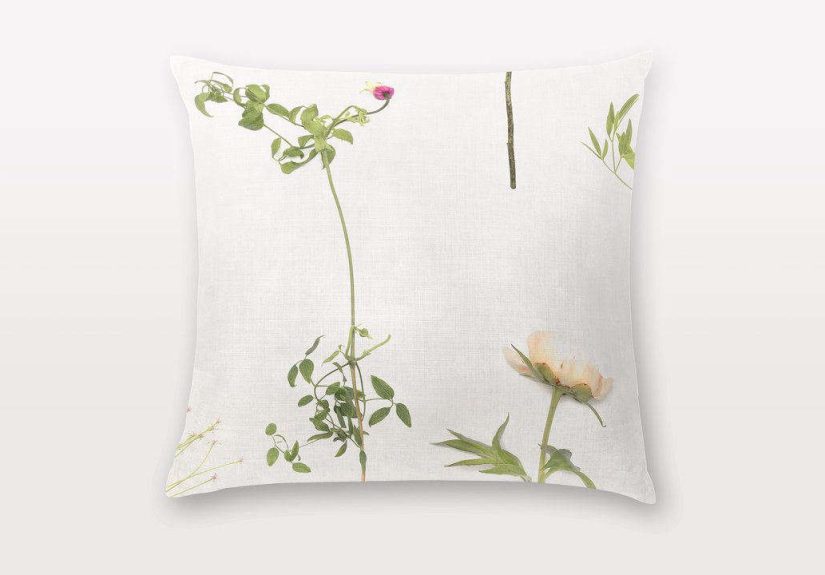
Studio Cope’s pillows are decorative pillows made with art-forward patterns developed as part of broader collections
that often include wallpaper and fabric. That matters because the pillows don’t feel like an afterthoughtthey feel
like a “final brushstroke” that ties a room together. Instead of chasing micro-trends (the short, chaotic life cycle
of the “mustard bouclé moment,” for example), the patterns lean into timeless design principles: balance, movement,
contrast, and color relationships that feel intentional.
In practical terms, Studio Cope pillows tend to show up in design-minded homes for three reasons:
- They act like art (the pattern has enough presence to anchor a seating area).
- They’re made to be used (with quality textiles and inserts that don’t instantly pancake).
- They play well with others (neutral sofas, vintage rugs, modern coffee tables, maximalist galleriesyou name it).
The Backstory: A Textile Line with Wallpaper DNA
Studio Cope is a textiles brand created by Nick and Rachel Copealso known for the design world’s favorite
conversation-starter: Calico Wallpaper. That heritage shows up in the pillow designs, which often feel like
fragments of larger environments. Think landscapes and gestures, not tiny repeating motifs that scream “mass-market.”
Early press around the line framed it as an expansion from wall coverings into textiles and home goods, with designs
inspired by natural scenery and artistic process. Translation: these pillows weren’t born in a boardroom with a mood
board titled “Cozy, but Make It Algorithmic.” They came from an art practice.
Materials and Construction: The Details That Make the Difference
Let’s talk about what you’re actually buyingbecause a pillow can be beautiful and still disappoint you the moment
you try to “chop” it and it rebounds like a stubborn trampoline.
Fabric: Linen and Cotton/Linen Blends
Studio Cope pillows frequently use linen or cotton/linen blends. Linen is loved for good reason: it has texture,
breathes well, and naturally looks better with a little lived-in character. Some pieces are described as printed on
fine Belgian linen, and certain pillow styles specify an “oyster” cotton/linen blend with defined fiber percentages.
That fiber math matters: you get some linen’s texture and strength with cotton’s softness and everyday ease.
Print: Pattern with Depth (Not Just Color)
A lot of throw pillows rely on color alone. Studio Cope’s patterns rely on structurelayered shapes, tonal shifts,
and compositions that feel designed rather than decorated. In the Curio collection, for instance, the pillow is
described as printed on both sides, which helps it read as a fully finished object instead of a “front-only”
costume.
Insert Included: Feather/Down for Loft and Shape
Many Studio Cope pillow listings include a feather/down insert. This is huge (pun absolutely intended). Designers
routinely favor feather/down (or similar “down-like” fills) because they tend to look fuller and more sculptural on
a sofa. They also make that casual “designer chop” easierif you’re into that look. If you’re not into that look,
congratulations on your emotional stability; the pillows still benefit from the loft.
Closures and Finish: Invisible Zippers
Invisible zippers are one of those tiny details that stop a pillow from looking homemade in a bad way. You get a
clean edge, easier cover removal, and no visible hardware disrupting the pattern. Studio Cope frequently notes an
invisible zipper in product descriptions, which aligns with the brand’s polished, gallery-adjacent vibe.
Care: Dry-Clean Only (Plan Accordingly)
Studio Cope pillow pages often list dry-clean only care. That’s not unusual for higher-end printed linens and
tailored construction, but it’s worth knowing before you let a toddler, a red wine glass, and a white pillow share a
couch. (Some homes are braver than mine.)
A Quick Tour of Key Collections (and How They Feel in a Room)
Imprint: Modern Geometry with Craft History
The Imprint collection is described as inspired by the rich history of textile craft around the world, pairing earthy
tones with modern shapes. In a room, that reads as grounded and graphicperfect for neutral sofas that need a little
rhythm without going full “modern art museum gift shop.”
Curio: Tropical Energy, Without Resort-Cliché
Curio leans into far-flung travel and tropical climates, with unexpected colors and shapes meant to evoke humidity,
rainforest atmosphere, and a touch of magical realism. It’s a great option if your space needs a mood shiftlike
adding a little cinematic energywithout turning your living room into a themed restaurant.
Laurel: Nature in the City
Laurel is inspired by “glimpses of nature in the city,” including plants on windowsills and greenery appearing in
unexpected places. Visually, Laurel tends to work beautifully in urban apartments: it softens hard edges (steel,
glass, concrete) and introduces organic form without looking precious.
Aurora: A Study in Light, Color, Place, and Mood
Aurora is described as developed through research into fabric dyeing, framed as studies in the relationship between
light, color, place, and moodranging from delicate to bold. Some Aurora pillow listings also specify multiple size
options (including square and lumbar proportions), which makes Aurora especially useful for building a layered pillow
arrangement that feels intentional rather than random.
How to Style Studio Cope Pillows Without Overthinking It
Styling pillows is where many people accidentally create either (1) a sterile showroom, or (2) a chaotic pile of
mismatched cushions that looks like the sofa is hoarding. Studio Cope’s patterns are strong, so you don’t need many.
The goal is to let the print do the work.
The “Corners Rule” Setup (Easy, Clean, Designer-Loved)
A simple approach recommended by many designers is to concentrate pillows at the corners of a couch rather than
lining them across the entire seat. For a standard sofa, that usually means two pillows per sideone larger in the
back, one smaller (or a lumbar) in front. This keeps seating usable and avoids the dreaded “where do I put these
before I sit down?” routine.
Use Odd Numbers (Yes, It’s a Thing)
Odd-number groupings often feel more natural and less formal. If you want a fuller look, go with three pillows on a
smaller sofa (two larger plus one accent), or five on a larger sofa (two on each side plus one lumbar in the center).
The key is not the number itselfit’s the sense of balance.
Mix Shape, Not Just Pattern
Designers often recommend varying pillow shapes and sizes: larger squares at the ends, smaller shapes toward the
center, and a lumbar to break up the geometry. Studio Cope’s availability of both square and lumbar-like dimensions
in some collections makes this easy. A quick formula:
- Back layer: 24″ x 24″ squares (or similarly substantial pillows) for structure.
- Front layer: 18″ x 18″ squares for contrast and depth.
- Anchor piece: a 24″ x 14″ lumbar to create a tailored “final line.”
Color Strategy: Let One Pillow Be the Lead Singer
Studio Cope prints can be the star. If you’re using a bolder pattern like Curio, pair it with solids or subtle
textureslinen, velvet, a nubby weaveso the room feels curated rather than competitive. If you’re using a more muted
piece, you can introduce another pattern (like a stripe or a tiny geometric) without clashing.
Buying Tips: Sizes, Inserts, and the “Full Pillow” Look
Choose the Right Size for the Furniture
Scale matters. A deep, modern sofa can handle larger pillows (like 24″ squares) without looking swallowed. A smaller
loveseat will look better with a tighter arrangement (like 18″ squares plus a lumbar). A common mistake is choosing
pillows that are too small, which reads more “waiting room” than “designed home.”
Consider Oversizing Inserts (If You Use Separate Inserts)
If you ever buy covers separately (or swap covers seasonally), many designers recommend choosing an insert that’s 1–2
inches larger than the cover for a fuller, more structured look. Studio Cope often includes inserts with the pillow,
but the principle is still useful if you’re mixing in other pillows.
Feather/Down vs. Alternatives
Feather/down tends to offer the best “loft + sculptability” combination for decorative pillows. Down alternatives can
be great for allergies or easier care, but some look puffier in a uniform way (less tailored, more marshmallow).
If your room leans crisp and architectural, feather/down helps pillows look intentionally shaped rather than
accidentally inflated.
Where Studio Cope Pillows Work Best
Because the patterns are art-driven, Studio Cope pillows can function like a bridge between styles:
- Minimalist rooms: One bold pillow adds focal interest without adding clutter.
- Eclectic spaces: The print can connect varied materialswood, metal, vintage textilesinto one story.
- Coastal-ish interiors: Linen texture and nature-inspired palettes feel right at home without going “nautical.”
- Modern apartments: Organic shapes soften hard lines and introduce warmth.
Care, Longevity, and Keeping Them Looking “New-Enough”
If your pillows are dry-clean only, treat them like you would a nice coat: keep them away from the mess when
possible, and clean them the right way when life inevitably happens. A few habits help:
- Rotate regularly: Swap sides and flip orientations so wear and sunlight don’t concentrate in one spot.
- Fluff with intention: A quick daily shake keeps feather/down inserts from settling unevenly.
- Spot emergencies: Blot quickly (don’t rub), and handle stains before they set.
- Seasonal edits: Store off-season pillows in breathable bags so natural fibers don’t trap moisture.
Are Studio Cope Pillows “Worth It”?
Value depends on what you expect a throw pillow to do. If you want the cheapest way to add color, there are plenty
of options. Studio Cope is for a different job: elevating a room with pattern that reads like artwork, built on
quality textiles and thoughtful construction.
A helpful way to think about it: a sofa is a giant visual surface. A pillow with strong design can act like a small,
moveable piece of artone you can shift from living room to bedroom, swap seasonally, or use to tie together other
elements (rug colors, wall art, ceramics). If you’re building a home that feels personal and intentional, a few
high-impact pillows often outperform a dozen forgettable ones.
Extra: of “Real-World” Experiences with Studio Cope–Style Pillows
Picture this: your living room is doing finenothing’s actively wrongbut it also isn’t saying anything. The sofa is
neutral (because you are practical), the rug is safe (because you are responsible), and the coffee table is giving
“IKEA plus one interesting book” (because you are trying). Then a Studio Cope pillow shows up and suddenly the room
has a point of view.
The first noticeable “experience” with a design-forward pillow is how quickly it changes the room’s temperaturevisually.
A print from a collection like Curio can make a space feel more alive, like someone turned on the music in the
background. People tend to underestimate this: they think the difference between “fine” and “wow” requires new
furniture. Often it just requires one strong pattern placed where your eye naturally lands.
The second experience is surprisingly tactile. Linen and cotton/linen blends don’t feel slick or synthetic; they
feel like real cloth. That sounds obvious until you’ve lived with pillows that feel like they were laminated for
protection. Natural textiles also age better. They relax over time instead of breaking down into sad, shiny patches.
If you’re the type who actually uses the couch (as opposed to protecting it for the museum that will one day acquire
it), that matters.
Then there’s the “styling without trying” effect. When the print has enough structurelayered shapes, balanced color,
intentional compositionyou can pair it with almost anything and it still looks considered. A common scenario: you
add one bold pillow, then you realize your other pillows are… not invited to the new era. So you edit. You keep one
textured neutral, add one complementary solid, and suddenly the sofa looks styled. Not stuffed. Styled.
Another real-world moment is seasonal swapping. In warmer months, linen-forward pillows feel breezy and light even in
deeper tones. In colder months, the same pillow can read cozier when you add a chunky throw or a velvet accent. The
pillow didn’t changeyou did. And that’s the point: a strong pillow doesn’t lock you into one look; it gives you a
versatile anchor you can remix.
Finally, there’s the social experience: people comment on them. Not in a “where did you get that?” way that feels
transactional, but in a “this room feels good” way that’s hard to pin on one objectexcept you know it’s the pillow.
Because the pillow is doing what great design always does: it makes a space feel intentional, expressive, and lived
inwithout needing a giant neon sign that says “I hired an interior designer.” (Unless you did. In which case, let
the pillow take some credit anyway.)
Conclusion
Studio Cope’s pillows are a strong choice if you want decorative pillows that behave like art: pattern-led, rooted in
process, and made with materials that look and feel elevated. Whether you’re building a calm, minimal space that
needs one bold gesture, or an eclectic room that needs a unifying thread, these pillows can do more than “add color.”
They add intention. And honestly, your sofa deserves that.