Table of Contents >> Show >> Hide
- Why Nonperishables Matter When You Have Diabetes
- The “Diabetes-Friendly Pantry” Rules (No Math Degree Required)
- Best Nonperishable Foods for People with Diabetes
- Beans, lentils, and chickpeas (the pantry MVPs)
- Canned fish and shelf-stable proteins (fast, filling, low drama)
- Vegetables that don’t die in your pantry
- Fruits that won’t spike you (if you choose wisely)
- Whole grains and “smart carbs”
- Healthy fats that keep you satisfied
- Flavor makers that rescue you from “sad diet food”
- Soup, chili, and “I can’t cook tonight” backups
- Label Reading: The 30-Second Grocery Store Superpower
- 7 Diabetes-Friendly Nonperishable Meal Ideas (That Don’t Feel Like a Spreadsheet)
- Building a “Just-in-Case” Diabetes Pantry Kit
- Storage and Safety: Best-By Dates Aren’t a Countdown to Doom
- Conclusion: A Pantry That Works With Your Blood Sugar
- Experiences Related to Diabetes-Friendly Nonperishables (Real-Life Scenarios)
A well-stocked pantry is basically adult insurance. Not the boring kind with paperworkthe kind that saves you
from ordering a “mystery carb bowl” when you’re tired, busy, broke, or the weather is doing its best villain
impression. If you’re living with diabetes, shelf-stable foods can be more than convenient: they can help you
keep blood sugar steadier, avoid last-minute food decisions, and build meals that don’t feel like punishment.
This guide walks through diabetes-friendly nonperishables (aka pantry staples that won’t betray you at 10 p.m.),
how to read labels fast, and how to turn “I have beans” into an actual meal you’d willingly eat again.
Why Nonperishables Matter When You Have Diabetes
Diabetes management isn’t just about what you eatit’s also about consistency. When meals swing from
“balanced dinner” to “cracker confetti,” blood glucose can swing right along with them. A pantry stocked with
smart nonperishables helps you:
- Make predictable meals (steady carbs + protein + fiber = fewer surprises).
- Reduce decision fatigue (your brain is not a 24/7 meal-planning app).
- Stay prepared for storms, travel days, sick days, and “I forgot to grocery shop” days.
- Save money while still eating in a blood-sugar-friendly way.
The “Diabetes-Friendly Pantry” Rules (No Math Degree Required)
1) Carbs: count them, don’t fear them
Carbohydrates affect blood glucose the most, but you don’t need to banish them like a reality-show villain.
The goal is to pick quality carbs (fiber-rich, less processed) and keep portions consistent.
Many people use carb counting or simple plate-planning methods to stay on track.
2) Fiber + protein = slower, steadier energy
Fiber can slow digestion and blunt glucose spikes. Pairing carbs with protein and healthy fat also helps you feel
full longerbecause nobody wants to be hungry 12 minutes after lunch.
3) Watch added sugars and sodium (the sneaky duo)
Shelf-stable foods are convenient, but packaged foods can pack in added sugar and sodium. For people with diabetes,
heart health matters, tooso it’s worth choosing lower-sodium options when you can and keeping an eye on added sugars.
4) Portion reality check: “Serving size” is not a suggestion
Label serving sizes can be surprisingly tiny. If you eat two servings (very human!), you’re also getting two
servings of carbs, sodium, and calories. Knowing this is half the battle.
Best Nonperishable Foods for People with Diabetes
Here’s the good news: diabetes-friendly nonperishables are not limited to “plain nuts and sadness.” You can build a
pantry that supports blood sugar and tastes like real life.
Beans, lentils, and chickpeas (the pantry MVPs)
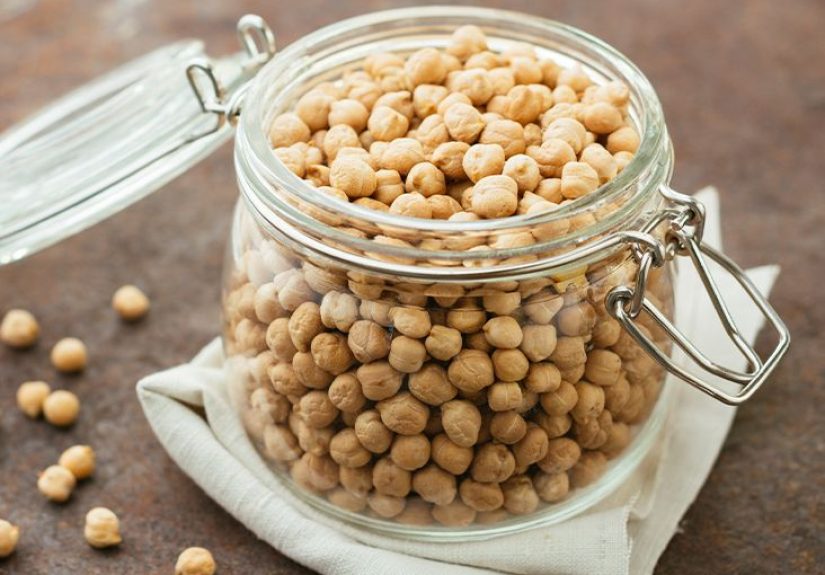
Beans and lentils are high in fiber and plant protein, making them a strong choice for steady energy. Keep both:
dried (cheap, lasts ages) and canned (fast, convenient).
- Best picks: black beans, kidney beans, chickpeas, lentils, split peas, cannellini beans.
- Smart labels: “no salt added” or “low sodium” when possible.
- Pro move: drain and rinse canned beans to reduce sodium.
Easy meal idea: chickpeas + canned diced tomatoes + spices = quick stew. Add tuna or chicken for extra protein,
or serve over a small portion of brown rice or quinoa.
Canned fish and shelf-stable proteins (fast, filling, low drama)
Protein helps balance carbohydrate-containing meals. Shelf-stable protein options can be a lifesaver on busy days.
- Canned fish: tuna, salmon, sardines (often rich in omega-3 fats).
- Canned poultry: chicken or turkey (choose lower sodium if available).
- Shelf-stable tofu: available in some stores; check the “aseptic” packaging aisle.
- Jerky: convenient, but often high sodiumchoose lower-sodium versions and treat it as a snack, not a meal base.
Easy meal idea: tuna + white beans + olive oil + vinegar + herbs = a “pantry salad” that feels fancy enough
to justify using a real fork.
Vegetables that don’t die in your pantry
Non-starchy vegetables are a diabetes-friendly cornerstone, and canned options can absolutely count.
- Best picks: green beans, carrots, spinach, mushrooms, pumpkin, beets, mixed vegetables.
- Tomatoes: canned diced tomatoes, crushed tomatoes, and tomato paste are versatilelook for no-salt-added versions.
- Soups & sauces: choose options with lower sodium and minimal added sugar.
Easy meal idea: canned veggies + lentils + broth + spices = quick soup. Add canned chicken for extra protein.
Fruits that won’t spike you (if you choose wisely)
Fruit can fit into diabetes-friendly eating, but shelf-stable fruit choices vary wildly.
- Best picks: fruit canned in water or its own juice (not syrup), unsweetened applesauce.
- Dried fruit: portable, but concentratedstick to small portions and pair with nuts or peanut butter.
- Fruit cups: choose “no sugar added” when possible.
Easy snack idea: unsweetened applesauce + cinnamon + a spoon of peanut butter = dessert vibes with better balance.
Whole grains and “smart carbs”
Whole grains can be great “quality carbs” because they tend to provide more fiber and nutrients. They still count as carbs,
so portion is key.
- Oats: rolled oats or steel-cut oats (skip the sugary flavored packets).
- Brown rice, quinoa, barley: pantry-friendly bases for bowls and soups.
- Whole-wheat pasta: a practical swap that adds more fiber than refined pasta.
- Popcorn kernels: a whole grain snack when you control the butter-and-salt situation.
Easy meal idea: oatmeal cooked with cinnamon + chia seeds + a handful of nuts. If you want sweetness, use berries
(fresh/frozen when available) or a small amount of fruit canned in juice.
Healthy fats that keep you satisfied
Fat doesn’t raise blood glucose directly, but it can help with fullness. (And it makes pantry food taste like food.)
The trick is portion awareness.
- Nuts & seeds: almonds, walnuts, pistachios, chia, flax, pumpkin seeds.
- Nut butters: peanut, almond, sunflower seed butterlook for minimal ingredients (nuts + salt is ideal).
- Oils: olive oil, avocado oilstore away from heat and light.
Flavor makers that rescue you from “sad diet food”
Flavor is not optional. If your pantry meals taste bland, you’ll stop eating themthen you’re back to emergency takeout.
Stock shelf-stable flavor boosters:
- Spices & herbs: garlic powder, cumin, smoked paprika, oregano, chili flakes, curry blends.
- Acid: vinegar, lemon juice (bottled), lime juice.
- Condiments: mustard, salsa, hot sauce (watch added sugar and sodium).
Soup, chili, and “I can’t cook tonight” backups
Ready-to-eat foods can workchoose wisely and upgrade them with pantry add-ons.
- Look for: lower-sodium soups, bean-based chili, broths with simpler ingredients.
- Upgrade trick: add canned veggies or beans to stretch the meal and improve fiber.
- Watch-outs: creamy soups (often higher saturated fat), “sweet” sauces, and very salty broths.
Label Reading: The 30-Second Grocery Store Superpower
You don’t have to read every ingredient like it’s a mystery novel. Here’s a quick label routine that works especially well
for shelf-stable foods:
- Serving size: ask, “How much will I actually eat?”
- Total carbohydrates: this number includes starch, sugar, and fiberuse it for carb counting.
- Fiber: more fiber is usually a win for blood sugar steadiness and fullness.
- Added sugars: aim lower when possible; compare products side-by-side.
- Sodium: especially important for canned soups, sauces, and proteins.
- Protein: helps balance carb-containing foods.
Practical shortcut: when choosing between similar items (two tomato sauces, two soups, two cereals),
pick the one with less added sugar and less sodium, and ideally more fiber.
7 Diabetes-Friendly Nonperishable Meal Ideas (That Don’t Feel Like a Spreadsheet)
- Bean & tuna salad: canned tuna + cannellini beans + olive oil + vinegar + pepper + herbs.
- Quick lentil soup: lentils + canned tomatoes + broth + spices + canned spinach.
- Chili upgrade: lower-sodium chili + extra black beans + canned mushrooms and peppers.
- Pantry “grain bowl”: quinoa + chickpeas + canned veggies + salsa + pumpkin seeds.
- Oatmeal power breakfast: oats + chia + cinnamon + nuts (and optional fruit in juice, small portion).
- Salmon tomato pasta: whole-wheat pasta + canned salmon + canned diced tomatoes + garlic + oregano.
- Snack plate: nuts + unsweetened applesauce + whole-grain crackers (measured portion).
Building a “Just-in-Case” Diabetes Pantry Kit
If you want to be truly prepared, build a small “kit” within your pantryespecially useful for storms, travel, or power outages.
Consider:
- Balanced meal basics: canned beans, canned fish/chicken, canned vegetables, whole grains, nuts.
- Low blood sugar treatment: glucose tablets/gel or shelf-stable juice boxes (follow your care plan).
- Hydration helpers: water and (if recommended by your clinician) electrolyte options without added sugar.
- Tools: manual can opener, measuring cups, and a small container set for portioning.
If you use insulin or medications that can cause hypoglycemia, ask your healthcare team what to keep on hand and how much.
“Prepared” should feel calmingnot stressful.
Storage and Safety: Best-By Dates Aren’t a Countdown to Doom
Many “best by” dates are about quality, not safety. Pantry food can last a long time when stored properlycool, dry, and away from
heat. Still, safety matters:
- Discard cans that are bulging, leaking, badly rusted, or deeply dented.
- Rotate stock using “first in, first out” so older items get used first.
- Know the pattern: high-acid canned foods (like tomatoes and many fruits) keep peak quality for a shorter time than low-acid foods.
When in doubt: if it smells off, looks strange, or the container is compromised, toss it. Your pantry is not a place for bravery.
Conclusion: A Pantry That Works With Your Blood Sugar
“Alimentos no perecederos para personas con diabetes” isn’t about hoarding a basement full of random cansit’s about building a
smart, realistic pantry you can actually use. Focus on fiber-rich staples (beans, lentils, whole grains), reliable proteins
(canned fish and poultry), and vegetables and flavor boosters that make meals satisfying. Read labels with purpose:
serving size, total carbs, fiber, added sugars, and sodium.
Do that consistently, and your pantry becomes a tool for steadier dayswhether you’re meal-prepping like a champion or just trying
to get dinner on the table before you start eating peanut butter with a spoon. (No judgment. Just… measure the spoon.)
Experiences Related to Diabetes-Friendly Nonperishables (Real-Life Scenarios)
The most useful pantry advice is the kind that survives real lifetight schedules, tight budgets, and the occasional week where your
motivation is somewhere under the couch with the missing TV remote. Below are common, experience-based scenarios people often describe
when they build a diabetes-friendly pantry. These are composite stories meant to feel familiar and practical.
Scenario 1: The “Work Week Ambush”
Someone starts Monday with good intentions and ends Wednesday eating whatever is closest. The turning point is usually a pantry that’s
too snack-heavy and not meal-ready. What helps is swapping “ingredients without a plan” for quick combinations: canned beans + canned
tomatoes + spices; tuna + white beans + vinegar; soup + extra veggies. The experience here is that the pantry works best when it’s
built around complete meals, not just random “healthy items.” A single can of beans feels boringuntil it has a partner.
Scenario 2: Budget Month, No Panic
When money is tight, people often default to cheap refined carbs because they’re filling and familiar. A diabetes-friendly pantry can
still be budget-friendly if the staples are doing double duty: dried beans and lentils are inexpensive, last a long time, and stretch
meals. Whole grains like oats and brown rice can be used in breakfast, bowls, and soups. One common “aha” moment is learning that
portion control doesn’t mean tiny mealsit means building volume with vegetables and fiber so you feel satisfied without relying on
huge carb portions.
Scenario 3: The “Storm Week” or Emergency Run
During storms or unexpected disruptions, people quickly learn the difference between “food” and “food that supports my blood sugar.”
A pantry full of instant noodles and sweet snacks can leave you feeling hungry and spiky at the same time (a rude combo). What people
report works best is having a small emergency kit inside the pantry: shelf-stable proteins, low-sodium soups, beans, whole grains, plus
a clear plan for treating lows if they happen. The emotional benefit is real: when you know you have reliable options, you feel less
anxiousand stress itself can affect blood glucose.
Scenario 4: The Label-Learning Phase (aka “Wait, This Has HOW Much Sugar?”)
Many people remember the first time they compared two “healthy-looking” shelf-stable foodslike granola or pasta sauceand realized
the added sugar and sodium can vary wildly. The experience-based takeaway is that label reading becomes easier when you focus on the
same few numbers every time: serving size, total carbs, fiber, added sugars, sodium. After a few shopping trips, it stops feeling like
homework and starts feeling like a superpower. You don’t need perfectionjust better defaults.
Scenario 5: Making Pantry Food Taste Like “Real Food”
A common complaint is that diabetes-friendly eating feels bland. The “fix” people stick with long-term is building a flavor section:
spices, vinegars, mustards, salsa, hot sauce, garlic, herbsthings that create variety without adding a ton of sugar. Once pantry meals
taste good, consistency gets easier, and consistency is where the wins happen.