Table of Contents >> Show >> Hide
- What Makes a U-Shaped Kitchen Layout Special?
- 27 Ideas for a U-Shaped Kitchen Layout
- 1. Dial in the Classic Kitchen Work Triangle
- 2. Balance the Three Sides of the “U”
- 3. Add a Peninsula for Extra Function
- 4. Turn One Side into a Breakfast Bar
- 5. Use an Island in Larger U-Shaped Kitchens
- 6. Choose Light Colors to Prevent a “Cabinet Cave”
- 7. Mix Open Shelves with Closed Storage
- 8. Create a Focal Point on the Back Wall
- 9. Center the Sink Under a Window
- 10. Use Corner Solutions to Avoid Dead Space
- 11. Install a Tall Wall of Storage
- 12. Keep Traffic Out of the Work Zone
- 13. Try a U-Shaped Peninsula Kitchen
- 14. Define the Space with Rugs or Flooring
- 15. Use Layered Lighting to Brighten Every Corner
- 16. Go Vertical with Storage
- 17. Create Separate Prep, Cooking, and Cleanup Zones
- 18. Add a Coffee or Beverage Station
- 19. Incorporate Glass-Front or Open Upper Cabinets
- 20. Play with Two-Tone Cabinetry
- 21. Use Slim or Half-Depth Cabinets Where Needed
- 22. Hide Appliances for a Seamless Look
- 23. Add Smart Organization Inside Drawers
- 24. Consider a Round or Oval Table Nearby
- 25. Use Backsplash and Hardware to Add Personality
- 26. Keep Clutter Off the “Center Stage” Counter
- 27. Think About Future Flexibility
- Extra Tips for Different Kitchen Sizes
- Real-Life Experiences and Lessons from U-Shaped Kitchens
- Plan for How You Really Cook (Not How You Think You Cook)
- Don’t Underestimate Corner Access
- Circulation Space Can Make or Break the Layout
- Peninsulas Are Social MagnetsUse That to Your Advantage
- Lighting Changes How the U Feels All Day
- Organization Is an Ongoing Process, Not a One-Time Project
- Give Yourself a “Landing Zone” Outside the U
If your kitchen looks a bit like a horseshoe and you’re constantly bumping into family members, congratsyou probably have a U-shaped kitchen layout. The good news? This is one of the most efficient, storage-friendly kitchen layouts out there when it’s designed well. The tricky part is avoiding that “cabinet cave” feeling and making sure the space works for cooking, gathering, and daily life.
In this guide, we’ll walk through 27 smart U-shaped kitchen ideas drawn from real design advice and common layouts used by kitchen pros, from work-triangle tweaks to peninsula seating and clever storage. Whether your U is tiny and tucked into an apartment or sprawling and open concept, you’ll find ideas you can actually use.
What Makes a U-Shaped Kitchen Layout Special?
A U-shaped kitchen layout typically wraps cabinets, countertops, and appliances around three sides of the room, creating a “U” with one open end. This naturally sets up a compact work triangle between the sink, cooktop, and refrigerator, minimizing steps and making cooking more efficient. Designers love it because it offers:
- Generous counter space on three sides
- Plenty of base and wall cabinet storage
- Natural zoning for prep, cooking, and cleanup
- Options for adding peninsulas, breakfast bars, or even islands in larger rooms
The flip side? All those cabinets and corners can feel crowded or dated without some thoughtful planning. That’s where these 27 ideas come in.
27 Ideas for a U-Shaped Kitchen Layout
1. Dial in the Classic Kitchen Work Triangle
Start with the basics: place your sink, stove, and refrigerator so they form a triangle with no leg blocked by an island or door swing. In most U-shaped kitchens, the sink sits on the center wall, with the range on one side and the fridge on the other. This keeps everything within a few steps while preventing traffic jams in front of key appliances.
2. Balance the Three Sides of the “U”
Instead of loading all tall cabinets and appliances on one wall, distribute visual weight. For example, put the fridge on one leg, tall pantry cabinets on another, and leave the center wall more open with a window or backsplash feature. This keeps the room from feeling lopsided or boxed in.
3. Add a Peninsula for Extra Function
If there’s no room for an island, a peninsula can extend one arm of the U-shaped kitchen into the adjoining room. Use it as a breakfast bar, serving counter, or drop zone for bags and mail. Just be sure to keep at least 42 inches of clearance between the peninsula and the opposite cabinets so people can move freely.
4. Turn One Side into a Breakfast Bar
Overhang the countertop on the “open” arm of the U and tuck a few stools underneath. This creates instant casual seating without the footprint of a full dining table. It’s ideal for kids doing homework while you cook or for quick weekday breakfasts.
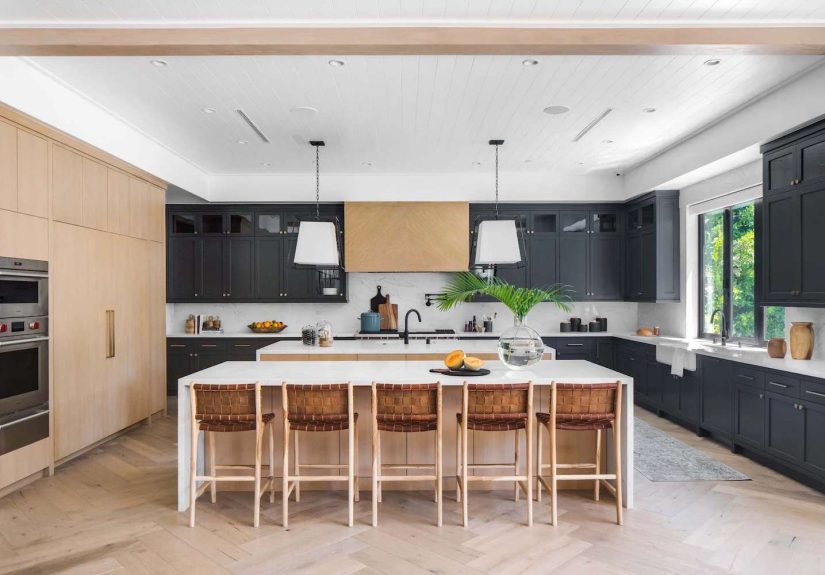
5. Use an Island in Larger U-Shaped Kitchens
In bigger rooms, you can place an island in the center of the U-shaped layout. Use it for prep, baking, or even as a dedicated beverage station. Just remember: you’ll want at least 42–48 inches of walking space on all sides so doors and drawers can open comfortably and cooks can move around each other.
6. Choose Light Colors to Prevent a “Cabinet Cave”
Because U-shaped kitchens wrap around you, dark finishes on every surface can make the room feel like a tunnel. To keep things airy, many designers recommend light cabinetry, pale countertops, or a bright backsplash, especially in smaller spaces. If you love darker colors, try them on the base cabinets only and keep upper cabinets or walls lighter.
7. Mix Open Shelves with Closed Storage
Swapping a run of upper cabinets for open shelving breaks up solid walls of doors and adds personality. Use open shelves for everyday dishes, glassware, or pretty accessories, and keep less attractive items behind closed doors. This simple tweak goes a long way toward making a U-shaped kitchen feel less heavy.
8. Create a Focal Point on the Back Wall
Since your eye naturally lands on the center of the U, this is prime real estate for a focal point. Think a striking range hood, a slab backsplash, patterned tile, or a large window with a view. When the far wall is beautiful, the entire layout feels intentional instead of purely functional.
9. Center the Sink Under a Window
If there’s a window on the back wall, placing the sink underneath it is a classic move. It creates a natural “command center” with views outside and allows daylight to flood the heart of the U. This is especially helpful in narrow U-shaped kitchens where artificial lighting alone can feel harsh.
10. Use Corner Solutions to Avoid Dead Space
U-shaped layouts come with multiple inside corners, and leaving them as basic shelves often leads to awkward, unused zones. Upgrade with lazy Susan units, swing-out shelves, or pull-out corner drawers so pots, pans, and small appliances are easy to access. The more usable your corners, the less cluttered your countertops will be.
11. Install a Tall Wall of Storage
Dedicate one side of the U to full-height storage: pantry cabinets, appliance garages, oven towers, or broom closets. This “storage wall” keeps bulky items and small appliances tucked away and helps reduce visual noise. Balance it with lower cabinets and open wall space on the other sides.
12. Keep Traffic Out of the Work Zone
One of the perks of a U-shaped layout is that it can separate the cook’s zone from the main walkway. If possible, avoid running a major traffic path right through the middle of the U. Place doorways, the fridge, or snack zones at the edges so kids and guests can grab what they need without crossing the hot zone.
13. Try a U-Shaped Peninsula Kitchen
In open-concept homes, you can create a U shape by wrapping cabinets along two walls and then using a peninsula instead of a third wall. This gives you the efficiency of a U-shaped layout while keeping sightlines open to the living or dining area. The peninsula can double as a serving counter or bar when entertaining.
14. Define the Space with Rugs or Flooring
In larger, open spaces, a rug or a change in flooring can visually define the U-shaped kitchen. For example, wood flooring throughout the living area can transition to tile inside the U. A washable runner along the center aisle can also soften the look and add color without getting in the way of cabinets and appliances.
15. Use Layered Lighting to Brighten Every Corner
Because U-shaped kitchens wrap around you, good lighting is non-negotiable. Combine recessed ceiling lights with under-cabinet lighting to prevent shadows on the countertops. Add pendant lights over a peninsula or island for both task and ambiance. In smaller kitchens, reflective surfaces like glossy tiles or metallic fixtures help bounce light around.
16. Go Vertical with Storage
When floor space is fixed, height is your friend. Extend wall cabinets closer to the ceiling for extra storage or add a second row of small upper cabinets for seasonal items. In more casual spaces, tall open shelving or pot racks can make use of vertical space and draw the eye up, making the room feel larger.
17. Create Separate Prep, Cooking, and Cleanup Zones
Think of each arm of the U as a zone. You might dedicate one side to prep (with cutting boards, knives, and mixing bowls), the back wall to cooking (range and oven), and the third side to cleanup (sink and dishwasher). Storing tools near where you use them turns the U shape into a highly efficient workstation instead of a random cabinet maze.
18. Add a Coffee or Beverage Station
If you have an unused corner or a short run of counter at the end of the U, turn it into a beverage station. Park your coffee maker, mugs, and tea supplies here, or set up a wine fridge and glassware. This keeps morning traffic and party guests away from the main cooking zone.
19. Incorporate Glass-Front or Open Upper Cabinets
To prevent walls of cabinetry from feeling too heavy, use glass-front doors on a few upper cabinets. They visually break up the mass and give you a place to display dishes or favorite pieces. Just keep what’s behind the glass tidyno one needs to see the “mystery Tupperware” collection.
20. Play with Two-Tone Cabinetry
Color-blocking works incredibly well in a U-shaped layout. Try darker cabinets on the base units with lighter uppers, or paint the peninsula a different color from the rest of the kitchen. This trick adds depth and helps define different functional areas without changing the footprint.
21. Use Slim or Half-Depth Cabinets Where Needed
If your kitchen is narrow, consider using shallow cabinets along one side of the U. Half-depth cabinets still offer storage for plates, glasses, or pantry items but free up valuable floor space. This can turn a tight corridor into a comfortable aisle without sacrificing functionality.
22. Hide Appliances for a Seamless Look
Panel-ready dishwashers and refrigerators that match your cabinetry can streamline a long U-shaped kitchen. When large appliances don’t visually “shout,” the space feels calmer and more cohesive. This is especially effective in open-concept homes where the kitchen is visible from the living area.
23. Add Smart Organization Inside Drawers
Because U-shaped kitchens often have lots of drawers and cabinets, interior organization makes a big difference. Add dividers for utensils, pull-outs for spices, tray organizers for baking sheets, and deep drawers for pots and pans. When everything has a home, you’re less likely to clutter up that generous counter space.
24. Consider a Round or Oval Table Nearby
If your U-shaped kitchen opens into a dining area, a round table can help soften the strong lines of the layout and improve flow. People can slide around a round table more easily, which is handy when the kitchen and dining zones share circulation space.
25. Use Backsplash and Hardware to Add Personality
U-shaped kitchens have lots of surface area, which means your backsplash and hardware really matter. A patterned tile, bold grout, or distinctive cabinet pulls can give the room character without changing the layout. If you like to update your space often, keep main finishes neutral and have fun with easily swapped elements like hardware, art, and bar stools.
26. Keep Clutter Off the “Center Stage” Counter
The countertop on the back wall of the U is usually the visual star. To keep the kitchen feeling clean and spacious, try to keep this surface as clear as possible. Store small appliances in an appliance garage or pantry and reserve the main counter for daily cooking and a few well-chosen accessories.
27. Think About Future Flexibility
Good U-shaped kitchen design isn’t just about how you live todayit’s also about tomorrow. Consider leaving space to swap in larger appliances, upgrade to double ovens, or add a small island later. Flexible lighting (like dimmers), standard-size cabinet openings, and neutral finishes make future updates easier and more budget-friendly.
Extra Tips for Different Kitchen Sizes
Small U-Shaped Kitchens
- Prioritize light colors and reflective surfaces to open up the space.
- Use open shelving or glass doors instead of solid uppers on every wall.
- Skip the island: a slim peninsula or fold-down counter is usually more realistic.
- Rely on built-in storage solutions so countertops don’t become the overflow zone.
Large or Open-Concept U-Shaped Kitchens
- Add an island or a generous peninsula to create social seating and extra prep space.
- Use lighting and flooring changes to define the kitchen zone within a bigger room.
- Play with contrasting finishes on the island or peninsula to create a focal point.
- Consider double work triangles if you have two cooks who regularly share the kitchen.
Real-Life Experiences and Lessons from U-Shaped Kitchens
The best U-shaped kitchen ideas often come from people actually living with this layout day in and day out. Here are some practical takeaways and “wish I’d known that sooner” lessons that can help you get it right the first time.
Plan for How You Really Cook (Not How You Think You Cook)
Homeowners often design their dream kitchen around aspirational cooking habitsthink homemade pasta every weekendonly to realize they mostly reheat leftovers and make coffee. Before finalizing your U-shaped layout, pay attention to your routines for a week or two. Do you chop vegetables at the sink? Do you bake frequently? Are you constantly reaching for the spice rack? Designing the U around real habits leads to a kitchen that feels “just right” instead of over-designed.
Don’t Underestimate Corner Access
One common regret in U-shaped kitchens is skimping on corner hardware to save money. At first, basic shelves in those deep corners seem fine. After a few months of crouching and reaching into dark spaces, many people wish they’d invested in lazy Susans or pull-out corner systems. If your budget allows, this is one upgrade that directly affects day-to-day comfort.
Circulation Space Can Make or Break the Layout
Another lesson from real kitchens: leave enough aisle space for two people to pass without awkward sideways shuffles. Designers often recommend at least 42 inches of clearance between opposite counters (and 48 inches if one side has seating). Families with kids or pets especially appreciate a layout where someone can open the fridge while another person is at the sink without collisions.
Peninsulas Are Social MagnetsUse That to Your Advantage
Many homeowners with U-shaped kitchens report that the peninsula becomes the unofficial “hangout zone.” Guests perch on stools, kids do homework, and snacks land there before they ever reach the table. If you’re including a peninsula, plan for it to do triple duty: add outlets for charging devices, choose durable materials that can handle crayons and laptops, and consider a slightly raised ledge if you’d like to shield prep mess from view.
Lighting Changes How the U Feels All Day
U-shaped kitchens can feel very different in the morning versus nighttime. People living with this layout often find that layered lighting is the secret weapon. For example, dimmable under-cabinet lights make late-night snack missions easier without blasting the whole room, while bright ceiling lights and pendants over the peninsula support cooking and cleaning. If you’re remodeling, wiring for multiple lighting circuits is a relatively small upgrade with big everyday benefits.
Organization Is an Ongoing Process, Not a One-Time Project
Even with great drawers and clever organizers, U-shaped kitchens tend to attract stuffextra gadgets, specialty baking tools, new mugs, you name it. Homeowners who are happiest with their layout treat organization as maintenance, not a finished task. Every few months, they edit what’s in the cabinets, relocate rarely used items to a pantry or storage area, and reclaim counter space. The U layout gives you plenty of storage; your job is to make sure that storage serves your current lifestyle.
Give Yourself a “Landing Zone” Outside the U
One smart move many people discover over time is creating a small landing zone just outside the U-shaped layout. This might be a narrow console table, a wall shelf with hooks, or a small cabinet near the entrance to the kitchen. It’s where keys, bags, and mail go instead of piling up on your prime countertops. That tiny bit of planning keeps your U-shaped kitchen focused on cooking and gathering instead of becoming the universal dumping ground.
When you combine efficient layout principles with real-life habits and a little personality, a U-shaped kitchen can feel like the hardworking heart of your home. The shape itself gives you the bones; these ideas and lessons help you flesh out a space that’s bright, welcoming, and surprisingly fun to cook in.