Table of Contents >> Show >> Hide
- What Great Kitchen Makeovers Have in Common
- 33 Before-and-After Kitchen Makeovers
- Fast, Budget-Friendly Wins (1–11)
- 1) The Cabinet Color Reset
- 2) Hardware: The Tiny Upgrade With Main-Character Energy
- 3) The “Backsplash Band-Aid”
- 4) Under-Cabinet Lighting That Changes Your Personality
- 5) The Faucet Swap (AKA Jewelry for Your Sink)
- 6) Paint the Walls a “Cabinet-Friendly” Color
- 7) The Pantry Purge + Container Glow-Up
- 8) Replace One Ugly Light Fixture
- 9) Add a Runner + Washable Textiles
- 10) Create a “Coffee Station” Zone
- 11) Peel-and-Stick… But Make It Strategic
- Mid-Range Upgrades With Big Payoff (12–22)
- 12) Cabinet Refacing Instead of Full Replacement
- 13) The Countertop Upgrade (Quartz, Butcher Block, or Solid Surface)
- 14) One Statement Backsplash Wall
- 15) Swap the Sink for a Deep Workhorse
- 16) Add Pull-Out Trash + Recycling
- 17) The Drawer Revolution
- 18) Open ShelvingOnly Where It Helps
- 19) Upgrade the Vent Hood (Quiet + Effective)
- 20) Flooring That Matches the Rest of Your Life
- 21) Add a Real Backsplash-to-Ceiling Moment
- 22) Energy-Smart Appliance Refresh (When It Makes Sense)
- Layout-Level Transformations (23–33)
- 23) Remove the Upper Cabinets Over the Peninsula
- 24) Turn a Closed Kitchen Into a “Connected” Kitchen
- 25) The Island Upgrade (From “Nice” to “Workhorse”)
- 26) Relocate the Sink to Improve the View and Workflow
- 27) Create a True Prep Zone
- 28) Build a Pantry Wall
- 29) Add a Beverage Fridge or Second “Cold Zone”
- 30) Replace a Window or Add One (When Possible)
- 31) The “Two-Cook” Aisle Fix
- 32) Move the Range to a Better Spot
- 33) The Full “Old Kitchen, New Personality” Remodel
- How to Choose Which Makeover Fits Your Kitchen
- of Real-World Renovation Experiences (So You Don’t Lose Your Mind)
- Conclusion
If your kitchen currently gives off “sad 2006 rental listing” vibesdon’t worry. You’re not alone, and you’re not doomed.
The best before-and-after kitchen makeovers rarely start with a blank check. They start with one brave decision:
“Okay… what if we just fix the thing that makes me sigh every single day?”
This guide pulls together the most repeatable renovation moves seen across real U.S. makeoversfrom quick DIY glow-ups to
layout-level transformations. You’ll get 33 “before/after” ideas you can steal, plus practical planning lessons so your
renovation doesn’t become a season-long drama (unless you want it to).
What Great Kitchen Makeovers Have in Common
1) They solve a daily annoyance first (then they get pretty)
The most satisfying “after” photos usually hide a functional win: better lighting, clearer counters, smarter storage,
smoother traffic flow, or a layout that doesn’t force two people to do the awkward kitchen tango.
2) They upgrade the “big visual surfaces”
Cabinets, countertops, backsplash, floors, and lighting do most of the visual heavy lifting. Change one or two of these
well, and the whole room looks “new,” even if the sink stays exactly where it is.
3) They respect the work zones
Even a modest refresh gets easier when you plan around the core work centerscooking, cleaning/prep, and refrigeration
and keep major walk-through traffic from cutting straight through them. When the layout flows, the kitchen feels larger
and calmer (which is a big deal when dinner is 12 minutes away and someone just asked, “What’s for dessert?”).
4) They treat lighting like a feature, not an afterthought
Kitchens need layers: general lighting, task lighting where you actually chop and cook, and accent lighting for warmth.
Many “after” kitchens look expensive simply because they’re properly lit.
5) They plan the boring stuff early
Timelines, permit needs, lead times, and a temporary kitchen plan aren’t glamorousbut they’re the difference between
“renovation adventure” and “why are we washing dishes in the bathtub?”
33 Before-and-After Kitchen Makeovers
Fast, Budget-Friendly Wins (1–11)
1) The Cabinet Color Reset
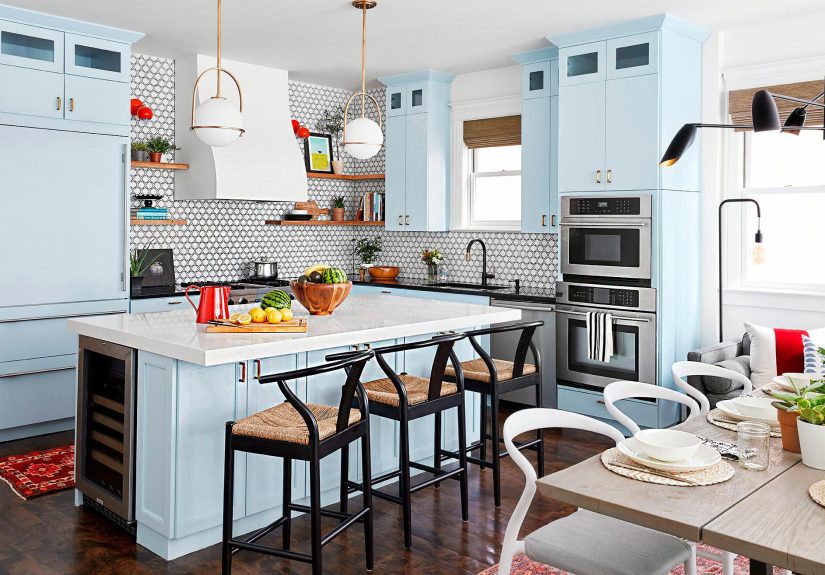
Before: Orange-toned wood or tired builder beige that makes everything look dated. After: Painted cabinets in a modern neutral (warm white, greige, muted green, navy). Why it works: Cabinets dominate your sightline; color changes rebrand the whole kitchen without moving a single pipe.
2) Hardware: The Tiny Upgrade With Main-Character Energy
Before: Shiny knobs that scream “I came free with the house.” After: Matte black, brushed nickel, or warm brass pulls with a consistent style. Why it works: Like shoes for your cabinetssuddenly the outfit makes sense.
3) The “Backsplash Band-Aid”
Before: No backsplash, stained drywall, or a chaotic mosaic you now regret. After: Simple tile (subway, zellige-look, or a clean geometric) up to the cabinets. Why it works: It adds texture, reflects light, and makes the kitchen look intentionally designed.
4) Under-Cabinet Lighting That Changes Your Personality
Before: Shadowy counters where you dice onions like a movie villain. After: LED strips or puck lights under uppers (plug-in or hardwired). Why it works: Instant “after” effect at night, plus better task visibility where it matters.
5) The Faucet Swap (AKA Jewelry for Your Sink)
Before: Short, splashy faucet with the turning radius of a shopping cart. After: Pull-down sprayer faucet in a modern finish. Why it works: It’s used constantly, photographs beautifully, and makes the sink area feel upgraded fast.
6) Paint the Walls a “Cabinet-Friendly” Color
Before: Beige that looks like it apologized for existing. After: A warmer white, soft neutral, or subtle color that complements cabinets and counters. Why it works: Walls are the background; the right shade makes cabinets and finishes look more expensive.
7) The Pantry Purge + Container Glow-Up
Before: Food avalanche waiting to happen. After: Clear bins, labels, zones (baking, snacks, breakfast), and a shelf for “tall awkward things.” Why it works: Kitchens feel “after” when clutter stops living on the counter.
8) Replace One Ugly Light Fixture
Before: A ceiling “boob light” (we said what we said). After: A flush mount with personality, or pendants over the island. Why it works: Lighting is one of the first things people notice, and it instantly modernizes the ceiling plane.
9) Add a Runner + Washable Textiles
Before: Hard floors that feel echo-y and cold. After: A durable, washable runner plus towels in a tight palette. Why it works: Soft goods bring warmth and style without committing to a full flooring project.
10) Create a “Coffee Station” Zone
Before: Coffee gear scattered across three counters like it’s hiding from you. After: One dedicated zone with tray, canisters, hooks, and a nearby outlet. Why it works: A small zone can make the whole kitchen feel organized and intentional.
11) Peel-and-Stick… But Make It Strategic
Before: Boring wall behind open shelves or a dated backsplash you can’t replace yet. After: High-quality removable tile or wallpaper in a controlled area. Why it works: It’s a “mini-after” that buys time while you plan bigger changes.
Mid-Range Upgrades With Big Payoff (12–22)
12) Cabinet Refacing Instead of Full Replacement
Before: Cabinet boxes are solid, but doors look tired. After: New door fronts + veneer/finish on boxes + updated hardware. Why it works: You get a major visual change without rebuilding the whole kitchen footprint.
13) The Countertop Upgrade (Quartz, Butcher Block, or Solid Surface)
Before: Scratched laminate that makes your kitchen feel older than it is. After: A clean, cohesive countertop material. Why it works: Counters are a giant horizontal “billboard.” Upgrading them modernizes everything they touch.
14) One Statement Backsplash Wall
Before: Safe and forgettable. After: A bolder tile behind the range (color, pattern, or texture), with simpler tile elsewhere. Why it works: You get design impact without paying statement-tile prices across the entire kitchen.
15) Swap the Sink for a Deep Workhorse
Before: Shallow sink that turns dishwashing into a splash sport. After: Single-bowl deep sink or a modern double-bowl with better accessories. Why it works: It improves daily function and gives the “after” a clean, updated focal point.
16) Add Pull-Out Trash + Recycling
Before: A freestanding trash can stealing floor space like it pays rent. After: Pull-out double-bin system near the sink/prep area. Why it works: It’s practical, hidden, and makes the kitchen feel more custom.
17) The Drawer Revolution
Before: Deep base cabinets where pans disappear forever. After: More drawers (or drawer inserts) for pots, lids, and utensils. Why it works: Drawers are easier access and make everyday storage feel premium.
18) Open ShelvingOnly Where It Helps
Before: Heavy uppers closing in a small kitchen. After: One or two open shelves for daily dishes and styling. Why it works: It lightens the room visually, but you keep most storage closed so your cereal boxes can remain private.
19) Upgrade the Vent Hood (Quiet + Effective)
Before: Weak vent or microwave hood that “recirculates” smells back into your soul. After: A better hood (ideally ducted) with adequate capture. Why it works: Air quality and comfort improve, and the range area looks more finished.
20) Flooring That Matches the Rest of Your Life
Before: Cracked tile, peeling vinyl, or mismatched transitions. After: Durable flooring with a consistent tone (LVP, tile, engineered wood where appropriate). Why it works: Floors create continuity; the “after” feels calmer and more modern instantly.
21) Add a Real Backsplash-to-Ceiling Moment
Before: Standard 4-inch splash or short tile line. After: Tile to the ceiling behind the hood or around a window. Why it works: Vertical moves draw the eye up and make the kitchen feel taller and more custom.
22) Energy-Smart Appliance Refresh (When It Makes Sense)
Before: Older appliances that run louder, hotter, and less efficiently. After: Targeted replacementsoften fridge or dishwasher firstselected for efficiency and real-world features you’ll use. Why it works: The kitchen becomes quieter, cleaner-looking, and cheaper to operate over time.
Layout-Level Transformations (23–33)
23) Remove the Upper Cabinets Over the Peninsula
Before: A “kitchen cage” effect and blocked sightlines. After: Open view to the next room, with lighting or a shelf replacing visual bulk. Why it works: Instant opennessespecially in older layoutswithout removing structural walls.
24) Turn a Closed Kitchen Into a “Connected” Kitchen
Before: Walls that isolate the cook from everyone else’s fun. After: A widened opening, half wall, or pass-through that shares light and conversation. Why it works: You get connection without necessarily going full open-concept.
25) The Island Upgrade (From “Nice” to “Workhorse”)
Before: An island that’s mostly decorativeor worse, in the way. After: A properly sized island with storage, outlets, and seating clearance. Why it works: The island becomes a prep station, landing zone, and gathering place instead of a furniture obstacle.
26) Relocate the Sink to Improve the View and Workflow
Before: Sink jammed in a corner, facing a wall, or blocking the main prep zone. After: Sink positioned to support prep and cleanup, sometimes under a window. Why it works: It upgrades daily ergonomics and can make the kitchen feel brighter and more pleasant.
27) Create a True Prep Zone
Before: Prep happens wherever there’s two inches of counter left. After: Dedicated prep space near sink with knives, boards, trash pull-out, and task lighting. Why it works: Cooking gets faster and less chaoticyour kitchen starts working like a system.
28) Build a Pantry Wall
Before: Scattered food storage and awkward cabinet gaps. After: Tall pantry cabinets or a pantry “tower” wall. Why it works: Concentrated storage clears counters and makes the kitchen feel intentionally planned.
29) Add a Beverage Fridge or Second “Cold Zone”
Before: Everyone crowds the main fridge like it’s a concert. After: Small beverage fridge in an accessible spot (island end, pantry wall, or bar nook). Why it works: It reduces traffic collisions and keeps the main work area calmer.
30) Replace a Window or Add One (When Possible)
Before: Dim kitchen that needs lights at noon. After: Larger window, better placement, or a glass door that boosts daylight. Why it works: Natural light makes finishes look better and the room feel largerno filter required.
31) The “Two-Cook” Aisle Fix
Before: You can’t open the dishwasher without trapping someone. After: Wider work aisles, smarter appliance placement, and clearances that respect real movement. Why it works: The kitchen becomes less stressful during peak chaos (a.k.a. every evening).
32) Move the Range to a Better Spot
Before: Range squeezed into a corner with no landing space. After: Range centered with safe landing areas and better venting. Why it works: Cooking becomes safer and more comfortable, and the range wall becomes a natural design anchor.
33) The Full “Old Kitchen, New Personality” Remodel
Before: Dated finishes, poor storage, awkward workflow, and lighting that belongs in a haunted basement. After: A cohesive layout with layered lighting, efficient zones, updated surfaces, and storage that matches your life. Why it works: The transformation isn’t one magic itemit’s a set of coordinated decisions that support daily use.
How to Choose Which Makeover Fits Your Kitchen
- If your layout works: prioritize cabinets, counters, backsplash, and lighting.
- If you hate the workflow: invest in layout changes, appliance placement, and clearances.
- If storage drives you nuts: add drawers, pantry solutions, pull-outs, and a real prep zone.
- If it feels dark: upgrade lighting layers first, then consider brighter finishes and reflective surfaces.
of Real-World Renovation Experiences (So You Don’t Lose Your Mind)
People love talking about the “after,” but the in-between is where the real education happens. One common theme: the
smallest decisions can cause the biggest ripples. Homeowners often say they spent weeks choosing cabinet colors, then
realizedtoo latethat lighting temperature changed the entire look. Warm bulbs made “crisp white” feel creamy; cool
bulbs made “cozy greige” look like damp cardboard. The fix wasn’t repainting; it was picking consistent bulb color and
adding task lighting so counters didn’t live in shadow.
Another frequent lesson is the tyranny of lead times. Cabinets, specialty tile, and appliances can take longer than
anyone wants to admit, and one delayed item can freeze the whole timeline. Experienced renovators plan backward from
their “we need our kitchen back” date and build paddingbecause the universe loves testing your patience exactly when
you’re eating cereal out of a mixing bowl.
Then there’s the “DIY optimism curve.” Many people start with, “How hard can a backsplash be?” and end with, “I have
invented twelve new curse words.” The truth is: some DIY jobs are wonderfully doable (paint, hardware, lighting swaps,
simple shelving), while others punish tiny errors (certain mosaic tiles, tricky cuts, imperfect walls). A popular
strategy is picking one high-visibility DIY win and hiring out the precision work, so you still feel proud without
living with a permanent reminder that your tile lines were measured using vibes.
Temporary kitchens are another real-life hack that sounds silly until you don’t have one. A folding table, a microwave,
a coffee maker, and a dish tub can keep your household functionaland keep you from ordering takeout so often that the
delivery driver starts greeting your dog by name. People who plan a temporary setup early report far less stress,
especially during demolition and messy phases.
Finally, most renovation veterans agree on one underrated “after” factor: storage that matches habits. If you bake,
put baking gear together. If kids raid snacks like tiny raccoons, give them a low zone so they stop climbing shelves.
The best makeovers don’t just look better; they make everyday life smootherso the kitchen becomes a place you enjoy
being, not a room you speed-walk through while muttering, “Someday.”
Conclusion
The magic of a before-and-after kitchen makeover isn’t just new finishesit’s clarity. Clear counters, clear pathways,
clear lighting, clear storage zones. Start with the change that fixes your biggest daily frustration, then build a
cohesive look one smart upgrade at a time. Whether you’re doing a weekend refresh or a full renovation, the best “after”
is the one that fits how you actually live (not how a showroom thinks you should).