Table of Contents >> Show >> Hide
- What Are Tabs in Microsoft Excel?
- Way 1: Switch Between Tabs in Excel Using Keyboard Shortcuts
- Way 2: Switch Between Tabs in Excel Using the Mouse and Sheet Navigation Tools
- Keyboard Shortcuts vs. Mouse Navigation: Which Method Should You Use?
- Common Problems When Switching Between Excel Tabs
- Tips to Make Excel Worksheet Tabs Easier to Navigate
- Specific Examples of Switching Between Tabs in Excel
- Experience Notes: What It Is Really Like to Switch Between Tabs in Excel Every Day
- Conclusion
- SEO Tags
Microsoft Excel is wonderfuluntil your workbook has 27 worksheet tabs, three of them are named “Final,” two are named “Final_Final,” and one mysterious sheet is called “Do Not Touch.” Suddenly, switching between tabs in Excel feels less like office work and more like hunting for buried treasure with a calculator.
The good news? Moving between worksheet tabs in Microsoft Excel is simple once you know the right techniques. Whether you prefer keyboard shortcuts or clicking with your mouse, Excel gives you fast ways to jump from one sheet to another without wasting time dragging your cursor across the bottom of the screen like it owes you money.
In this guide, we will cover two easy ways to switch between tabs in Microsoft Excel: using keyboard shortcuts and using the sheet tab navigation tools. You will also learn helpful tips for laptops, Excel for the web, crowded workbooks, hidden tabs, and daily spreadsheet productivity. By the end, switching between Excel sheet tabs should feel automatic, quick, and surprisingly satisfying.
What Are Tabs in Microsoft Excel?
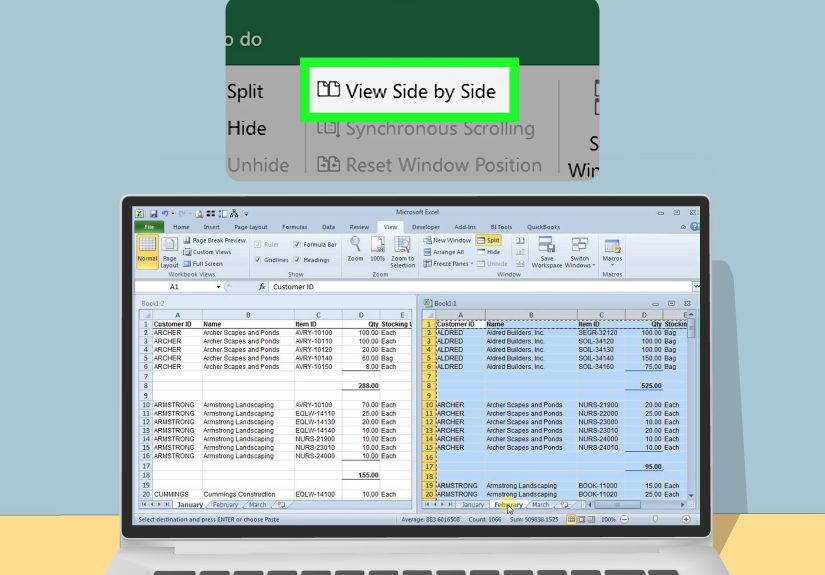
In Excel, tabs usually refer to worksheet tabs, also called sheet tabs. These are the labels at the bottom of a workbook that let you move between different worksheets. For example, a budget workbook might include tabs named “Income,” “Expenses,” “Summary,” and “Charts.” Each tab opens a separate worksheet inside the same Excel file.
Worksheet tabs help organize information so one workbook can contain related data without cramming everything onto a single giant sheet. That is useful for financial models, project trackers, inventory lists, sales reports, classroom gradebooks, content calendars, and nearly every workbook that grows beyond “I made this in five minutes and hope nobody asks questions.”
However, the more tabs you have, the more important navigation becomes. Clicking around randomly can slow you down, especially when you are reviewing formulas, comparing monthly reports, or jumping between raw data and a dashboard. Learning how to switch between tabs in Excel is a small skill, but it pays off every time you open a busy workbook.
Way 1: Switch Between Tabs in Excel Using Keyboard Shortcuts
The fastest way to switch between Excel tabs is with keyboard shortcuts. If your hands are already on the keyboard, this method keeps you in the flow. No mouse. No scrolling. No dramatic sighing while trying to find “Q4 Forecast Revised New Actual Final 2.”
Use Ctrl + Page Down to Move to the Next Worksheet
To move to the next worksheet tab on the right, press:
Ctrl + Page Down
This shortcut moves you one worksheet to the right inside the current workbook. If you are on a tab named “January,” and the next tab is “February,” Ctrl + Page Down will take you there instantly. Press it again, and you move to the next sheet after that.
This is especially helpful when your tabs follow a logical order, such as months, departments, regions, or steps in a process. You can move through the workbook like flipping pages in a notebook.
Use Ctrl + Page Up to Move to the Previous Worksheet
To move to the previous worksheet tab on the left, press:
Ctrl + Page Up
This shortcut moves you one worksheet to the left. If you are on “March,” Ctrl + Page Up takes you back to “February.” Use it together with Ctrl + Page Down, and you can move back and forth through worksheet tabs without touching the mouse.
Quick Example
Imagine your workbook has these tabs:
- Overview
- January
- February
- March
- Dashboard
If you are on “January” and press Ctrl + Page Down, Excel moves to “February.” Press it again, and you land on “March.” If you press Ctrl + Page Up, Excel moves back to “February.” Simple, clean, and no cursor gymnastics required.
What If Your Laptop Does Not Have Page Up or Page Down Keys?
Many modern laptops hide Page Up and Page Down behind the function key. In that case, try:
- Ctrl + Fn + Down Arrow for Page Down behavior
- Ctrl + Fn + Up Arrow for Page Up behavior
The exact key combination can vary depending on your laptop brand and keyboard layout. Some keyboards show “PgUp” and “PgDn” printed in small text on the arrow keys. If your shortcut is not working, look for the function-layer symbols on your keyboard. Your keyboard may be playing hide-and-seek, but the keys are usually there.
Keyboard Shortcuts for Excel for the Web
If you use Excel in a browser, shortcuts can behave differently because the browser also wants control of certain key combinations. In Excel for the web, moving to another worksheet may require:
- Ctrl + Alt + Page Down to move forward
- Ctrl + Alt + Page Up to move backward
If the desktop shortcut does not work in the web version, try adding the Alt key. Browser-based apps often need slightly different shortcuts so they do not collide with browser navigation.
When Keyboard Shortcuts Are the Best Choice
Keyboard shortcuts are ideal when speed matters. They are perfect for accountants reviewing monthly sheets, analysts comparing assumptions, students checking multiple worksheets, or anyone who spends long hours inside Excel and would rather not wear out their mouse hand.
Use shortcuts when you need to move tab by tab, check formulas across similar sheets, or work through a workbook in order. Once you build the muscle memory, Ctrl + Page Down and Ctrl + Page Up become two of the most useful Excel navigation shortcuts you will ever learn.
Way 2: Switch Between Tabs in Excel Using the Mouse and Sheet Navigation Tools
The second easy way to switch between tabs in Microsoft Excel is by using the worksheet tabs at the bottom of the workbook. This is the most visual method, and it is often the easiest option when you know exactly which tab you want.
Click a Worksheet Tab
The basic method is simple:
- Look at the bottom of the Excel window.
- Find the worksheet tab you want to open.
- Click the tab once.
Excel immediately switches to that worksheet. This method is great when your workbook has only a few tabs or when the tabs are clearly named. For example, if you need “Dashboard,” clicking the “Dashboard” tab is usually faster than pressing a shortcut several times.
Use the Sheet Tab Scrolling Buttons
When a workbook has many worksheet tabs, not all tabs may fit on the screen at once. Excel provides small navigation arrows near the bottom-left area of the workbook. These buttons let you scroll through the visible sheet tabs.
Use these arrows when your tab is hidden off-screen. They do not necessarily activate a worksheet by themselves; they help bring hidden tabs into view so you can click the one you need. Think of them as the “move the tab strip” buttons, not teleportation buttons.
Right-Click the Sheet Navigation Area to See a List of Tabs
In desktop Excel, you can often right-click the sheet navigation arrows near the bottom-left corner to open a list of worksheet tabs. This is useful when a workbook contains many sheets and you do not want to scroll sideways forever.
From that list, choose the sheet you want to activate. This can be a lifesaver in large files with dozens of tabs. It is also much cleaner than dragging the horizontal scrollbar and hoping your target worksheet politely appears.
When Mouse Navigation Is the Best Choice
Mouse navigation works best when the workbook has descriptive sheet names and you need to jump to a specific worksheet. If you want to go directly from “Raw Data” to “Executive Summary,” clicking the tab may be faster than moving through every sheet in between.
This method is also helpful for beginners because it is visual. You can see the tab names, confirm where you are going, and avoid accidentally landing on the wrong sheet. For people who work with shared spreadsheets, this visual confirmation can prevent small mistakes that later grow into “Who changed the forecast?” meetings.
Keyboard Shortcuts vs. Mouse Navigation: Which Method Should You Use?
Both methods are useful, but they shine in different situations.
Use Keyboard Shortcuts When You Want Speed
If you are moving between nearby tabs, keyboard shortcuts are hard to beat. Pressing Ctrl + Page Down three times is faster than reaching for the mouse, especially when your workbook is organized in sequence. Shortcuts are also excellent for repetitive review tasks.
Use the Mouse When You Need Precision
If you need a specific tab that is far away, the mouse may be easier. This is especially true when the worksheet names are clear. Clicking “Summary” is more direct than tapping a shortcut 12 times and counting tabs like you are defusing a spreadsheet bomb.
Use Both for Maximum Efficiency
The best Excel users usually combine both methods. They use shortcuts to move between nearby worksheets and the mouse or tab list to jump across large workbooks. You do not need to be loyal to one method. Excel will not be offended.
Common Problems When Switching Between Excel Tabs
The Sheet Tabs Are Missing
If you do not see worksheet tabs at the bottom of Excel, the workbook window may not be maximized, the horizontal scrollbar may be taking too much space, or the “Show sheet tabs” setting may be turned off. Try maximizing the Excel window first. If that does not work, check Excel Options and make sure sheet tabs are enabled.
The Shortcut Moves Around the Sheet Instead of Changing Tabs
If Ctrl + Page Up or Ctrl + Page Down moves within the current worksheet instead of switching tabs, your keyboard may require the Fn key. Try pressing Ctrl + Fn + Page Up or Ctrl + Fn + Page Down. On compact laptops, Page Up and Page Down may share keys with the arrow buttons.
You Accidentally Select Multiple Sheets
Be careful with Shift-clicking or Ctrl-clicking worksheet tabs. These actions can select multiple sheets. That is useful when you intentionally want to edit several worksheets at once, but dangerous when you do not. If multiple sheets are grouped, changes you make can apply to more than one worksheet. That is powerful, but so is a chainsaw. Use with care.
There Are Too Many Tabs to Manage
If your workbook has so many tabs that navigation becomes painful, improve the structure. Rename worksheets clearly, use consistent tab order, apply tab colors if helpful, and consider splitting unrelated information into separate workbooks. A workbook should be organized enough that another person can open it without needing a treasure map and emotional support.
Tips to Make Excel Worksheet Tabs Easier to Navigate
Rename Tabs Clearly
Default names like Sheet1, Sheet2, and Sheet3 are fine for five minutes. After that, they become tiny rectangles of confusion. Rename tabs with clear labels such as “Sales Data,” “Monthly Summary,” “Budget Inputs,” or “Client List.”
Put Important Tabs First
Place high-use sheets near the beginning of the workbook. Dashboards, summaries, and input sheets should usually appear before detail sheets. This makes both keyboard and mouse navigation faster.
Use Consistent Naming Patterns
If you use monthly tabs, name them consistently: “Jan,” “Feb,” “Mar,” or “2026-01,” “2026-02,” “2026-03.” Consistency helps users understand the workbook order at a glance.
Color-Code Carefully
Tab colors can help group related sheets. For example, you might use one color for input sheets, another for calculations, and another for final reports. Just do not turn the bottom of your workbook into a confetti cannon. Too many colors can make navigation harder, not easier.
Hide Tabs Only When Necessary
Hidden worksheets can reduce clutter, but they can also confuse people who need to audit or update the workbook. If you hide sheets, make sure the workbook remains understandable and that important information is not buried where users cannot find it.
Specific Examples of Switching Between Tabs in Excel
Example 1: Monthly Sales Workbook
You manage a sales workbook with tabs for January through December plus a year-end summary. To review each month in order, use Ctrl + Page Down. This lets you move from January to February to March without lifting your hands from the keyboard. When you need to return to the prior month, press Ctrl + Page Up.
Example 2: Budget Workbook
Your budget workbook includes “Income,” “Expenses,” “Debt,” “Savings,” and “Dashboard.” If you are entering data in “Expenses” and want to check the final result, clicking the “Dashboard” tab may be the fastest method. The destination is specific, and the tab name is visible.
Example 3: Large Financial Model
A financial model may contain input sheets, calculation sheets, scenario sheets, and output reports. In this case, use a hybrid approach. Click the tab list or visible sheet tab to jump to a major section, then use Ctrl + Page Up or Ctrl + Page Down to move through nearby worksheets inside that section.
Experience Notes: What It Is Really Like to Switch Between Tabs in Excel Every Day
After enough time working in Excel, switching between tabs becomes less of a feature and more of a survival skill. At first, most users click worksheet tabs with the mouse because it feels natural. You look down, find the tab, click it, and move on. For small workbooks, that works beautifully. A workbook with three or four tabs does not need a complicated navigation strategy. Clicking is quick, visual, and beginner-friendly.
The story changes when the workbook grows. Once you are dealing with monthly reports, department budgets, imported data, pivot tables, dashboards, and backup sheets, the tab bar starts to feel crowded. This is when keyboard shortcuts become a quiet productivity upgrade. Ctrl + Page Down and Ctrl + Page Up may not look exciting, but they save tiny pockets of time all day long. Those seconds add up, especially when you are checking formulas across multiple sheets or comparing the same cell in several monthly tabs.
One practical experience is that shortcuts help you stay focused. When your hands leave the keyboard to grab the mouse, your brain often pauses for a moment. You look for the cursor, aim at the tab, maybe overshoot, maybe click the wrong sheet, and then remember what you were doing. With shortcuts, the motion is smoother. You stay in the rhythm of entering, checking, copying, pasting, and reviewing data.
Another real-world lesson: clear tab names matter more than people think. Switching between tabs is easy only when you know where you are going. A workbook full of “Sheet1,” “Sheet2,” and “Copy of Sheet2” is basically a haunted house for data. Rename tabs early. Use short, meaningful names. If the workbook is shared with coworkers, choose names that make sense to someone who did not build the file.
Laptop keyboards can also be surprisingly annoying. Many compact laptops hide Page Up and Page Down behind the Fn key, which means the shortcut may require an extra finger stretch. The first time Ctrl + Page Down does not work, it can feel like Excel is ignoring you personally. Usually, the issue is not Excel. It is the keyboard layout. Testing Ctrl + Fn + Arrow keys often solves the mystery.
For large workbooks, the mouse still has a place. If you need to jump from the first tab to the last tab, clicking the tab list or using the sheet navigation area is often more practical than pressing a shortcut 20 times. The best experience comes from mixing both methods: shortcuts for nearby movement, mouse navigation for long jumps, and clear workbook organization for everything else.
In daily use, the goal is not to memorize every Excel shortcut ever invented. The goal is to remove friction. Switching between Excel worksheet tabs should not interrupt your thinking. Whether you are building a budget, auditing formulas, reviewing sales numbers, or organizing a school project, fast tab navigation makes the workbook feel smaller, cleaner, and easier to control. And honestly, any Excel trick that makes a spreadsheet feel less like a maze deserves a small round of applause.
Conclusion
Learning how to switch between tabs in Microsoft Excel is one of those small skills that makes everyday spreadsheet work noticeably easier. The two best methods are simple: use Ctrl + Page Down and Ctrl + Page Up for fast keyboard navigation, or click worksheet tabs and use the sheet navigation tools when you want a more visual approach.
If you work with large Excel workbooks, both methods belong in your toolbox. Keyboard shortcuts help you move quickly through nearby worksheets, while mouse navigation helps you jump directly to a specific tab. Add clear worksheet names, smart tab order, and a little workbook organization, and Excel becomes much easier to navigate.
The next time you open a workbook with more tabs than a browser during vacation planning, do not panic. Use the shortcuts, click with purpose, and let Excel know you are in charge.