Table of Contents >> Show >> Hide
- Why Smart Storage Matters More Than More Storage
- 12 Smart Storage Ideas to Combat Clutter
- 1. Declutter First, Then Buy Storage
- 2. Use Vertical Space Like It Pays Rent
- 3. Choose Furniture With Hidden Storage
- 4. Create a Drop Zone Near the Door
- 5. Divide Drawers So Small Items Stop Escaping
- 6. Turn Closet Floors Into Functional Zones
- 7. Use Clear Containers Where Visibility Matters
- 8. Add Storage to Awkward Spaces
- 9. Use Baskets to Control Visual Clutter
- 10. Build a Better Paper System
- 11. Rotate Seasonal Items Instead of Storing Everything Together
- 12. Practice the One-In, One-Out Rule
- Room-by-Room Storage Tips for Faster Results
- Common Storage Mistakes to Avoid
- Experience Notes: What Actually Works When Fighting Clutter
- Conclusion
Clutter has a sneaky personality. It starts as one innocent receipt on the counter, invites a charging cable, somehow attracts three mismatched socks, and by Friday your home looks like it is quietly auditioning for a reality show called Where Did the Table Go? The good news is that you do not need a mansion, a professional organizer on speed dial, or a garage full of labeled bins to regain control. You need smart storage ideas that match how real people actually live.
The best storage solutions are not about hiding everything in cute baskets and pretending the problem has gone on vacation. They are about creating clear homes for the things you use, reducing what you do not need, and making daily cleanup so easy that even your busiest self can manage it. Whether you live in a small apartment, a family house, a dorm-style bedroom, or a home where the junk drawer has developed its own government, these practical clutter solutions can help you build a calmer, cleaner, more functional space.
Below are 12 smart storage ideas to combat clutter, with specific examples for kitchens, bedrooms, entryways, bathrooms, closets, living rooms, and those mysterious corners nobody knows what to do with.
Why Smart Storage Matters More Than More Storage
Before buying another basket, pause for a tiny but important truth: more storage does not automatically mean less clutter. Sometimes it simply gives clutter a nicer apartment. Smart storage begins with editing. That means sorting your belongings, keeping what you use or genuinely love, and creating storage systems around your real routines.
A good system answers three simple questions: Where does this item belong? Can I reach it easily? Will I actually put it back there? If the answer to the last question is “absolutely not, future me has standards but no time,” adjust the system. Storage should reduce friction, not create a home obstacle course.
12 Smart Storage Ideas to Combat Clutter
1. Declutter First, Then Buy Storage
The smartest storage idea is also the least glamorous: remove what you do not need before organizing what remains. If you buy bins first, you may end up carefully storing expired coupons, broken chargers, and that mystery key you have been emotionally supporting since 2018.
Start with one small area: a drawer, shelf, nightstand, bathroom cabinet, or pantry zone. Take everything out and sort items into four categories: keep, donate, trash, and relocate. Be honest but not dramatic. You do not need to become a minimalist who owns one spoon and a philosophical candle. You only need to stop storing things that no longer serve you.
Once the clutter is reduced, measure the space and choose containers that fit the actual items. This prevents the classic organizing mistake of buying beautiful boxes that are too small, too big, or mysteriously useless.
2. Use Vertical Space Like It Pays Rent
Walls are often underused storage goldmines. When floor space is limited, go up. Floating shelves, wall hooks, pegboards, over-the-door racks, tall bookcases, and vertical cabinets can instantly create more room without making your home feel crowded.
In the kitchen, install a wall-mounted rail for utensils, mugs, or small pans. In a laundry area, use shelves above the washer and dryer for detergent, dryer balls, and cleaning supplies. In a bedroom, mount shelves above a desk or dresser to store books, baskets, or decorative boxes. In an entryway, wall hooks can catch bags, hats, jackets, dog leashes, and keys before they migrate to the nearest chair.
The trick is to keep vertical storage tidy and intentional. Open shelves should not become a museum exhibit titled Things I Didn’t Want to Put Away. Use matching baskets, trays, or clear containers to group smaller items.
3. Choose Furniture With Hidden Storage
Furniture that works double duty is one of the best clutter-fighting tools, especially in small homes. Storage benches, ottomans with lids, beds with drawers, coffee tables with compartments, and nightstands with deep drawers can hide everyday items while keeping them accessible.
A storage ottoman in the living room can hold blankets, board games, remotes, or extra pillows. A bench near the front door can store shoes, umbrellas, reusable bags, and seasonal accessories. A bed frame with drawers can replace a bulky dresser or help store off-season clothing.
Hidden storage works best when each compartment has a clear purpose. Do not let the ottoman become a black hole where remote controls go to retire. Use small bins inside larger compartments to separate categories, such as “pet supplies,” “kids’ toys,” “winter gear,” or “movie night blankets.”
4. Create a Drop Zone Near the Door
Entryway clutter happens because people come home carrying life: backpacks, mail, keys, shoes, jackets, sunglasses, receipts, and sometimes a half-eaten granola bar with big main-character energy. A drop zone gives those items a landing place before they invade the whole house.
A smart entryway setup can be simple. Use a small table, wall hooks, shoe rack, mail tray, and a basket for grab-and-go items. If you do not have a formal entryway, create one on a blank wall near the door. A narrow shelf with hooks underneath can do more than a bulky cabinet in a tight space.
Assign each family member a hook or bin if multiple people share the home. This prevents the classic “whose hoodie is this?” mystery that usually ends with everyone denying ownership.
5. Divide Drawers So Small Items Stop Escaping
Drawers are wonderful until they become flat caves of chaos. Drawer dividers, trays, small boxes, and adjustable organizers keep items separated and easy to find. This works in kitchens, bathrooms, offices, bedrooms, and junk drawers.
In the kitchen, use dividers for utensils, measuring spoons, food wraps, lids, and spices. In the bathroom, separate toothbrushes, hair ties, skincare, razors, and makeup. In an office drawer, group pens, sticky notes, chargers, batteries, paper clips, and memory cards.
The goal is not perfection. The goal is to open a drawer and not feel like you have interrupted a tiny plastic avalanche. When each item has a slot, cleanup takes seconds instead of a motivational speech.
6. Turn Closet Floors Into Functional Zones
Closet floors often become clutter swamps. Shoes pile up, bags collapse, laundry baskets overflow, and suddenly the closet door requires negotiation. Make the floor work harder with shoe racks, stackable bins, low shelves, rolling drawers, or labeled baskets.
For clothing closets, store shoes by type: everyday pairs in front, special-occasion shoes higher or farther back, and seasonal footwear in boxes. Use shelf dividers to keep sweaters from leaning into each other like sleepy toddlers. Add slim hangers to create visual consistency and save space.
If your closet is tiny, consider using the back of the door for belts, scarves, hats, handbags, jewelry, or accessories. Every inch counts, but avoid stuffing every inch. A closet should breathe a little. Unlike your suitcase before vacation, it should not require sitting on top of it to close.
7. Use Clear Containers Where Visibility Matters
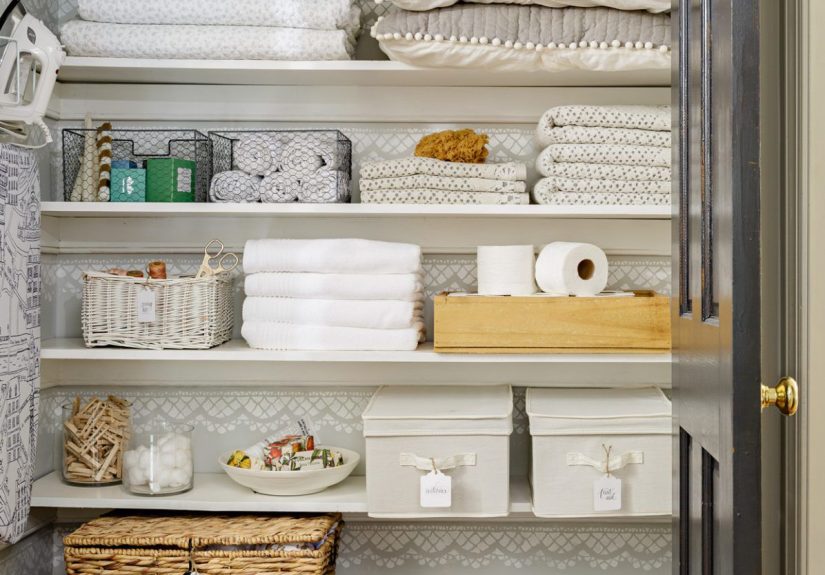
Clear storage containers are especially useful in pantries, refrigerators, linen closets, craft areas, and kids’ spaces. When you can see what you own, you are less likely to buy duplicates or lose items behind mystery packaging.
In the pantry, group snacks, baking supplies, breakfast items, spices, canned goods, and grains. Clear bins can turn a messy shelf into a mini grocery aisle, minus the fluorescent lights and impulse candy. In the refrigerator, use clear containers for sauces, produce, yogurts, lunch items, and leftovers.
Clear does not always mean plastic. Glass jars, wire baskets, acrylic bins, and open-front containers can all improve visibility. Add labels if multiple people use the space. Labels are not just decorative; they are gentle instructions for everyone who claims they “didn’t know where it went.”
8. Add Storage to Awkward Spaces
Awkward spaces are storage opportunities wearing a disguise. Think under the stairs, beside the refrigerator, above doors, behind cabinet doors, under sinks, inside narrow gaps, and the dead space between furniture and walls.
Under-stair areas can become mini mudrooms, book nooks, cleaning supply zones, or built-in cabinets. A narrow rolling cart can fit between appliances or beside a vanity. Adhesive hooks or small racks inside cabinet doors can hold measuring cups, pot lids, hair tools, cleaning gloves, or spray bottles.
Under-sink storage is especially powerful when organized correctly. Use stackable drawers, tension rods, bins, or turntables to separate cleaning supplies from extra sponges and trash bags. Just remember to leave plumbing accessible. Your pipes deserve personal space.
9. Use Baskets to Control Visual Clutter
Baskets are popular for a reason: they make everyday mess look intentional. A basket can hold throw blankets in the living room, toys in a play area, towels in a bathroom, scarves in a closet, or slippers by the door.
The key is choosing baskets by job, not just by cuteness. Large soft baskets are great for bulky textiles. Shallow baskets work well on shelves. Lidded baskets hide less attractive items. Wire baskets are useful when you need airflow or visibility.
One important warning: do not create “miscellaneous baskets” all over the house unless you enjoy future archaeological digs. Give every basket a category. “Mail,” “pet toys,” “winter hats,” “charging cables,” and “library books” are useful labels. “Stuff” is not a category; it is clutter wearing a trench coat.
10. Build a Better Paper System
Paper clutter is one of the fastest ways to make a clean home feel messy. Mail, school forms, receipts, bills, manuals, coupons, and notes can take over counters if they do not have a clear system.
Create a simple paper station with three zones: action, file, and recycle. The action zone is for items that need attention soon, such as bills, forms, invitations, or appointment reminders. The file zone is for documents you must keep. The recycle zone is for envelopes, flyers, outdated coupons, and papers that do not deserve a dramatic farewell.
Use a wall file, desktop tray, small filing box, or labeled folders. Review the action zone once a week. This keeps paper from becoming a countertop mountain with its own weather pattern.
11. Rotate Seasonal Items Instead of Storing Everything Together
Seasonal clutter happens when swimsuits, snow gloves, holiday décor, gardening tools, sports gear, and extra bedding all try to share the same space year-round. Rotation keeps current items easy to reach and off-season items out of the way.
Store seasonal clothing in under-bed bins, vacuum bags, closet shelves, or labeled containers. Keep holiday decorations grouped by occasion. Place rarely used items in higher cabinets, garage shelves, basement storage, or the back of closets. Everyday items should always get the easiest access.
This idea also works for kids’ toys, books, hobbies, and kitchen tools. Keep a smaller selection available and rotate the rest. Fewer visible items can make a room feel calmer and make the items you do keep out feel fresh again.
12. Practice the One-In, One-Out Rule
Storage systems fail when new items enter the home faster than old items leave. The one-in, one-out rule is simple: when you bring in something new, remove something similar. Buy a new sweater, donate one you no longer wear. Bring home new mugs, retire the chipped one that has been pretending to be charming.
This rule works because it prevents slow accumulation. It also makes shopping more intentional. You start asking better questions: Do I need this? Where will it live? What will it replace? If an item cannot earn a place in your home, it may not need to come home at all.
The one-in, one-out rule is especially helpful for clothing, shoes, toys, books, kitchen gadgets, beauty products, and décor. It does not have to be strict every single time, but it should become a habit. Your future shelves will applaud politely.
Room-by-Room Storage Tips for Faster Results
Kitchen Storage Ideas
Keep counters as clear as possible by storing appliances based on use. Daily appliances, such as a coffee maker or toaster, can stay out. Occasional tools, such as a waffle maker or specialty blender, should live in cabinets or pantry storage. Use shelf risers for plates and bowls, drawer dividers for utensils, and turntables for oils, sauces, spices, or condiments.
For pantry clutter, group foods by meal or category. Breakfast items, snacks, baking supplies, canned goods, and quick dinners should each have a defined area. Clear bins help prevent half-empty bags from multiplying like kitchen confetti.
Bathroom Storage Ideas
Bathrooms attract tiny clutter: cotton swabs, hair ties, skincare bottles, razors, toothpaste, makeup, and mysterious hotel samples from a trip you barely remember. Use drawer trays, medicine cabinet organizers, wall shelves, over-the-toilet storage, and under-sink bins to keep categories separated.
Limit counter items to what you use daily. Everything else should be stored nearby but not necessarily on display. Your bathroom counter is not a product parade.
Bedroom Storage Ideas
A peaceful bedroom starts with clear surfaces. Choose nightstands with drawers, use under-bed storage for seasonal items, and place a laundry hamper where clothes naturally land. If clothes pile up on a chair, that chair may not be furniture anymore; it may be a cry for a better system.
Add hooks for robes or worn-once clothing, use closet bins for accessories, and store extra bedding in labeled containers. Keep the top of dressers simple so the room feels restful instead of busy.
Living Room Storage Ideas
Living rooms need flexible storage because they often serve many purposes: relaxing, entertaining, working, playing, exercising, and occasionally folding laundry while pretending it will be finished soon. Use closed cabinets, baskets, storage ottomans, media consoles, and shelves with bins.
Group items by activity. Keep remotes and chargers in a tray, blankets in a basket, games in a cabinet, and kids’ toys in easy-access bins. When cleanup is simple, the living room can return to normal quickly after daily use.
Common Storage Mistakes to Avoid
One common mistake is organizing before decluttering. This often leads to neatly arranged clutter, which looks better for about 14 minutes before chaos returns. Another mistake is buying containers without measuring. A bin that almost fits is just disappointment with handles.
It is also easy to over-label, over-complicate, or create systems that only one person in the home understands. Smart storage should be obvious. If someone needs a guided tour to put away scissors, the system is too fancy.
Finally, avoid using every storage spot to full capacity. Leave a little empty space in drawers, cabinets, closets, and shelves. Empty space is not wasted space. It is breathing room, and breathing room is what keeps a home from feeling overstuffed.
Experience Notes: What Actually Works When Fighting Clutter
After working through many cluttered spaces, one lesson becomes clear: the best storage system is the one you can maintain on a tired Tuesday. A perfectly styled pantry may look beautiful in photos, but if it requires decanting every cracker into a matching jar after grocery shopping, most people will abandon it by week two. Real-life organization needs to be practical, forgiving, and easy to reset.
One of the most effective experiences is starting with the area that annoys you every day. For many people, that is the kitchen counter, the entryway, the bathroom sink, or the bedroom chair covered in clothes. When you fix a daily irritation, you feel the benefit immediately. That quick win creates motivation to continue. Organizing the attic might be useful, but clearing the counter where you make coffee every morning can change your mood before breakfast.
Another lesson is that storage should follow behavior. If everyone drops shoes near the door, do not fight the habit with a shoe rack hidden three rooms away. Put a basket or low shelf exactly where the shoes land. If mail piles up on the kitchen island, create a paper tray there first, then gradually train the habit of sorting it. Good systems are not about forcing a new personality onto your home. They are about designing around what already happens.
It also helps to make cleanup visible and fast. Open bins work well for kids’ toys because children can toss items in without needing to open lids, align boxes, or pass a tiny inspection from the organizing police. Clear containers work well for pantry snacks because everyone can see what is available. Hooks work better than hangers for many daily-use items because they require less effort. The fewer steps a system has, the more likely it is to survive real life.
One practical habit is the five-minute reset. Choose one time each day, such as before bed or after dinner, and return loose items to their homes. This is not a deep clean. It is a quick rescue mission. Put remotes in the tray, shoes in the basket, papers in the file, dishes in the sink, and blankets back in their basket. Five minutes can prevent clutter from becoming a weekend project with emotional consequences.
Finally, accept that organization is not a one-time event. Homes change. Seasons change. Kids grow. Hobbies appear. Work schedules shift. Storage systems should be adjusted as life changes. If a system stops working, that does not mean you failed. It means the system needs an update. A clutter-free home is not a perfect home. It is a home where belongings have logical places, daily routines feel smoother, and you can find the scissors without opening seven drawers and questioning your life choices.
Conclusion
Smart storage is not about hiding every object or turning your home into a showroom where nobody is allowed to touch the pillows. It is about creating useful systems that reduce stress, save time, and make your space easier to enjoy. Start by decluttering, then use vertical storage, hidden compartments, drawer dividers, entryway zones, baskets, clear containers, seasonal rotation, and simple maintenance habits to keep clutter under control.
The best part? You do not have to organize your entire home in one heroic weekend. Begin with one drawer, one shelf, or one cluttered surface. Give items a clear home. Remove what no longer belongs. Repeat the process in small, realistic steps. Soon, your home will feel lighter, calmer, and much less like your belongings are plotting a takeover.
Note: This article is written for web publication in standard American English and is based on practical home organization principles commonly recommended by reputable U.S. home, cleaning, and organizing resources.