Table of Contents >> Show >> Hide
- What Happened in the Family Rental Dispute?
- The Real Issue Was Not Just Late Rent
- Why Renting to Family Can Go Wrong So Quickly
- Was the Woman Wrong to Sell the House Secretly?
- The Brother’s Side: Housing Stability Matters
- The Sister’s Side: Ownership Comes With Risk
- What a Proper Family Rental Agreement Should Include
- Why Selling a Tenant-Occupied Home Is Complicated
- Late Rent: A Small Delay Can Become a Big Symbol
- The Bigger Lesson: Boundaries Are Not Cruel
- Could This Conflict Have Been Prevented?
- Practical Advice for Anyone Renting to a Relative
- Experiences and Real-World Reflections Related to This Topic
- Conclusion
Mixing family and money is already risky. Mixing family, money, rent, repairs, late payments, property taxes, and a surprise house sale? That is not a family group chat anymore. That is a full-blown courtroom drama wearing Thanksgiving socks.
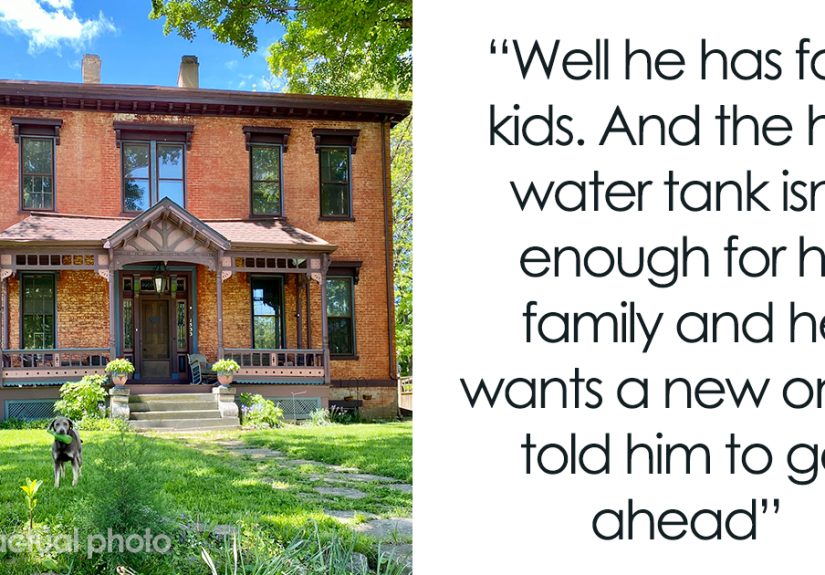
The story behind the viral headline is simple on the surface: a woman rented one of her properties to her older brother and his family, the arrangement slowly turned sour, and after repeated conflict over maintenance and rent, she sold the house without telling him first. Her brother discovered the sale only when the new owner became involved, and suddenly the family had a debate hotter than a broken water heater: Was she protecting herself, or did she betray her brother?
This story resonates because it touches a common but uncomfortable question: what happens when generosity becomes an expectation? Renting to a family member may begin as an act of kindness, but once rent is due every month, kindness needs structure. Without clear boundaries, a family discount can become a family disaster.
What Happened in the Family Rental Dispute?
According to the widely shared account, the homeowner had rental properties and allowed her older brother, his spouse, and their children to live in one of them. The arrangement appeared generous: he was reportedly paying enough to cover the mortgage and property taxes rather than a high-profit market rent. In return, he was expected to handle maintenance because the owner was not making much money from the property.
For several years, the arrangement seemed workable. Then came a dispute over the hot water tank. The brother wanted a larger one for his family, while the sister believed the existing unit was still relatively new and under warranty. She eventually paid for the replacement but made it clear that future changes to the house required her permission.
That is where the relationship began to crack. The brother allegedly stopped handling maintenance in the way they had agreed. Later, after she refused to pay for electrical upgrades he wanted, he began paying rent late. The homeowner tried to discuss the issue, but the conversations did not fix the problem. Eventually, she sold the house without announcing it to him in advance.
Her brother was furious. Some relatives thought she handled the matter harshly. Others believed she had already done enough by offering him below-market housing support. And the internet, naturally, split into teams faster than a family fighting over who gets the last dinner roll.
The Real Issue Was Not Just Late Rent
Late rent was the final spark, but it was not the whole fire. The deeper problem was the collapse of expectations. The sister saw the house as an asset with costs, risks, and responsibilities. The brother seemed to view the arrangement through the lens of family support. Those two perspectives can coexist only when the rules are clear.
In a normal landlord-tenant relationship, rent due dates, repair duties, late fees, property access, lease terms, and eviction procedures are usually written down. In a family arrangement, people often skip those details because writing them down feels awkward. Nobody wants to slide a lease across the table at Sunday lunch and say, “Pass the mashed potatoes and initial page four.”
But that awkwardness is exactly why written agreements matter. A lease is not just a legal document; it is a peacekeeping tool. It turns vague promises into visible expectations. It helps both sides understand what happens if rent is late, who pays for repairs, whether improvements need approval, and how either side can end the arrangement.
Why Renting to Family Can Go Wrong So Quickly
Renting to relatives feels safer because you know them. In reality, it can be more complicated because you know them too well. A regular tenant may be embarrassed to pay late. A sibling may assume you will understand. A regular landlord may enforce the lease. A family landlord may hesitate because every reminder feels like a personal attack.
The biggest danger is the invisible discount. If a family member receives reduced rent, flexible due dates, free repairs, or extra patience, they may slowly stop seeing the arrangement as business. Meanwhile, the owner still has very real bills: mortgage payments, insurance, taxes, repairs, possible HOA fees, and emergency maintenance. The bank does not care that the tenant is your brother. The property tax office does not accept “but he is family” as payment.
Family rentals also attract outside opinions. Parents, cousins, in-laws, and distant relatives who have not paid a single property tax bill may suddenly become experts in compassion, fairness, and real estate law. That pressure can make a practical decision feel like a betrayal.
Was the Woman Wrong to Sell the House Secretly?
Morally, the answer depends on which duty you think mattered more: her duty to protect her property or her duty to warn her brother. Legally, the answer would depend on the lease, the state, local tenant protections, and whether proper notice was given by the new owner. In many U.S. situations, a property owner can sell a rental home even when tenants live there. However, a sale does not automatically erase a valid lease. If there is a fixed-term lease, the new owner often must honor it until it ends. If the tenant is month-to-month, proper notice rules usually matter more.
Ethically, secrecy is the part that makes people uncomfortable. Selling the property may have been a reasonable financial decision, especially if the tenant was paying late and refusing to cooperate. But not telling a family member before the sale created emotional shock. Even if she had the right to sell, the surprise turned a business decision into a family wound.
Still, the brother’s behavior cannot be ignored. Being related to the landlord does not cancel the rent. If he agreed to pay on time and handle certain maintenance duties, then late payments and passive resistance weakened his position. Family support is not a blank check. It is still support, not surrender.
The Brother’s Side: Housing Stability Matters
To understand why some people criticized the homeowner, consider the brother’s side. He had a family living in the house. Moving with children is stressful, expensive, and logistically messy. Finding a new rental can require deposits, application fees, credit checks, proof of income, moving trucks, school adjustments, and emotional strain.
If he believed the home was a long-term family arrangement, the sale may have felt like the floor disappeared beneath him. Even if he was late on rent, he may have expected a warning, a final deadline, or an offer to buy the property. People often feel differently about a landlord selling a rental than they do about a sister selling “the family’s safe place,” even if the property never legally belonged to the tenant.
That does not make him automatically right, but it explains the emotional reaction. Housing is not like canceling a streaming subscription. Losing a place to live affects routines, children, finances, and dignity. That is why communication matters so much in family rental arrangements.
The Sister’s Side: Ownership Comes With Risk
Now consider the owner’s side. A rental property is not a casual favor. It is an expensive asset that can become a financial burden quickly. If rent is late, the owner may still owe the mortgage. If repairs are ignored, the property can lose value. If family arguments prevent firm enforcement, the owner may feel trapped in a deal that no longer works.
From that perspective, selling the house may have felt like the cleanest exit. Instead of arguing over every repair and every late payment, she converted the asset into cash and removed herself from the conflict. That may sound cold, but property ownership often requires decisions that are not emotionally comfortable.
The lesson is not that landlords should surprise tenants or that relatives should be treated like strangers. The lesson is that unclear family deals can leave everyone feeling wronged. The sister likely felt used. The brother likely felt blindsided. Both feelings can be real at the same time.
What a Proper Family Rental Agreement Should Include
Anyone renting to a relative should treat the arrangement like a real tenancy from day one. That does not mean acting cold or suspicious. It means protecting the relationship by removing guesswork.
1. A Written Lease
The lease should state the rent amount, due date, grace period, late fees if allowed, lease length, renewal terms, notice requirements, and consequences for nonpayment. A handshake may feel friendly, but a written lease is clearer when memories become conveniently creative.
2. Repair Responsibilities
The agreement should explain who handles minor maintenance, major repairs, appliances, landscaping, utilities, and improvements. Tenants should know whether they can replace fixtures, upgrade systems, paint rooms, add outlets, install appliances, or make changes that affect the structure.
3. Market Rent and Tax Awareness
Renting below market value can create tax complications for owners. In general, rental income must be reported, and expense deductions may depend on whether the property is treated as a true rental or partly personal use. Owners should speak with a qualified tax professional before giving large family discounts.
4. Communication Rules
Families often assume they can “just talk it out.” That works until everyone starts talking at once and nobody listens. The agreement should include how repair requests are submitted, how late rent reminders are handled, and when a family meeting becomes a formal notice.
5. Exit Plans
Every rental arrangement needs a graceful ending. The lease should explain what happens if the owner wants to sell, the tenant wants to move, the tenant wants to buy, or either side wants to end the arrangement. Exit plans are not pessimistic. They are emotional insurance.
Why Selling a Tenant-Occupied Home Is Complicated
Selling a rental property with tenants can be perfectly normal, but it requires care. Buyers may be investors who want tenants to stay, or they may be owner-occupants who want the home vacant. That difference can affect the sale price, negotiation, closing timeline, and the tenant’s future.
A fixed-term lease can give tenants more stability because the new owner may have to honor the existing lease. A month-to-month arrangement usually gives both sides more flexibility, but it also creates uncertainty. Notice periods vary by state and city, and some areas have stronger tenant protections than others.
For landlords, the smartest approach is transparency. Tell tenants what is happening, explain showing schedules, provide required notices, and keep records. For tenants, the smartest approach is to read the lease, continue paying rent properly, document communications, and understand local rights. Nobody wins when the first announcement comes wrapped in panic.
Late Rent: A Small Delay Can Become a Big Symbol
Late rent is rarely just about the calendar. It can signal financial trouble, resentment, poor planning, or a power struggle. In this story, late rent appeared after arguments over repairs and upgrades, which made it feel less like a mistake and more like leverage.
For landlords, the best response to late rent is consistency. Review the lease, check local law, document the missed payment, send written reminders or notices as required, and avoid emotional threats. For tenants, the best response is early communication. If money is short, say so before the due date. Offer a realistic payment plan. Do not assume silence will be interpreted generously.
With family, late rent can become especially toxic because it feels personal. The landlord may think, “You are taking advantage of me.” The tenant may think, “You care more about money than family.” Once that story forms in each person’s mind, every conversation becomes evidence.
The Bigger Lesson: Boundaries Are Not Cruel
Many people confuse boundaries with rejection. In reality, boundaries are how relationships survive difficult arrangements. A boundary says, “I love you, but I cannot absorb unlimited financial risk.” It says, “I want to help, but I need the rent on time.” It says, “You can live here, but you cannot remodel the house without permission.”
That may sound strict, but strict is often kinder than vague. Vague agreements create disappointment. Clear agreements create choices. The tenant can decide whether the terms work. The landlord can decide how much flexibility is possible. Both sides can see the road before driving into a ditch.
Could This Conflict Have Been Prevented?
Yes, or at least reduced. The homeowner could have started with a formal lease, market-based rent, and written repair rules. She could have given a clear warning when payments became late: pay by a certain date, agree to a plan, or the rental arrangement may end. If she planned to sell, she could have told him before closing, even if she was not legally required to do so.
The brother could have treated the home like a real rental rather than a flexible family favor. He could have paid on time, documented repair concerns, asked for permission before upgrades, and avoided using rent as a pressure tactic. If the house no longer worked for his family, he could have discussed moving, buying it, or renegotiating terms instead of letting resentment do the talking.
Prevention would not have required perfect people. It would have required written expectations and adult communication. Not glamorous, but neither is arguing about a breaker box while everyone in the family picks sides.
Practical Advice for Anyone Renting to a Relative
If you are considering renting to a sibling, cousin, adult child, parent, or close friend, pause before handing over the keys. Ask yourself whether you can afford missed rent. Ask whether you are willing to enforce the lease. Ask whether the relationship can survive a dispute. If the honest answer is no, helping in another way may be wiser.
Consider using a property manager as a buffer. A third party can collect rent, handle notices, coordinate repairs, and keep the relationship from becoming a monthly emotional negotiation. Yes, property management costs money. So does family chaos, only it invoices you in stress.
Also, avoid creating a deal that depends on everyone staying happy forever. People lose jobs. Appliances break. Children grow. Utility needs change. Owners need to sell. Tenants need more space. Life is not a fixed-rate mortgage; it adjusts constantly.
Experiences and Real-World Reflections Related to This Topic
One common experience among small landlords is the “temporary favor” that becomes permanent. A sister lets her brother move in for six months while he gets back on his feet. Two years later, he is still there, paying below-market rent, asking for upgrades, and reminding her that “family helps family.” At first, the owner feels generous. Later, she feels cornered. The problem is not that she helped. The problem is that the help had no deadline, no written structure, and no honest review point.
Another familiar situation involves repairs. A tenant-relative may say, “This house needs work,” while the owner says, “You are getting a discount, so I cannot pay for every improvement.” Both sides may have valid concerns. A home must be safe and habitable, but not every desired upgrade is an emergency. A larger water heater, extra outlets, new flooring, or a renovated kitchen may improve comfort, but the lease should clarify whether those are landlord obligations, tenant requests, or optional improvements.
Families also struggle with embarrassment. A brother who is late on rent may not want to admit money problems. Instead of saying, “I am short this month,” he complains about repairs. A sister who feels used may not want to say, “I cannot keep subsidizing you.” Instead, she becomes colder and more formal. Before long, nobody is discussing the real issue. They are arguing about appliances, payment dates, and who said what in 2019.
In many real-life family rental conflicts, the relatives outside the agreement make things worse. Parents may pressure the owner to be patient. Cousins may call the landlord greedy. In-laws may say the tenant is being disrespected. The loudest opinions often come from people who are not paying the mortgage, not repairing the property, and not facing legal risk. A useful rule is simple: advice is welcome, but responsibility belongs to the people on the lease.
There is also the emotional shock of a sale. Even when a tenant has no ownership interest, living in a house for years creates attachment. Children may think of it as their only home. The tenant may imagine buying it someday, even if that conversation never became serious. When the owner sells, especially quietly, the tenant experiences it as rejection. That is why advance communication can soften the blow. It may not change the outcome, but it gives the family time to process the change with dignity.
For owners, the experience can be equally painful. Many landlords who rent to relatives do not begin with profit as the goal. They want to help. But when the relative pays late, ignores responsibilities, or treats the discount as entitlement, generosity turns into resentment. The owner may feel guilty for enforcing rules and foolish for not enforcing them sooner. Selling the property can feel like the only way to escape the emotional trap.
The best real-world lesson is this: do not make a family rental easier at the beginning by making it unclear. Make it clear at the beginning so it stays easier later. Put the agreement in writing. Charge a realistic rent or clearly define the discount. Set repair rules. Decide what happens if rent is late. Discuss whether the tenant will receive notice if the owner wants to sell. Review the agreement every year. These steps may feel overly formal, but they are far less painful than turning a sibling relationship into a housing crisis.
In the end, the woman who sold her house secretly became the villain to some and the practical hero to others. But the more useful takeaway is not choosing a team. It is recognizing how quickly family support can become financial conflict when boundaries are missing. A house is not just a house when relatives live in it. It becomes shelter, money, memory, obligation, and power under one roof. That roof needs more than shingles. It needs rules.
Conclusion
The story of a woman secretly selling the house she rented to her brother is dramatic, but it is not rare in spirit. Families often make informal agreements with good intentions and discover too late that good intentions do not replace rent payments, repair responsibilities, or honest communication.
Was she wrong to sell? Maybe not. Was it wise to keep it secret? That is harder to defend. Was the brother wrong to pay late and let the arrangement deteriorate? Absolutely. The fairest conclusion is that both sides needed clearer boundaries long before the sale happened.
For anyone thinking of renting to family, the advice is simple: be kind, but be clear. Put everything in writing. Treat the property like a business asset and the relationship like something worth protecting. Because when family and rent collide, the goal is not just to keep the house standing. It is to keep the relationship from collapsing with it.
Editorial note: This article is for general informational and commentary purposes only. Rental laws vary by state and city, so landlords and tenants should consult qualified local professionals for legal, tax, or real estate advice.