Table of Contents >> Show >> Hide
- What ASMR Actually Is
- Why It Feels Like a “Brain Massage”
- Common ASMR Triggers
- Why Some People Get Tingles and Others Feel… Nothing
- Can ASMR Help with Sleep, Stress, or Mood?
- When ASMR Does Not Feel Good
- How to Try ASMR Without Feeling Ridiculous
- Why ASMR Keeps Winning People Over
- Real-Life Experiences: What This “Brain Massage” Often Feels Like
- SEO Tags
Some internet trends arrive with fireworks. ASMR arrived with whispering, tapping, and somebody slowly folding towels like their life depended on neat corners. And yet, for millions of curious viewers, that soft-and-steady content does something oddly wonderful: it creates a fizzy, calming sensation that starts around the scalp, rolls down the neck, and leaves the body feeling like it just got a gentle internal reboot.
That is the appeal of ASMR, or autonomous sensory meridian response. Fans often describe it as a “brain massage,” which is honestly a pretty good nickname. It captures the strange combination of comfort, tingles, and mental quiet that makes ASMR feel less like ordinary relaxation and more like your nervous system has been switched from “Monday morning traffic” to “cozy rainy afternoon.”
But why does ASMR feel so good for some people? Why can a soft voice, careful hand movement, or crisp tapping sound make the brain melt into a puddle of calm? The short answer is that ASMR seems to blend sensory pleasure, emotional safety, focused attention, and physical relaxation into one very specific experience. The longer answer is much more interesting, and fortunately, science has started catching up with what ASMR fans have been saying for years.
What ASMR Actually Is
ASMR is a sensory experience often triggered by gentle sounds, slow movements, and moments of close personal attention. People who experience it usually describe a pleasant tingling or warm wave that begins on the scalp or back of the head and can travel to the neck, shoulders, spine, or even the arms. Along with the tingles comes a powerful feeling of calm, comfort, and sometimes sleepiness.
The important word here is pleasant. ASMR is not just “I hear a sound and react.” It is more like “I hear a sound, my brain interprets it as soothing and safe, and my whole system softens.” That is why the experience is often compared to getting your hair brushed, having someone speak gently while helping you with something, or sitting quietly while another person does a careful, repetitive task nearby.
In other words, ASMR is less about noise and more about atmosphere. A whisper by itself is just a whisper. But a whisper paired with patience, soft pacing, and the feeling of personal attention can become a full-body sigh.
Why It Feels Like a “Brain Massage”
1. It combines relaxation and stimulation at the same time
One reason ASMR feels so unusual is that it does not behave like ordinary relaxation. Research suggests ASMR can create a mix of lower heart rate and heightened skin conductance, which sounds technical, but the real-life version is simple: your body may be calming down while your attention stays gently engaged. That is the magic trick.
You are not zoning out in the same way you might during a boring lecture or a white-noise machine. You are focused, but softly. Alert, but not stressed. Interested, but not overstimulated. That creates the signature “brain massage” feeling: your mind is occupied just enough to stop chasing worries, while your body gets permission to unclench.
Basically, ASMR gives the brain a tiny job to dolisten, notice, follow the rhythmwithout demanding anything exhausting in return. For an anxious or busy mind, that can feel luxurious.
2. Many triggers mimic care, grooming, and safe attention
A lot of classic ASMR triggers revolve around personal attention: someone speaking softly to you, pretending to check your eyes, brushing a surface near the microphone, carefully arranging objects, or walking you through a soothing routine. These scenes can resemble caregiving and grooming behaviors, the kinds of interactions humans often associate with trust, safety, and connection.
That may explain why ASMR feels emotionally cozy, not just physically tingly. The brain seems to read these cues as low-threat, high-comfort signals. Nobody is yelling. Nobody needs your taxes by noon. Nobody is asking you to “circle back” on anything. The environment is predictable, calm, and gently intimate in a non-threatening way.
When the brain perceives that kind of safety, it often becomes easier for the body to relax. So the “brain massage” may not just be about sound. It may also be about the nervous system recognizing a moment of care.
3. Repetition is soothing for the brain
Many ASMR triggers are repetitive: tapping, brushing, page turning, crinkling, slow hand motions, soft counting, or deliberate sorting. Repetition gives the brain a rhythm to follow. And the human brain, despite its dramatic flair, often loves a predictable pattern.
Repetition can reduce uncertainty, which is one of the main ingredients in stress. If the next sound is easy to anticipate, the nervous system does not have to stay on guard. It can settle in. That is part of why ASMR often feels especially comforting at night, when people are trying to slow racing thoughts and drift toward sleep.
The effect is similar to watching waves, listening to steady rain, or hearing someone knit a sentence together in a soft, even tone. Your attention stops bouncing around like a pinball and starts gliding.
4. The brain seems to involve reward, emotion, and sensory networks
Brain-imaging studies suggest ASMR is not imaginary fluff. During ASMR experiences, researchers have observed activity in brain areas linked with reward, emotional arousal, attention, and sensory processing. That does not mean scientists have solved ASMR like a math equation, but it does suggest the experience is rooted in real brain processes, not just internet enthusiasm and good microphones.
This also helps explain why ASMR can feel richer than ordinary background relaxation. The experience appears to pull together several systems at once: sensory pleasure, positive emotion, focused attention, and bodily calm. When those ingredients line up, the result can feel surprisingly powerful for something as simple as a soft voice saying, “Now I’m just going to gently tap on this glass jar.”
Common ASMR Triggers
Not every trigger works for every person, which is part of the charm and part of the chaos. One person melts at whispering. Another hears whispering and immediately wants to leave the room. ASMR is highly individual, but some common triggers show up again and again:
- Whispering or soft speaking
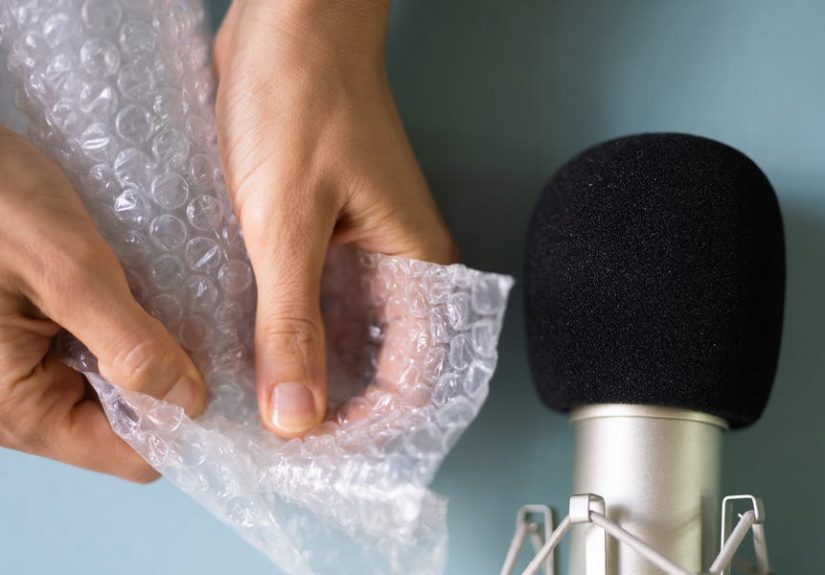
- Gentle tapping, scratching, or crinkling sounds
- Slow, deliberate hand movements
- Personal-attention role-play, like a spa visit or eye exam
- Hair brushing or makeup application sounds
- Page turning, writing, sorting, or folding
- Binaural audio that creates a close, immersive feeling
What these triggers have in common is not volume. It is texture, rhythm, and closeness. ASMR usually works best when the sound feels detailed, careful, and controlled, not chaotic or harsh.
Why Some People Get Tingles and Others Feel… Nothing
This is where ASMR gets delightfully unfair. Some people experience an immediate wave of tingles and relaxation. Others watch ten minutes of someone gently tapping a seashell and feel only confusion, boredom, or mild irritation. Research suggests ASMR is not universal, and individual differences matter.
Personality traits, sensory sensitivity, and the way people process internal and external cues may all play a role. Some studies suggest people who experience ASMR may differ in openness, sensory style, or related traits. Other research points to differences in brain connectivity and multisensory processing. In plain English: some brains seem especially ready to turn soft audiovisual cues into a pleasurable body response.
That does not mean non-responders are broken or uncultured. It just means ASMR is not a one-size-fits-all blanket. Some people get the full tingles. Some get relaxation without tingles. Some get nothing at all. And some have the opposite reaction, especially if they are sensitive to certain sounds.
Can ASMR Help with Sleep, Stress, or Mood?
Possibly, yesbut with an important asterisk the size of a throw pillow. Research on ASMR is growing, and some studies suggest it may improve mood, reduce arousal, support relaxation, and help some people with sleep or stress. People who are sensitive to ASMR often report using it at bedtime, during anxious moments, or after mentally draining days.
That said, ASMR is not a miracle cure, and it is not a replacement for medical or mental health treatment. It is better thought of as a tool. For some people, it is a pretty effective tool. For others, it is just another YouTube category sitting between cooking videos and home-renovation disasters.
The strongest case for ASMR is probably this: when it works, it may help the mind stop spiraling and help the body shift into a calmer state. That can make it easier to unwind, feel comforted, and sometimes fall asleep faster. It is low-cost, easy to try, and generally safe, which makes it appealing even while the science is still developing.
When ASMR Does Not Feel Good
ASMR has a friendly reputation, but it is not universally pleasant. Some sounds that trigger ASMR in one person can trigger annoyance or disgust in another. This is one reason ASMR is often mentioned alongside misophonia, a condition in which specific sounds spark strong negative emotional reactions.
Even for people who like ASMR, not all content is created equal. Some videos feel soothing; others feel forced, overproduced, or oddly aggressive in that “why is this stranger breathing directly into a microphone like a dragon in yoga class?” sort of way. Personal preference matters a lot.
If ASMR makes you tense, irritated, or overstimulated, that is useful information. There is no prize for enduring sounds you hate in the name of wellness. Your nervous system has spoken. Respect the verdict.
How to Try ASMR Without Feeling Ridiculous
Start simple. Use headphones if you want the full effect, especially for binaural or close-microphone audio. Try a few different categories instead of assuming one bad whisper video means ASMR is not for you. Some people respond better to tapping than talking, or better to visual triggers than sound-based ones.
It also helps to try ASMR when you are already willing to slow down. Watching it while answering emails, doomscrolling, and reheating leftover pasta for the third time this week is probably not the ideal test environment. ASMR tends to work best when the mind is given a chance to notice subtle sensations.
And if you never get tingles? That is fine. You may still enjoy the relaxation aspect, or you may decide your version of peace is silence, music, meditation, or staring at a ceiling fan like it holds the secrets of the universe.
Why ASMR Keeps Winning People Over
At its best, ASMR offers something many adults do not get enough of: gentle attention without demands. No urgency. No performance review. No loudness masquerading as excitement. Just soft, careful input that tells the brain, “You can relax now. Nothing bad is happening. Also, here is a very satisfying tapping sound.”
That may be why the “brain massage” label sticks. ASMR can feel like someone smoothing the wrinkles out of your nervous systemnot by shutting your brain off, but by giving it exactly the kind of calm, patterned, low-threat stimulation it seems to crave.
So yes, it may look a little odd from the outside. But then again, a lot of useful human behaviors look odd without context. Yoga can resemble organized stretching confusion. Weighted blankets are basically fashionable burritos. ASMR just happens to be the version where the cure for a fried brain might be a whisper, a brush, and ten minutes of someone carefully pretending to organize your imaginary desk drawer.
Real-Life Experiences: What This “Brain Massage” Often Feels Like
People who experience ASMR often describe it in surprisingly similar ways, even when their favorite triggers are completely different. One person may love the sound of pages turning, while another only responds to soft-spoken role-play. But when they explain the feeling itself, the descriptions tend to cluster around the same ideas: a gentle tingling at the scalp, a wave down the neck and shoulders, a sense of heaviness in the best possible way, and a sudden drop in mental noise.
For some, the first sign is not even the tingle. It is the exhale. Their jaw loosens. Their forehead stops auditioning for the role of “tiny stress brick.” Their breathing gets slower. Then the tingles arrive, sometimes as a light fizz, sometimes as a warm shiver, and sometimes as a rolling sensation that feels oddly close to being touched, even though nobody is actually touching them.
Another common experience is the feeling of being deeply focused without effort. Many people say ASMR makes them pay attention in a way that feels restful rather than draining. They are absorbed, but not tense. Present, but not pressured. It is a little like when you watch someone perform a careful taskwrapping a gift neatly, arranging tools, sketching fine detailsand your brain decides, “Ah yes, this. This is our whole personality now.”
At bedtime, ASMR can become a ritual. Some people use it the way others use herbal tea, dim lamps, or a favorite blanket. They put on headphones, choose a creator or sound they already trust, and let the familiar pattern do its work. The appeal is not just the tingles. It is the predictability. The sounds are gentle. The pacing is slow. Nothing startling happens. For a brain that has spent all day dodging notifications, decisions, and bad news, that predictability can feel glorious.
There is also an emotional side to the experience. Many people say ASMR feels comforting in a way that is hard to explain without sounding a little sentimental. The personal-attention style of many videos can create a sense of being cared for, even when viewers know perfectly well it is a performance. That may be why certain themeslike checkups, grooming, fitting, measuring, or guided reassuranceare so popular. They borrow the structure of real-world care and turn it into a sensory experience.
Of course, not everyone reacts this way. Some people feel relaxed but never get tingles. Some feel nothing at all. Others actively dislike common triggers, especially mouth sounds or whispering. And even among ASMR fans, preferences can be oddly specific. A person may adore tapping on wood but hate tapping on plastic. They may love soft-speaking but recoil at whispering. The brain, apparently, is a picky spa customer.
Still, for the people it clicks with, ASMR often feels like a tiny, portable calm button. It is not dramatic. It is not flashy. It is just a subtle, deeply pleasant shift from mental static to softness. And that, more than anything, is why so many people call it a brain massage. It does not bulldoze stress out of the way. It gently coaxes the brain into putting its shoulders down.