Table of Contents >> Show >> Hide
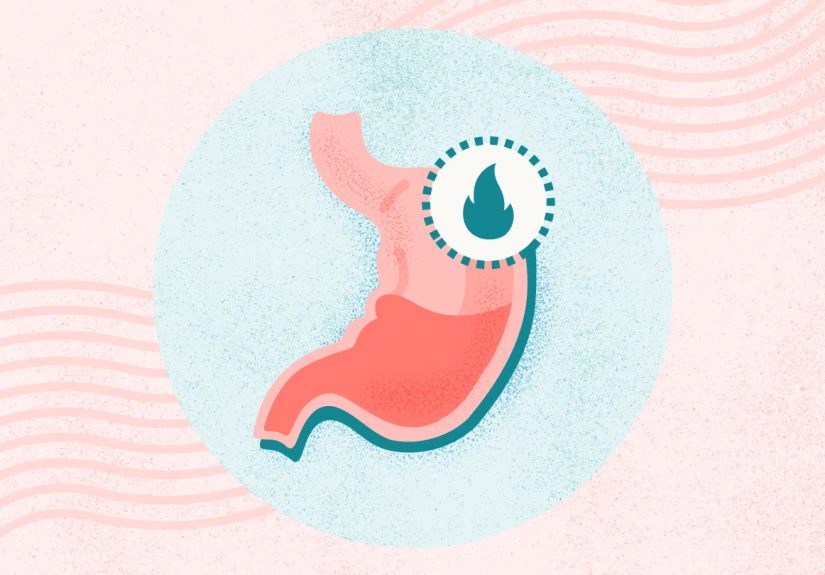
If you’ve ever felt a hot, sour “lava burp” creep up your throat after pizza night, you’ve met acid reflux. When that reflux becomes frequent, stubborn, and disruptive (like an uninvited houseguest who moves in and starts rearranging your furniture), it may be GERDgastroesophageal reflux disease.
GERD is common, treatable, and usually manageable with a smart mix of habits and medicine. The trick is knowing what’s normal, what’s a red flag, and what actually works (spoiler: stacking five pillows like a mattress lasagna usually isn’t the move).
What Is GERD?
GERD happens when stomach contentsoften acid, sometimes bile, and sometimes partially digested foodflow backward into the esophagus (the tube connecting your mouth to your stomach) often enough to cause symptoms or complications.
GER vs. GERD: What’s the difference?
GER (gastroesophageal reflux) is reflux that happens occasionally. It’s the “once in a while” versionlike when you eat too fast, too late, or too much. GERD is the “recurring series” versionreflux that keeps returning and starts affecting comfort, sleep, productivity, and sometimes the lining of your esophagus.
Why reflux happens in the first place
At the bottom of your esophagus is a ring of muscle called the lower esophageal sphincter (LES). Think of it as a one-way security door. It’s supposed to open to let food into the stomach, then close to keep stomach contents where they belong. When the LES relaxes too often, opens at the wrong time, or becomes weak, reflux is more likely.
GERD Symptoms
GERD doesn’t always look the same from person to person. Some people have classic symptoms. Others have “stealth reflux” that shows up outside the chest.
Common (classic) symptoms
- Heartburn: a burning sensation behind the breastbone, often after meals or at night
- Regurgitation: sour, bitter, or acidic fluid (or food) coming back up into the throat or mouth
- Chest discomfort that may mimic heart pain (always take new or severe chest pain seriously)
- Trouble swallowing (dysphagia) or a feeling that food is “sticking”
- Burping, nausea, or an “overfull” feeling after normal meals
Nighttime symptoms
Reflux often gets worse when you lie down because gravity stops doing you favors. Nighttime GERD may cause:
- Waking up with heartburn or a sour taste
- Interrupted sleep
- Morning hoarseness or sore throat
- Coughing that’s worse at night
Less typical or “extraesophageal” symptoms
GERD can sometimes be linked with symptoms that aren’t obviously digestive, such as:
- Chronic cough
- Hoarseness or frequent throat clearing
- Asthma-like symptoms that worsen at night
- A sensation of a lump in the throat (globus)
- Dental enamel wear over time
Important note: these symptoms can have many causes. That’s why persistent throat or breathing symptoms deserve a proper medical evaluation instead of self-diagnosis.
Causes and Risk Factors of GERD
GERD usually comes from a combination of LES issues, pressure changes in the abdomen, and individual triggers. Sometimes it’s straightforward; sometimes it’s a “group project” of multiple factors.
Common causes and contributors
- LES weakness or inappropriate relaxation (the valve doesn’t seal well)
- Hiatal hernia (part of the stomach slides upward, affecting the LES position and pressure)
- Increased abdominal pressure (often from central weight gain, pregnancy, or heavy meals)
- Delayed stomach emptying (food and acid hang around longer)
- Smoking (can weaken the LES and irritate the lining)
- Alcohol (can relax the LES and worsen irritation for some people)
Food and habit triggers (the “usual suspects”)
Triggers vary, but many people report symptoms after:
- Large, high-fat meals (fat slows stomach emptying)
- Spicy foods, tomato-based foods, citrus
- Chocolate, peppermint, caffeinated drinks
- Carbonated beverages
- Eating quickly, eating late, or lying down soon after meals
Not everyone reacts to the same foods. Your trigger might be tomato sauce; your friend’s might be iced coffee. GERD loves personalizationunfortunately.
Medications that may worsen reflux for some people
Certain medicines can relax the LES or irritate the esophagus. Examples can include some blood pressure medicines, sedatives, and anti-inflammatory drugs. Never stop a prescribed medication on your ownask a clinician whether an alternative is possible.
How GERD Is Diagnosed
Many cases of GERD can be diagnosed based on symptoms and history, especially when heartburn and regurgitation are the main issues. But testing matters when symptoms are severe, unclear, not improving, or when “alarm symptoms” appear.
When to get checked sooner (alarm symptoms)
- Difficulty swallowing or painful swallowing
- Unexplained weight loss
- Vomiting blood, black/tarry stools, or signs of anemia
- Persistent vomiting
- New chest pain (especially with shortness of breath, sweating, or radiation to arm/jaw)
- Symptoms that start later in life or rapidly worsen
Common diagnostic approaches
A clinician may start with a symptom review and exam, then choose one or more of these options:
- Empiric treatment trial: For typical symptoms, a short course of acid-suppressing therapy may be used to see if symptoms improve.
- Upper endoscopy (EGD): A thin camera checks the esophagus and stomach for inflammation, ulcers, narrowing (strictures), or changes such as Barrett’s esophagus. Biopsies may be taken.
- Ambulatory pH monitoring: Measures how often acid reaches the esophagususeful when diagnosis is unclear or symptoms persist despite treatment.
- Esophageal manometry: Measures esophageal muscle contractions and LES functionoften used when swallowing problems exist or before certain procedures.
- Barium swallow (contrast X-ray): Sometimes used to evaluate anatomy, strictures, or swallowing issues.
GERD Treatment Options
The goal is simple: reduce reflux, reduce acid exposure, heal irritation, and prevent complications. The plan can be “lifestyle first,” “medication plus lifestyle,” or “procedures for selected cases.”
Lifestyle changes that actually help
Lifestyle changes aren’t glamorous, but they’re surprisingly powerfulespecially for mild to moderate GERD. Consider these high-impact moves:
- Weight management: Even modest weight loss can reduce pressure on the stomach and LES.
- Meal timing: Finish eating at least 2–3 hours before lying down or going to bed.
- Smaller meals: Big meals stretch the stomach and encourage reflux.
- Identify triggers: Keep a simple “symptom + food + timing” log for 1–2 weeks.
- Elevate the head of the bed: A wedge or bed risers work better than extra pillows.
- Sleep position: Many people do better sleeping on the left side.
- Stop smoking: This can improve LES function and reduce irritation.
- Limit alcohol: Especially near bedtime, if it triggers symptoms for you.
- Loose clothing: Tight waistbands can increase pressure and reflux.
Over-the-counter (OTC) medicines
OTC options can help, especially for occasional symptoms:
- Antacids (e.g., calcium carbonate): Quick relief by neutralizing acid, but they don’t heal ongoing inflammation well.
- H2 blockers (e.g., famotidine): Reduce acid production; often helpful for mild GERD or nighttime symptoms.
- Alginate-based products: Some formulations form a “raft” that helps reduce reflux episodes after meals.
If you’re using OTC products frequently (for example, most days of the week), that’s a sign it’s time to talk with a clinician instead of running a permanent DIY experiment on your esophagus.
Prescription treatments
When GERD is frequent or complicated, prescriptions may be recommended:
- Proton pump inhibitors (PPIs) (examples include omeprazole, esomeprazole, pantoprazole): These are among the most effective medicines for healing erosive esophagitis and controlling GERD symptoms. For best effect, they’re commonly taken before a meal, often breakfast.
- Prescription-strength H2 blockers: Sometimes used for maintenance or added for nighttime symptoms.
- Other options in select cases: Newer acid blockers may be considered depending on availability, symptom pattern, and clinician judgment.
How long do you need medicine?
Many people improve with a limited course of therapy, then step down to the lowest effective dose or switch to as-needed approaches. Others need longer treatmentespecially if they have complications like erosive esophagitis or Barrett’s esophagus. The right duration depends on your diagnosis, risk profile, and how your symptoms behave when you try stepping down.
Are PPIs safe?
PPIs are widely used and considered effective. Like any medication, they have potential side effects and trade-offs. If you need long-term therapy, the best approach is usually: the lowest effective dose, regular check-ins, and a clear reason for continued use. Don’t stop suddenly without guidance if you’ve been on them long-termsome people experience rebound symptoms that feel like GERD throwing a tantrum.
Procedures and surgery (for selected patients)
If symptoms persist despite optimized medical therapy, or if someone prefers a durable non-medication approach, procedures may be discussed:
- Fundoplication: The upper part of the stomach is wrapped around the lower esophagus to strengthen the barrier against reflux.
- Magnetic sphincter augmentation (LINX): A ring of magnetic beads placed around the LES to improve closure in appropriate candidates.
- Endoscopic options (such as TIF in certain settings): Less invasive approaches that may help selected patients.
These options aren’t for everyone. A careful evaluation usually includes confirming reflux, assessing anatomy, and discussing goals (symptom relief, medication reduction, long-term management).
Prevention: How to Reduce GERD Flares
Prevention is less about perfection and more about pattern recognition. GERD tends to respond well to consistent, boring choiceslike steady meal timing and smarter portionsover heroic, one-day “reset” efforts.
Practical prevention checklist
- Eat smaller meals and slow down (your stomach is not a speed-eating contest judge).
- Avoid lying down after eating; take a short walk or stay upright.
- Keep dinner earlier when possible; avoid late-night snacking.
- Find your triggers using a quick log, then reduce the biggest offenders first.
- Limit alcohol, especially near bedtime, if it worsens your symptoms.
- Maintain a healthy weight and focus on gradual, sustainable changes.
- Elevate the head of your bed if nighttime symptoms are frequent.
- Talk with a clinician before changing prescription medications that might worsen reflux.
Potential Complications of Untreated GERD
Persistent reflux can irritate and injure the esophagus over time. Possible complications include:
- Esophagitis: inflammation that can lead to ulcers or bleeding
- Strictures: scarring and narrowing that can make swallowing difficult
- Barrett’s esophagus: changes in the esophageal lining associated with an increased risk of esophageal adenocarcinoma (the absolute risk for any one person is still relatively low, but it’s a reason follow-up matters)
When to See a Doctor
Get medical advice if you have frequent symptoms (especially multiple times per week), symptoms that disrupt sleep, symptoms that don’t improve with OTC treatments, or any alarm symptoms listed earlier. Also seek urgent evaluation for new or severe chest painheartburn and heart issues can feel confusingly similar, and it’s not a situation to “wait and see.”
Real-Life Experiences With GERD (What People Often Describe)
Reading a list of symptoms is helpful, but GERD is one of those conditions that people recognize by the “vibe” as much as the textbook definition. Here are experiences commonly shared by people living with reflux. These examples are compositesrealistic patterns, not a diagnosis for any one person.
1) “It’s not pain exactlyit’s a heat wave that climbs.”
Many describe heartburn as a rising warmth behind the breastbone, sometimes creeping into the throat. It can show up 30–60 minutes after a meal, especially if the meal is large or fatty. Some people say it feels like “a campfire in my chest,” while others call it “a slow burn that keeps bargaining for attention.” The tricky part is that stress and rushed eating can make it feel worse, even when the meal itself wasn’t outrageous.
2) “My worst symptoms happen at night.”
Nighttime reflux is a common complaint: someone falls asleep feeling fine, then wakes up coughing, with a sour taste, or with burning in the chest. A lot of people connect the dots after noticing a patternlate dinners, bedtime snacks, or lying down right after eating. Some report that elevating the head of the bed (not just propping up pillows) makes a noticeable difference within a week. Others find that sleeping on the left side reduces episodes. The big takeaway people mention is that nighttime GERD doesn’t just cause discomfortit can quietly wreck sleep quality, which then makes the next day’s stress and eating patterns worse. GERD loves a loop.
3) “I thought it was my heart.”
Chest discomfort can be scary. People often describe a tightness or burning that sparks immediate anxiety. Some end up in urgent care or the ER (which is understandable), only to learn that their heart is fine and reflux is the likely culprit. A common emotional theme is relief mixed with frustration: “I’m glad it’s not my heart, but why does it feel so dramatic?” This is one reason clinicians emphasize evaluating chest pain properlybecause GERD can imitate serious things, and serious things can imitate GERD.
4) “My throat symptoms confused everyone.”
Not everyone with GERD gets obvious heartburn. Some people mainly notice hoarseness, throat clearing, a chronic cough, or the feeling of a lump in the throat. They may bounce between allergy remedies, inhalers, and lozenges before anyone considers reflux as part of the picture. What people often describe is that throat symptoms fluctuate: a few good days, then a flare after late meals, alcohol, peppermint gum, or a week of stress. When treatment helps, the improvement can be subtlefewer cough “fits,” less raspiness in the morning, and less throat irritation after coffee.
5) “Keeping a trigger log felt silly… until it worked.”
People frequently say they didn’t want to “do homework” about their food. But a quick logwhat they ate, when, and what symptoms showed upoften reveals patterns they didn’t expect. Sometimes the trigger isn’t a specific food but a behavior: eating too fast, eating too late, or having a heavy meal and then bending over to pick up laundry (reflux is nothing if not opportunistic). Once people find their biggest triggers, they often don’t eliminate everythingthey just negotiate smarter choices: smaller portions, earlier dinners, or swapping a late-night snack for something lighter.
6) “Medication helped, but I still had to change habits.”
A common story is: “The medicine helped a lot, but it didn’t make me invincible.” People on acid-suppressing therapy often still notice symptoms if they eat large meals late or drink alcohol close to bedtime. Many describe treatment as a stabilizer, not a superpower. The most satisfied patients tend to be the ones who pair medication with two or three high-impact lifestyle changes they can actually maintainlike earlier dinners, smaller portions, and bed elevation for nighttime reflux. They often report that the combination makes life feel normal again: fewer flares, less fear about eating, and better sleep.
Conclusion
GERD is more than occasional heartburnit’s a pattern of reflux that keeps coming back and can interfere with sleep, comfort, and long-term esophageal health. The good news is that most people can control symptoms with targeted lifestyle changes, the right medication plan, and medical evaluation when needed. If you’re dealing with frequent symptoms or alarm signs, don’t tough it outgetting the right diagnosis can save you months of discomfort (and a whole lot of unnecessary antacid receipts).