Table of Contents >> Show >> Hide
- Why Make T-Shirt Carrots?
- What You’ll Need
- Choosing the Best T-Shirt for the Job
- How to Make T-Shirt Carrots: Step-by-Step
- No-Sew T-Shirt Carrots
- Ways to Customize Your Fabric Carrots
- How to Display T-Shirt Carrots
- Common Mistakes to Avoid
- Are T-Shirt Carrots Good for Beginners?
- Experiences and Lessons People Commonly Have When Making T-Shirt Carrots
- Final Thoughts
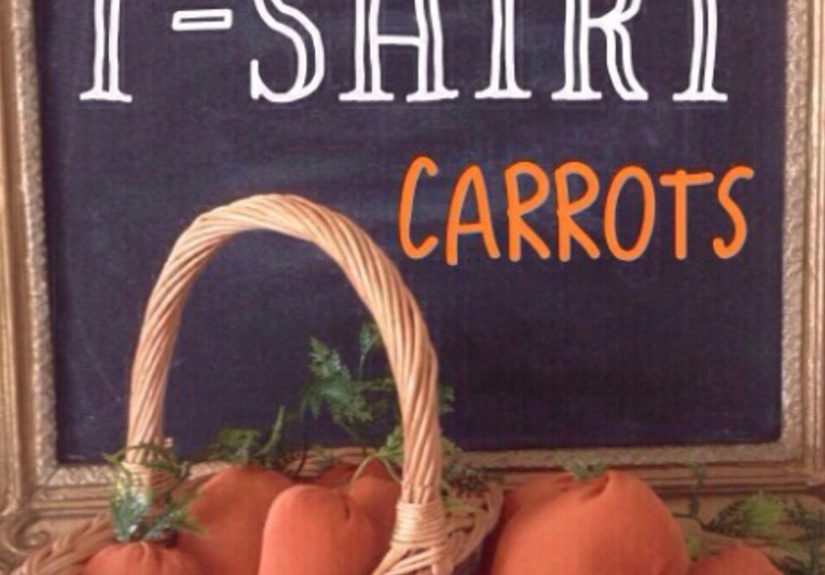
If your dresser is hiding a stack of old T-shirts that no longer spark joy, congratulations: you are already halfway to adorable spring decor. T-shirt carrots are one of those crafts that somehow manage to be cheap, cute, beginner-friendly, and weirdly satisfying all at once. They’re soft, rustic, charming, and just a little smug about the fact that they used to be an oversized concert tee.
In this guide, you’ll learn how to make T-shirt carrots from scratch using simple supplies, basic sewing or no-sew methods, and a few smart tricks to keep them from looking like orange potatoes with identity issues. Whether you want a farmhouse-style Easter display, a spring centerpiece, or just an excuse to upcycle old clothes into something delightful, this project delivers.
Why Make T-Shirt Carrots?
There are plenty of spring crafts out there, but T-shirt carrots hit a sweet spot. They’re soft enough to feel handmade in the best way, sturdy enough to reuse every year, and forgiving enough for beginners. Unlike more finicky seasonal projects, these don’t require expensive tools, perfect cutting, or the patience of a saint.
They’re also practical. Old cotton T-shirts are easy to cut, easy to turn right-side out, and easy to stuff. Stretchy knit fabric gives the finished carrots a cozy, homespun look that works beautifully in rustic, cottage, farmhouse, or casual spring decor. In other words, even if your seams are not exactly museum quality, the final result still looks intentionally charming. That is craft magic.
What You’ll Need
Basic Supplies
- 1 orange T-shirt, or any shirt you can dye, paint, or decorate orange
- 1 green T-shirt or green fabric scraps for the carrot tops
- Fabric scissors
- Needle and thread or a sewing machine
- Pins or fabric clips
- Polyester fiberfill, batting scraps, or even clean fabric scraps for stuffing
- Twine, jute, ribbon, or embroidery floss
- Fabric marker or chalk
Optional Supplies
- Hot glue gun for a no-sew shortcut
- Safety pin for turning narrow shapes
- Pinking shears for decorative edges
- Rice or dried beans for extra weight at the bottom
- Coffee, tea, or diluted brown paint for a lightly aged look
Choosing the Best T-Shirt for the Job
Not every old tee is equally glorious. For the best DIY T-shirt carrot, look for a shirt that is soft, mostly cotton, and not too thin. A little stretch is fine, but super-flimsy fabric can sag once stuffed. Medium-weight knit fabric usually works best because it is easier to handle and gives the carrot a plush shape.
If your T-shirt has a graphic on it, you still have options. Use the plain back panel, cut around the design, or lean into the chaos and let the carrot have a former life. A vintage band shirt turned into spring decor is honestly the kind of plot twist we love to see.
If you do not have an orange shirt, use white or light-colored cotton and tint it with fabric dye, diluted acrylic paint, or even leave it neutral for a primitive-style carrot. Rustic decor fans often prefer muted oranges, faded terracotta, or washed pumpkin tones over traffic-cone bright.
How to Make T-Shirt Carrots: Step-by-Step
Step 1: Cut the Carrot Shape
Lay the shirt flat and cut out a large triangle or elongated cone shape. For a standard decorative carrot, aim for a piece about 10 to 14 inches tall and 6 to 8 inches wide at the top. Fold the fabric so you cut two identical layers at once. This keeps the front and back from becoming distant cousins instead of siblings.
If you want a more natural carrot shape, round the sides slightly instead of making a sharp triangle. Real carrots are not geometry class. They usually have a gentle taper and a slightly blunt tip.
Step 2: Place Right Sides Together
If your shirt has a clear right side and wrong side, place the right sides together. Pin around the edges, leaving the top open. This top opening is where you’ll turn the carrot and add stuffing later.
Step 3: Sew the Side Seams
Sew along both long edges using a small seam allowance, about 1/4 to 1/2 inch. You can use a simple straight stitch on a machine or a backstitch by hand if you want the seam to be stronger. If you’re sewing by hand, take your time and keep the stitches close together so the stuffing doesn’t try to escape like it has somewhere better to be.
Trim excess bulk at the tip without cutting through the seam. This helps the point turn neatly.
Step 4: Turn It Right Side Out
Turn the carrot right side out through the top opening. A safety pin, chopstick, pencil eraser, or blunt knitting needle can help gently push out the tip. Be patient here. Narrow cone shapes love to act dramatic during this step.
Step 5: Stuff the Carrot
Fill the carrot with polyester fiberfill, batting scraps, or small fabric bits from the leftover T-shirt. For a fuller look, stuff firmly but not rock-hard. For a softer, more relaxed farmhouse style, use a lighter hand.
If you want the carrot to sit nicely in a basket or on a shelf, add a spoonful of rice or dried beans in the bottom before the fiberfill. That little bit of weight helps anchor the shape and keeps the carrot from rolling around like an unruly orange torpedo.
Step 6: Make the Green Carrot Top
Cut several strips of green T-shirt fabric, each about 5 to 8 inches long and 1/2 to 1 inch wide. You can leave the ends straight, fringe them, or cut long leaf-like shapes. A mix of narrow and wider strips usually looks more realistic.
Gather the strips into a bunch and insert them into the top opening. Tuck the raw edge of the carrot inward around the greens.
Step 7: Close the Top
You have two good options here:
- Sewn finish: Use a ladder stitch, whipstitch, or overcast stitch to close the top around the leaves.
- Tied finish: Gather the top with twine or jute and tie tightly just below the green strips. This creates a wonderfully rustic look and is perfect if you want the carrot to feel extra handmade.
If you love primitive decor, tie it off with rough jute and let the top wrinkle naturally. If you want a cleaner look, stitch it closed and trim the greens into a neat fan shape.
No-Sew T-Shirt Carrots
Not in a sewing mood? Fair. Some days the glue gun is the real hero. For a no-sew T-shirt carrot, cut the same cone shape, then glue the long edges together with hot glue or fabric glue, leaving the top open. Once dry, turn it right side out, stuff it, insert the green strips, and tie off the top with twine.
This method is especially good for quick holiday decor, crafting with older kids, or making a whole basket of carrots in one afternoon. It may not be as durable as sewn seams, but it absolutely gets the job done.
Ways to Customize Your Fabric Carrots
1. Add Texture
Lightly stitch horizontal lines across the carrot body with brown or tan thread to mimic natural carrot ridges. Imperfect lines look better than stiff, ruler-straight ones.
2. Distress the Fabric
If the orange is too bright, tone it down with diluted paint, tea staining, or a gentle wash. A slightly weathered finish makes the carrot look less toy-like and more decor-friendly.
3. Mix Sizes
Make a few tall carrots, a few medium ones, and a couple of tiny squat carrots. Grouped together, they look more interesting and much less like a carrot clone convention.
4. Use Different Greens
Blend T-shirt strips with ribbon, raffia, felt, or scrap fabric to create fuller tops. Some crafters even twist the strips lightly so they curl and stand up better.
How to Display T-Shirt Carrots
Once you’ve made a few, the fun really starts. These upcycled T-shirt carrots are surprisingly versatile.
- Fill a wooden bowl or wire basket for a spring table centerpiece
- Tuck them into an Easter wreath
- Lay them across a mantel with faux moss and eggs
- Use them as bowl fillers in a farmhouse kitchen
- Add them to tiered tray decor with bunnies and mini signs
- String smaller ones into a garland for a playful spring display
If your style leans rustic, pair them with twine, burlap, and muted florals. If you want a brighter look, combine them with pastel eggs, yellow daffodils, or gingham ribbon. Either way, they bring a cheerful garden vibe without requiring actual gardening. A win for everyone with black thumbs.
Common Mistakes to Avoid
Overstuffing
If the carrot looks like it swallowed a softball, ease up on the filling. Overstuffing can strain seams and make the shape look more like a plush football than a carrot.
Using Fabric That’s Too Thin
Very worn-out shirts can become see-through or saggy once stuffed. If the fabric feels flimsy, double-layer it or use interfacing.
Making the Top Too Small
A narrow opening makes it hard to insert the greens and stitch the top neatly. Leave enough room to work comfortably.
Ignoring Proportion
If the green top is too short, the carrot can look unfinished. Too long, and it starts flirting with pineapple territory. Aim for balance.
Are T-Shirt Carrots Good for Beginners?
Absolutely. This is one of the best beginner-friendly spring sewing projects because the shape is simple, the seams are forgiving, and the finish looks charming even when it is slightly imperfect. In fact, a little wobble often makes the carrot more believable. Nature is not out here making laser-straight vegetables.
It’s also a smart first project for anyone learning basic hand stitches. You can practice straight seams, turning fabric, stuffing forms, and closing an opening neatly without the pressure of making something wearable. No one is judging the hemline on a carrot.
Experiences and Lessons People Commonly Have When Making T-Shirt Carrots
One of the most common experiences people have with this project is surprise at how different each carrot turns out, even when they use the same pattern. The first one might come out skinny and elegant, the second chunky and charming, and the third somehow shaped like it has seen things. That unpredictability is part of the appeal. Because old T-shirts vary in stretch, thickness, and softness, each carrot develops its own personality. In a strange way, that makes the final display better, not worse.
Many beginners also realize quickly that knit fabric behaves differently from quilting cotton. It stretches more, rolls slightly at the cut edge, and can feel a little slippery when you are trying to line up seams. At first that seems annoying, but after a carrot or two, most crafters start to appreciate it. The stretch gives the finished shape a plump, cozy look that feels less stiff and more natural. A prim cotton carrot is lovely, but a T-shirt carrot has a softer, more relaxed vibe that works beautifully in casual spring decor.
Another frequent experience is discovering that the stuffing stage matters more than expected. People often think, “I’ll just shove some filler in there and call it a day,” and then immediately meet the consequences. Uneven stuffing makes the carrot lumpy, while overstuffing can distort the seams. The best results usually come from adding a little at a time and shaping with your fingers as you go. That slow approach sounds boring, but it is usually the difference between “adorable handmade carrot” and “orange fabric comet.”
Crafters who make several carrots also tend to get more adventurous with color and finish. The first batch is often bright orange and straightforward. The second batch might include faded orange, rusty terracotta, or tea-stained neutrals for a more vintage look. Some add hand-stitched lines, some wrap the tops in jute, and some mix in fabric leaves made from green shirts, felt, or ribbon. What starts as a simple upcycling project often turns into a full-blown seasonal decorating habit. This is how one innocent T-shirt becomes six carrots and a wreath project by Saturday afternoon.
Families who make these together often mention that the craft is surprisingly flexible across skill levels. Adults can handle the cutting and stitching, while kids can help with stuffing, choosing fabrics, or tying twine around the tops. Because the project does not demand precision in the way garment sewing does, it feels more relaxed and collaborative. Even people who claim they are “not crafty” usually end up with something display-worthy by the end.
Perhaps the best shared experience is the satisfaction of making decor that looks good without costing much. There is something deeply pleasing about turning a shirt you no longer wear into a cheerful spring decoration you actually want on display. It feels resourceful, creative, and just a little bit smug in the best possible way. And honestly, crafts that are cute, low-pressure, budget-friendly, and reusable year after year deserve a permanent spot in the seasonal rotation.
Final Thoughts
Learning how to make T-shirt carrots is a perfect reminder that great seasonal decor does not have to be expensive or complicated. With one old shirt, a little stuffing, and a few basic stitches, you can create soft, playful decorations that feel custom, cozy, and full of personality.
Whether you go for polished and pretty or rustic and wonderfully wonky, these DIY fabric carrots are easy to love. They use what you already have, look charming almost anywhere, and give tired old T-shirts a second act that is much cuter than their first. That is a solid upgrade for any shirt and any spring mantel.