Table of Contents >> Show >> Hide
- What Is a Yunomi Teacup?
- Why White Porcelain Works So Well
- Design Features of a White Porcelain Yunomi Teacup
- White Porcelain and Japanese Ceramic Traditions
- Best Teas to Drink from a White Porcelain Yunomi
- How to Choose the Right White Porcelain Yunomi Teacup
- Care Tips for White Porcelain Teacups
- White Porcelain Yunomi in Modern Home Decor
- Why This Cup Feels Different from a Mug
- Common Mistakes When Buying a White Porcelain Yunomi
- Experiences with a White Porcelain Yunomi Teacup
- Conclusion
- SEO Tags
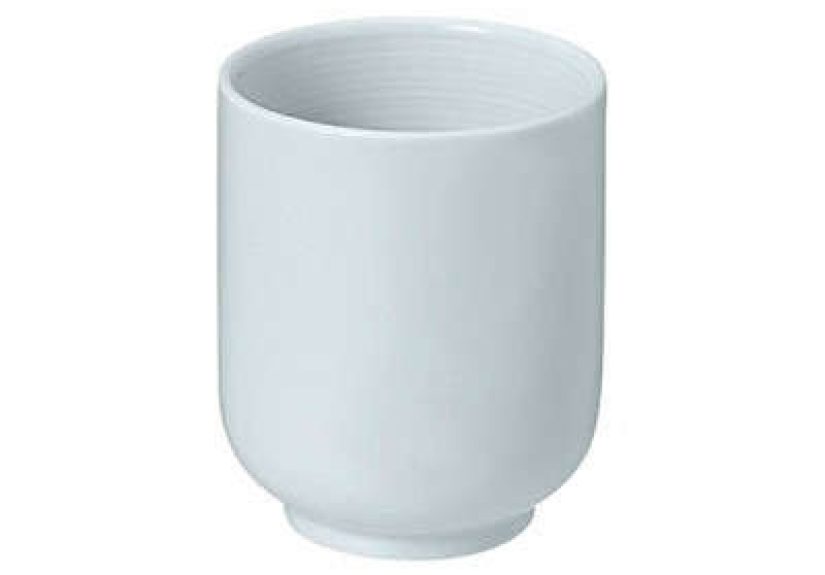
A white porcelain yunomi teacup looks simple at first glance, which is exactly how it gets you. No handle, no dramatic lid, no tiny golden dragon climbing the side like it is auditioning for a fantasy movie. Just a clean, upright Japanese teacup with a quiet glow and a shape designed for daily tea drinking. Yet the longer you use one, the more you notice that this modest cup is doing a lot of work: it frames the tea’s color, warms the hands, fits naturally into everyday routines, and adds a calm, elegant note to the table without begging for applause.
The main keyword here, white porcelain yunomi teacup, describes more than a cup. It describes a meeting point between Japanese tea culture, ceramic craftsmanship, minimalist design, and practical home use. A yunomi is traditionally a casual Japanese teacup, taller than it is wide, usually without a handle, and made for drinking steeped teas such as sencha, bancha, hojicha, and genmaicha. When made from white porcelain, it becomes especially useful for appreciating the color and clarity of the tea. Think of it as a tiny art gallery where green tea gets the best lighting in the building.
What Is a Yunomi Teacup?
A yunomi is a Japanese teacup used mostly for everyday tea rather than formal matcha ceremony. Unlike a chawan, which is a wider bowl often associated with matcha, a yunomi is usually more vertical and compact. It is designed to be held in the hand, sipped from comfortably, and used often. This is not the cup you hide in a cabinet for “someday guests.” This is the cup that wants a regular job.
The classic yunomi shape is practical. The taller body helps hold enough tea for casual drinking, while the absence of a handle encourages the drinker to notice the warmth of the cup. That warmth matters. It tells you something about the tea before you taste it. If the cup is too hot to hold, the tea may also be too hot for delicate leaves. If it feels comfortably warm, you are probably getting close to the sweet spot where aroma, temperature, and texture come together.
Why White Porcelain Works So Well
White porcelain brings a special kind of clarity to tea drinking. Porcelain is fired at high temperatures, creating a dense, smooth, nonporous ceramic surface. Compared with rougher or darker clay bodies, porcelain often feels lighter, cleaner, and more refined in the hand. In a white porcelain yunomi teacup, the interior acts like a neutral background, allowing the natural color of tea to appear clearly.
This matters more than many casual tea drinkers realize. Sencha can range from pale yellow-green to deeper grassy green. Gyokuro may appear softer, more luminous, and slightly golden. Hojicha, a roasted green tea, turns warm amber or brown. Genmaicha, with its toasted rice aroma, often lands somewhere between green-gold and light honey. A dark cup can hide these differences. A white porcelain yunomi shows them off like a proud parent at a school concert.
The Beauty of Seeing the Tea
Tea is not only tasted; it is observed. The color gives clues about leaf quality, brewing strength, water temperature, and steeping time. A bright, clear liquor may suggest careful brewing, while a cloudy or overly dark cup may hint that the tea steeped too long or the water was too hot. A white porcelain tea cup makes these details easier to notice, especially for people learning how to brew Japanese green tea with more intention.
Design Features of a White Porcelain Yunomi Teacup
At its best, a white porcelain yunomi teacup balances beauty and function. The design may look minimal, but every detail affects the drinking experience.
Shape and Size
Yunomi cups come in different capacities. Smaller versions may hold around 60 ml, making them excellent for high-grade sencha, gyokuro, or concentrated tasting sessions. Larger yunomi may hold 100 ml to 250 ml or more, which suits casual daily drinking. A smaller cup encourages slow sipping and careful brewing. A larger cup says, “Yes, I have emails to answer, but I will remain civilized.”
The most familiar yunomi profile is cylindrical or slightly tapered. A narrow base and wider lip can feel elegant and help release aroma, while a straighter wall may feel sturdier and more modern. The foot ring gives the cup stability and creates a subtle visual lift. Even plain white porcelain can feel expressive when the proportions are right.
Rim Thickness
The rim of a teacup changes how tea feels on the lips. A thin rim often feels refined and precise, making it suitable for delicate green teas. A slightly thicker rim can feel more comforting and casual. Neither is automatically better; it depends on how you drink. If you enjoy slow, mindful tea sessions, a finer rim may feel special. If your tea shares desk space with notebooks, snacks, and the occasional charging cable, a sturdier rim may be more practical.
Glaze and Finish
A white porcelain yunomi may be glossy, satin, or lightly textured. Glossy porcelain reflects light and feels smooth in the hand. Matte or satin finishes create a softer visual effect, though they may require a little more care because stains can show more easily on some surfaces. Many modern white porcelain yunomi cups keep the design intentionally quiet so the tea, not the decoration, becomes the focus.
White Porcelain and Japanese Ceramic Traditions
Japanese ceramics have a long, diverse history, with regional styles that include Mino ware, Arita ware, Hasami ware, Kutani ware, Hagi ware, Shino ware, Karatsu ware, and many others. A white porcelain yunomi teacup may be associated with porcelain-producing traditions such as Arita or Hasami, while Mino-yaki examples are also widely available in modern teaware shops. Each tradition brings its own materials, kiln practices, shapes, and decorative habits.
Porcelain has often been valued for its clean surface, light color, and ability to support fine decoration. But when the porcelain is left white, the result feels surprisingly contemporary. It can sit comfortably in a Japanese tea setting, a Scandinavian-inspired kitchen, a modern apartment, or a quiet office corner. White porcelain does not clash with much. It is the design equivalent of a polite guest who also happens to make everything around it look more organized.
Best Teas to Drink from a White Porcelain Yunomi
A white porcelain yunomi teacup is versatile, but it shines brightest with teas where color, aroma, and clarity matter.
Sencha
Sencha is one of the most common Japanese green teas and an excellent match for a white porcelain yunomi. The cup’s bright interior helps reveal the tea’s green-gold color. If you are experimenting with brewing time and water temperature, the visual feedback is useful. A cup that looks too dark may be a friendly warning that your sencha is heading toward bitterness.
Gyokuro
Gyokuro is often brewed cooler and stronger than everyday green tea. A small white porcelain yunomi works beautifully because it supports concentrated sipping. The smooth porcelain surface does not compete with the tea’s rich umami character. Since gyokuro can be expensive, it deserves a cup that does not behave like a paper cup at a gas station.
Hojicha
Hojicha is roasted, aromatic, and comforting. In a white porcelain cup, its amber-brown color looks warm and inviting. The contrast between the pale cup and roasted tea creates a simple visual pleasure, especially in the evening.
Genmaicha
Genmaicha combines green tea with roasted rice, creating a nutty, cozy flavor. A white porcelain yunomi highlights its golden tones and makes the tea feel both casual and special. It is a great everyday pairing, especially when you want something soothing but not sleepy.
How to Choose the Right White Porcelain Yunomi Teacup
Choosing a yunomi is partly practical and partly emotional. You can measure capacity and inspect glaze quality, but the best cup also has to feel right when you hold it. A cup can be technically perfect and still not become your favorite. Teaware has opinions. Quiet opinions, but opinions.
Consider the Capacity
If you drink high-quality Japanese green tea in small servings, choose a smaller cup around 60 ml to 100 ml. If you prefer casual daily tea, a larger cup around 150 ml to 250 ml may be more convenient. For office use, a medium-sized yunomi gives you enough tea without requiring constant refills.
Check the Weight
Porcelain can be thin and delicate or thicker and more durable. A lightweight cup feels elegant, while a heavier one feels grounded. If you plan to use the cup every day, choose one that feels secure in your hand. Beautiful teaware is wonderful, but not if using it feels like transporting a museum artifact across a room full of cats.
Look at the Interior
For tea appreciation, a clean white interior is ideal. Some yunomi cups have decoration outside but keep the inside white so the tea color remains visible. This is a smart compromise: personality on the exterior, clarity on the interior.
Think About Care
Many porcelain cups are dishwasher-safe and microwave-safe, especially if they have no metallic decoration. However, always follow the maker’s care instructions. Handwashing is often the gentlest choice for artisan pieces, thin rims, matte finishes, or cups with hand-painted details. A good yunomi can last for years, but only if you do not treat it like a measuring cup in a wrestling match.
Care Tips for White Porcelain Teacups
White porcelain is easy to live with, but tea can leave stains over time. This is especially true with green tea, black tea, and roasted teas. Regular cleaning keeps the cup bright and attractive.
Rinse Soon After Use
The simplest habit is also the most effective: rinse the cup soon after drinking. Tea residue becomes easier to remove before it dries. If you are using the cup at a desk, a quick rinse at the next break can prevent staining and keep the porcelain fresh.
Use Gentle Cleaning Methods
A soft sponge and mild dish soap are usually enough. Avoid harsh scouring pads, especially on matte or handmade surfaces. For light tea stains, a paste of baking soda and water can help lift discoloration. Rub gently, rinse thoroughly, and admire your cup like you just restored a tiny white temple.
Avoid Sudden Temperature Shock
Porcelain handles heat well, but sudden temperature changes can stress ceramic materials. Avoid pouring boiling water into an ice-cold cup or placing a hot cup onto a freezing surface. Pre-warming the cup with warm water can make the tea experience smoother and protect the teaware.
White Porcelain Yunomi in Modern Home Decor
The white porcelain yunomi teacup fits naturally into today’s love for simple, intentional objects. It works with minimalist kitchens, Japandi interiors, rustic shelves, open cabinetry, and modern tea stations. Because it is small, it does not dominate the space. Instead, it adds a quiet detail that says, “Someone here enjoys tea and probably owns at least one nice notebook.”
A set of white porcelain yunomi cups can also make a thoughtful gift. They are useful, attractive, and culturally meaningful without being overly formal. Pair them with sencha, hojicha, or a small kyusu teapot for a complete tea gift. For someone new to Japanese tea, a white porcelain yunomi is a friendly starting point because it is easy to use and easy to appreciate.
Why This Cup Feels Different from a Mug
A yunomi changes the rhythm of drinking tea. A mug often encourages quantity: big pour, big handle, big sip. A yunomi encourages attention. Since there is no handle, you become aware of the cup’s warmth. Since the capacity is often smaller, you drink more slowly. Since the porcelain is white, you notice the tea’s color before tasting it.
This does not mean a yunomi is better than a mug for every situation. If you want a giant serving of tea while watching a long movie, a mug may be the hero. But if you want a focused tea moment, the yunomi has a special charm. It turns drinking tea into a small ritual without requiring incense, robes, or a dramatic soundtrack.
Common Mistakes When Buying a White Porcelain Yunomi
Choosing Only by Looks
A beautiful cup still needs to feel good in the hand. Check the size, weight, rim, and stability. If the base looks too narrow for your habits, it may tip easily. If the walls are too thin, it may feel too hot to hold.
Ignoring Capacity
A 60 ml yunomi and a 250 ml yunomi serve very different purposes. The small one is excellent for refined tea tasting. The larger one is better for relaxed daily drinking. Buying the wrong size can turn a lovely cup into a shelf decoration with commitment issues.
Forgetting About Cleaning
White porcelain shows stains more clearly than dark ceramics. That is part of its honesty. If you love the bright look, choose a finish that is easy to clean and build a simple rinsing habit.
Experiences with a White Porcelain Yunomi Teacup
Using a white porcelain yunomi teacup every day has a way of making tea feel more deliberate, even when the rest of the day is running around with its shoes untied. The first thing you notice is the size. Compared with a large coffee mug, a yunomi feels more personal. It does not ask you to drink a bathtub of tea. It asks you to pay attention to a few careful sips.
One of the best experiences comes with sencha. Pouring freshly brewed sencha into a white porcelain cup is oddly satisfying. The color appears immediately: sometimes pale green, sometimes yellow-green, sometimes bright and almost glowing if the tea is especially fresh. It becomes easier to understand when the brew is balanced. After a few sessions, you may start adjusting steeping time based not only on taste but also on color. The cup becomes a small teacher, and thankfully, it does not assign homework.
The hand feel is another pleasure. A yunomi without a handle makes you interact with tea differently. You hold the body of the cup, feel the warmth, and naturally slow down. With very hot tea, you instinctively wait. With warm tea, you sip. This physical feedback is part of the design. It keeps the experience connected to the senses instead of turning tea into just another beverage sitting beside a keyboard.
A white porcelain yunomi also makes a desk or kitchen table feel calmer. Its clean color does not create visual noise. Place it beside a small teapot, a wooden tray, or a folded napkin, and suddenly the setup looks intentional. This is helpful in real life, where most tables are one receipt, two pens, and three mystery cables away from chaos. The cup brings a little order without judging the mess around it.
There is also a satisfying versatility to it. In the morning, it works with green tea. In the afternoon, it suits roasted hojicha. In the evening, it can hold warm water with a slice of ginger or a caffeine-free herbal infusion. Purists may raise an eyebrow at non-Japanese uses, but a good cup earns its place by being used. A white porcelain yunomi is elegant enough for guests and simple enough for Tuesday.
Over time, the cup can become part of a routine. Rinse it, warm it, brew the tea, pour slowly, notice the color, sip, pause. None of these steps is complicated. That is the point. The experience is not about performing tea culture perfectly; it is about making a small daily act feel more thoughtful. A white porcelain yunomi teacup proves that an object does not need to be loud to be meaningful. Sometimes the quietest cup on the shelf becomes the one you reach for most.
Conclusion
A white porcelain yunomi teacup is simple, useful, and quietly beautiful. Its handleless shape connects the drinker to the warmth of the tea, while its white porcelain surface highlights the color and clarity of each brew. Whether used for sencha, gyokuro, hojicha, genmaicha, or a personal daily tea ritual, it offers a refined experience without becoming fussy.
For anyone building a tea collection, upgrading from a standard mug, or looking for a meaningful gift, the white porcelain yunomi is a smart choice. It blends Japanese tradition with modern minimalism, supports mindful drinking, and looks good almost anywhere. It is proof that the right cup can make tea taste better, or at least make you feel like you finally have your life together for five peaceful minutes.