Table of Contents >> Show >> Hide
- What Is a Normal Housing Market?
- The Main Signs of a Normal Housing Market
- What a Normal Market Looks Like for Buyers
- What a Normal Market Looks Like for Sellers
- Why Local Markets Matter More Than National Headlines
- Normal Does Not Mean the Same as Pre-Pandemic
- Examples of Balanced, Hot, and Cool Housing Conditions
- How to Tell If Your Local Market Is Normal
- Experience-Based Insights: What a Normal Housing Market Feels Like in Real Life
- Conclusion: Normal Is Balance, Not Boredom
A normal housing market is a little like a normal family dinner: nobody is shouting, nobody is sprinting for the last dinner roll, and nobody is quietly calculating whether mashed potatoes count as a retirement plan. In real estate terms, “normal” does not mean perfect, cheap, or calm every single week. It means buyers and sellers both have reasonable options, homes move at a healthy pace, prices rise at a sustainable rate, and mortgage payments do not make people stare dramatically out the window like they are in a music video.
After years of wild swingspandemic bidding wars, record-low mortgage rates, rapid price growth, low inventory, higher rates, affordability stress, and region-by-region weirdnessmany Americans are asking a simple question: what would a normal housing market even look like anymore? The answer depends on supply, demand, mortgage rates, home prices, local jobs, construction, and buyer confidence. In other words, it depends on more moving parts than a garage sale treadmill.
This guide breaks down the signs of a balanced real estate market, what “normal” means for buyers and sellers, and why the U.S. housing market rarely behaves the same in every city at the same time.
What Is a Normal Housing Market?
A normal housing market is usually a balanced market. That means neither buyers nor sellers have all the power. Buyers are not forced to waive every contingency, offer above asking price by lunchtime, and write a love letter to a breakfast nook. Sellers are not waiting months with no showings, slowly lowering the price while pretending the feedback about the orange bathroom tile was “interesting.”
In a healthy market, homes are listed, viewed, negotiated, inspected, financed, and sold without extreme pressure on either side. Prices may still rise, but they tend to rise gradually. Homes may still receive multiple offers, but not every property becomes a gladiator arena. Buyers have time to compare options, and sellers who price correctly can still attract serious offers.
The key word is balance. A normal housing market is not one where everyone gets exactly what they want. It is one where the market gives both sides enough room to make thoughtful decisions.
The Main Signs of a Normal Housing Market
1. Housing Inventory Is Neither Too Tight Nor Too Bloated
Inventory is one of the clearest signs of market health. Housing inventory refers to the number of homes available for sale. When inventory is extremely low, buyers compete fiercely for limited choices. This often leads to rising prices, faster sales, and fewer seller concessions. When inventory is too high, homes sit longer, sellers reduce prices, and buyers gain more negotiating power.
A commonly used benchmark for a balanced housing market is roughly four to six months of supply, though some analysts use a slightly wider range. Months of supply means how long it would take to sell all current homes on the market at the current sales pace if no new homes were listed. If supply is below that range, the market usually favors sellers. If it is above that range, buyers often gain leverage.
In the real world, existing-home supply and new-home supply can look very different. Existing homes may remain limited because many owners are reluctant to sell and give up a low mortgage rate. New construction, meanwhile, may have more available inventory in some regions, especially where builders added homes during the pandemic boom. A normal market should have enough listings that buyers can make comparisons, but not so many that sellers feel like they are shouting into the void.
2. Homes Sell in Weeks, Not Hours or Forever
Days on market is another useful signal. In an overheated seller’s market, a well-priced home may sell in a few days or even within hours. That sounds exciting, unless you are the buyer trying to schedule a showing after school, work, dinner, and the dog’s mysterious appointment with the carpet.
In a normal market, homes usually take a few weeks to sell. The exact number depends on location, season, price range, and property condition. A move-in-ready home in a desirable neighborhood may still sell quickly, while an overpriced home with ancient carpet and a basement that smells like forgotten gym socks may take longer.
What matters is not one national number. It is whether homes are moving at a pace that allows buyers to inspect, compare, and negotiate while still rewarding sellers who price realistically.
3. Home Prices Grow Slowly and Sustainably
Normal home-price growth is not a rocket launch. It is more like a steady walk uphill with sensible shoes. Over time, home values often rise because of wage growth, inflation, population growth, land scarcity, and local economic strength. But when prices rise much faster than incomes for too long, affordability gets squeezed.
In a normal housing market, home prices may increase modestly from year to year. Some neighborhoods may rise faster, some may flatten, and some may decline if supply grows or demand cools. That is not automatically a crash. Local price adjustments are part of a functioning market.
A healthy market allows prices to reflect reality. If mortgage rates are high and buyers cannot afford yesterday’s prices, sellers may need to adjust. If inventory is scarce and demand is strong, prices may hold firm. The best sign of normalcy is when prices respond logically to supply, demand, and affordability instead of behaving like they drank three espressos and joined a bidding war.
4. Mortgage Rates Are Stable Enough for Planning
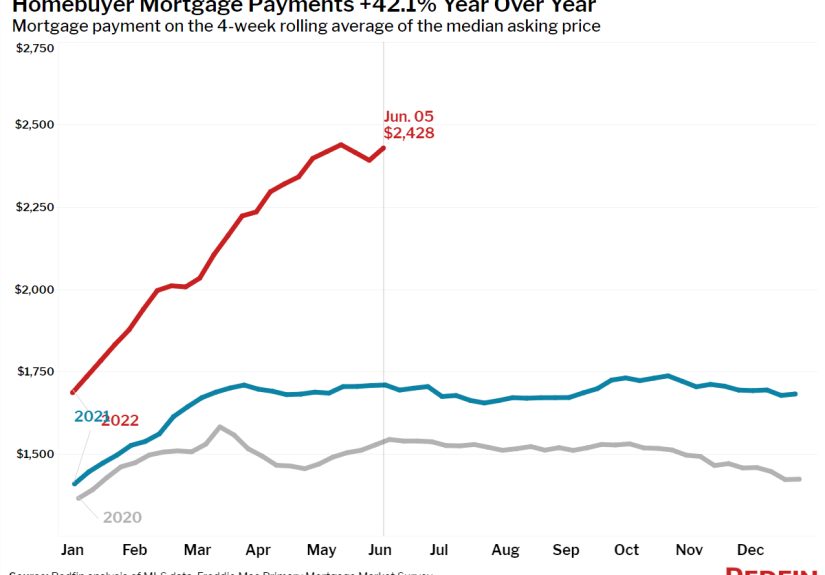
Mortgage rates have a huge effect on housing affordability. A buyer’s monthly payment can change dramatically depending on the interest rate, even if the home price stays the same. That is why a normal housing market needs not only reasonable rates, but also rate stability.
Rates do not need to return to historic lows for the market to function. Ultra-low rates can actually create too much demand and push prices upward. But when mortgage rates jump quickly or remain unpredictable, buyers hesitate, sellers struggle to price accurately, and the market slows.
A more normal market gives households time to plan. Buyers can estimate payments without needing a calculator, a therapist, and a small weather forecast. Sellers can understand what buyers can afford. Lenders can process demand more consistently. Stability matters almost as much as the actual rate.
5. Buyers Can Negotiate Without Feeling Like Villains
In a balanced housing market, negotiation comes back to earth. Buyers may ask for inspections, repairs, closing-cost help, or price adjustments. Sellers may accept, reject, or counter. Nobody needs to act shocked that a buyer wants to know whether the roof is older than the internet.
During extreme seller’s markets, buyers often waive protections just to compete. That can lead to regret and expensive surprises. During extreme buyer’s markets, sellers may face repeated low offers and long listing times. A normal market sits between those extremes.
Reasonable negotiation is healthy. It means buyers are not desperate, sellers are not unrealistic, and both sides can reach an agreement based on condition, price, demand, and timing.
What a Normal Market Looks Like for Buyers
For buyers, a normal housing market offers breathing room. You may still need to act quickly on a great home, but you should not feel forced to make a life-changing decision during a 15-minute showing while standing next to a scented candle labeled “Mortgage Panic.”
In a normal market, buyers usually have more than one option. They can compare neighborhoods, review school districts, check commute times, understand property taxes, and schedule inspections. They may not get a massive discount, but they can make an informed offer.
Normal does not always mean affordable, however. This is important. A market can become more balanced while still being expensive. If mortgage rates are high and home prices remain elevated, buyers may have more choices but still face tough monthly payments. That is why affordability is a separate issue from balance. More inventory helps, but it does not magically turn a $500,000 house into a $250,000 house. Real estate is powerful, but it is not a fairy godmother with granite countertops.
What a Normal Market Looks Like for Sellers
For sellers, a normal housing market rewards preparation and realistic pricing. The days of listing a home, receiving 17 offers, and choosing the one with the fewest questions may not apply. In a balanced market, buyers compare properties carefully. They notice condition, layout, location, and price.
A seller in a normal market should expect showings, feedback, negotiation, and possibly some waiting. That does not mean the home is unwanted. It means buyers have options. Pricing correctly from the start becomes more important because stale listings can lose momentum.
Homes that are clean, repaired, well-presented, and priced according to local comparable sales can still perform well. Overpriced homes, on the other hand, tend to sit. In a normal market, the listing price is not a wish list. It is a strategy.
Why Local Markets Matter More Than National Headlines
National housing headlines are useful, but they can also be misleading. The U.S. housing market is not one giant neighborhood. It is thousands of local markets moving at different speeds. A buyer’s market in parts of Florida or Texas can exist at the same time as a tight seller’s market in parts of the Northeast or Midwest.
Local job growth, new construction, migration patterns, taxes, insurance costs, zoning rules, and school demand all shape housing conditions. One city may have rising inventory and price cuts. Another may have limited listings and strong competition. A third may be balanced overall, but wildly different depending on whether you are shopping for starter homes, luxury properties, condos, or new construction.
That is why the question is not only “What does a normal housing market look like?” but also “Normal where?” A national trend may set the mood, but your local market writes the script.
Normal Does Not Mean the Same as Pre-Pandemic
Many people compare today’s housing market with the years before 2020. That makes sense, but it can also create false expectations. The housing market has changed. Remote work shifted demand. Homeowners with low mortgage rates became less willing to move. Construction patterns changed. Insurance costs rose in some states. Affordability became a bigger challenge for first-time buyers.
A new normal may not look exactly like the old one. Mortgage rates may remain higher than pandemic-era lows. Inventory may recover unevenly. Builders may play a larger role in some markets because existing homeowners are staying put. Buyers may be more cautious, and sellers may need to compete on price and condition again.
That does not mean the market is broken. It means normal is a moving target. The goal is not to return to one magical year. The goal is a market where supply, demand, pricing, lending, and consumer confidence operate without constant drama.
Examples of Balanced, Hot, and Cool Housing Conditions
Imagine three neighborhoods. In Neighborhood A, there are only five homes for sale, and every listing receives multiple offers within a weekend. Buyers waive inspections, prices rise fast, and sellers barely have time to put the sign in the yard. That is not normal; that is a seller’s market wearing running shoes.
In Neighborhood B, there are many homes for sale, price reductions are common, and buyers can negotiate repairs and closing costs. Homes take two or three months to sell unless they are aggressively priced. That may be a buyer’s market, especially if supply is high and demand is soft.
In Neighborhood C, buyers have enough listings to compare, sellers who price well receive offers within several weeks, inspections are normal, and prices are mostly stable with modest growth. That is much closer to a normal housing market.
How to Tell If Your Local Market Is Normal
To understand your local market, look at more than one number. Start with months of supply. Then check median days on market, price reductions, sale-to-list price ratio, new listings, pending sales, and mortgage-rate trends. Also compare similar homes, not just citywide averages. A three-bedroom starter home and a luxury waterfront property may behave like they live on different planets.
Ask practical questions. Are homes selling close to asking price? Are sellers offering concessions? Are buyers competing for every decent property? Are listings sitting longer than last year? Are builders offering incentives? Are prices rising, falling, or flattening?
When several indicators point in the same direction, you get a clearer picture. A normal market usually shows moderate inventory, moderate selling times, reasonable negotiation, and price movement that matches local affordability.
Experience-Based Insights: What a Normal Housing Market Feels Like in Real Life
The easiest way to understand a normal housing market is to think about how it feels on the ground. In a normal market, the buying process feels busy but not frantic. You may still need to move with purpose, but you are not refreshing listing apps like they are sports scores in overtime. You can tour a property, ask questions, sleep on the decision, and still have a chance to make an offer. That one extra night of thinking can save people from buying a house with “character,” which sometimes means charm and sometimes means a staircase designed by a pirate.
For first-time buyers, a normal market often feels educational instead of punishing. They learn what they can afford, what trade-offs matter, and which features are nice versus necessary. Maybe the perfect kitchen is less important than a shorter commute. Maybe the extra bedroom matters more than the trendy backsplash. A healthier market gives buyers enough room to discover those priorities before signing a very large stack of papers.
For sellers, the experience is more professional and less magical. In a hot market, some sellers start believing their home is a celebrity. In a normal market, presentation matters again. Small repairs, clean landscaping, fresh paint, accurate pricing, and good photos can make a meaningful difference. Buyers notice when a home feels cared for. They also notice when every room has a different flooring material and the listing description says “unique.” Unique is fine. Confusing is expensive.
A normal housing market also changes the tone of conversations. Real estate agents spend less time managing panic and more time explaining strategy. Mortgage lenders can help buyers compare scenarios without every rate change feeling like a plot twist. Inspectors become part of the process again, not an optional luxury. Appraisals, contingencies, and repair requests return to their proper role: protecting both sides from unpleasant surprises.
Another real-life sign of normalcy is that people make housing decisions for personal reasons, not only market fear. Families move because they need more space. Empty nesters downsize because the upstairs bedrooms have become expensive dust museums. Remote workers relocate for lifestyle. Homeowners sell because life changes. In an abnormal market, people often freeze because they are afraid to buy high, sell low, lose a low mortgage rate, or miss the “right” moment. A normal market does not remove uncertainty, but it reduces the feeling that every decision requires a crystal ball.
The best experience in a normal market is confidence. Buyers may not love every price. Sellers may not love every offer. But both sides understand the rules of the game. Homes are available, financing is possible, negotiation is expected, and decisions are based on life needs rather than market chaos. That is what normal looks like: not perfect, not cheap, not effortless, but workable. And in real estate, workable is underrated.
Conclusion: Normal Is Balance, Not Boredom
A normal housing market is not one where homes are cheap, rates are tiny, and everyone gets a backyard big enough for a garden, a pool, and a small alpaca named Kevin. A normal housing market is balanced. Buyers have choices. Sellers have opportunities. Prices move at a sustainable pace. Homes sell in a reasonable amount of time. Mortgage rates are stable enough for people to plan. Negotiation is normal, inspections are respected, and local conditions matter more than national panic.
For buyers, the lesson is to study affordability, inventory, and local trends before making an offer. For sellers, the lesson is to price realistically and prepare the home carefully. For everyone, the lesson is simple: the healthiest housing market is not the loudest one. It is the one where ordinary people can make smart decisions without feeling like they are competing in a reality show called “America’s Next Top Mortgage.”