Table of Contents >> Show >> Hide
- What “Modern Hearth” Really Means Today
- The Essential Modern Hearth Accessories
- How to Match Accessories to Fireplace Type
- How to Style a Modern Hearth Without Overdoing It
- Safety First, Because Burned Eyebrows Are a Poor Design Choice
- What to Look for When Shopping
- Modern Hearth Ideas for Different Styles
- Real Experiences With Modern Hearth Accessories
- Final Thoughts
A modern hearth is not just a place where fire happens. It is where style, comfort, and common sense finally agree to sit in the same room without arguing. The right fireplace accessories do more than make your hearth look polished. They make tending a fire easier, help protect your floors, support safer use, and turn that awkward little zone around the firebox into a feature instead of a forgotten corner.
In other words, fireplace accessories are the supporting cast that quietly steal the show. A sleek tool set, a sturdy screen, a handsome log holder, or a well-chosen hearth rug can make the difference between “designer cozy” and “campfire chaos in the living room.” Whether your fireplace is wood-burning, gas, electric, or mostly decorative, choosing the right accessories helps the hearth feel intentional, modern, and livable.
This guide breaks down the best modern hearth accessories, how to choose them, how to style them, and where safety should politely but firmly interrupt your shopping spree.
What “Modern Hearth” Really Means Today
Modern hearth design is less about stuffing the fireplace area with every iron object known to humankind and more about thoughtful curation. Today’s hearth leans toward clean silhouettes, heat-resistant materials, practical storage, and accessories that look good even when the fire is off. A modern hearth can be minimalist, warm, industrial, Scandinavian, rustic-contemporary, or quietly luxurious. The common thread is balance: form meets function, and nobody trips over an oversized bucket on the way to the sofa.
That balance matters because fireplaces are still strong visual anchors in American homes. Even when they are not in use, the hearth remains a focal point. That means your accessories must pull double duty. They should work when the fire is burning and still look composed when the flames are just taking the day off.
The Essential Modern Hearth Accessories
1. Fireplace Tool Set
If the hearth had a starter pack, the tool set would be first in line. For a wood-burning fireplace, the basics usually include a poker, tongs, shovel, and brush. These tools help you adjust logs, manage airflow, move embers, and clean ash without auditioning for a role as “person who learns lessons the hard way.”
Modern tool sets often come in matte black steel, brushed brass, polished nickel, or understated powder-coated finishes. A rectangular frame or slim vertical stand looks especially at home beside a contemporary hearth. The best sets are sturdy, easy to grip, and heavy enough not to wobble every time someone walks past dramatically.
Even in homes where the fireplace is more occasional than daily, a well-made tool set signals readiness. It says, “Yes, this hearth is decorative, but it also has range.”
2. Fireplace Screen
A fireplace screen is the overachiever of hearth accessories. It protects the room from stray sparks and embers, adds texture and contrast to the firebox, and can completely change the mood of the space. In a modern hearth, flat black mesh screens, simple arched frames, and low-profile steel designs are especially versatile.
For wood-burning fireplaces, a screen is a real safety essential. For gas fireplaces, screens can still be useful depending on the setup. If you have hot glass or an accessible fire area, an appropriate barrier helps keep children, pets, and absent-minded grown-ups from getting too close. The key word here is appropriate. With gas units, any attachable screen or barrier should be compatible with the fireplace manufacturer’s requirements. Stylish is good. Stylish and approved is much better.
3. Hearth Rug
The hearth rug deserves a standing ovation because it manages to be practical and cozy at the same time. A properly chosen hearth rug helps protect nearby flooring from sparks, ash, and heat while visually softening the hard edges of stone, tile, brick, or metal.
In modern spaces, the best hearth rugs tend to avoid fussy patterns and lean toward subtle texture, muted neutrals, geometric designs, or understated borders. Beige, charcoal, slate, sand, and deep navy work beautifully depending on the fireplace surround. Think of the hearth rug as the accessory that whispers instead of shouting. It ties the zone together without demanding applause every five minutes.
4. Log Holder or Firewood Rack
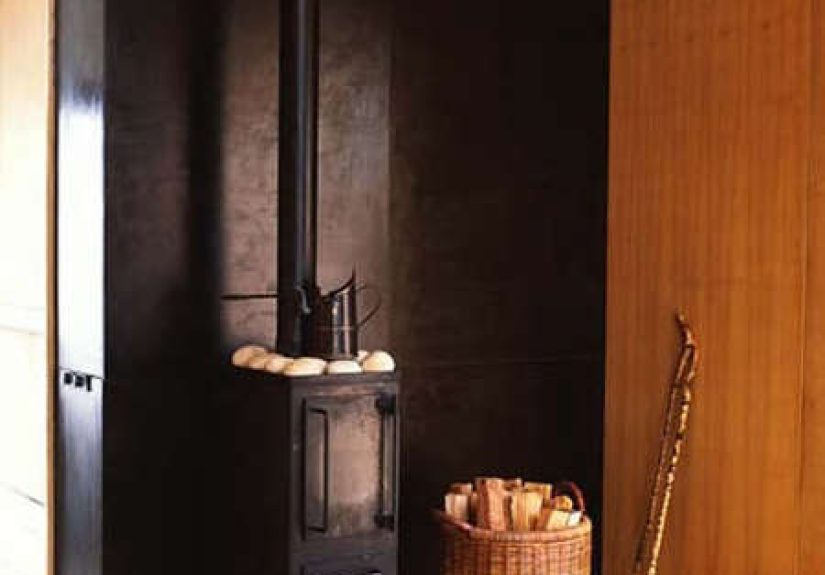
A modern hearth loves firewood storage that looks intentional. A log holder, basket, tote, or compact rack can add natural texture while keeping fuel nearby. Woven baskets warm up sleek interiors. Black steel racks sharpen rustic spaces. Leather or canvas totes offer a more casual, relaxed vibe. Birch logs stacked neatly beside a fireplace are basically the home-design version of flattering lighting.
That said, neatness matters. A good log holder makes the firewood look curated, not like it wandered in from the backyard and decided to live there.
5. Grates and Andirons
For wood-burning fireplaces, grates help lift logs off the floor of the firebox, which improves airflow and supports a cleaner burn. Andirons add both support and style, helping keep logs in place while bringing decorative personality to the hearth. In modern interiors, andirons work best when they are sculptural but not fussy. Think streamlined iron, quiet brass accents, or shapes that feel architectural instead of colonial cosplay.
If your fireplace is truly modern, even one small detail like a refined grate can keep the whole setup looking deliberate. The goal is not to recreate an 18th-century manor unless that is genuinely your thing. The goal is to make the firebox feel finished.
6. Ash Bucket and Gloves
These are not glamorous, but they are the adults in the room. A metal ash bucket with a lid and a good pair of heat-resistant gloves make cleanup easier and safer. Modern versions are available in clean finishes that coordinate with the rest of the hearth area, so you do not have to choose between useful and attractive.
If you burn wood regularly, these two items move from “nice to have” to “why did I wait so long?” territory.
How to Match Accessories to Fireplace Type
Wood-Burning Fireplaces
Wood-burning fireplaces need the fullest accessory lineup because they involve real fuel, real embers, real ash, and real chances to make a mess if you are underprepared. Prioritize a sturdy screen, complete tool set, grate, log storage, gloves, and ash bucket. Burn only dry, well-seasoned wood, and do not treat the fireplace like a convenient place to burn mystery leftovers from the garage. Garbage, plastic, and pressure-treated wood do not belong in the fire.
Gas Fireplaces
Gas fireplaces need fewer tending tools, but they still benefit from thoughtful accessories. A simple screen or manufacturer-approved barrier, a low-key hearth bench, decorative objects nearby, and a clean mantel arrangement are often enough. Safety matters here, too, especially because gas fireplace glass can become dangerously hot during and after operation.
Electric Fireplaces
Electric fireplaces shift the accessory conversation from fire management to visual styling. Because there is no open flame and maintenance is lighter, you can focus more on the surrounding decor. A basket for blankets, a sculptural screen for visual layering, a mirror over the mantel, books, ceramics, and soft lighting all work well. For electric units, look for accessories that complement the finish and scale of the fireplace rather than overwhelm it.
Decorative or Nonworking Fireplaces
A nonworking fireplace is not a dead zone. It is a bonus styling opportunity. Fill the firebox with pillar candles, LED candles, stacked books, cut logs, ceramic objects, or plants. Add a decorative screen in front and style the mantel with a restrained mix of art, vases, and collected objects. The trick is restraint. A modern hearth should feel layered, not like a seasonal decor aisle had a nervous breakdown.
How to Style a Modern Hearth Without Overdoing It
The most successful hearth styling usually follows one simple rule: let the fireplace remain the main character. Accessories should support the architecture, not mug for attention. Start with one anchor piece, such as a black screen, a beautiful tool set, or a stacked log holder. Then add one or two secondary elements that bring softness or contrast, such as a rug, a woven basket, or a pair of ceramic vessels.
If your mantel is deep, layer art and a mirror for dimension. If the hearth is shallow or the room is already busy, go more minimal. A single oversized artwork, a sculptural vase, or a restrained pair of candlesticks can be enough. In modern interiors, negative space is not “empty.” It is breathing room for the eye.
Color matters, too. Black, brass, warm wood tones, cream, greige, and stone shades are easy winners for a modern hearth. If the fireplace surround is bold, keep the accessories quiet. If the surround is plain, the accessories can do a little more heavy lifting.
Safety First, Because Burned Eyebrows Are a Poor Design Choice
Beautiful hearth accessories are only worth having if they are used safely. Start with annual inspection and maintenance, especially for wood-burning units. Chimneys and venting systems should be checked regularly, and ashes should be placed in a closed metal container away from the house until fully cool. Keep smoke and carbon monoxide detectors in working order.
For wood fires, use dry, split, well-seasoned wood. Start fires with appropriate tinder and kindling, not with accelerants or improvised chaos. Keep flammable decor, throws, paper, and furniture at a sensible distance. A modern hearth should feel warm, not recklessly enthusiastic.
For gas fireplaces, remember that glass fronts can stay extremely hot long after the flames are off. Homes with children or pets should seriously consider proper protective barriers. For electric fireplaces, look for tested, certified models and helpful features like overheat protection, timers, cool-touch exteriors, and automatic shut-off.
What to Look for When Shopping
Material Quality
Steel, cast iron, tempered or mesh screen materials, wool blends, leather, and natural woven fibers are common winners. Pick finishes that can handle heat and age gracefully.
Scale
A giant tool set beside a petite fireplace looks clumsy. Tiny accessories beside a dramatic stone surround disappear. Measure the width and height of the firebox and the surrounding hearth before buying.
Stability
Screens should sit securely. Tool stands should not tip easily. Log holders should support weight without bowing. This is not the place for flimsy bargains with great marketing photos and the structural confidence of a breadstick.
Compatibility
Not every accessory is right for every fireplace. Gas units, inserts, and glass-front systems may require specific approved barriers or accessories. Always check product guidance before adding anything that affects heat or airflow.
Modern Hearth Ideas for Different Styles
Minimalist Modern
Choose a matte black screen, slim tool set, low log rack, and one oversized artwork above the mantel. Keep the palette monochrome and the shapes clean.
Warm Contemporary
Pair bronze or black tools with a woven basket, soft neutral hearth rug, and layered ceramics. Add natural wood tones to keep the room from feeling too severe.
Industrial
Use iron accessories, visible texture, darker finishes, and utilitarian forms. A blackened steel grate and architectural andirons work especially well.
Soft Organic
Try pale stone, textured linen, a sand-toned rug, curved vessels, and neatly stacked birch logs. The look is calm, edited, and quietly expensive without needing to brag about it.
Real Experiences With Modern Hearth Accessories
One of the most common experiences homeowners describe after upgrading their hearth accessories is surprise at how much the space changes without a full renovation. A family with an older brick fireplace may spend years thinking the surround itself is the problem, only to discover that replacing a dated brass screen with a low-profile black mesh version instantly makes the entire fireplace feel more current. Add a simple log holder, remove visual clutter, and suddenly the room looks intentional instead of inherited.
Another frequent experience comes from people who use their fireplace often in winter. They start out with the bare minimum, maybe a random poker and a bucket that does not match anything, then realize daily use is much easier with a complete set of tools and a proper hearth rug. The poker is no longer hiding in a closet. The shovel actually works. The brush makes cleanup less annoying. The rug saves the floor from those tiny bits of ash that somehow travel farther than basic logic suggests they should. The result is not just better style, but less friction in everyday living.
Gas fireplace owners often report a different kind of wake-up call: hot glass. Many people assume gas fireplaces are “easy” and therefore low-risk, especially because there is no wood pile or visible ash. Then they learn that the glass front can stay dangerously hot after use. For families with children or pets, adding the right protective barrier becomes one of those purchases that is both practical and deeply reassuring. It may not be the most glamorous accessory in the room, but peace of mind has a pretty strong design value of its own.
In smaller homes and apartments, electric fireplaces create another kind of experience entirely. Homeowners and renters often choose them for ambiance first and heat second. What makes the space feel finished is not necessarily the unit alone, but the accessories around it: a mirror, a pair of lamps, a basket with throws, a few stacked books, maybe a sculptural object or candles on the mantel. Because there is less maintenance, people tend to focus on the fireplace as a styling anchor. The best setups feel cozy without pretending to be rustic cabins in the woods. They feel modern, lived-in, and believable.
Then there are nonworking fireplaces, which might be the most underestimated design opportunity of all. People often assume an unusable firebox is a flaw, but many discover it can become one of the most charming features in the room. Filling the opening with stacked logs, flameless candles, ceramics, or plants creates visual depth and gives the hearth a purpose year-round. A decorative screen in front can make the whole arrangement feel finished. What was once an awkward black hole becomes a conversation piece.
Perhaps the most valuable experience people share is that a modern hearth feels best when it reflects real life. The prettiest setup is not always the one with the most accessories. It is the one that suits how the fireplace is actually used. A household that burns wood every weekend needs durable tools and practical storage. A home with a gas insert may need barriers and simplified decor. A style-focused apartment might need no fire tools at all, just smart layering and restraint. Once homeowners stop decorating for fantasy and start accessorizing for reality, the hearth almost always looks better. Funny how that works.
Final Thoughts
The best modern hearth accessories do not just decorate a fireplace. They support how the space functions, how it feels, and how safely it operates. A good screen protects. A solid tool set simplifies use. A refined rug softens the scene. A log holder adds both order and texture. Thoughtful styling keeps the hearth current without making it look staged for a photo shoot that no one asked for.
If you are refreshing your fireplace area, start with one practical upgrade and one visual upgrade. That pairing usually gets you the farthest. Pick accessories that fit your fireplace type, your room’s scale, and your actual habits. Because the most successful modern hearth is not the one with the most stuff. It is the one that feels warm, calm, and confidently put together.