Table of Contents >> Show >> Hide
- A quick, non-boring gallbladder primer (so breakfast choices make sense)
- The breakfast rules that usually help (without turning your life into plain toast)
- Gallbladder-friendly breakfast foods to lean on
- Common breakfast triggers (aka “things that taste amazing and may betray you”)
- 12 breakfast ideas that are easier on gallbladder issues
- 1) Classic oatmeal with fruit
- 2) Overnight oats (light version)
- 3) Egg-white veggie scramble + toast
- 4) Greek yogurt parfait (low-fat)
- 5) Smoothie that won’t ambush your stomach
- 6) Cream-of-wheat or hot cereal bowl
- 7) Whole-grain toast with banana + a light smear of nut butter
- 8) Cottage cheese (low-fat) + fruit
- 9) Breakfast burrito (gallbladder-friendly remix)
- 10) Quinoa breakfast bowl
- 11) Avocado toast… carefully
- 12) Leftovers that work (yes, breakfast leftovers)
- Three sample breakfast menus (pick your adventure)
- A simple formula to build your own gallbladder-friendly breakfast
- Breakfast questions people Google at 2 a.m.
- When to get medical advice (not just breakfast advice)
- Real-world experiences: what people say helps (and what they wish they knew sooner)
- Conclusion
If breakfast is the “most important meal of the day,” then gallbladder disease is the tiny organ issue that can make
your morning feel like a reality show called Who Ate the Grease? One minute you’re living your best life with a
buttery croissant and a latte. The next, your upper belly is staging a protest and your plans are canceled.
The good news: you don’t have to ban breakfast (or joy). With gallbladder problemswhether you’re dealing with
gallstones, chronic gallbladder irritation, or you’ve had your gallbladder removedmany people do better with
breakfasts that are lower in fat, higher in fiber (at the right pace), and built around simple, whole foods.
This guide breaks down what tends to help, what commonly triggers symptoms, and specific breakfast ideas you can
actually look forward to eating.
A quick, non-boring gallbladder primer (so breakfast choices make sense)
What your gallbladder does (and why breakfast can trigger trouble)
Your gallbladder stores bile, which helps your body digest fat. When you eatespecially fatty foodsyour gallbladder
squeezes bile into your small intestine. If you have gallstones or inflammation, that squeeze (or a blocked bile duct)
can cause pain, nausea, or indigestion-like symptoms. That’s why a greasy breakfast can feel like a bad idea at
7:30 a.m. and an even worse idea at 9:00 a.m.
If you still have a gallbladder vs. you had it removed
“Gallbladder disease” is a big umbrella. Two common scenarios affect breakfast differently:
-
Gallstones or chronic gallbladder issues (gallbladder still present): Many people feel better with
a low-fat, high-fiber eating pattern and fewer refined carbs/sugary foods. Small amounts of healthier fats may be
better tolerated than large, greasy hits. -
After gallbladder removal (cholecystectomy): You can still digest fat, but bile flows more
continuously instead of being released in a timed “squirt.” Some people get loose stools, bloating, or urgency,
especially if they jump back into high-fat meals too quickly. Early on, many clinicians recommend low-fat choices,
then slowly expanding variety and fiber as your body adjusts.
The breakfast rules that usually help (without turning your life into plain toast)
1) Keep fat “low to moderate,” and choose it wisely
Fat isn’t the enemyit’s just the loudest thing in the room when your gallbladder is cranky. Many people do best
when breakfast fat is minimal (especially during flares or right after surgery) or moderate
and coming from “healthier” sources (like a small amount of olive oil, nut butter, seeds, or avocado).
Practical tip: instead of “no fat ever,” aim for no grease bombs. Skip fried foods, heavy cream,
sausage, bacon, buttery pastries, and oversized cheese portionsespecially first thing in the morning.
2) Fiber is your friend… but not an aggressive friend
Fiberespecially from oats, fruits, vegetables, beans, and whole grainscan support digestion and overall gut health.
It’s also part of the eating pattern often recommended for gallstone risk reduction. But if you’ve recently had
gallbladder surgery, you may need to increase fiber gradually to avoid gas, cramping, and loose stools.
Think of fiber like a new coworker: great long-term, but you don’t need them emailing you at 6 a.m. on Day 1.
3) Prioritize lean protein (protein that doesn’t come with a side of grease)
Protein helps keep breakfast satisfying, which matters because “I’m hungry again in 45 minutes” can lead to snack
choices that are… less gallbladder-friendly. Leaner options tend to be easier:
- Egg whites or an egg + extra whites
- Low-fat Greek yogurt or low-fat cottage cheese
- Tofu or tempeh (yep, breakfast tofu can be good)
- Beans (if tolerated), especially in small portions at first
- Skinless poultry or fish (more brunch vibes, but it works)
4) Eat smaller portions, slower, and more consistently
Large meals can trigger symptoms in some people. A smaller breakfast with a mid-morning snack can feel better than a
big, heavy plate. Also: eating quickly can worsen bloating for anyonegallbladder or notso if you can slow down,
your body may thank you.
Gallbladder-friendly breakfast foods to lean on
Everyone’s tolerance is different, but these foods commonly fit the “gentle breakfast” pattern:
Whole grains and slow carbs
- Oatmeal (especially cooked in water or low-fat milk)
- Whole-grain toast, English muffins, or tortillas
- Brown rice or quinoa breakfast bowls
- Whole-grain cereal (watch added sugar and keep fat low)
Fruits and vegetables
- Berries, bananas, applesauce or baked apples, peaches, melon
- Spinach, tomatoes, mushrooms, zucchini (easy in egg-white scrambles)
- Blended fruit/veg in smoothies (start simple if you’re sensitive)
Low-fat dairy or alternatives
- Low-fat Greek yogurt
- Skim or 1% milk, lactose-free low-fat milk if needed
- Low-fat kefir or yogurt drinks (if tolerated)
Lean proteins
- Egg whites (or a mix of whole egg + whites)
- Tofu scramble
- Turkey slices (watch sodium and added fat)
- Beans or lentils (small portions; increase gradually)
Common breakfast triggers (aka “things that taste amazing and may betray you”)
Some people tolerate these fine; others feel symptoms quickly. If you’re troubleshooting, these are common suspects:
- Fried foods: donuts, hash browns cooked in lots of oil, fried chicken biscuits
- High-fat meats: bacon, sausage, chorizo, fatty deli meats
- Full-fat dairy: whole milk, heavy cream, large amounts of cheese
- Pastries and buttery baked goods: croissants, muffins loaded with butter/oil
- Ultra-processed breakfasts: greasy fast-food sandwiches, sugary pastries plus syrupy drinks
- Big portions: even “healthy” foods can cause trouble if the meal is huge
12 breakfast ideas that are easier on gallbladder issues
These aren’t “diet food.” They’re “my morning doesn’t have to be dramatic” food.
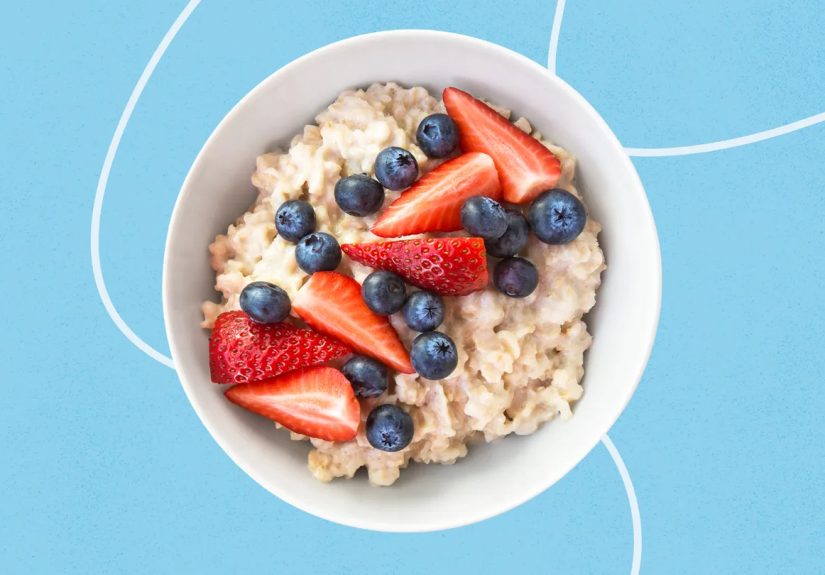
1) Classic oatmeal with fruit
Cook oats in water or low-fat milk. Top with berries and a sprinkle of cinnamon.
If you want seeds (chia/flax), start with 1 teaspoon and see how you do.
2) Overnight oats (light version)
Mix oats + low-fat milk (or unsweetened almond milk) + berries. Keep nut butter optional and minimal.
The goal is creamy, not “I ate a jar of peanut butter for breakfast.”
3) Egg-white veggie scramble + toast
Scramble egg whites with spinach and tomatoes in a nonstick pan (or use a tiny amount of olive oil spray).
Pair with whole-grain toast.
4) Greek yogurt parfait (low-fat)
Layer low-fat Greek yogurt with berries and a small handful of whole-grain cereal.
Skip granola if it’s oily or very high-fat.
5) Smoothie that won’t ambush your stomach
Blend banana + berries + low-fat yogurt + water (or milk). If you’re post-surgery or sensitive, avoid loading it with
extra seeds, nut butters, or raw greens on Day 1. Build up gradually.
6) Cream-of-wheat or hot cereal bowl
A gentler option for flare days. Add sliced banana or applesauce for sweetness.
7) Whole-grain toast with banana + a light smear of nut butter
Nut butter has fat, so think “thin layer.” If it triggers symptoms, swap nut butter for a low-fat spread or go with
banana + cinnamon.
8) Cottage cheese (low-fat) + fruit
Pair low-fat cottage cheese with pineapple, peaches, or berries. Add a side of whole-grain toast if you need more
staying power.
9) Breakfast burrito (gallbladder-friendly remix)
Use a whole-wheat tortilla with egg whites, black beans (small portion), and salsa. Keep cheese minimal or skip it.
Avoid fryingwarm it in a dry pan or microwave.
10) Quinoa breakfast bowl
Warm cooked quinoa with a splash of low-fat milk and top with berries or diced peaches. It’s hearty without being greasy.
11) Avocado toast… carefully
Avocado is nutritious but higher in fat. If you tolerate it, keep it to a small portion (think a few thin slices),
and pair with fruit. If you don’t tolerate it, you’re not “failing”your gallbladder is just picky.
12) Leftovers that work (yes, breakfast leftovers)
A small bowl of rice with steamed veggies and lean protein can be a surprisingly calm start to the day.
Breakfast doesn’t have to look like a cereal commercial.
Three sample breakfast menus (pick your adventure)
Menu A: “I’m flare-prone today”
- Hot oatmeal made with water
- Banana or applesauce
- Herbal tea or water
Menu B: “I recently had gallbladder removal” (early recovery style)
- Small portion of toast or plain hot cereal
- Low-fat yogurt (if tolerated) or a small serving of egg whites
- Water
As you feel better, gradually add fruit and higher-fiber foodsslowlyso your digestion can adjust.
Menu C: “I’m stable and building long-term habits”
- Overnight oats with berries
- Low-fat Greek yogurt on the side (or mixed in)
- Optional: 1 teaspoon chia/flax
A simple formula to build your own gallbladder-friendly breakfast
Use this “mix-and-match” approach to keep things varied without gambling your morning:
- Base: oats, whole-grain toast, whole-grain tortilla, quinoa, low-sugar cereal
- Protein: egg whites, low-fat Greek yogurt, tofu, beans (small portion), low-fat cottage cheese
- Produce: berries, banana, applesauce, sautéed spinach, tomatoes
- Optional fat (if tolerated): tiny drizzle olive oil, small amount of avocado, thin nut butter layer
Breakfast questions people Google at 2 a.m.
“Do I have to go zero-fat?”
Not always. Many people do best with lower fat during symptoms or early after surgery, but extremely
low-fat eating isn’t required for everyone long-term. The sweet spot is often “enough to feel satisfied, not enough
to start a gallbladder argument.”
“What about coffee?”
Coffee affects people differently. Some do fine; others notice more reflux, stomach upset, or urgencyespecially after
surgery. If you suspect coffee is a trigger, try smaller amounts, switch to half-caf, or drink it with food instead
of on an empty stomach.
“Can I lose weight to help gallstones?”
A healthy weight can support gallbladder health, but rapid weight loss and crash diets may increase
gallstone risk. If weight loss is a goal, gradual changes and balanced meals are generally the safer strategy.
“Is skipping breakfast (intermittent fasting) a problem?”
Some people do fine; others find long gaps between meals make symptoms worse. If you’re prone to attacks after large
meals, you may feel better with smaller, regular meals. This is highly individualyour body gets the final vote.
When to get medical advice (not just breakfast advice)
Food tweaks can help, but they can’t diagnose or treat a blocked duct or inflamed gallbladder. If you have severe,
persistent, or worsening abdominal pain, fever, yellowing of the skin/eyes, ongoing vomiting, or symptoms that keep
recurring, it’s important to contact a healthcare professional promptly.
Real-world experiences: what people say helps (and what they wish they knew sooner)
Let’s talk about the part no one warns you about: gallbladder-friendly breakfast is rarely a single “magic meal.”
It’s more like a short relationship montagetrial, error, and a few awkward mornings where you swear your stomach
is holding a grudge.
Experience #1: “I didn’t realize breakfast was the trigger.”
A lot of people assume gallbladder pain is random, but then notice a pattern: symptoms show up after classic
high-fat breakfaststhink sausage biscuits, bacon-and-cheese sandwiches, or pastries that could qualify as
“butter, with a side of flour.” Once they swap to oatmeal, toast + fruit, or yogurt, mornings get calmer.
Not perfectjust quieter. And quiet is a victory.
Experience #2: “I tried ‘healthy’ foods that were secretly high-fat.”
This one is sneaky. People often reach for “good fat” foods like avocado, nuts, nut butter, and full-fat Greek
yogurtbecause wellness culture said soand then wonder why their stomach starts writing complaint letters.
The lesson isn’t “healthy fats are bad.” It’s that portion size matters when your gallbladder is irritated
(or you’re adjusting post-surgery). Many folks do better when they keep higher-fat add-ons smalllike a thin spread
of nut butter instead of a generous scoop, or a few avocado slices instead of half an avocado mountain.
Experience #3: “After gallbladder removal, I learned the ‘slow return’ rule.”
People often expect that once the gallbladder is gone, food will go back to normal instantly. Sometimes it does.
But plenty of people report an adjustment period: too much fat too soon can lead to urgency, bloating, or loose
stools. What seems to help, over and over, is the boring-but-effective approach: start simple (toast, hot cereal,
low-fat yogurt, egg whites), keep portions modest, and reintroduce richer foods gradually. Many say that within
weeks to months, they can expand varietyespecially when they add fiber slowly rather than going from “no fiber”
to “I ate a salad the size of a throw pillow.”
Experience #4: “A food journal saved my sanity.”
This is one of the most common real-life tips: jot down what you ate and how you felt 1–3 hours later. Not forever.
Just long enough to spot patterns. Some people discover dairy is their issue; others find fried foods are the main
problem; some realize it’s not a specific food but big portions or eating too fast. A journal turns the
mystery into datawithout you needing a detective hat before breakfast.
Experience #5: “My best breakfast is boring… and I’m okay with that.”
Many people land on a reliable “default breakfast” they can tolerate even on shaky days: oatmeal with fruit,
toast with banana, egg whites with spinach, or yogurt with berries. It may not be Instagram-famous, but it lets them
get through mornings without pain. And honestly, pain-free is a better flex than latte art.
The big takeaway from these experiences is surprisingly hopeful: you don’t need to eat perfectlyyou need to eat
predictably, listen to your body, and make changes that are realistic. Gallbladder-friendly breakfasts can
still be tasty. They just tend to be lighter on grease, heavier on whole foods, and kinder to your morning.
Conclusion
If you have gallbladder disease, breakfast doesn’t have to be a daily gamble. Most people do better with a breakfast
that’s low to moderate in fat, built around whole grains, fruits/vegetables, and lean proteinplus smaller portions
and fewer ultra-processed, greasy foods. If you’ve had your gallbladder removed, give your digestion time to adjust:
start simple, keep fat lower at first, and increase fiber gradually. And if symptoms are severe or frequent, don’t
rely on breakfast hacks aloneget medical guidance.