Table of Contents >> Show >> Hide
- Why an Old Ladder Makes Perfect Blanket Storage
- Step 1: Check the Ladder and Plan Your Design
- Step 2: Gather Materials and Tools
- Step 3: Clean, Sand, and Prep the Ladder
- Step 4: Cut and Attach Your Blanket Shelves
- Step 5: Stain, Paint, and Seal
- Step 6: Position and Secure the Ladder
- Step 7: Style Your New Blanket Storage Shelves
- Step 8: Safety and Maintenance Tips
- Real-Life Examples and Ideas
- Extra : Lessons Learned from Turning My Grandpa’s Ladder into Blanket Shelves
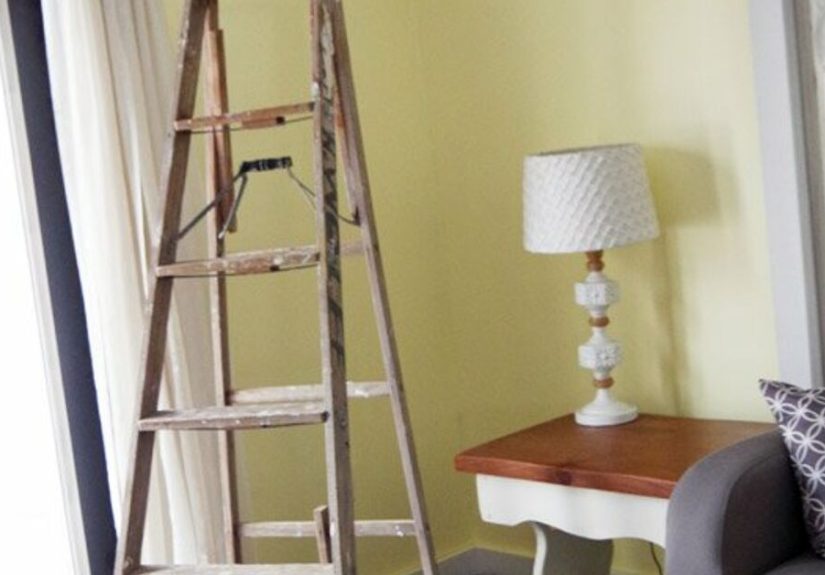
If you’ve got an old wooden ladder tucked in a corner of the garage (bonus points if it still smells faintly like your grandpa’s workshop), you’re basically sitting on a gold mine of cozy storage. Instead of letting it gather dust and cobwebs, you can turn that vintage workhorse into gorgeous blanket storage shelves that look like they came straight out of an expensive home decor catalog.
Across DIY blogs and home sites, people are repurposing old ladders into blanket racks, bookshelves, towel holders, and plant stands. It’s an easy way to add rustic charm and extra storage without buying bulky furniture. In this guide, we’ll walk through how to turn your grandpa’s old wooden ladder into stylish blanket storage shelves, from safety checks and prep work to finishing touches and styling tips.
Why an Old Ladder Makes Perfect Blanket Storage
Old wooden ladders are usually made from solid, durable lumber that’s hard to find at reasonable prices today. They already have built-in rungs that are ideal for hanging blankets, and their narrow footprint makes them perfect for tight corners, beside a sofa, or behind a bedroom door. DIY fans often use ladders to display quilts, throws, and towels because they combine vertical storage with a relaxed, lived-in look.
Plus, repurposing a ladder with family history gives your space something a store-bought piece never will: a story. Every scratch, paint splatter, and worn rung becomes part of your decor. It’s sentimental clutter, but in a good way.
Step 1: Check the Ladder and Plan Your Design
Inspect for safety
Before you start, give the ladder a thorough inspection. Repurposed wood can hide all kinds of surprisessplinters, cracks, loose rungs, and even old nails. Home improvement and safety resources recommend checking for structural stability before using any old ladder in a project.
- Look for cracks or rot in the side rails and rungs. If a rung feels spongy or the wood crumbles, don’t rely on it for weight-bearing shelves.
- Check joints and fasteners. If the rungs are loose, you can reinforce them with screws or wood glue, but avoid ladders that feel wobbly overall.
- Confirm it’s safe for indoor use. Scrape off any flaking lead paint on very old ladders and avoid breathing dustwear a mask while sanding.
Decide: leaning rack or wall-mounted shelves?
For blanket storage, you’ve got two great options:
- Leaning ladder blanket rack: The ladder leans against the wall, and you drape blankets over the rungs. This is the simplest and most flexible option.
- Ladder storage shelves: You attach boards across the rungs to create shallow shelves that hold folded blankets, baskets, or pillows. HGTV-style tutorials often use boards laid over the rungs for extra storage.
In this article, we’ll focus on a hybrid design: a leaning ladder with a couple of sturdy shelves near the bottom plus open rungs higher up for hanging throws. It gives you both neat stacks and casual drapes, which looks great in a living room corner.
Step 2: Gather Materials and Tools
You don’t need a full workshop to pull this off. Most DIY blanket ladder projects use basic materials like 1×10 or 1×8 boards for shelves, screws, wood filler, and your favorite stain or paint.
Materials
- Old wooden ladder (extension or step ladder; wood only)
- Two or three boards for shelves (1×8 or 1×10, cut to ladder width)
- Wood screws or L-brackets for attaching shelves
- Sandpaper (80–120 grit for rough sanding, 220 grit for smoothing)
- Wood filler (optional, for holes and deep gouges)
- Stain or paint, plus clear sealer (polyurethane or water-based topcoat)
- Felt pads or rubber feet (to protect floors and keep the ladder from sliding)
- Wall anchor and small bracket or strap (for extra tip-over safety)
Tools
- Drill/driver with wood bits
- Miter saw or hand saw (if trimming the ladder or cutting shelves)
- Measuring tape and pencil
- Level
- Safety glasses, mask, and work gloves
Step 3: Clean, Sand, and Prep the Ladder
This is the part where your grandpa’s ladder stops looking like a retired job-site tool and starts looking like future furniture.
Clean off dust and grime
Wipe the ladder down with a damp cloth to remove cobwebs, dust, and dirt. For stubborn grease or paint splatters, use a mild cleaner and a scrub brush. Let it dry fully before sanding.
Sand for safety and style
DIY guides on repurposing ladders suggest thoroughly sanding the surface, especially where people will touch or where blankets will rest, to remove splinters and rough edges.
- Start with 80–120 grit sandpaper to knock down rough spots.
- Finish with 220 grit for a smooth surface that won’t snag fabric.
- Round off sharp corners on rails and rungsthe ladder should feel like furniture, not a tool.
If the ladder has deep dents or nail holes, fill them with wood filler, let dry, and sand smooth.
Step 4: Cut and Attach Your Blanket Shelves
Measure and cut shelf boards
Decide how many shelves you want. Most projects look balanced with one or two shelves at the lower rungs and open rungs above for hanging throws. Measure the inside width between the ladder rails and subtract about 1/4 inch so the board slides in easily.
Cut your boards to length. If the ladder rails flare slightly at the bottom (many old ladders do), measure each shelf location separately rather than assuming the same width.
Set shelf spacing for blankets
Think about how you’ll use the shelves:
- Lower shelf: Deepest board for folded blankets, baskets, or pillows.
- Middle shelf: Slightly shallower board for lighter throws or decor.
- Above shelves: Rungs reserved for draped blankets.
DIY ladder shelf tutorials often recommend placing shelves 10–14 inches apart to give blankets breathing room.
Attach shelves securely
You can attach shelves in a few ways:
- Direct screwing: Drill pilot holes through the side rails into the ends of each shelf board, then secure with wood screws.
- L-brackets: Use small metal brackets underneath each shelf, screwed into the rung and the board. This is helpful if your ladder is delicate or you want removable shelves.
- Resting shelves: For lighter decor, you can simply rest the boards across the rungs without screws, but for blanket storage, it’s safer to fasten them.
Use a level to make sure each shelf sits straight, especially if your ladder rails are slightly irregular.
Step 5: Stain, Paint, and Seal
This is the magic step where the ladder starts looking like a cozy, intentional piece of furniture rather than “something I dragged out of the barn.”
Choose your finish
- Rustic stain: Medium to dark stains highlight the grain and give farmhouse vibes. Many DIY blanket ladder tutorials use walnut or weathered gray stains for a warm, aged look.
- Painted finish: White, black, or soft neutral paint can help the ladder blend with modern or Scandinavian decor.
- Two-tone: Stained rails with painted shelves (or vice versa) add contrast and make your blankets pop.
Apply stain or paint according to the product instructions. Once dry, seal the surface with a clear topcoat. This protects the wood from everyday wear and helps your blankets glide on and off smoothly.
Step 6: Position and Secure the Ladder
Find the perfect spot
Most people place blanket ladders in living rooms, bedrooms, or densanywhere a cozy throw makes sense. Decorating guides suggest using ladders to fill awkward corners, bare walls, or spaces beside fireplaces where full-size furniture won’t fit.
Lean the ladder at a slight angle, making sure all feet sit flat on the floor. Adjust until it feels stable and the shelves sit level.
Anchor for safety
Even though the ladder won’t be used for climbing, it’s still tall and potentially tippy. Especially if you have kids or pets, add a simple wall anchor:
- Install a small bracket or strap to the wall at the top rung.
- Attach the ladder to the bracket with a screw or hook.
- Add felt pads or rubber bumpers to the back of the rails to protect your wall and prevent slipping.
Step 7: Style Your New Blanket Storage Shelves
Now for the fun part: dressing your ladder so it looks intentional, not like laundry day gone wrong.
Layer blankets like a stylist
- Mix textures: Combine chunky knit throws, fuzzy fleece, and cotton quilts to create a cozy, layered look.
- Limit your palette: Stick to two or three colors that echo your rug, pillows, or curtains so the ladder looks curated, not chaotic.
- Use the shelves for bulk: Fold larger blankets or comforters into thirds and stack them on the bottom shelf.
Add decor elements
Many home bloggers tuck small decor pieces onto ladder shelves: a woven basket with extra pillows, a stack of books, a small plant, or a candle tray. Just don’t overload the structureremember, this ladder started life as a tool, not a bookcase.
Step 8: Safety and Maintenance Tips
Resources on repurposing furniture and ladders emphasize safe use and periodic checks. Here are a few simple habits to keep your blanket ladder safe and beautiful:
- Dust and wipe it down regularly so blankets don’t pick up dirt.
- Check screws and brackets every few months, especially if you rearrange shelves or add heavier items.
- Keep it away from direct heat sources like fireplaces or baseboard heaters.
- Rotate which blankets are displayed so the same fabric isn’t always pressed against the rails in the same spot.
Real-Life Examples and Ideas
If you browse through DIY sites and decor galleries, you’ll see endless variations on ladder blanket storage:
- Farmhouse living rooms featuring dark-stained blanket ladders next to brick fireplaces, draped with plaid throws.
- Light, airy bedrooms with slim, white-painted ladders acting as minimalist blanket and towel racks.
- Wall-mounted “ladder” racks that mimic the look of a ladder but sit flat against the wall to save floor space.
- Hybrid ladder shelves where the bottom rungs hold boards stacked with blankets, while top rungs showcase a favorite quilt or heirloom afghan.
Your grandpa’s old ladder has probably seen years of hard work. Turning it into cozy blanket storage lets it keep workingjust in a much more comfortable environment.
Extra : Lessons Learned from Turning My Grandpa’s Ladder into Blanket Shelves
The first time I dragged my grandpa’s ladder out of storage, it did not exactly scream “Pinterest-worthy decor.” It was tall, splattered in paint, and had a suspicious wobble that clearly said, “I have retired from roof duty, thank you very much.” But that was the charm. I didn’t want a perfect showroom piece; I wanted something with history. And that ladder had decades of it.
One of the biggest lessons I learned from this project is that sentimental DIYs move slowerand that’s okay. With a random thrift-store ladder, you’ll happily cut, sand, and screw without a second thought. With your grandpa’s ladder, you turn into a museum conservator. I found myself working around certain paint splatters that reminded me of the color of his old house, and I left a couple of worn spots untouched because they felt like “fingerprints” of his projects.
I also discovered that imperfections actually make styling easier. A perfectly straight, crisp white ladder demands pristine stylingevery fold exact, every color intentional. My grandpa’s ladder had slightly uneven rails and rungs that weren’t all exactly level. Instead of fighting that, I leaned into it. I chose blankets with softer, relaxed textureschunky knits and washed cottonso the overall look read as cozy and lived-in rather than crooked.
Another practical takeaway: test your shelf layout with “fake” blankets first. Before committing to screw holes, I stacked some old towels and lightweight throws on the proposed shelves to see how far they stuck out and whether they bumped into furniture. In my first attempt, the bottom shelf extended just enough that it competed with a nearby side table. A quick trim on the board solved it, but I’m glad I discovered that before staining and sealing.
Speaking of finishing, I was surprised how much the stain color changed the mood of the room. At first, I went for a dark walnut stain to match the TV console. The ladder looked gorgeous, but it visually “disappeared” against the other dark pieces. When I sanded back a bit and layered on a lighter, weathered stain, the ladder suddenly popped against the wall while still feeling vintage. If you’re working with an heirloom piece, don’t be afraid to test stains on the back or underside firstyou might land on a mix that brings out the age of the wood without overpowering your decor.
One of my favorite small upgrades was adding felt pads and an anchor. At first, I figured the ladder was heavy enough that it wouldn’t move, but hardwood floors plus enthusiastic blanket grabbing proved me wrong. A set of felt pads made it slide too easily, so I paired them with a simple wall strap at the top. Now the ladder leans comfortably, doesn’t scratch the floor, and won’t budge even when someone yanks a blanket mid-movie.
Over time, the ladder became more than just blanket storage. The bottom shelf is where extra quilts live, but the middle shelf rotates with the seasonsa woven basket of slippers in winter, a stack of beach towels in summer. On the top rung, I sometimes hang a small wreath or garland for holidays. It’s become a quiet focal point in the room, and guests ask about it far more often than any store-bought furniture.
Most importantly, every time I drape a blanket over one of those rungs, I get a tiny reminder of my grandpa’s projects: painting houses, fixing roofs, working late into the evening with that same ladder propped against a barn. Now, instead of hiding in a shed, his ladder is part of family movie nights, lazy Sunday naps, and cozy winters. It’s a daily reminder that the best decor isn’t always newit’s the old things we give new jobs.
If you’re on the fence about cutting into a sentimental piece, here’s my honest advice: respect the memory, but let the object evolve. Your grandpa probably didn’t keep that ladder so it could sit forgotten in a corner. Turning it into blanket storage shelves doesn’t erase its pastit gives it a new chapter in your home.