Table of Contents >> Show >> Hide
- Introduction: Why the Hip Deserves Main Character Energy
- What Is “The Hip Bone Connection” Really About?
- Hip Anatomy Made Simple
- Why Hip Health Matters More as You Age
- Common Causes of Hip Pain
- The Osteoporosis and Hip Fracture Connection
- How to Support Stronger Hip Bones
- Everyday Habits That Protect Your Hips
- When Hip Pain Needs Medical Attention
- Practical Examples: How the Hip Bone Connection Shows Up in Real Life
- Experience-Based Reflections on “WebMD Video The Hip Bone Connection”
- Conclusion: Keep the Hip Bone Connection Strong
How your hips, bones, balance, and everyday habits work together to keep you moving with confidence.
Introduction: Why the Hip Deserves Main Character Energy
The hip is one of those body parts most people ignore until it starts acting like a grumpy downstairs neighbor. You stand up, it complains. You climb stairs, it sends a memo. You sleep on one side, and suddenly your hip has opinions. The phrase “WebMD Video The Hip Bone Connection” points to a bigger idea: healthy hips are not just about one bone, one joint, or one exercise. They are about a whole connection system involving bone strength, joint structure, muscles, balance, posture, nutrition, fall prevention, and smart medical care.
Your hip joint is built for serious work. It helps you walk, sit, squat, dance awkwardly at weddings, carry groceries, chase pets, and get out of a low chair without making the universal “oof” sound. But because it carries so much body weight and participates in nearly every lower-body movement, it is also vulnerable to wear, injury, osteoporosis, arthritis, bursitis, and fractures.
This in-depth guide explains the hip bone connection in plain American English. We will look at hip anatomy, common causes of hip pain, osteoporosis and hip fracture risk, prevention strategies, daily habits, and real-life experiences that help make the topic more practical than a dusty anatomy chart.
What Is “The Hip Bone Connection” Really About?
The hip bone connection is not just a catchy phrase. It describes how the pelvis, femur, cartilage, ligaments, muscles, nerves, and bones work together as a team. When one part of that team struggles, the rest often has to compensate. That is why hip discomfort can feel like it comes from the groin, outer thigh, buttock, lower back, or even the knee.
The hip joint is a ball-and-socket joint. The “ball” is the rounded head of the femur, or thighbone. The “socket” is the acetabulum, a cup-shaped part of the pelvis. This design allows the hip to move forward, backward, side to side, and in rotation. It is stable enough to support body weight but mobile enough to let you walk, pivot, bend, and climb.
In a healthy hip, smooth cartilage cushions the bone surfaces so movement feels easy. Ligaments support the joint. Muscles around the hips, thighs, buttocks, and core provide power and control. Bursae, which are small fluid-filled sacs, help reduce friction between tissues. When everything is working well, you probably do not think about your hips at all. That silence is a beautiful thing.
Hip Anatomy Made Simple
The Pelvis: The Foundation
The pelvis is the sturdy ring of bones that connects your spine to your lower body. It supports the organs in the lower abdomen and creates the socket portion of the hip joint. Think of it as the architectural base of your body’s movement system. If the pelvis is poorly aligned, weak, or affected by injury, the hips and lower back may both feel the consequences.
The Femur: The Power Beam
The femur is the longest and strongest bone in the body. Its rounded top fits into the acetabulum to form the hip joint. The femoral neck, just below the ball, is an important area because many hip fractures occur there, especially in older adults with weakened bones.
Cartilage: The Smooth Operator
Cartilage covers the joint surfaces and allows the bones to glide without grinding. When cartilage wears down, as in osteoarthritis, the hip can become stiff, painful, and less mobile. This is why arthritis pain may feel worse after activity or after sitting for a long time.
Muscles and Tendons: The Movers
Your glutes, hip flexors, hamstrings, quadriceps, adductors, and deep stabilizing muscles all help control hip movement. Weak glutes or tight hip flexors can change the way the joint moves. Over time, that can contribute to discomfort, poor balance, or inefficient walking patterns.
Why Hip Health Matters More as You Age
Hip health becomes increasingly important with age because bone density, muscle mass, reaction time, and balance can gradually decline. That does not mean hip problems are guaranteed. It does mean prevention should start before your hips begin sending dramatic messages.
One major concern is osteoporosis, a condition in which bones become weak and more likely to break. Osteoporosis is often called a silent disease because people may not know they have it until a fracture occurs. The hip, spine, and wrist are common fracture sites. A hip fracture can be especially serious because it may require surgery, hospitalization, rehabilitation, and a long recovery period.
Falls are a leading cause of hip fractures in older adults. A single trip over a rug, missed step, or dizzy spell can lead to a major injury if bones are fragile. That is why the hip bone connection includes more than the hip itself. It includes vision checks, medication reviews, strength training, balance exercises, home safety, nutrition, and medical screening.
Common Causes of Hip Pain
Osteoarthritis
Osteoarthritis happens when joint cartilage wears down over time. In the hip, it can cause groin pain, stiffness, reduced range of motion, and discomfort during walking or standing. Some people notice stiffness first thing in the morning or after sitting. Others feel a deep ache after activity.
Bursitis
Hip bursitis occurs when a bursa becomes irritated or inflamed. Trochanteric bursitis, which affects the outer hip, can make lying on one side painful. It may be linked to repetitive motion, direct pressure, muscle imbalance, or changes in walking mechanics.
Hip Fracture
A hip fracture is a break in the upper part of the femur. In older adults, many hip fractures happen after a fall, especially when osteoporosis is present. Warning signs may include severe hip or groin pain, inability to bear weight, swelling, bruising, or a leg that appears shortened or rotated. A suspected hip fracture needs urgent medical attention.
Labral Tears
The labrum is a ring of cartilage around the hip socket that helps with stability. A labral tear can cause clicking, catching, stiffness, or pain in the groin or front of the hip. Athletes and people with certain hip shapes may be at higher risk.
Muscle Strains and Tendon Problems
Hip flexor strains, gluteal tendinopathy, hamstring issues, and overuse injuries can all cause hip-area pain. These problems are common in runners, dancers, weekend warriors, and anyone who suddenly decides to “get serious” about fitness after months of negotiating with the couch.
The Osteoporosis and Hip Fracture Connection
Osteoporosis weakens bones by reducing bone density and changing bone structure. When bones become thin and brittle, they are less able to absorb impact. That is why a fall that might only bruise one person can cause a fracture in another.
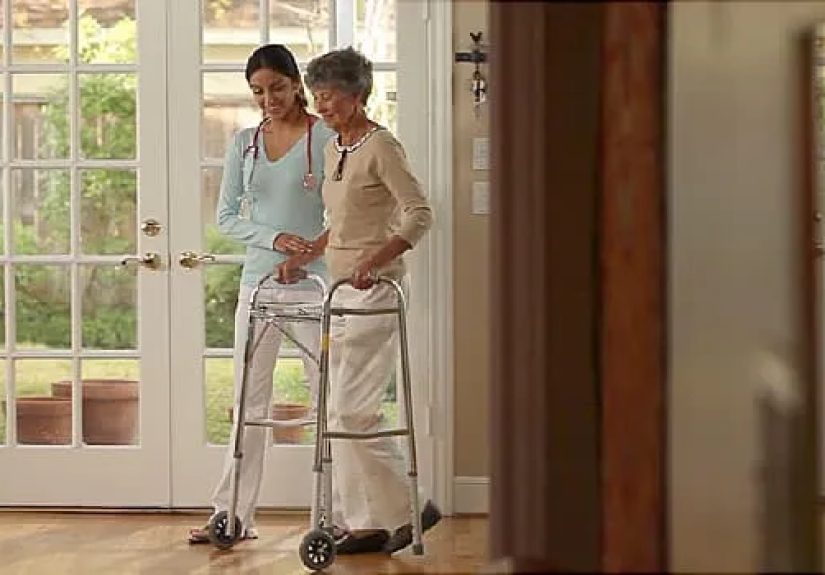
The hip is especially important because it bears body weight and plays a central role in mobility. A hip fracture can affect independence, confidence, and quality of life. Recovery often involves surgery, physical therapy, assistive devices, and careful fall prevention. For many people, the goal is not just healing the bone but regaining safe movement.
Bone density testing can help identify osteoporosis or osteopenia, which is low bone mass that is not as severe as osteoporosis. Doctors may recommend screening based on age, sex, fracture history, medication use, family history, and other risk factors. If osteoporosis is diagnosed, treatment may include lifestyle changes, nutrition support, fall prevention, and medication when appropriate.
How to Support Stronger Hip Bones
Eat for Bone Strength
Calcium and vitamin D are two of the best-known nutrients for bone health. Calcium helps build and maintain bones, while vitamin D helps the body absorb calcium. Good calcium sources include dairy products, fortified plant milks, tofu made with calcium, canned salmon or sardines with bones, kale, collard greens, and fortified cereals. Vitamin D may come from sunlight, fatty fish, fortified foods, and supplements when recommended by a healthcare professional.
Protein also matters. Bones are not made of calcium alone; they have a living protein framework. A balanced diet with lean protein, fruits, vegetables, whole grains, and healthy fats supports the muscles and tissues that protect your hips.
Do Weight-Bearing Exercise
Weight-bearing activities make your body work against gravity. Walking, hiking, dancing, stair climbing, and low-impact aerobics can all help maintain bone and muscle strength. The best exercise is the one you can do consistently without turning it into a personal feud with your knees.
Add Resistance Training
Strength training helps build muscle, support joints, and improve balance. Exercises such as squats, hip bridges, step-ups, resistance band walks, and deadlifts can strengthen the hip area when performed with good form. People with osteoporosis, prior fractures, or significant pain should ask a clinician or physical therapist which movements are safe.
Train Balance
Balance is hip protection in disguise. Tai chi, single-leg stands, heel-to-toe walking, and supervised balance programs can reduce fall risk. Better balance means fewer stumbles, and fewer stumbles mean fewer chances for the hip to meet the floor in a very unfriendly way.
Everyday Habits That Protect Your Hips
Make Your Home Less Trippy
Fall prevention starts at home. Remove loose rugs, clear clutter from walkways, improve lighting, install grab bars in bathrooms, use non-slip mats, and keep frequently used items within easy reach. Stairs should have secure handrails. Pets are adorable, but a cat sprinting across your feet at 2 a.m. is basically a tiny, furry obstacle course.
Review Medications
Some medications can cause dizziness, sleepiness, or changes in blood pressure. A doctor or pharmacist can review prescriptions, over-the-counter medicines, and supplements to identify anything that might increase fall risk.
Check Vision and Footwear
Good vision helps prevent falls. So does wearing supportive shoes with non-slip soles. Walking around in floppy slippers may feel cozy, but your hips may prefer footwear with a little more dignity and traction.
Quit Smoking and Limit Alcohol
Smoking can harm bone health, and heavy alcohol use can increase both bone loss and fall risk. Reducing these risks supports not just the hips but overall health.
When Hip Pain Needs Medical Attention
Not every hip twinge is an emergency. Sometimes soreness comes from overdoing yard work, trying a new workout, or sitting in one position too long. However, some symptoms should not be ignored.
Seek medical care if hip pain is severe, follows a fall or injury, prevents weight-bearing, causes visible deformity, comes with swelling or bruising, or is associated with fever, redness, numbness, or sudden weakness. Also talk with a healthcare professional if hip pain lasts more than a few weeks, keeps returning, interferes with sleep, or limits daily activities.
Diagnosis may involve a physical exam, medical history, X-rays, bone density testing, MRI, CT scan, or lab tests depending on the suspected cause. Treatment may include rest, activity changes, physical therapy, medication, injections, osteoporosis treatment, or surgery in more serious cases.
Practical Examples: How the Hip Bone Connection Shows Up in Real Life
The Desk Worker With Tight Hips
Someone who sits for long hours may develop tight hip flexors and weak glutes. Over time, that can affect posture, walking mechanics, and lower back comfort. A simple routine of standing breaks, gentle hip flexor stretches, glute bridges, and walking can make a noticeable difference.
The Active Adult With Outer Hip Pain
A person who starts walking five miles a day after doing very little exercise may develop outer hip pain from irritated soft tissues. The solution may include reducing volume temporarily, strengthening the glutes, checking footwear, and gradually increasing activity.
The Older Adult Concerned About Falls
An older adult with osteoporosis may feel nervous about movement. But total inactivity can make muscles weaker and balance worse. A supervised program with safe strength and balance exercises can help rebuild confidence while reducing risk.
Experience-Based Reflections on “WebMD Video The Hip Bone Connection”
One useful way to understand the topic behind WebMD Video The Hip Bone Connection is to imagine hip health as a household maintenance project. Nobody gets excited about checking the roof, cleaning the gutters, or tightening a wobbly stair rail, but those small jobs prevent big disasters. Hip health works the same way. The little thingswalking regularly, eating enough protein, getting calcium-rich foods, practicing balance, clearing clutter, and wearing sensible shoesrarely feel dramatic. Yet they are exactly the habits that help keep the body steady and strong.
Many people first become interested in hip health after a wake-up call. Maybe they feel a sharp pinch while climbing stairs. Maybe a parent falls and fractures a hip. Maybe a bone density scan shows osteopenia. Suddenly, the hip is no longer an invisible body part. It becomes a priority. The good news is that hip care does not have to feel like a punishment. It can be built into normal life. A morning walk, a few sit-to-stands from a chair, a short balance drill near the kitchen counter, and a dinner with calcium-rich vegetables or yogurt can all support the bigger picture.
Another experience many people share is confusion about where hip pain is actually coming from. Hip pain is sneaky. Pain in the groin may point toward the joint itself. Pain on the outside of the hip may involve bursae or tendons. Pain in the buttock may come from the lower back, sacroiliac area, or deep hip muscles. Pain traveling down the leg may involve nerves. This is why guessing can be frustrating. A professional evaluation can save time, reduce anxiety, and prevent the classic internet spiral where one mild ache somehow becomes twelve terrifying possibilities before breakfast.
People recovering from hip pain often learn that strength matters as much as flexibility. Stretching feels good, but weak muscles can leave the joint poorly supported. Glute strength, core control, and leg strength all help the hip move more efficiently. For older adults, strength training may also support independence. Getting out of a chair, stepping into a bathtub, carrying laundry, and walking across a parking lot all require lower-body power. These everyday movements are not glamorous, but they are freedom in practical clothing.
Fall prevention is another area where experience teaches humility. Most falls do not happen during dramatic mountain adventures. They happen during ordinary moments: rushing to answer the door, stepping over a cord, walking to the bathroom at night, or missing the last stair. That is why home safety changes are not signs of weakness. They are signs of strategy. Better lighting, grab bars, clear floors, and stable footwear are like giving your hips a security detail.
Finally, the biggest lesson from the hip bone connection is that prevention is easier than repair. Nobody can control every injury or every health condition, but many people can improve their odds. Stronger bones, stronger muscles, better balance, safer surroundings, and timely medical care all work together. Your hips do not ask for much applause. They simply want support, movement, nourishment, and fewer surprise encounters with slippery floors. Treat them well, and they will keep helping you move through lifeone step, stair, stroll, and slightly ridiculous dance move at a time.
Conclusion: Keep the Hip Bone Connection Strong
The hip is more than a joint. It is a connection point between strength, balance, independence, and daily comfort. Understanding the message behind WebMD Video The Hip Bone Connection can help readers see hip health as a whole-body project. Strong bones reduce fracture risk. Strong muscles support movement. Balance training helps prevent falls. Good nutrition gives bones the materials they need. Smart medical care helps identify problems before they become life-changing.
Whether you are trying to prevent osteoporosis, understand hip pain, recover from an injury, or simply keep moving well as you age, the basics matter. Walk. Strengthen. Eat well. Make your home safer. Ask questions. Get screened when appropriate. And remember: your hips may not send thank-you notes, but every pain-free step is basically a standing ovation.
Note: This article is for educational purposes only and does not replace medical advice, diagnosis, or treatment from a qualified healthcare professional.