Table of Contents >> Show >> Hide
- What Is the Keto Diet?
- Why People Try Keto
- What Can You Eat on Keto?
- How To Get Started With the Keto Diet
- Sample Beginner Keto Meal Plan
- Common Keto Mistakes Beginners Make
- Is Keto Safe for Everyone?
- Keto vs. Low-Carb: What’s the Difference?
- Practical Shopping List for Keto Beginners
- How Long Should You Follow Keto?
- of Real-Life Keto Experience: What Beginners Often Learn
- Conclusion
The keto diet has the kind of reputation usually reserved for celebrity scandals and miracle kitchen gadgets: everybody has heard of it, everybody has an opinion, and nobody agrees on whether it is genius or slightly suspicious. At its core, however, the ketogenic diet is not mysterious. It is a very low-carbohydrate, high-fat, moderate-protein eating pattern designed to shift the body into a metabolic state called ketosis.
In ketosis, your body relies less on glucose from carbohydrates and more on fat-derived molecules called ketones for energy. That sounds dramatic, but the body is simply doing what it has always been capable of doing: adapting to the fuel available. The real question is not whether keto can “work,” but whether it fits your health goals, lifestyle, medical history, and ability to live without a daily romance with bread.
This guide explains what the keto diet is, how it works, what to eat, what to avoid, how to start safely, and what real-life keto beginners often learn after the first few weeks. It is written for curious readers, not for anyone looking for a magic wand dipped in butter.
What Is the Keto Diet?
The ketogenic diet, often shortened to keto, is a low-carb diet that typically limits carbohydrates to about 20 to 50 grams per day. Most versions emphasize high fat intake, moderate protein, and very few carbohydrates. A common keto macro breakdown looks something like 70% to 80% of calories from fat, 10% to 20% from protein, and 5% to 10% from carbohydrates.
That means the keto diet is not simply “eat bacon and call it wellness.” A well-planned keto diet focuses on high-quality fats, adequate protein, low-carb vegetables, hydration, and nutrient balance. A poorly planned keto diet can become a parade of processed meats, butter-heavy meals, and not enough fiberwhich is where things can get uncomfortable in more ways than one.
How Ketosis Works
Under normal eating patterns, the body uses carbohydrates as its main energy source. Carbohydrates break down into glucose, which circulates in the blood and fuels cells. When carbohydrate intake drops very low, the body begins using stored fat and dietary fat for energy. The liver converts some fat into ketones, which can be used as an alternate fuel source.
This state is called nutritional ketosis. It is different from diabetic ketoacidosis, a dangerous medical emergency that can occur when ketone levels and blood sugar become dangerously high, especially in people with diabetes. Nutritional ketosis is generally much milder, but anyone with diabetes, kidney disease, liver disease, gallbladder problems, pancreatic conditions, a history of eating disorders, or who takes blood sugar-lowering medication should speak with a healthcare professional before trying keto.
Why People Try Keto
People usually become interested in keto for a few reasons: weight management, blood sugar control, appetite reduction, or curiosity after seeing approximately 4,000 keto recipes online. Some people also follow medically supervised ketogenic diets for specific conditions such as epilepsy, where ketogenic therapy has a long clinical history.
For weight loss, keto may help some people reduce calories because protein and fat can feel filling, and cutting out many refined carbohydrates naturally eliminates foods that are easy to overeat. However, keto is not automatically superior to every other eating pattern. Long-term success still depends on consistency, overall calorie balance, food quality, and whether the diet is sustainable.
For blood sugar management, very low-carb diets may reduce post-meal blood glucose spikes because fewer carbohydrates enter the bloodstream. That can be meaningful for some adults with type 2 diabetes, but medication adjustments may be necessary. This is why medical guidance matters. Your glucose meter and your doctor should be invited to the party before your pantry gets remodeled.
What Can You Eat on Keto?
A healthy keto diet should be built around whole, minimally processed foods. The goal is not only to reduce carbs but also to nourish the body. Yes, carbs are limited, but vitamins, minerals, fiber, and common sense should still be allowed through the front door.
Keto-Friendly Foods
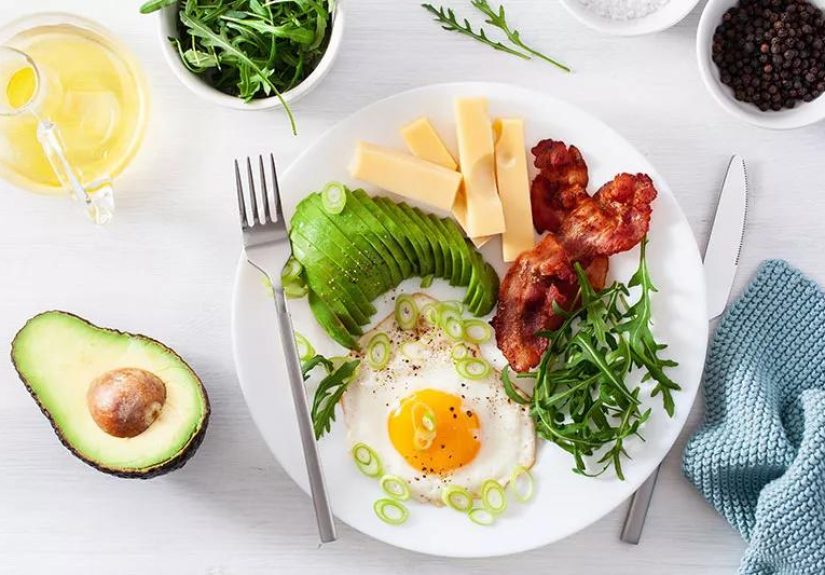
Common keto foods include eggs, fish, poultry, beef, pork, tofu, low-carb vegetables, avocados, nuts, seeds, olive oil, avocado oil, full-fat plain Greek yogurt in small portions, cheese, and low-carb berries in moderation. Non-starchy vegetables are especially important because they provide fiber, potassium, magnesium, folate, and antioxidants.
Good low-carb vegetable choices include spinach, kale, romaine lettuce, arugula, broccoli, cauliflower, zucchini, cucumber, asparagus, mushrooms, cabbage, celery, and bell peppers in moderate amounts. These foods help keep keto from turning into a beige diet with a side of regret.
Foods Usually Limited or Avoided
Most keto plans sharply limit bread, pasta, rice, cereal, potatoes, corn, most beans, most fruit, sugar, soda, pastries, candy, sweetened yogurt, and many packaged snacks. These foods are not “bad” in a moral sensefood does not need a courtroombut they are too high in carbohydrates for most ketogenic plans.
Some nutritious foods, such as lentils, oats, bananas, apples, and sweet potatoes, are restricted on keto even though they can fit beautifully into other healthy eating patterns. This is one reason keto is controversial: it can cut out many fiber-rich, nutrient-dense foods that are associated with long-term health benefits.
How To Get Started With the Keto Diet
Starting keto works best when it is planned, not when you panic-buy cheese and throw your oatmeal into witness protection. A smoother start begins with understanding your goals, checking safety issues, planning meals, and making the diet as nutrient-dense as possible.
Step 1: Talk With a Healthcare Professional
Before beginning keto, consider speaking with a doctor or registered dietitian, especially if you have a health condition or take medication. This is particularly important for people with diabetes, high cholesterol, kidney disease, liver disease, gallbladder disease, thyroid conditions, or a history of disordered eating. Keto can affect blood sugar, blood pressure, cholesterol levels, digestion, and medication needs.
Step 2: Set a Realistic Carb Target
Many keto beginners start with 20 to 50 grams of net carbs per day. Net carbs are usually calculated by subtracting fiber from total carbohydrates. For example, if a food has 10 grams of carbohydrates and 4 grams of fiber, it has 6 grams of net carbs. Not everyone needs the strictest version of keto, and some people feel better with a less extreme low-carb approach.
Step 3: Build Meals Around Protein and Vegetables
A balanced keto plate should include a source of protein, a generous serving of low-carb vegetables, and healthy fats. For example, grilled salmon with roasted asparagus and avocado makes more nutritional sense than a plate of processed sausage with a cheese hat. Protein helps preserve muscle, vegetables support digestion, and fats provide energy.
Step 4: Choose Better Fats
Keto is high in fat, but fat quality matters. Emphasize unsaturated fats such as olive oil, avocado oil, nuts, seeds, olives, and fatty fish. Use saturated fats like butter, cream, coconut oil, and fatty processed meats more sparingly. Diets very high in saturated fat may raise LDL cholesterol in some people, so it is wise to monitor lab results if keto becomes more than a short-term experiment.
Step 5: Prepare for the “Keto Flu”
During the first few days of keto, some people experience fatigue, headache, irritability, dizziness, constipation, or brain fog. This is often called the “keto flu,” although it is not actually the flu. It may happen as the body adapts to lower carbohydrate intake and sheds water and electrolytes. Drinking enough fluids, getting sodium and potassium from appropriate foods, eating enough calories, and easing into carb reduction may help.
Sample Beginner Keto Meal Plan
A beginner-friendly keto day does not need to be complicated. Breakfast could be scrambled eggs cooked with spinach and mushrooms, served with avocado. Lunch might be grilled chicken over romaine lettuce with cucumber, olives, feta, olive oil, and lemon. Dinner could be baked salmon with cauliflower mash and roasted zucchini. Snacks, if needed, might include a boiled egg, a small handful of almonds, celery with cream cheese, or plain Greek yogurt with a few raspberries.
The goal is to create meals that feel normal, satisfying, and repeatable. If every recipe requires specialty flour, three pans, and emotional support, it may not survive a busy Wednesday.
Common Keto Mistakes Beginners Make
Mistake 1: Eating Too Few Vegetables
Some people hear “low carb” and accidentally interpret it as “avoid plants.” That is a mistake. Low-carb vegetables provide fiber and micronutrients that help support digestion, fullness, and overall health. Keto without vegetables can quickly become low in fiber, which may lead to constipation and a very personal appreciation for leafy greens.
Mistake 2: Overdoing Processed Keto Products
Keto bars, keto cookies, keto cereals, and keto ice creams can be convenient, but they are still processed foods. Some contain sugar alcohols that may upset digestion. Others are calorie-dense and easy to overeat. Use them as occasional tools, not the foundation of your diet.
Mistake 3: Ignoring Cholesterol and Lab Work
Some people see LDL cholesterol rise on a ketogenic diet, especially if the diet is high in saturated fat. If you plan to follow keto for more than a few weeks, ask your healthcare provider whether you should monitor cholesterol, kidney function, liver enzymes, blood glucose, or other markers. Health is more than a number on the bathroom scale.
Mistake 4: Expecting Keto To Fix Everything
Keto is an eating pattern, not a personality upgrade, productivity app, or guarantee of perfect health. Sleep, stress, movement, medical care, social connection, and overall food quality still matter. A person can technically be “in ketosis” and still eat a diet that is not very nourishing.
Is Keto Safe for Everyone?
No. Keto is not appropriate for everyone. People who are pregnant or breastfeeding, children and teens unless medically supervised, people with a history of eating disorders, and those with certain kidney, liver, pancreatic, thyroid, or gallbladder conditions should avoid starting keto without professional guidance. People taking insulin, sulfonylureas, SGLT2 inhibitors, blood pressure medications, or other prescriptions should also check with a clinician first.
The restrictive nature of keto can also make it socially and emotionally difficult. Family dinners, school lunches, travel, holidays, and restaurants can become more complicated. If a diet makes someone anxious, isolated, or overly focused on food rules, it may not be the right approach.
Keto vs. Low-Carb: What’s the Difference?
All keto diets are low-carb, but not all low-carb diets are keto. A general low-carb diet may allow 75 to 150 grams of carbohydrates per day, depending on the person and plan. Keto is stricter and usually aims to produce nutritional ketosis. Some people find that a moderate low-carb diet gives them many of the practical benefits they wantbetter appetite control, fewer sugary foods, steadier energywithout requiring full ketosis.
This matters because the best diet is not the one with the trendiest hashtag. It is the one that supports your health and can be maintained without making your life feel like a spreadsheet with snacks.
Practical Shopping List for Keto Beginners
A simple keto grocery list might include eggs, chicken thighs, salmon, tuna, ground turkey, tofu, plain Greek yogurt, cottage cheese, cheddar, mozzarella, spinach, romaine, broccoli, cauliflower, zucchini, cucumbers, mushrooms, avocados, olives, almonds, walnuts, chia seeds, olive oil, avocado oil, herbs, spices, lemon, and unsweetened beverages.
Try to plan three or four repeatable meals before starting. Repetition is not boring when it saves you from standing in front of the fridge at 8:43 p.m. wondering whether pickles and peanut butter count as dinner.
How Long Should You Follow Keto?
There is no single answer. Some people use keto short term as a structured reset. Others follow it longer with medical supervision. Many eventually transition to a less restrictive low-carb or Mediterranean-style eating pattern that includes more fruit, legumes, and whole grains. Because long-term keto research is still limited and adherence can be difficult, it is smart to evaluate how your body, mood, digestion, labs, and lifestyle respond over time.
Ask yourself: Do I feel good? Are my lab markers healthy? Am I eating enough fiber and micronutrients? Can I enjoy meals with people I care about? Is this sustainable? If the answer is “no, but I bought a 10-pound bag of almond flour,” it may be time to adjust.
of Real-Life Keto Experience: What Beginners Often Learn
One of the biggest beginner experiences with the keto diet is surprise. People often expect the hard part to be skipping cake, but the real challenge is usually the everyday logistics. Breakfast is easy for many beginners because eggs, avocado, smoked salmon, and Greek yogurt fit neatly into keto. Lunch and dinner require more planning. The moment a person realizes that sandwiches, rice bowls, tacos, noodles, and pizza crust are suddenly complicated, keto becomes less of a diet and more of a meal-prep hobby.
In the first week, many people notice quick scale changes. A lot of that early weight loss is water weight because reducing carbohydrates lowers stored glycogen, and glycogen holds water. This can feel motivating, but it can also lead to unrealistic expectations. After the first drop, progress often slows. That is normal. Fat loss, when it happens, usually takes time and still depends on overall energy balance.
Another common experience is learning that “keto-friendly” does not always mean “makes me feel great.” Some people feel energetic and focused after the adjustment period. Others feel sluggish, constipated, or socially restricted. A meal plan that looks perfect online may not work in real life if it ignores your schedule, food preferences, budget, digestion, or family meals. The best keto plan is not the fanciest one; it is the one you can actually follow without becoming the person who brings emergency cheese to every event.
Beginners also learn that electrolytes matter. When carbs drop, the body may release more water, which can affect sodium and fluid balance. Some people feel better when they drink enough water and include mineral-rich foods such as leafy greens, avocado, nuts, seeds, and broth if appropriate for their sodium needs. People with high blood pressure, kidney disease, or heart conditions should not casually increase sodium without medical advice.
Restaurant eating can be both easier and harder than expected. A burger without the bun, a salad with grilled protein, steak with vegetables, or fajitas without tortillas can work. But sauces, breading, sweet dressings, fries, and hidden sugars can add carbs quickly. Over time, experienced keto followers often stop chasing perfect choices and focus on workable choices.
The most useful lesson is flexibility. Some people thrive on strict keto. Some do better with moderate low-carb. Some discover they miss beans, fruit, oats, or sweet potatoes and feel healthier bringing them back. That is not failure; that is feedback. A smart nutrition plan should improve your life, not turn eating into a daily courtroom drama.
Conclusion
The keto diet is a high-fat, very low-carbohydrate eating pattern designed to shift the body into nutritional ketosis. It may help some people with short-term weight loss, appetite control, and blood sugar management, but it is restrictive and not risk-free. The healthiest version emphasizes whole foods, unsaturated fats, low-carb vegetables, adequate protein, hydration, and professional guidance when needed.
If you are considering keto, start with safety, not hype. Check your medical situation, plan realistic meals, monitor how you feel, and remember that the goal is better healthnot winning an argument with a bagel.