Table of Contents >> Show >> Hide
- What Is Walabot & How Does It Actually Work?
- Tested by Bob Vila: Did Walabot Detect Studs Reliably?
- Walabot DIY vs. Walabot DIY 2: The Tech Evolves
- Where Walabot Impresses
- Where Walabot Still Struggles
- Walabot vs. Traditional Stud Finders
- Who Is Walabot Best For?
- Tips for Getting Better Results with Walabot
- Real-World Experiences: How Walabot Performs Beyond the Box (Extended)
- Final Verdict
If you’ve ever tried to hang a TV or cabinet and ended up discovering more drywall dust than actual studs, Walabot probably caught your eye. A sleek black-and-purple gadget that pairs with your phone and promises to show you what’s inside your wall? That’s not your grandpa’s beeping stud finderthat’s sci-fi for DIYers.
But cool graphics don’t hang a 75-inch TV. So the big question is simple: Did this intriguing high-tech stud finder actually detect studs when put through real-world testing, including by the Bob Vila team, and how does it compare now that newer versions like the Walabot DIY 2 are on the scene?
Let’s break it down like a careful cut into drywall: slow, accurate, and with no surprise wires.
What Is Walabot & How Does It Actually Work?
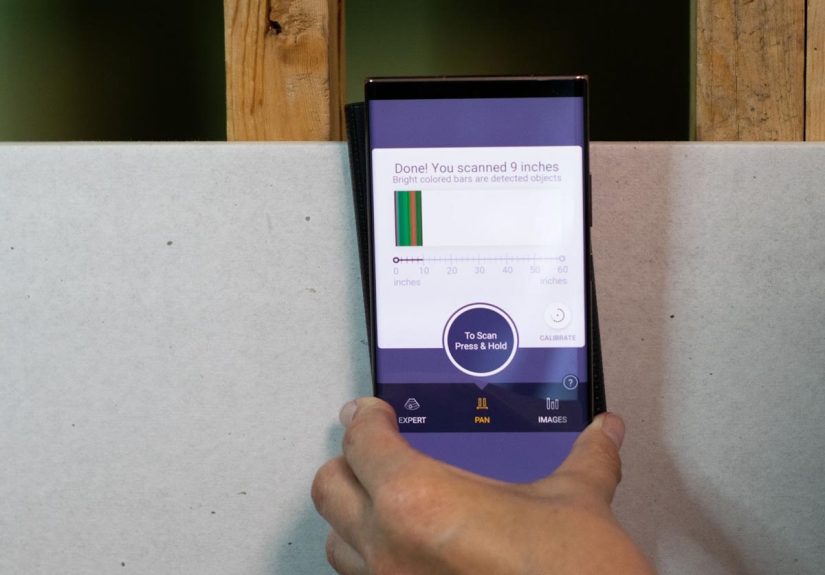
Walabot is a visual stud finder and wall scanner built on radio-frequency imaging. Instead of guessing based on changes in density (like classic electronic stud finders), Walabot sends signals into the wall and translates the reflections into images on your phone screen. You don’t just get a beep; you get on-screen shapes showing stud locations and, in supported modes, potential pipes, wires, and other objects behind drywall.
Key ideas behind the concept:
- Visual feedback: Colored bars and shapes indicate stud edges, centers, and objects instead of relying on vague tones.
- Deeper insight: Designed to scan up to about 4 inches into drywall, depending on the model and conditions.
- Multi-purpose use: Certain versions can help locate wood and metal studs, some wires and pipes, and even movement that might indicate pests.
- Smartphone integration: The Walabot app drives the experience, adds modes, and provides guidance.
On paper, it’s a big leap: not just “Is there a stud here?” but “What exactly is going on inside this section of wall?”
Tested by Bob Vila: Did Walabot Detect Studs Reliably?
The Bob Vila editorial teamwho’ve collectively tested more stud finders than most of us will own in a lifetimeput the original Walabot through hands-on testing on real walls, not lab-perfect demo boards. Their verdict was measured: promising technology with sharp visuals and a fun, futuristic interface, but not yet the category killer its marketing suggested.
In their tests, Walabot:
- Successfully identified studs on standard drywall in many passes.
- Shined when users took time to learn its modes and move slowly and steadily.
- Showed off impressive graphics that helped visualize what might be behind the wall.
However, they also found:
- Results could be inconsistent compared with high-quality traditional electronic stud finders.
- The device was limited to drywallno plaster, masonry, or tile.
- The learning curve and reliance on your phone made it less “grab-and-go” than a simple dedicated scanner.
The bottom line from that early evaluation: brilliant idea, decent performance, but it needed refinement before it could confidently dethrone the reliable, simpler classics.
Walabot DIY vs. Walabot DIY 2: The Tech Evolves
Since the original review, Walabot’s lineup has matured. The newer Walabot DIY 2 (and related variants) addresses several of the complaints highlighted by early reviewers and users:
- Improved compatibility: Newer models are designed to work with both iOS and Android via a wireless connection instead of relying solely on specific Android phones.
- Independent power & Wi-Fi link: A built-in battery and direct connection to your phone help reduce lag and fiddling.
- Refined interface: Updated app modes and clearer visuals make it easier to read studs, stud centers, and other targets.
- More stable performance: Many recent hands-on reviews report better consistency when scanning standard interior drywall.
This progression matters. When you see “Tested by Bob Vila” attached to Walabot, remember that early coverage evaluated a first-generation concept. Today’s version benefits from several rounds of feedback, firmware tweaks, and hardware refinement. It’s still niche and techy, but far less “gimmick, maybe?” than it once seemed.
Where Walabot Impresses
Used correctly and on the right surfaces, Walabot can feel like cheatingin a good way. Standout strengths include:
1. Visual Stud Mapping
Instead of guessing where the stud center is based on a beeping edge finder, Walabot shows a graphical representation, helping you confirm width and center before drilling. That’s particularly helpful for heavy items like wall-mounted TVs, barn doors, or floating shelves.
2. Multi-Object Detection
On supported models and modes, Walabot isn’t just chasing studs. It can help you spot indications of metal pipes, some electrical runs, and other anomalies behind drywall. This reduces the odds of turning “weekend project” into “emergency plumber.”
3. Safer, Smarter Planning
Remodelers running new wiring, cutting in niches, or relocating outlets can use Walabot to get a broader sense of what’s inside a large area of wall before committing to the saw.
4. Fun for Tech-Loving DIYers
Let’s be honest: part of the appeal is pure gadget joy. Watching studs and objects appear on your phone feels rewardingand that matters when you want homeowners to actually use safety tools.
Where Walabot Still Struggles
For all the innovation, Walabot is not a magic X-ray slab. Its limitations are critical for buyers:
- Drywall only (in practice): It’s designed primarily for standard drywall. Lath-and-plaster, solid wood, masonry, or tiled walls can confuse it or make it unusable.
- Demands good technique: You must keep contact flat, move steadily, calibrate correctly, and sometimes rescan from different angles. Impatient users get noisy results.
- Overkill for simple tasks: If you just hang the occasional picture, a $20 center-finding stud finder is faster and simpler.
- Screen interpretation: Visual data is powerful, but it can be intimidating. You need a minute to learn what lines and blobs actually mean.
In other words, it’s incredible for the right user on the right walland frustrating for someone who expects instant plug-and-play on every surface.
Walabot vs. Traditional Stud Finders
When compared with reputable electronic stud finders from brands widely recommended by pro reviewers, Walabot lands in an interesting niche:
- Precision vs. simplicity: Traditional models excel at quickly finding stud edges and centers on drywall with a short learning curve. Walabot offers more data but asks more from the user.
- Capability: Walabot’s ability (in supported modes) to visualize objects beyond studs gives it serious appeal for renovators, electricians, and heavy DIY users.
- Cost-benefit: It’s generally more expensive than standard stud finders. The extra spend makes sense if you actively remodel or frequently work around utilities, less so if you’re just installing one towel bar.
For many households, the ideal toolkit might include both: a quick traditional stud finder for everyday tasks and Walabot for deeper investigative work.
Who Is Walabot Best For?
Walabot makes the most sense if you:
- Regularly tackle home projects involving heavy loads: TVs, cabinets, gym racks, barn doors.
- Remodel or run wiring, plumbing, or low-voltage lines and want a better sense of what’s inside the wall.
- Are comfortable with tech, apps, calibration, and reading visual data instead of just listening for a beep.
- Work mostly with interior drywall in modern construction.
It’s less ideal if you:
- Live in an older home with plaster, brick, or mixed-wall construction.
- Want a one-button, zero-learning-curve tool.
- Only need a stud finder twice a year.
Tips for Getting Better Results with Walabot
If you decide to use Walabot, treat it like a precision tool, not a magic wand. A few practical habits dramatically improve performance:
- Calibrate every time: Follow the on-screen instructions on a clear section of wall before scanning your target area.
- Maintain full contact: Keep the device flat and apply light, even pressure so the sensor reads consistently.
- Move in overlapping passes: Scan in slow horizontal and vertical sweeps to confirm stud locations and patterns.
- Confirm before drilling: Use Walabot to map, then verify by locating multiple points along the same vertical line. When in doubt, cross-check with a classic stud finder.
- Stay on compatible surfaces: Don’t expect accurate results on tile, stone, or thick plaster walls outside the device’s design.
Real-World Experiences: How Walabot Performs Beyond the Box (Extended)
To really understand Walabot’s value, it helps to look at how homeowners, DIY creators, and reviewers put it to work over time. Across detailed reviews and hands-on videos, a pattern emerges: when expectations are realistic and technique is solid, Walabot goes from “gimmick?” to “secret weapon.”
Mounting a big-screen TV without surprises: Users who followed best practicescalibration, slow passes, and multiple scansreport that Walabot reliably identified stud centers across wide spans. That visual mapping made it easier to line up multiple lag bolts on the same framing member instead of trusting one lonely beep. Several testers noted that seeing consistent vertical stud lines helped confirm they were anchoring into structure, not random noise.
Finding pipes and wires before cutting: Remodelers working on bathroom or kitchen updates describe Walabot as a helpful “second opinion” tool. Before opening a wall for a niche or new electrical box, they’d scan with Walabot to flag suspicious horizontal traces or clusters that might indicate plumbing or cable runs. It didn’t replace code-compliant locating methods, but it often prevented blindly cutting into high-risk zones, saving time, repairs, and colorful language.
Ceiling joists and tricky framing: In real-world tests over drywall ceilingswhere texture, height, and fatigue make traditional stud finders annoyingWalabot’s visual interface won fans. Being able to trace a joist’s path on-screen helped DIYers place heavy ceiling hooks and projectors with more confidence. That said, those same testers admitted they had to move more slowly than they would with a simple electronic finder to avoid misreads.
Learning curve moments (a.k.a. “user error is real”): Plenty of early users who were skeptical or disappointed later admitted they’d skimmed the instructions. Once they recalibrated on clean drywall, removed thick phone cases, kept the surface contact flat, and rescanned in a grid, the “inconsistent” results largely disappeared. Walabot rewards patience; rushed passes or using it on surfaces outside its spec are the fastest ways to label it a failure.
Pros vs. expectations: Experienced reviewers who regularly compare stud finders tend to agree on a nuanced take. Walabot is not the universal winner for every user and every walltraditional center-finding models still top the list for simplicity, speed, and value. But Walabot stands out as an advanced option for serious DIYers and pros who appreciate extra information. Those users are more likely to say, “Once I got used to reading the images, I didn’t want to go back.”
Longevity & reliability: Feedback over extended use suggests that build quality holds up, especially on newer versions. The main “failures” tend to be environmentalodd wall assemblies, interference, or unrealistic expectationsrather than the device falling apart. When kept updated and used as directed, it behaves like a long-term tool rather than a novelty.
All told, real-world experiences confirm what the concept promises: Walabot can absolutely detect studs and morebut only if you treat it as a precision imaging tool, not a magic sticker you slap on the wall for instant answers.
Final Verdict
So, did this intriguing concept stud finder, as examined by respected reviewers like the Bob Vila team and refined through newer generations, actually detect studs? Yeswithin its design limits, it does, and often impressively so. It’s accurate enough on standard drywall to be trusted for serious projects when the user applies good technique.
However, it’s not a universal replacement for all stud finders. Think of Walabot as a hybrid: part stud finder, part wall-imaging tool. For tech-comfortable DIYers, renovators, and tradespeople who frequently drill, cut, or mount into drywall, it can be a smart investment that offers extra confidence and safety. For casual users who hang a few frames a year or who work mostly in older plaster homes, a simpler and cheaper stud finder is still the better fit.
SEO Summary for Publishers
sapo: Walabot promises to turn your smartphone into a visual stud finder that can see inside your drywall and reveal studs, pipes, and wires in real time. Drawing on Bob Vila’s hands-on testing and newer independent reviews, this in-depth guide breaks down how Walabot works, where it excels, where it struggles, who should buy it, and how it compares to traditional stud finders. Before you mount that TV or cut into a wall, see whether this smart scanner is a game-changing tool or an overhyped gadget for your next project.