Table of Contents >> Show >> Hide
- Ulcerative colitis 101: A quick refresher
- Meet the strawberry tree: A Mediterranean plant with a twist
- What the new strawberry tree extract study actually found
- Why polyphenols are getting so much attention in ulcerative colitis
- Where strawberry tree extract might fit in UC care (eventually)
- The non-glamorous reality: Standard UC treatments still matter
- Safety first: What we know and don’t know about herbal products in IBD
- What you can realistically do right now
- Real-world experiences: How people think about plant-based add-ons
- Bottom line
If you live with ulcerative colitis, you’ve probably heard every tip in the book:
“cut out dairy,” “try yoga,” “avoid stress” (as if that’s optional). Now, science
is adding a surprising new character to the story: a Mediterranean plant called
the strawberry tree, or Arbutus unedo. Early research suggests
its fruit extract may help protect the colon and ease inflammation in ulcerative colitis.
Sounds excitingbut what does the evidence actually say, and how does this fit into
real-world treatment?
Let’s unpack what ulcerative colitis is, what researchers have discovered about strawberry
tree extract, and what it realistically means for people navigating this chronic
inflammatory bowel disease.
Ulcerative colitis 101: A quick refresher
Ulcerative colitis (UC) is a type of inflammatory bowel disease (IBD) that
causes ongoing inflammation and small open sores (ulcers) in the lining of the colon
and rectum. The disease usually starts in the rectum and can extend upward through
part or all of the large intestine. Symptoms often come in flares and can include:
- Frequent, urgent diarrhea, often with blood or mucus
- Cramping abdominal pain and bloating
- Fatigue and low energy
- Weight loss or poor appetite
- Extraintestinal issues like joint pain, skin rashes, or eye inflammation in some people
UC is chronic, and while medicines can’t “cure” it, they can reduce inflammation,
control symptoms, and help people stay in remission. Standard treatments include
aminosalicylates (5-ASA drugs), corticosteroids, immunosuppressants, biologics, and
newer small-molecule drugs such as JAK inhibitors. In severe or treatment-resistant
cases, surgery to remove the colon and rectum can be curative for the disease itself,
though it comes with its own trade-offs.
All of this means there’s constant interest in complementary options that might
improve gut health and inflammationespecially those with fewer side effects
than long-term steroids or immune-suppressing drugs. That’s where the strawberry
tree enters the chat.
Meet the strawberry tree: A Mediterranean plant with a twist
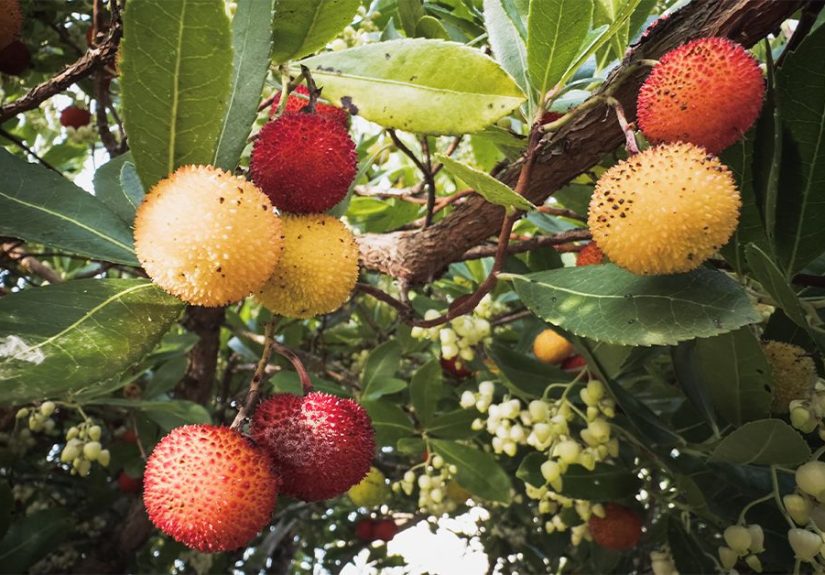
Despite its name, the strawberry tree (Arbutus unedo) isn’t
actually a strawberry plant. It’s a small evergreen tree native to the Mediterranean
region and parts of Western Europe. It produces bright red, bumpy fruits that look a
bit like strawberries from a distance but have a different flavormore like a mild,
sweet, sometimes gritty berry.
Traditionally, the fruits and leaves have been used in folk medicine and for making
jams, liqueurs, and herbal preparations. Modern lab analyses show that strawberry
tree fruits are rich in:
- Polyphenols (like flavonoids and phenolic acids)
- Antioxidants that can neutralize free radicals
- Compounds with potential anti-inflammatory and antimicrobial effects
Researchers have been particularly interested in these polyphenols,
since many plant polyphenols have been shown to protect cells from oxidative stress
and modulate inflammatory pathways relevant to chronic diseases.
What the new strawberry tree extract study actually found
The headlines about strawberry tree extract and ulcerative colitis are based on a
preclinical study that used an animal model of colitisnot human patients. That detail
matters a lot.
The study design in plain language
In the recent research, scientists used rats with chemically induced colitis meant to
mimic some features of ulcerative colitis. They:
- Induced colitis in rats using acetic acid, which damages the colon lining
- Gave some of the animals an aqueous decoction (basically a boiled-water extract) of strawberry tree fruits
- Compared colon tissue and lab markers between treated and untreated animals
According to the study, rats receiving the strawberry tree fruit extract had:
- Less visible damage to the colon lining on histology (microscopic tissue examination)
- Reduced inflammatory markers in the colon
- Improved antioxidant status, suggesting less oxidative stress
- Fewer lesions and milder signs of colitis overall
In other words, in this animal model, Arbutus unedo fruit extract
appeared to protect colon tissue and reduce the severity of experimental colitis.
Coverage from health news outlets and medical media has emphasized that this
Mediterranean plant might represent a promising natural adjunct for managing UC
in the futureif similar benefits are confirmed in people.
Important caveat: Rats are not humans
Animal studies are a crucial first step, but they’re not the finish line. Doses,
metabolism, and disease mechanisms in rats can differ significantly from those in humans.
So while the results are encouraging, they don’t mean strawberry tree extract is an
approved or proven treatment for ulcerative colitis in peopleyet.
Why polyphenols are getting so much attention in ulcerative colitis
Strawberry tree extract isn’t the only plant-based therapy being studied for IBD.
A growing body of research has looked at polyphenols from various
sourcessuch as green tea, berries, curcumin (from turmeric), olive leaves, and more
as potential adjuncts in treating ulcerative colitis.
Recent reviews and clinical studies suggest that polyphenols may help UC by:
- Reducing inflammation by downregulating pro-inflammatory cytokines and enzymes
- Acting as antioxidants, neutralizing reactive oxygen species that damage cells
- Improving gut barrier function, supporting the integrity of the intestinal lining
- Modulating the gut microbiome, encouraging a more balanced mix of gut bacteria
- Influencing immune responses involved in chronic intestinal inflammation
Some human trials of polyphenol-rich preparations have shown improvements in clinical
symptoms, endoscopic findings, or remission rates when used alongside standard UC therapies,
though the evidence is still evolving and not every study is positive.
Strawberry tree extract fits into this broader polyphenol story: it’s another
plant-derived source of antioxidant and anti-inflammatory compounds that might
complement traditional UC treatments in the future.
Where strawberry tree extract might fit in UC care (eventually)
In theory, strawberry tree extract could serve as an adjunctive therapy
something used alongside standard medicationsnot a replacement for them. Based on
what we know so far, potential roles could include:
- Helping protect the colon lining from oxidative damage
- Reducing overall inflammatory burden in the gut
- Possibly supporting longer periods of remission when combined with evidence-based drugs
However, we’re not at the point where a doctor can say, “Take X milligrams of
standardized strawberry tree extract twice a day and you’ll reduce flare-ups by
Y percent.” We don’t yet have:
- Human clinical trials in people with UC
- Standardized dosing or formulations
- Clear safety profiles for long-term use in this specific population
For now, strawberry tree extract is best viewed as an intriguing candidate in the
research pipelinenot a do-it-yourself cure.
The non-glamorous reality: Standard UC treatments still matter
While plant-based options make for exciting headlines, the backbone of UC care
remains well-studied medical therapy. Depending on disease severity and location,
treatment may include:
- Aminosalicylates (5-ASA), like mesalamine, for mild to moderate disease
- Corticosteroids for short-term control of flares
- Immunomodulators such as azathioprine or 6-MP
- Biologic therapies targeting TNF, integrins, or interleukins
- Small-molecule drugs like JAK inhibitors
- Surgical options when medical therapy fails or complications arise
Any complementary approachwhether strawberry tree extract, turmeric, or probiotics
needs to be layered onto this foundation, not used in place of it. Stopping
or reducing prescribed UC medications without medical supervision can be dangerous.
Safety first: What we know and don’t know about herbal products in IBD
Herbal and plant-based products are often seen as “natural,” which many people
interpret as “automatically safe.” Unfortunately, that’s not always trueespecially
in complex conditions like inflammatory bowel disease.
Reviews of herbal medicine use in IBD have found:
- Evidence for many herbs is limited or based on small, short-term studies
- Quality control can be inconsistent, with variable levels of active compounds
- Some preparations may contain contaminants such as heavy metals
- Herbs can interact with conventional medications, including immunosuppressants
- There are rare but real reports of liver or kidney toxicity with certain supplements
Because of this, any move to try strawberry tree extract (or similar products) should
be done only in consultation with a gastroenterologist or clinician familiar with
your medications and overall health.
What you can realistically do right now
While we wait for more research on strawberry tree extract and ulcerative colitis,
there are evidence-informed steps you can take today to support your gut and overall health.
1. Have an honest conversation with your GI team
If you’re curious about plant-based therapies, tell your gastroenterologist. Instead
of hiding supplements (which many patients admit they do), bring a list of anything
you’re taking or considering. Your care team can:
- Check for potential interactions with your prescriptions
- Help you watch for side effects
- Recommend options that have at least some supportive data in IBD
2. Focus on a gut-friendly, polyphenol-rich eating pattern
Even without strawberry tree extract capsules on the pharmacy shelf, you can still
build a diet naturally rich in polyphenols. Think:
- Colorful berries, cherries, and other fruits (as tolerated)
- Olive oil and other healthy fats
- Herbs and spices like turmeric, ginger, and rosemary
- Vegetables in many colors and textures
Of course, ulcerative colitis is very individualwhat works for one person may cause
symptoms in another. Keeping a food and symptom diary can help you identify your own
triggers while still aiming for a nutrient-dense, plant-forward pattern.
3. Keep the big-picture pillars in view
While strawberry tree extract is a fascinating potential tool, it’s only one piece of
a much bigger puzzle. Long-term UC management typically involves:
- Sticking with your prescribed medication plan
- Attending regular monitoring visits and colonoscopies when recommended
- Managing stress and sleep as best you can
- Staying physically active within your comfort level
- Seeking mental health support if chronic illness is taking a toll emotionally
No single supplement can replace these foundational habitsbut a well-studied plant
extract might one day complement them.
Real-world experiences: How people think about plant-based add-ons
To bring this topic down from the lab bench to everyday life, it can help to look at
how people with ulcerative colitis actually approach complementary therapies.
The stories below are composites based on common patterns patients report, rather than
accounts of any single individual.
A patient’s perspective: “I want options, but I don’t want to gamble”
Imagine someone in their 30s who was diagnosed with ulcerative colitis in college.
They’ve been through the full arcoral 5-ASA meds, a few steroid tapers, eventually
a biologic that finally brought them into remission. On paper, things look good.
But they still feel like they’re walking on eggshells, worried that one bad flare
will reset the clock.
When they read about strawberry tree extract and similar plant-based treatments,
it hits a nerve: a possibility that something gentler could help their colon stay
calm. At the same time, they’re understandably cautious:
- They’ve tried random supplements before that upset their stomach
- They’ve heard stories of people online who stopped their meds and wound up hospitalized
- They’re juggling work, family, and clinic visits, so adding something risky feels overwhelming
For many patients, what they really want is not a miracle cure, but a sense of
agency: the feeling that they can do something proactivelike pursuing
a Mediterranean-style eating pattern, adding safe, doctor-approved supplements, or
following new researchwithout undermining the treatments that are already working.
A clinician’s perspective: Balancing curiosity and caution
On the clinician side, there’s often a mix of genuine excitement and healthy skepticism.
Gastroenterologists see firsthand how tough UC can be, and they know current treatments,
while effective for many, aren’t perfect. When they read about strawberry tree extract
protecting colon tissue in animal models, they’re interestedbut they’re also trained to
ask hard questions:
- Is this effect reproducible in multiple studies?
- What dose corresponds to what a human might actually take?
- Are there long-term safety data, especially in people on immunosuppressants?
- Is there a standardized, quality-controlled product available?
Many clinicians are open to plant-based adjuncts as long as they don’t replace
evidence-based therapy and don’t introduce undue risk. They may be more enthusiastic
about broad, food-based patternslike encouraging polyphenol-rich fruits, vegetables,
and olive oilbecause these approaches have wider health benefits and lower downside
than a highly concentrated, poorly regulated supplement.
The middle ground: Informed experimentation
In practice, what often emerges is a “middle path”:
-
Patients and clinicians work together to evaluate complementary options, including plant
extracts, based on the best available evidence at the time. -
Any new supplement is introduced cautiously, ideally when the disease is stablenot during
a severe flare. - People track symptoms carefully and agree on clear “stop” rules if things worsen.
If strawberry tree extract eventually moves from rat studies into well-designed human
trials and demonstrates real benefits, it could become one of those carefully chosen
adjuncts. Even now, the research offers something valuable: a reminder that diet,
plant compounds, and gut health are deeply connectedand that the future of UC care
might include smarter, more targeted use of what nature already provides.
Bottom line
Strawberry tree extract is a promising newcomer in the ulcerative colitis research
landscape. Early animal studies suggest it may help protect the colon and reduce
inflammation, likely thanks to its rich polyphenol content. But we’re still firmly
in the “preclinical” chapter of this storyhuman trials are needed before anyone
can recommend it as a standard part of UC management.
For now, the most powerful steps remain tried-and-true: evidence-based medications,
regular medical follow-up, healthy lifestyle habits, and open communication with
your care team. Plant-based compounds like those in strawberry tree fruit may one day
enhance that foundationbut they shouldn’t replace it.