Table of Contents >> Show >> Hide
- What Is Typhus?
- Types of Typhus (and Why the “Type” Matters)
- Causes and How Typhus Spreads
- Typhus Symptoms: What It Looks Like
- When Typhus Becomes Serious
- Diagnosis: How Doctors Confirm Typhus
- Treatment: What Works (and Why Early Treatment Matters)
- Prevention: How to Reduce Your Risk
- When to See a Doctor
- FAQ: Common Questions People Ask About Typhus
- Experiences With Typhus: What It’s Like in Real Life (About )
- Conclusion
Quick heads-up: “Typhus” and “typhoid” sound like twins who share a closet, but they’re different illnesses caused by different bacteria. Typhus is a group of infections typically spread by fleas, lice, or chiggers (mite larvae). Typhoid fever is usually linked to contaminated food or water. This article is about typhusthe one that tends to involve tiny hitchhikers with a biting habit.
Typhus is uncommon in the United States, but it still shows upespecially certain types in specific regions and in people with particular exposure risks. The good news? Typhus is treatable, and outcomes are usually much better when treatment starts early. The tricky part is that early symptoms can look like many other infections, so knowing the “clues” matters.
What Is Typhus?
Typhus is a group of bacterial diseases caused mainly by Rickettsia species (and one close relative, Orientia). These bacteria live inside cells, which is one reason typhus can make people feel dramatically lousylike your body is throwing an all-hands meeting and nobody brought snacks.
There are three major categories often discussed in medical sources:
- Flea-borne (murine/endemic) typhus (often linked to fleas and animals that carry them)
- Epidemic typhus (classically linked to body lice; rare in the U.S.)
- Scrub typhus (spread by chiggers; more common in parts of Asia-Pacific, but relevant for travelers)
Types of Typhus (and Why the “Type” Matters)
1) Flea-borne (Murine/Endemic) Typhus
This form is caused by Rickettsia typhi. People get exposed when infected fleas are involvedoften through flea bites or contact with flea dirt (flea feces) that gets into broken skin from scratching. In the U.S., flea-borne typhus is reported more often in places like Texas and California, though it can occur elsewhere.
2) Epidemic Typhus
This type is caused by Rickettsia prowazekii and is usually transmitted by body lice. It’s historically associated with crowded conditions and limited access to hygiene (think war, displacement, or disasters). In the U.S., it’s rare, but clinicians still learn it because it can be severe and because related illness can recur (a condition called Brill-Zinsser disease).
3) Scrub Typhus
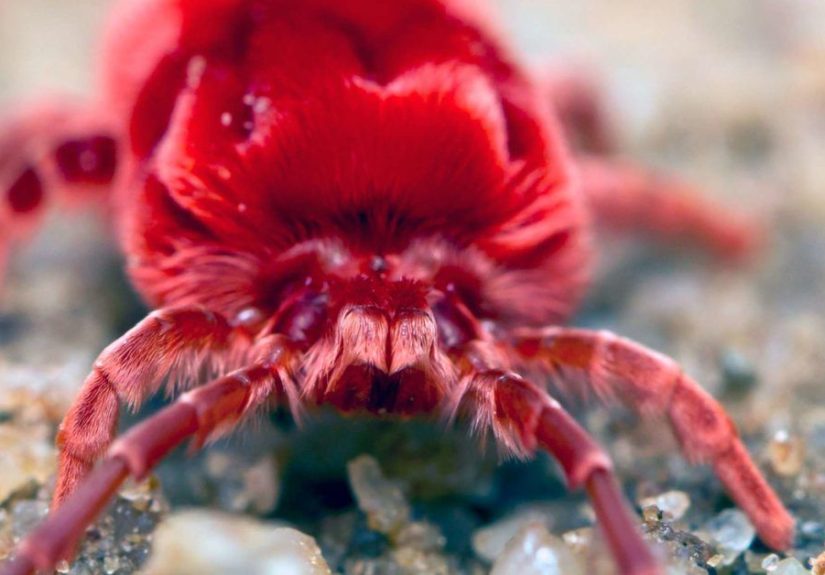
Scrub typhus is caused by Orientia bacteria and spread by chiggers (the larval stage of certain mites). It’s not typically homegrown in the U.S., but it matters for people who’ve traveled to regions where scrub typhus is more common. Some patients develop an eschar (a dark scab-like spot at the bite site), which can be a major clue.
Causes and How Typhus Spreads
Typhus doesn’t usually spread from person to person like a cold. Instead, it spreads through vectorsorganisms that carry infection from animals to humans (or human to human) via bites or contamination. In plain English: it’s often a “bug delivery system.”
Common transmission routes include:
- Fleas that feed on infected animals (such as rodents) and later bite humans.
- Body lice that live in clothing and bedding and spread bacteria through their feces (which can enter skin through scratching).
- Chiggers that transmit scrub typhus through bites.
Risk factors aren’t about being “dirty.” They’re usually about exposurefor example, living or spending time in areas with flea infestations, close contact with animals that may carry fleas, or conditions where lice can spread (crowded living settings and limited laundry access).
Typhus Symptoms: What It Looks Like
Typhus symptoms can range from mild to severe and may overlap with many other illnesses. Still, there are patterns worth knowingespecially if someone has fever plus a recent history of insect exposure, animal contact, travel, or a known outbreak area.
Common symptoms
- Fever (often sudden)
- Headache
- Chills
- Body aches and fatigue
- Rash (not always present, and timing varies)
- Nausea, vomiting, or abdominal discomfort
- Cough or general respiratory symptoms in some cases
What about the rash?
Rash is a classic feature in many descriptions, but it’s not guaranteed. When it occurs, it may show up a few days after fever begins. Depending on the type of typhus, rash patterns can differ. Some people never develop a rash at allone reason typhus can be missed early.
How soon do symptoms start after exposure?
Incubation is typically about 1–2 weeks, though flea-borne typhus is often described in the roughly 6–14 day range. Translation: you may not connect “that weekend with the stray cat” to today’s fever unless someone asks the right questions.
When Typhus Becomes Serious
Many people recover well with proper treatment, but typhus can become severeespecially in older adults or when antibiotics are delayed. Severe illness can involve complications affecting lungs, brain, liver, or kidneys.
Possible complications include:
- Pneumonia or breathing problems
- Confusion or other neurologic symptoms
- Hepatitis (liver inflammation) or abnormal liver tests
- Kidney problems
- Low blood pressure and severe systemic illness in rare cases
Urgent warning signs that should prompt immediate medical evaluation: trouble breathing, chest pain, fainting, severe dehydration, confusion, stiff neck, persistent high fever, or a rapidly worsening condition.
Diagnosis: How Doctors Confirm Typhus
Typhus diagnosis often starts with a clinical puzzle: fever + symptoms + exposure history. Because early symptoms are nonspecific, clinicians pay close attention to:
- Recent flea, lice, or chigger exposure
- Contact with animals that may carry fleas (including outdoor cats, opossums, rodents)
- Travel history (especially for scrub typhus risk)
- Local reports of flea-borne typhus in the community
Common tests
Laboratory confirmation may involve:
- Serology (blood tests looking for antibodies). This can take time because antibodies may not be detectable early.
- PCR testing in certain settings (detecting bacterial genetic material).
- General labs (like liver enzymes, platelets, and inflammation markers) that can support the overall picture but are not specific.
Because timing matters, clinicians often treat suspected typhus before final confirmation if the overall story fits.
Treatment: What Works (and Why Early Treatment Matters)
The cornerstone of typhus treatment is antibioticsmost commonly doxycycline. Across major public-health and clinical references, doxycycline is widely considered the treatment of choice for suspected typhus in both adults and children, and early treatment is emphasized because it reduces the risk of complications.
First-line antibiotic
Doxycycline is typically used for:
- Flea-borne (murine) typhus
- Epidemic typhus (and Brill-Zinsser disease)
- Scrub typhus
What if someone can’t take doxycycline?
In certain situationslike allergy, intolerance, or pregnancyclinicians may consider alternatives (such as azithromycin in select circumstances). The “best” alternative depends on the type of infection, patient factors, and local guidance, so it’s not a DIY decision.
Supportive care
Antibiotics treat the cause, but supportive care helps you feel human again:
- Fluids and rest
- Fever control (as advised by a clinician)
- Hospital care if severe symptoms develop (for breathing support, IV fluids, or monitoring)
Important: Don’t wait to “see if it passes” if typhus is suspectedespecially if fever is high or symptoms are escalating. Typhus is one of those illnesses where earlier action usually means an easier recovery.
Prevention: How to Reduce Your Risk
Preventing typhus is mostly about avoiding the vector triangle: bugs + animals + exposure. You don’t need to fear the outdoorsjust get smarter than a flea.
Flea-borne typhus prevention
- Keep pets on veterinarian-approved flea prevention year-round if recommended in your area.
- Wash pet bedding regularly and vacuum areas where pets sleep.
- Reduce rodent access around the home (secure trash, seal entry points).
- Use insect repellent as directed when exposure is likely.
Body lice prevention
- Regular access to bathing and clean clothing helps break the lice cycle.
- Wash clothing and bedding in hot water when possible.
- In community settings, addressing lice outbreaks usually requires coordinated public-health support (not blame).
Travel and outdoor exposure (scrub typhus concerns)
- Wear long sleeves and long pants in brushy or grassy areas.
- Consider treating clothing with permethrin where appropriate and allowed.
- Check skin after hikes; don’t ignore a persistent “bite” that forms a dark scab-like spot with fever later.
When to See a Doctor
If you have a fever that lasts more than a couple of days and any of the following, it’s time to get checked:
- New rash
- Severe headache
- Confusion or unusual sleepiness
- Shortness of breath
- Recent flea exposure, lice exposure, or high-risk travel
- Contact with animals in areas known for flea-borne typhus
Tell the clinician about exposures (fleas/lice/chiggers), pets, travel, and where you live or visited. Those details can be the difference between “mystery fever” and the right treatment.
FAQ: Common Questions People Ask About Typhus
Is typhus contagious?
Usually not in the typical “catch it from a sneeze” way. Typhus typically spreads through vectors (fleas, lice, chiggers), not casual contact.
Can you recover from typhus?
Yes. With appropriate antibioticsespecially when started earlymost people recover well.
Can typhus come back?
A specific phenomenon called Brill-Zinsser disease can occur when epidemic typhus infection reactivates later in life. It’s uncommon, but it’s one reason clinicians take the history seriously.
Experiences With Typhus: What It’s Like in Real Life (About )
Medical descriptions are helpful, but they can feel oddly sterilelike reading a recipe that says, “Combine ingredients until… unpleasant.” In real life, typhus often shows up as a story of confusion first, clarity later.
Experience #1: “I thought it was the flu… until it wasn’t.”
A teen comes home from a weekend of helping clean out a relative’s garage. A few days later: fever, headache, and a wiped-out feeling that doesn’t match a normal cold. The family tries rest, hydration, and a couple of “maybe it’s just a virus” days. Then the fever hangs on, appetite drops, and a faint rash appearseasy to miss unless you’re looking for it. At urgent care, the key detail isn’t a fancy symptom. It’s the exposure: dusty areas, signs of rodents, and a household cat that’s been scratching a lot. When the clinician connects the dots and starts appropriate antibiotics, the turnaround is noticeable within days. The biggest takeaway the family shares afterward: “If we’d mentioned the flea situation sooner, we might’ve saved a few miserable days.”
Experience #2: “The rash never showed up, so nobody guessed typhus.”
Another common experience is no rash at all. Someone develops a persistent fever and headache with nausea and fatigue, but no obvious skin clues. They get told it’s likely viral. After several days, they feel worse, not better. By the time follow-up happens, lab work shows inflammation and maybe abnormal liver enzymesstill not specific. Only after a careful history (recent flea bites, working around animals, or living in an area with known flea-borne cases) does typhus enter the conversation. This experience is frustrating, but it highlights something important: typhus isn’t always dramatic on the outside. Sometimes the “drama” is how long it takes to identify.
Experience #3: “Travel made the mystery harder.”
Travelers can have a different version of the story. Someone returns from hiking abroad, then develops fever and a pounding headache. They assume it’s jet lag plus a random bug. A week later, they’re still febrile and exhausted. A clinician asks about hiking terrain, insect bites, and whether there’s a dark scab-like spot (an eschar). That one question can shift the diagnosis toward scrub typhus or another rickettsial illness. The patient’s reflection afterward is almost always the same: “I didn’t realize a tiny bite could matter that much.”
Experience #4: “Public health and prevention felt empowering.”
For some families, the experience extends beyond the illness. After recovery, they focus on flea control for pets, cleaning sleeping areas, and preventing rodent access. Instead of feeling paranoid, they feel prepared. The illness becomes a “we learned something” moment: know your local risks, take persistent fevers seriously, and remember that prevention is often just consistent basicspet flea prevention, home maintenance, and smart outdoor habits.
These stories share one theme: typhus is rarely recognized by a single symptom. It’s recognized by the patternfever plus exposure historyfollowed by early, appropriate treatment.
Conclusion
Typhus may be uncommon, but it’s not extinctand it can be surprisingly easy to mistake for more routine illnesses early on. Knowing the main types (flea-borne, epidemic, scrub), recognizing typical symptoms (fever, headache, sometimes rash), and understanding the role of vectors (fleas, lice, chiggers) helps you spot when a “normal” fever might deserve a second look. Most importantly, typhus is treatable, and outcomes tend to improve when antibiotics are started early. If you or someone you care for has persistent fever plus relevant exposure or travel, seek medical care and share those exposure details upfrontit can speed up diagnosis and recovery.