Table of Contents >> Show >> Hide
- Why Tongue Cleaning Matters (and What It Canand Can’tDo)
- The “Three Proven Methods” Overview
- Method 1: Tongue Scraping (The Quick Squeegee Approach)
- Method 2: Tongue Brushing (The “No Extra Gadgets” Option)
- Method 3: Rinse Strategically (Flush, Don’t Just Swish for Drama)
- How Often Should You Clean Your Tongue?
- Choosing the Right Tool (and Keeping It Clean)
- Safety Notes: When to Skip Tongue Cleaning (or See a Pro)
- FAQ: Tongue Cleaning Questions People Actually Ask
- Conclusion: A Cleaner Tongue in Less Than a Minute
- Real-World Experiences: What It’s Like to Start Cleaning Your Tongue (About )
Your tongue is basically the welcome mat of your mouth. It greets every coffee, snack, and “I’ll just have one more” bitethen politely holds onto
leftovers like it’s collecting souvenirs. The result? A coating made of bacteria, food debris, and dead cells that can contribute to bad breath and a
funky taste. The good news: cleaning your tongue is fast, low-effort, and surprisingly satisfying (like peeling protective film off a new phone).
In this guide, you’ll get three evidence-backed ways to clean your tonguescraping, brushing, and rinsingplus a routine that actually sticks and a
real-world “what it feels like” section at the end so you know what to expect.
Why Tongue Cleaning Matters (and What It Canand Can’tDo)
The top of your tongue has tiny bumps called papillae. They help you taste and move food around, but they can also trap gunk. When bacteria break down
proteins in that coating, they can release smelly compounds that contribute to “morning breath” or persistent halitosis. Tongue cleaning can reduce the
coating and often improves breath temporarilyespecially if your tongue looks visibly coated.
A quick reality check: tongue cleaning isn’t a magic eraser for all bad breath. Gum disease, cavities, dry mouth, smoking, and certain medical issues
can also be involved. Think of tongue cleaning as an important teammatenot the whole team.
Signs your tongue could use some attention
- A white, yellow, or brownish film (especially toward the back).
- Bad breath that returns quickly after brushing.
- A “cotton mouth” feeling or dry mouth (saliva normally helps wash bacteria away).
- A stale taste that doesn’t match your toothpaste’s confidence level.
The “Three Proven Methods” Overview
Research on tongue cleaning generally focuses on mechanical removal of tongue coating and its effect on odor-causing compounds. Studies and clinical
reviews suggest that mechanically cleaning the tongue (with a scraper, cleaner, or toothbrush) can reduce tongue coating and volatile sulfur compounds
linked to bad breathoften in the short term. Meanwhile, major dental/health organizations also note that benefits vary and bacteria can return quickly.
- Method 1: Tongue scraping (fast, targeted, and very popular).
- Method 2: Tongue brushing (simple and “already in your hand”).
- Method 3: Rinsing strategically (helps flush loosened debris and supports a fresher feel).
Method 1: Tongue Scraping (The Quick Squeegee Approach)
A tongue scraper (or tongue cleaner) is designed to gently pull coating off the surface of your tongue. Some studies show scrapers can reduce odor-causing
compounds; other evidence suggests the effect can be modest or temporary. Still, many people like scraping because it’s efficient and easy to do consistently.
Who it’s best for
- Anyone who wakes up with a noticeable tongue coating.
- People who want the fastest “freshen-up” step in their routine.
- Anyone who finds brushing the tongue triggers gagging more than scraping (this varies person to person).
Step-by-step: how to scrape your tongue correctly
- Wash the tool with soap and warm water (or rinse thoroughly) before first use.
- Stick out your tongue comfortably. Use a mirror at firstit helps with placement and pressure.
- Place the scraper mid-tongue the first few days (not all the way in the back). Then gradually move farther back as your gag reflex chills out.
- Use light pressure and pull the scraper forward toward the tip of your tongue.
- Rinse the scraper and repeat 1–3 times. More passes aren’t “more healthy”they’re just more passes.
- Rinse your mouth with water afterward.
Common mistakes (and how to avoid them)
- Pressing too hard: If your tongue feels sore, back off. Gentle is the goal.
- Scraping 10+ times: Overdoing it can irritate tissue. Aim for “clean,” not “polished like a bowling lane.”
- Skipping tool cleaning: Rinse after use and let it dry. A dirty scraper defeats the vibe.
Pro tips for less gagging
- Breathe through your nose and exhale slowly while scraping.
- Start mid-tongue for a week, then move back gradually.
- Do it after brushing if foam helps you feel less sensitive (or before brushing if you prefereither is fine).
Method 2: Tongue Brushing (The “No Extra Gadgets” Option)
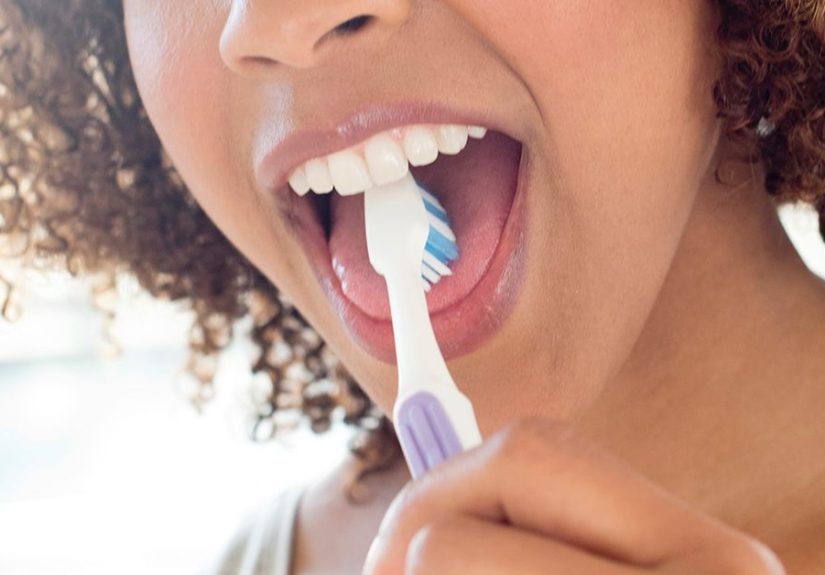
Tongue brushing is exactly what it sounds like: you use a soft-bristled toothbrush (or a brush with a built-in tongue cleaner) to gently brush the tongue’s
surface. Some evidence suggests brushing can be comparable to scraping for breath improvement in many casesespecially if done gently and consistently.
Who it’s best for
- Anyone who doesn’t want to buy another tool.
- People with sensitive tongues who prefer a softer approach.
- Anyone who already uses an electric brush and wants to add a quick “tongue pass.”
Step-by-step: how to brush your tongue without overdoing it
- Use a soft-bristled brush. Medium/hard bristles can be rough on soft tissues.
- Stick out your tongue and aim for the top surface (the dorsum), not the sides or underneath.
- Brush gently from back to front in short strokes. Think “sweeping,” not “scrubbing grout.”
- Focus on the center and back where coating often builds up.
- Rinse your mouth and brush thoroughly afterward.
Toothpaste or no toothpaste?
Either is fine. Some people prefer a small dab of toothpaste for freshness; others find it too foamy and gag-inducing. If you use toothpaste, keep it light,
and avoid abrasive “charcoal” or harsh whitening pastes on the tongue if they cause irritation.
When brushing may be the better choice than scraping
- If your tongue feels irritated or you’ve been scraping too aggressively.
- If you’re prone to canker sores or sensitivity and want a gentler method.
- If you’re aiming for consistency above allbecause the best method is the one you’ll actually do.
Method 3: Rinse Strategically (Flush, Don’t Just Swish for Drama)
Rinsing won’t “scrape off” a heavy coating by itself, but it can help loosen debris, wash away what you just removed, and leave your mouth feeling cleaner.
The key is to rinse as part of a routineespecially after scraping or brushing your tongue.
Two rinse options that make sense
Option A: Plain water rinse (simple, underrated)
- Great after scraping/brushing to flush loosened coating.
- Helpful if your mouth feels dry (hydration supports saliva, which naturally controls bacteria).
Option B: Antiseptic or fluoride mouthwash (choose based on your goal)
- For breath: Some antiseptic mouthwashes can temporarily reduce odor-causing bacteria.
- For cavity protection: Fluoride rinses support enamel; they’re more “tooth health” than “tongue cleaning,” but part of a strong routine.
- If you get dry mouth: Consider alcohol-free rinses; alcohol can feel drying for some people.
How to do it (without accidentally canceling your toothpaste)
- Scrape or brush your tongue first (that’s when debris is loosened).
- Rinse with water to flush away what you removed.
-
If you use mouthwash, follow the label and consider timing. Some people prefer to mouthwash at a different time than brushing so they don’t
immediately rinse away concentrated fluoride toothpaste. If you’re unsure, ask your dentist what timing fits your needs.
Bottom line: rinsing is the finisher. It helps your tongue feel cleaner and your mouth feel fresherespecially after you do the mechanical work (scraping or brushing).
How Often Should You Clean Your Tongue?
For most people, once or twice a day is plentyoften in the morning (when tongue coating tends to be thicker) and/or at night.
If you’re dealing with dry mouth, smoking, or a consistently coated tongue, daily cleaning can help. If your tongue becomes sore, scale back and use gentler pressure.
A simple, realistic routine (takes about 2 minutes)
- Drink a sip of water (optional but helpful).
- Scrape or brush your tongue (10–20 seconds).
- Brush teeth for 2 minutes with fluoride toothpaste.
- Clean between teeth (floss/interdental brush).
- Rinse (water, and mouthwash if you use it).
Choosing the Right Tool (and Keeping It Clean)
Tongue scraper vs. tongue brush vs. toothbrush
- Scraper/cleaner: Efficient and targeted. Great if you like quick results and a dedicated tool.
- Tongue brush: Designed to lift coating; useful if you prefer bristles made for the tongue.
- Regular toothbrush: Convenient and effective for many people when used gently.
Tool hygiene rules (easy but important)
- Rinse after every use and let air-dry.
- Wash with soap and water regularly.
- Replace scrapers/brush heads if they crack, warp, or look rough.
Safety Notes: When to Skip Tongue Cleaning (or See a Pro)
Tongue cleaning should be gentle. If you’re scraping or brushing so hard that you’re causing pain, bleeding, or ongoing irritation, stop and let things heal.
Also, don’t try to “sand” your tongue cleanyour tongue is not a cast-iron skillet.
Talk to a dentist or healthcare professional if you notice:
- Persistent bad breath that doesn’t improve with thorough oral care.
- White patches that don’t wipe off, persistent soreness, or a burning sensation.
- Ulcers/lesions that last more than two weeks.
- Severe dry mouth, especially if it started with a medication change.
A quick myth-buster
Tongue scraping is sometimes marketed as “detox.” Your liver and kidneys handle detox. Tongue cleaning mainly removes coating and bacteria from the tongue’s surface.
It can help breath and mouth feelbut it’s not a full-body cleanse (sorry, wellness influencers).
FAQ: Tongue Cleaning Questions People Actually Ask
Is tongue scraping better than brushing?
For some people, scraping feels more effective and faster. For others, brushing is just as helpful and easier to maintain. Evidence suggests both can reduce
tongue coating and may reduce odor-causing compounds, with results varying and often temporary. Choose the method you’ll do consistently and gently.
Why does my tongue look white even after I clean it?
A light coating can come back quicklyespecially if you have dry mouth, mouth-breathe at night, smoke, or drink lots of coffee. If the coating is thick,
painful, or doesn’t improve with gentle cleaning and hydration, it’s worth checking with a dentist or clinician.
Can I use a spoon to scrape my tongue?
Some people do. A dedicated scraper is usually easier to control and clean, but a spoon can work in a pinch if it’s smooth, clean, and used gently.
Will cleaning my tongue improve taste?
It can for some peopleespecially if you had a heavy coating. With less buildup, taste buds may have better contact with food and drinks. Don’t expect a
superhero upgrade, but you might notice flavors feel “clearer.”
Conclusion: A Cleaner Tongue in Less Than a Minute
If you want a fresher mouth with minimal effort, tongue cleaning is one of the highest “results-per-second” habits you can build. Pick one of the three proven
methodsscrape, brush, or rinse strategicallyand keep it gentle and consistent. If bad breath persists, treat tongue cleaning as a clue, not a cure-all:
it may be time to look at gums, teeth, dry mouth, or overall health with a professional.
Your tongue does a lot for youtalking, tasting, and surviving questionable late-night snacks. A quick daily clean is basically a thank-you note.
Real-World Experiences: What It’s Like to Start Cleaning Your Tongue (About )
If you’ve never cleaned your tongue on purpose, the first time can feel oddly dramaticlike you’ve discovered a secret room in your own mouth. Many people
report an immediate “fresher” feeling right after scraping or brushing, especially if they had a visible coating. The most common reaction is a mix of
satisfaction (“Whoa, that came off?”) and mild surprise (“How has this been here the whole time?”).
During the first week, consistency matters more than intensity. A lot of beginners go too hard because they assume “more pressure = more clean.” In real life,
the sweet spot is light pressure and a couple of passes. People who take the gentle route tend to stick with the habit, while the overachievers sometimes end up
with a sore tongue and a grudge against the entire concept of oral hygiene.
Gag reflex is the other big storyline. Many people notice gagging is strongest when they try to start too far back on day one. A common experience is that moving
graduallystarting mid-tongue, then inching back over several daysmakes the reflex noticeably calmer. Breathing through the nose and exhaling slowly helps, too.
Some folks find scraping triggers less gagging than brushing because it’s faster and uses a flatter tool; others feel the opposite. It’s very “choose your own adventure.”
In terms of results, the most frequently reported change is morning breath improvement. It’s not always a life-altering transformation, but many people notice
their mouth feels less “stale,” especially when tongue cleaning is paired with flossing and hydration. Another common experience is a cleaner tastelike coffee,
mint, or breakfast tastes a bit more straightforward instead of competing with yesterday’s garlic bread memories.
People with dry mouth often notice tongue coating returns faster. In those cases, the experience tends to be: tongue cleaning helps, but it’s not the whole answer.
Drinking more water, using alcohol-free rinses, and addressing mouth breathing can make tongue cleaning feel more effective. Smokers and heavy coffee drinkers often
report thicker coating, and some notice that daily cleaning makes their tongue look more “pink” over time, though results vary.
Finally, there’s a subtle but useful “awareness” effect. When you start paying attention to your tongue daily, you’re more likely to notice changespersistent
soreness, unusual patches, or chronic dryness. Many people find that this habit nudges them toward a more complete routine overall. The best real-world takeaway:
tongue cleaning is a small action with a surprisingly big “clean mouth” payoffwhen you keep it gentle, make it routine, and remember it works best as part of
the whole oral-care picture.