Table of Contents >> Show >> Hide
- What changed, exactly?
- Why now? The timing is not random
- What this means in real kitchens
- Glass vs. classic plastic containers: the nuanced version
- How to use the new glass system effectively
- Can this change help revive Tupperware?
- 500-Word Experience Section: What this change feels like in everyday life
- Final takeaway
For decades, “Tupperware” was practically a synonym for plastic food containers. If you grew up in an American kitchen, you probably remember a colorful stack of bowls, a satisfying lid “burp,” and the mystery of how one lid always vanished into another dimension.
Now, the company is making a meaningful shift: it has introduced a glass-based line designed to do more than hold leftovers.
This article breaks down what changed, why it matters, and how it fits into the bigger kitchen trends in the U.S. right now. We’ll cover product design, household practicality, food-safety context, sustainability impact, and the business story behind the move.
You’ll also get a hands-on experience section at the end, with realistic kitchen scenarios and lessons learned.
Editorially, this piece synthesizes insights from multiple reputable U.S. sources across product reporting, business news, consumer testing, and public-health guidance, including Tupperware, Good Housekeeping, Allrecipes, AP, Reuters, Consumer Reports, FDA, USDA, CDC, EPA, FoodSafety.gov, and Mayo Clinic.
What changed, exactly?
From iconic plastic to a glass-forward line
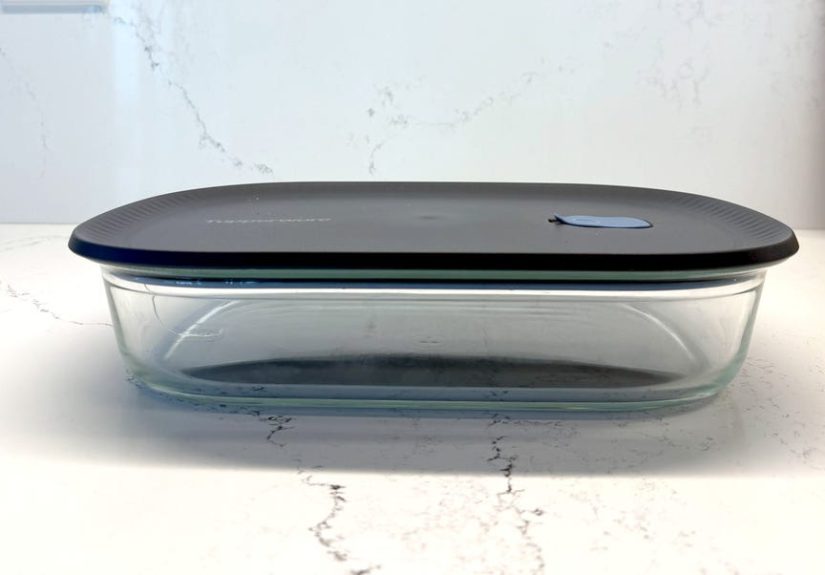
The headline change is simple: Tupperware introduced a glass collection under the Voila line, moving beyond its traditional plastic identity. That’s not a tiny tweakit’s a brand-level pivot.
Instead of “store and stack only,” these new containers are positioned as prep-to-oven-to-table-to-fridge tools, which puts Tupperware in the same conversation as brands shoppers typically associate with oven-safe glass bakeware.
The practical design upgrades
The new line’s key features are highly kitchen-specific, not just marketing adjectives:
- Borosilicate glass for better resistance to thermal shock.
- A built-in steam vent so food can be microwaved with the lid on (vent open).
- Fill lines for portioning and reducing overfill mistakes.
- A 360-degree rim that improves grip and handling.
- Multiple formats and capacities (round, square, and XL rectangular options).
Put plainly: this is less “container-only” and more “multi-tasking kitchen system.” You can bake a casserole, serve it, seal leftovers, and reheat tomorrow’s lunch in the same dish.
That saves dishes, cabinet space, and a surprising amount of weeknight patience.
Why this feels like a bigger deal than a product launch
Every brand releases “new” items. But this one hits a legacy nerve. Tupperware’s identity was built around plastic innovation and party-based sales culture. So introducing a flagship glass line is like seeing a classic denim brand launch a serious formalwear collection: not impossible, but definitely strategic.
Why now? The timing is not random
Kitchen behavior has changed
American households cook, store, and reheat differently than they did 20 years ago. Meal prep is mainstream. Small kitchens demand tools that do more than one job. Consumers increasingly compare materials, not just prices, especially for products touching food and heat.
Glass has gained momentum because it can move between fridge, oven, and dining table without looking like a temporary solution.
Test-kitchen and review outlets have also elevated expectations: people now expect leak resistance, stackability, visibility, easy cleaning, and durability under real-life use, not just “it has a lid.”
In that environment, a classic plastic-only strategy looks increasingly narrow.
The business backdrop matters
Tupperware’s recent corporate turbulence adds context. After its bankruptcy process and lender-led ownership transition, the company signaled a rebuild strategy focused on key markets and a more modern operating mindset.
Launching a glass line in that phase reads as both a product decision and a relevance decision: if consumers moved, the brand had to move too.
In other words, this is not merely “new inventory.” It’s an attempt to reintroduce Tupperware as a contemporary kitchen brand, not just a nostalgic one.
What this means in real kitchens
1) Fewer container transfers
Traditional routine: cook in one vessel, serve in another, store in a third. The Voila-style workflow: cook, serve, store, and reheat in one.
That reduces transfer mess, cuts cleanup, and lowers the chance of “leftovers abandoned in mystery bowl syndrome.”
2) Better visibility, better planning
Transparent glass makes meal planning easier. You can see exactly what’s left and how much, which helps reduce accidental overbuying and forgotten leftovers.
This matters more than it soundsfood waste in the U.S. is still a massive issue, and better visibility is one of the easiest household-level interventions.
3) Stronger fit for batch cooks and families
The larger rectangular format is naturally suited for casseroles, baked pasta, roasted vegetables, and family-size leftovers.
Round and square options support soups, desserts, and small-batch prep. If your week has one “cook once, eat twice” night, multi-format glass containers earn their keep quickly.
4) Aesthetic matters more than people admit
Yes, this is practical gear. But presentation changes behavior. If leftovers look appetizing and table-ready, they’re more likely to be eaten rather than forgotten.
Good design doesn’t just look niceit nudges better habits.
Glass vs. classic plastic containers: the nuanced version
Let’s skip the all-or-nothing takes. Both materials have strengths. The smart move is matching material to task.
| Factor | Glass Containers | Classic Plastic Containers |
|---|---|---|
| Heat use | Great for oven use (when product allows); stable under reheating routines | Convenient for cold storage; follow product-specific microwave guidance carefully |
| Weight | Heavier | Lighter and travel-friendly |
| Staining/odor retention | Typically lower | Can stain or retain odors over time |
| Break risk | Can break if dropped | More impact-tolerant |
| Aesthetics | Table-ready and easy to inspect | Functional, often less presentation-focused |
| Best use cases | Meal prep + baking + serving + storage | Lunch packing, lightweight transport, dry goods, kids’ snacks |
On safety context, the most responsible summary is this: U.S. agencies state that current approved uses of BPA in food-contact applications are considered safe at current exposure levels, while ongoing research continues.
FDA also notes that microplastics and nanoplastics are being studied and that current evidence does not demonstrate a health risk from levels found in foods.
At the same time, consumer advocates and testers often recommend practical exposure-reduction habits, such as avoiding heating hot food in plastic when possible.
So this isn’t “plastic panic.” It’s material strategy. Use the right tool for the right job.
How to use the new glass system effectively
Do this
- Use glass for reheating leftovers, baked dishes, and meal-prep portions.
- Open steam vents when microwaving with lid-on designs.
- Use fill lines to prevent overfilling soups, sauces, and casseroles.
- Cool hot food slightly before sealing for better condensation control.
- Label leftovers with date stickers.
Avoid this
- Putting plastic lids in high-heat oven environments.
- Using glass dishes on stovetops unless explicitly designed for it.
- Keeping leftovers “for vibes” instead of following storage windows.
- Assuming every container in your cabinet has the same heat tolerance.
Food safety still rules the game. U.S. guidance consistently emphasizes storing cooked leftovers promptly and using them within recommended timeframes, usually 3 to 4 days in the refrigerator.
Can this change help revive Tupperware?
It can helpbut product alone won’t do all the work. For a durable comeback, Tupperware needs a three-part play:
- Compelling product architecture: glass, plastic, and accessories that complement each other.
- Clear channel strategy: easy online shopping plus strong consultant/community value where that model still works.
- Trust-through-performance: consistent quality, transparent instructions, and reliable availability.
The good news: this launch demonstrates the brand is willing to evolve without abandoning its core “smart storage” DNA.
The challenge: the modern container market is crowded, and consumers are well-informed, comparison-driven, and brutally honest in reviews.
Translation: this is a strong first chapter, not the final chapter.
500-Word Experience Section: What this change feels like in everyday life
Note: The experiences below are realistic, composite-style kitchen scenarios informed by published tester impressions, product specs, and common household workflows.
Monday night, 6:40 p.m.: a parent opens the fridge and sees a clear square glass dish with leftover baked ziti. No unlabeled mystery containers. No “Is this from Thursday or the Jurassic period?” debate.
The lid comes off, the portion goes into the microwave with the vent open, and dinner is ready before anyone starts negotiating for cereal instead. That tiny moment is where this product shift makes sense: visibility plus speed.
Wednesday meal-prep session: a solo professional roasts vegetables in the rectangular dish, portions soup into the round one, and stores both without dirtying extra bowls.
Fill lines make batch portions more consistent, which turns out to be helpful for tracking weekly groceries and reducing overbuying.
The dish goes from oven to table cleanly, and leftovers look like leftovers you want to eat. That aesthetic boost sounds superficial until it saves two lunches and one dinner from becoming takeout.
Friday dessert test: a home baker uses the square dish for apple crisp. While baking, the clear sides make doneness easier to judge than with a dark metal pan.
After dessert, the same dish gets a lid and heads to the fridge. The next day, reheating with the steam vent open keeps splatter down and cleanup short.
One container handled bake, serve, store, and reheat. That’s not a revolutionary concept, but it is a practical one, and practical often wins in real kitchens.
Weekend gathering scenario: a host brings chili in the round container, pops it onto the table, and it doesn’t look like a temporary transport vessel.
People serve themselves, leftovers are sealed fast, and nobody asks, “Can this go in the oven?” because the use case is obvious.
Compare that with the old patterncook in one dish, transfer to another, then transfer again for storageand the labor savings become visible. Not dramatic, but cumulative.
There are trade-offs. Glass is heavier. If you drop it, physics is undefeated. If you pack lunches for active kids, lightweight plastic still has a role.
And yes, lids are often still plastic, which means instructions matter: vent when microwaving, avoid high-heat misuse, and don’t assume every lid is built for every temperature.
The smartest households end up running a hybrid system: glass for heat and longer-term leftovers, plastic for grab-and-go portability.
The emotional part is real, too. For many households, Tupperware is inherited kitchen culturecontainers from a parent, party memories, and familiar routines.
Seeing the brand modernize without acting like its past never existed feels surprisingly satisfying.
It’s like hearing a classic song remastered: same spirit, cleaner sound, fewer scratches.
After several weeks of mixed use, the most consistent feedback in these scenarios is simple: when containers reduce friction, people waste less food, cook a little more, and feel less annoyed by the nightly “what’s for dinner” scramble.
That may not sound glamorous, but in a busy household, friction reduction is a superpower.
Final takeaway
Tupperware’s new glass direction is more than a material switch. It’s a strategic reset that aligns with how people actually cook and store food today: multifunctional, space-aware, safety-conscious, and convenience-driven.
The classic containers aren’t “obsolete,” but the definition of a great container has evolved.
If Tupperware keeps pairing practical design with clear usage guidance and strong availability, this change could move from interesting launch to long-term brand revival.