Table of Contents >> Show >> Hide
- Mildew vs. Mold at a Glance
- What Is Mildew?
- What Is Mold?
- The Biggest Differences Between Mildew and Mold
- Which One Is Worse?
- How to Tell If You’re Looking at Mildew or Mold
- How to Remove Mildew and Mold Safely
- How to Prevent Mold and Mildew From Coming Back
- Mildew vs. Mold FAQ
- Final Thoughts
- Experiences: What Homeowners Usually Learn the Hard Way
- SEO Tags
If you have ever stared at a weird patch in the bathroom and thought, “Is that mildew, mold, or just my house trying to start a science fair project?”you are not alone. Plenty of homeowners use the words mildew and mold interchangeably, and honestly, everyday conversation has not helped. One sounds like a minor inconvenience. The other sounds like something that should come with dramatic music and a hazmat team.
Here is the truth: mildew and mold are related, but they are not exactly the same thing. Both are fungi. Both love moisture. Both can make your home smell like a wet gym sock with opinions. But when it comes to appearance, how deeply they spread, how hard they are to remove, and how worried you should be, there are some important differences.
This guide breaks down mildew vs. mold in plain American English, with practical examples, smart prevention tips, and a no-nonsense explanation of what to clean yourself and when to call in help. If your shower curtain is suspicious, your basement smells musty, or your windowsills look like they are growing a tiny weather system, this article is for you.
Mildew vs. Mold at a Glance
Let’s start with the quick version. In everyday home-care language, mildew usually refers to a lighter, flatter, more surface-level fungal growth. It often shows up as white, gray, or yellowish patches on damp surfaces like shower walls, windowsills, fabrics, and bathroom caulk. Mold, on the other hand, is the broader term and tends to look fuzzier, darker, patchier, or slimier. It can spread deeper into porous materials such as drywall, wood, ceiling tiles, insulation, and carpet.
Think of it this way: mildew is often the annoying early warning sign. Mold is the version that overstays its welcome, eats your building materials, and makes you wish you had fixed that tiny leak six months ago.
What Is Mildew?
Mildew is a type of fungus, and in common household use, the term usually describes a flat, powdery, or downy growth that forms on damp surfaces. It often begins in places with high humidity, poor airflow, and regular moisture exposure. Bathrooms are basically mildew’s favorite vacation resort.
You will often spot mildew on:
- Shower curtains and liners
- Bathroom tile grout
- Windowsills
- Fabric and upholstery stored in damp spaces
- Closets with poor ventilation
- Outdoor siding in shaded, humid areas
Mildew usually starts out looking white or gray. Over time, it may turn yellow, brown, or even darker if ignored. The good news is that mildew is typically easier to clean because it stays more on the surface instead of digging into materials like an uninvited tenant with a drill.
What Is Mold?
Mold is the broader category. It includes many kinds of microscopic fungi that reproduce by releasing spores. Those spores are practically everywhere, indoors and outdoors, and they become a problem when they land on something damp and start growing.
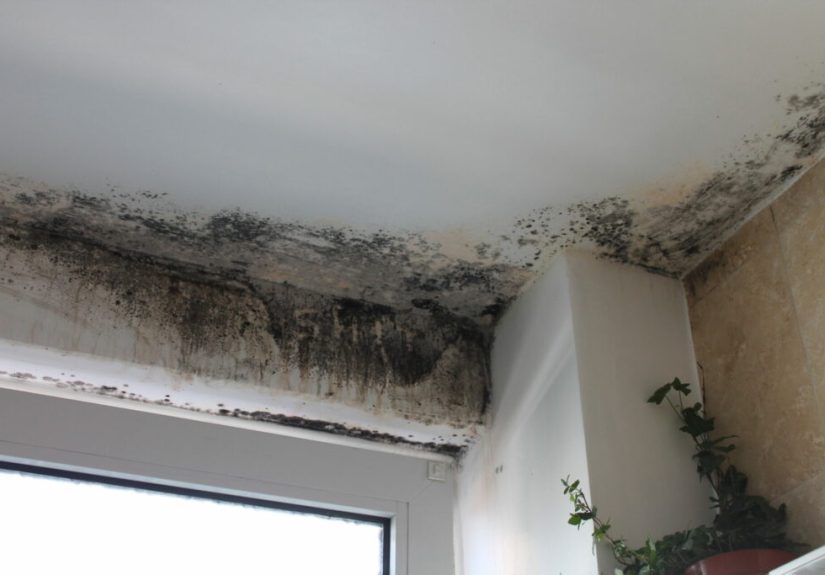
Unlike mildew, mold is often irregular in shape and deeper in structure. It may appear green, black, brown, orange, or even white. Sometimes it looks fuzzy. Sometimes it looks slimy. Either way, it is not going for “subtle.”
Mold tends to show up in places such as:
- Basements and crawl spaces
- Behind drywall after leaks
- Under sinks
- Around roof leaks
- On ceiling tiles
- Inside wall cavities
- On carpet, insulation, and wood damaged by water
Because mold can spread into porous materials, it is usually more destructive than mildew. It can stain surfaces, weaken materials over time, and come back again and again if the moisture source is not fixed.
The Biggest Differences Between Mildew and Mold
1. Appearance
The most obvious difference between mildew and mold is how they look. Mildew is generally flat, powdery, or fluffy in a thin layer. Mold is more likely to be fuzzy, patchy, raised, or slimy. If mildew is a light dusting of fungal drama, mold is the full theatrical production.
2. Color
Mildew often starts as white, gray, or pale yellow. Mold comes in a much wider range of colors, including green, brown, blue, black, and white. Color alone is not a perfect test, but it gives you a clue. A dark, blotchy patch on damp drywall is more concerning than a thin whitish film on shower tile.
3. Where They Grow
Mildew prefers surface moisture. You commonly see it where condensation and humidity collect: bathroom walls, window tracks, shower caulk, laundry rooms, or mildew-prone fabrics. Mold can grow there too, but it is also much more likely to spread behind walls, under flooring, or inside materials after a plumbing leak, roof issue, or flood.
4. How Deeply They Spread
This is one of the biggest practical differences. Mildew usually stays closer to the surface and is often easier to scrub away. Mold can penetrate deeper into porous materials, which is why moldy carpet, ceiling tiles, and drywall often need to be removed rather than cleaned. You are not losing an argument when you throw out moldy insulation. You are making a smart decision.
5. Damage Potential
Mildew is annoying and unsightly, but mold is usually the bigger threat to your home. Over time, mold can damage drywall, wood, textiles, and other materials it grows on. If left unchecked, it can turn a small moisture problem into a large repair bill with the emotional flavor of regret.
6. Health Concerns
Both mildew and mold can irritate the eyes, nose, throat, skin, and lungs in sensitive people. Both can also trigger allergy symptoms. Mold exposure is especially concerning for people with asthma, mold allergies, chronic lung disease, or weakened immune systems. Damp indoor environments themselves are also linked to respiratory trouble, which is another reason not to ignore recurring fungal growth.
Which One Is Worse?
In most household situations, mold is worse than mildew. That does not mean mildew should get a free pass. Mildew is still a sign that your home has a moisture issue, poor ventilation, or both. But mold is generally more invasive, harder to remove, more likely to damage materials, and more likely to keep returning if the root cause is not fixed.
That said, do not get too hung up on trying to become a fungal detective. For ordinary household cleanup, the smarter approach is simple: if you see growth or smell a musty odor, clean it safely and fix the moisture problem. The fungus does not care what you call it. It cares whether your bathroom fan works.
How to Tell If You’re Looking at Mildew or Mold
If you are trying to figure out what is growing in your home, ask these questions:
- Is it flat and powdery? That leans mildew.
- Is it fuzzy, blotchy, or slimy? That leans mold.
- Is it on a nonporous surface like tile or glass? It may be mildew or surface mold.
- Is it on drywall, carpet, wood, or insulation? Be more suspicious of mold.
- Does it keep returning after cleaning? There is probably an unresolved moisture issue, and mold may be growing deeper than you can see.
- Do you smell something musty even when you cannot see anything? Hidden mold may be lurking behind walls, under flooring, or inside HVAC-adjacent areas.
You also do not need to panic over the phrase “black mold.” Many molds can appear dark, and color alone does not tell you how dangerous something is. The more useful question is whether there is active moisture, visible spread, and damage to porous materials.
How to Remove Mildew and Mold Safely
Cleaning Small Areas Yourself
If the affected area is small and limited to hard surfaces, you can often handle it yourself. For basic mildew or minor mold growth, scrub the area with detergent and water, or use an appropriate household cleaning product. Dry the surface completely afterward. Ventilation matters here. Cleaning without drying is like mopping up a spill and then pouring a second spill on top for good luck.
If you use bleach for mold cleanup on hard surfaces, use it carefully and follow label directions. A common public-health guideline is no more than 1 cup of household bleach per 1 gallon of water. Never mix bleach with ammonia or other cleaners. That is not “deep cleaning.” That is chemistry with consequences.
When to Throw Things Away
Porous materials are trickier. If carpet, ceiling tiles, insulation, or drywall become moldy, they may need to be discarded because mold can grow into the material, not just on top of it. If you clean the surface but the inside stays contaminated, the problem often returns. This is especially true after leaks, sewage backups, or flooding.
When to Call a Professional
If the moldy area is large, the material has major water damage, the contamination involves HVAC components, or the growth keeps coming back, professional remediation is often the smart move. The same goes for homes affected by flooding or hidden mold behind walls. If the affected area is bigger than a small patch, or if anyone in the home has serious respiratory issues, a pro can save you time, hassle, and repeated do-it-yourself heartbreak.
Protect Yourself During Cleanup
When cleaning visible mold, wear gloves, eye protection, and a properly fitting mask or respirator appropriate for the job. Keep air moving if possible, and avoid spreading spores around the house. Bag contaminated materials before disposing of them. Also, do not paint or caulk over moldy surfaces. That only covers the problem cosmetically and usually ends with peeling, stains, and a second round of repairs.
How to Prevent Mold and Mildew From Coming Back
The best way to win the mildew vs. mold battle is to make your home boring to fungi. Very boring. No excess moisture. No chronic leaks. No damp towels auditioning for a mold colony.
Keep Humidity Under Control
Indoor humidity should stay low. A practical target is generally below 50 percent, with many experts recommending an ideal range around 30 to 50 percent. Use a dehumidifier if needed, especially in basements, laundry rooms, and humid climates.
Ventilate Moisture-Prone Areas
Run bathroom exhaust fans during and after showers. Use kitchen exhaust fans when cooking. Make sure your clothes dryer vents outside. Open windows when weather allows. Good airflow does not solve every moisture problem, but it can absolutely reduce the conditions mildew and mold love most.
Fix Leaks Fast
A tiny plumbing drip can create a surprisingly big mold problem. Repair roof leaks, pipe leaks, and condensation issues as soon as possible. If something gets wet, dry it quickly. Water that lingers becomes an engraved invitation for fungal growth.
Dry Wet Materials Within 48 Hours
This is a huge one. After leaks, spills, or flooding, clean and dry wet items as fast as possibleideally within 48 hours. The longer materials stay wet, the better the odds that mold will start growing. Speed matters.
Clean Smart, Not Just Often
Regular cleaning helps, but prevention is more than scrubbing. Wash shower curtains, wipe down wet tile, hang towels so they dry fully, and do not let clutter trap moisture against walls. If a spot gets mildew repeatedly, the answer is not just stronger cleaner. It is better airflow and less dampness.
Mildew vs. Mold FAQ
Is mildew a kind of mold?
In common usage, yesmildew is often treated as a certain kind of mold or fungal growth, usually the flatter, surface-level kind. That is one reason people confuse the terms so often.
Does mildew turn into mold?
Not exactly in a strict scientific sense, but mildew can be a sign that the same damp conditions exist that allow more serious mold growth to develop. In other words, mildew is often your warning bell.
Can I just paint over mold?
No. Clean it first, dry the area completely, and fix the moisture source. Painting over mold is like spraying cologne on gym socks and calling it a renovation.
Do I need mold testing?
Not always. In many ordinary household cases, if you can see it or smell it, the priority is cleanup and moisture control. Testing may make more sense when the source is hidden, the contamination is extensive, or there are health concerns that require a more detailed investigation.
What rooms are most at risk?
Bathrooms, basements, laundry rooms, kitchens, attics, crawl spaces, and any area with poor ventilation or past water damage tend to be the main trouble spots.
Final Thoughts
So, mildew vs. mold: what’s the difference? Mildew is usually the flatter, lighter, easier-to-clean fungal growth you spot on damp surfaces. Mold is the broader, often darker, deeper, more destructive problem that can invade porous materials and create bigger health and repair concerns. Both are signs that moisture is hanging around longer than it should.
If you remember only one thing, make it this: moisture is the real enemy. Clean what you can see, dry everything thoroughly, and fix leaks, humidity, and airflow issues before that small patch becomes a full-blown home-improvement plot twist.
Experiences: What Homeowners Usually Learn the Hard Way
One of the most common experiences people have with mildew starts in the bathroom. It usually begins innocently enough: a little gray film on the shower curtain, a faint dark line in the caulk, maybe a musty smell after long hot showers. At first, many people shrug it off. They spray cleaner, wipe once, and move on. Then two weeks later, it is back like a sequel nobody requested. That is often the moment they realize the problem is not just “dirty tile.” It is trapped moisture, weak ventilation, and surfaces that never really dry out.
Basements tell a different story. Homeowners often describe mold there as something they noticed by smell before sight. They go downstairs for holiday decorations, laundry, or a tool box and get hit with that earthy, stale, damp odor that practically says, “Welcome to my swamp.” Then they find the source: a cardboard box with fuzzy spots, a corner of drywall with blotchy staining, or wood shelving that looks suspiciously speckled. In many cases, the real lesson is that even a minor seepage issue or high humidity can quietly feed mold for months before anyone sees visible growth.
Renters run into this problem too, especially around windows, closets, and poorly ventilated bedrooms. A lot of people think the blackish grime on window tracks is just dirt until it keeps reappearing after every wipe-down. Others notice shoes, bags, or coats in a closet taking on a musty smell. That experience often teaches a frustrating but useful lesson: mildew and mold are not always dramatic. Sometimes they arrive as recurring odors, mystery stains, or “Why do these towels smell weird even after washing?” moments.
Another common experience happens after a leak. A pipe drips under the sink, or a roof leak leaves a ceiling stain. People often focus on drying the obvious surface and assume the crisis is over. Weeks later, paint bubbles, drywall softens, or a darker patch spreads around the original water mark. That is when they learn the difference between cosmetic cleanup and true moisture control. Surface drying is not enough if the inside of the material stayed damp.
Many homeowners also learn that scrubbing alone is not prevention. They can bleach the grout until it sparkles, wash the shower liner, or wipe down a windowsill every weekend, but if the bathroom fan is weak, the room stays humid, or the leak remains unfixed, the growth keeps coming back. It becomes less of a cleaning issue and more of a home-maintenance issue. That realization is usually the turning point. Once people add a dehumidifier, repair the leak, increase airflow, or replace water-damaged material, the cycle finally breaks.
In the end, real-life experience with mildew and mold usually teaches the same lesson: the stain is not the whole story. The smell, the dampness, the humidity, the repeat growth, and the hidden water source matter just as much. And once people understand that, they stop asking, “What spray should I buy?” and start asking the smarter question: “Why is this area staying wet in the first place?”