Table of Contents >> Show >> Hide
- What Are Falcon Fabricware Oven Gloves?
- Why People Want Fabric Oven Gloves Again (Yes, Even in the Age of Silicone Everything)
- The Design Details That Actually Matter
- Heat Resistance: Setting Smart Expectations (Without the Marketing Smoke)
- Who Falcon Fabricware Oven Gloves Are Perfect For
- When You Might Want a Different Style of Mitt (Or a Backup Pair)
- Care and Cleaning: Keep Them Safe, Not Just Cute
- Kitchen Safety: A Quick Reality Check (Because Burns Are Not a Personality Trait)
- Buying Tips: How to Choose the Right Falcon Pair (and Use Them Like a Pro)
- FAQ
- Conclusion: Are Falcon Fabricware Oven Gloves Worth It?
- Real-World Experiences and Scenarios (The Part Where Oven Gloves Earn Their Keep)
The oven is basically a tiny dragon that lives in your kitchen rent-free. It spends most of its day napping at 350°F, then suddenly wakes up furious the moment you reach in to grab a sheet pan “real quick.” If you’ve ever done the classic two-finger pinch-and-pray on a hot casserole dish, you already know: confidence is a lot easier when your hands are properly protected.
Enter Falcon Fabricware Oven Gloves: a pair of kitchen gloves that aims to do two things at oncekeep you from getting burned, and look good hanging by your stove like they belong there. They’re part of Falcon’s Fabricware line designed to pair nicely with the brand’s iconic enamelware look, and they lean into an old-school material story (cotton + linen) instead of going full space-age silicone. That’s either charming, or suspicious, depending on how recently you’ve lost a battle to a cast-iron skillet handle.
What Are Falcon Fabricware Oven Gloves?
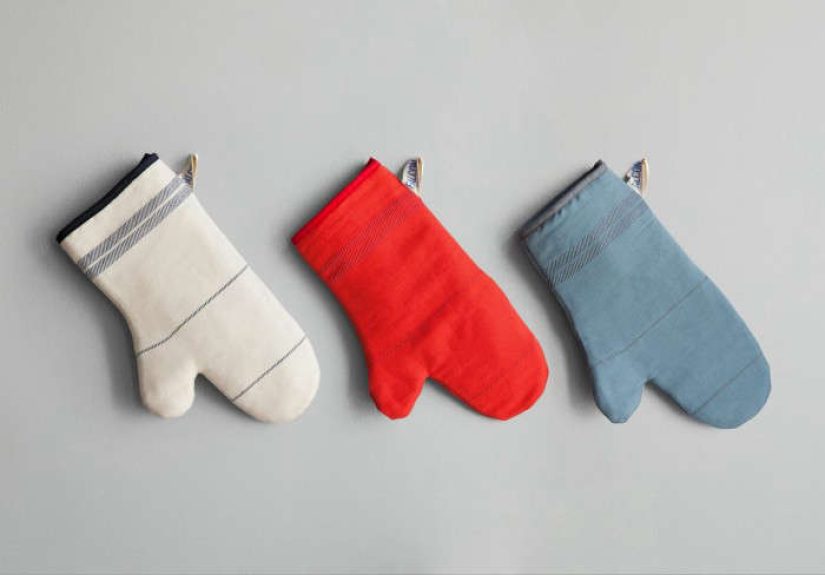
Falcon Fabricware Oven Gloves are a matched pair of hard-wearing oven gloves made from a cotton-and-linen textile, designed to coordinate with Falcon’s classic color palette (including that crisp white-and-blue-trim vibe Falcon fans recognize on sight). The Fabricware line was developed with a woven fabric approachFalcon has described working with a small weaving mill in Lancashire to produce items like aprons, tea towels, and oven gloves in core colorways. The goal is simple: practical kitchen textiles that still feel “designed.”
On the spec side, listings for Falcon’s oven gloves commonly highlight a few key points: cotton and linen construction, woven in Britain, and a steam and grease barrier for extra protection. One U.S. retail listing notes dimensions around 13.4 inches long by 7.6 inches wide, which is a useful clue for the coverage you can expect.
Why People Want Fabric Oven Gloves Again (Yes, Even in the Age of Silicone Everything)
Silicone oven mitts are popular for a reason: many offer excellent heat resistance, wipe-clean convenience, and that grippy “I will not drop this roast chicken” texture. But fabric gloves still have a loyal fan baseespecially people who bake often, like a softer feel, or want something that doesn’t look like it came from a lab that also makes scuba gear.
Falcon Fabricware leans into that appeal. The cotton-linen blend is described as absorbent and easy-care in coverage of the collection, and it visually matches a classic enamelware aesthetic. If your kitchen style is “warm and functional” rather than “industrial heat shield,” these gloves fit the mood.
The Design Details That Actually Matter
1) Cotton + linen: comfortable, breathable, and very “kitchen towel adjacent”
Cotton and linen are natural fibers you already trust in the kitchentea towels, napkins, aprons, the towel you pretend is “just for hands” but somehow ends up touching everything. Falcon’s Fabricware concept intentionally borrows from that world: woven textiles that feel at home next to cookware and serving pieces, not hidden in a drawer like a shameful secret.
Bonus: woven fabric tends to feel flexible in the hand, which matters more than you’d think. Dexterity isn’t just a nice-to-have; it’s how you avoid the “whoops” moment where you tip a pan because your mitt is too stiff to grip properly.
2) Steam and grease barrier: the underrated feature you notice when it’s missing
Heat is one problem. Steam is another, sneakier problemespecially when you’re lifting a lid, pulling out a covered roasting dish, or handling a steamy tray of just-baked dinner rolls. A steam/grease barrier is meant to add protection against moisture and oils getting through, which can reduce that unpleasant surprise when something hot is also wet.
Practical example: pulling a Dutch oven lid after bread baking. The heat is intense, but the real villain is the trapped steam that rushes out and tries to tattoo your knuckles with regret. Barrier features are designed for exactly those moments.
3) Size and coverage: do you want “wrist-safe” or “forearm armor”?
The Falcon pair is often listed around 13.4 inches long, which typically gives decent wrist coverage and some forearm protectionenough for most oven racks and sheet pans. If you regularly reach deep into a hot oven (or you’re constantly wrestling with a heavy roasting pan), longer mitts can help. Many best-of lists call out the value of extra-long coverage specifically for avoiding the classic forearm bump against an oven rack.
Translation: if your cooking style is “calmly remove cookies,” Falcon Fabricware is in its element. If your cooking style is “retrieve a preheated Dutch oven like you’re defusing a bomb,” you may want maximum-length protection.
Heat Resistance: Setting Smart Expectations (Without the Marketing Smoke)
Here’s the honest truth about oven gloves in general: heat resistance varies wildly. In product testing discussions, you’ll see ratings ranging from the low 300s to the 600s°F depending on materials and build. Some reviewers recommend aiming for at least the 400°F range for general oven use, with higher ratings helpful for broiling, grilling, or handling ripping-hot cookware for longer.
Falcon Fabricware Oven Gloves are best understood as premium everyday oven glovesbuilt for typical baking and roasting tasks, not as specialty “hold a 900°F pizza stone forever” equipment. And that’s not a dig; it’s just the difference between a well-made kitchen textile and a high-heat technical glove.
If you do lots of grilling, open-flame cooking, or high-heat searing where you’re holding hot metal longer than a few seconds, you’ll often see silicone-coated mitts or specialty grilling gloves recommended because they can be rated for much higher temperatures and offer stronger grip under extreme conditions. The best setup for many home cooks is a “two-mitt system”: Fabricware for daily baking, plus a high-heat option for the occasional kitchen boss battle.
Who Falcon Fabricware Oven Gloves Are Perfect For
Home bakers and weeknight cooks
Cookies, sheet-pan dinners, casseroles, brownies, cornbreadthis is the Falcon sweet spot. You want something comfortable, easy to grab, and nice enough to leave out without turning your kitchen into a clutter museum.
Design-forward kitchens
If you care how your kitchen looks (even a little), Falcon’s design language is the point. Fabricware that matches enamelware colors looks intentional, like you planned itnot like you panic-bought whatever mitts were nearest the checkout aisle.
Gift-givers who don’t want to give “boring”
Oven gloves are secretly a great gift because everyone needs them, and almost nobody upgrades them until theirs are basically crunchy. A well-made pair that looks good is the rare practical gift that doesn’t feel like you’re gifting someone responsibilities.
When You Might Want a Different Style of Mitt (Or a Backup Pair)
If you grill or smoke frequently
Grilling gloves and certain silicone designs are often chosen for very high-heat exposure, longer hold times, and better grip when grease is involved. If your weekend plans include “flip brisket, fear nothing,” keep a dedicated high-heat option nearby.
If you deal with lots of steam
Even with a barrier, any fabric glove can struggle if it becomes damp, greasy, or overloaded with moisture over time. A good rule: if the glove is wet, don’t use it to handle hot cookware. Wet transfers heat faster, and the “dragon oven” will take advantage.
If you need maximum forearm protection
Some extra-long mitts are designed specifically to protect most of your forearm. If you’re constantly reaching into a deep oven or maneuvering oversized roasting pans, that extra length can be the difference between “all good” and “why is my arm branded like a cowboy?”
Care and Cleaning: Keep Them Safe, Not Just Cute
Oven mitts get gross faster than people like to admit. Grease mist, food splatter, the occasional “oops” with raw meat juicesmitts see it all. If you use fabric mitts frequently, washing weekly is a common recommendation; if you use them occasionally, monthly might be fine. And if they get hit with spills or raw meat contact, wash them promptly.
For Falcon Fabricware Oven Gloves, follow the specific care label if available, but in general: wash like sturdy kitchen linens, pre-treat stains, and make sure they dry thoroughly before returning to duty. If you hang them near the stove, keep them far enough from open flame or hot burners that you’re not accidentally auditioning them for a “spontaneous combustion” reenactment.
Kitchen Safety: A Quick Reality Check (Because Burns Are Not a Personality Trait)
The best oven glove is the one that actually protects youconsistently. A large U.S. recall of oven gloves reported that some products failed to provide sufficient heat protection, resulting in numerous complaints and minor burns. That’s a reminder to treat oven gloves as safety gear, not just accessories:
- Replace gloves that are thin, stiff, torn, greasy, or permanently scorched.
- Avoid wet mitts for hot cookware (steam burns are sneaky).
- Don’t trust “cheap and cheerful” forevermaterials break down.
- Use the right tool for the job: baking gloves for baking, high-heat gloves for high-heat.
Buying Tips: How to Choose the Right Falcon Pair (and Use Them Like a Pro)
Pick your color like you pick your cookware: intentionally
Falcon’s Fabricware is designed to coordinate with its enamelware colors, so if you already have Falcon trays, mugs, or baking pieces, matching can be part of the fun. If not, classic white-and-blue is the “goes with everything” move.
Check the coverage you actually need
If your biggest burn risk is grabbing sheet pans, Falcon’s typical length should suit you well. If your burn risk is “my oven rack is basically a sword,” consider whether you want a longer mitt for forearm coverage.
Keep a second pair (seriously)
This is the most boring advice with the highest payoff: having two pairs means you’re never stuck using damp gloves because the first pair is in the wash. It also lets you reserve one pair for clean baking tasks and another for messier roasting or grilling.
FAQ
Are Falcon Fabricware Oven Gloves machine washable?
Fabricware in Falcon’s line is commonly described as easy-care and machine washable in coverage of the collection. Always follow the glove’s specific care label, but the intent is definitely “use them, wash them, repeat,” not “handle with museum gloves.”
Do they work for grilling?
They can handle everyday oven tasks, but frequent grilling and very high-heat work is where dedicated grilling gloves or silicone-heavy mitts often shine. If you’re regularly working at extreme temps, choose gear rated and designed for that environment.
What makes the steam and grease barrier useful?
It’s meant to reduce the risk of hot moisture or oily heat sneaking through the gloveespecially when lifting lids, handling roasted meats, or grabbing pans with condensation. Steam is the kind of heat that doesn’t look scary until it’s already yelling at your skin.
Conclusion: Are Falcon Fabricware Oven Gloves Worth It?
If you want oven gloves that feel like real kitchen textilescomfortable, attractive, and built for everyday baking and roastingFalcon Fabricware Oven Gloves are a strong choice. The cotton-and-linen construction, woven heritage vibe, and steam/grease barrier point toward thoughtful design rather than “random mitts in a drawer.”
Just keep expectations realistic: fabric gloves excel at daily oven work, while ultra-high-heat grilling and long hold times are where silicone-heavy or specialty gloves tend to dominate. The most practical setup? Falcon Fabricware for the daily rhythm, plus a high-heat backup for the occasional kitchen showdown. Your hands will thank you. Your future self will also thank you. Your smoke alarm will remain emotionally neutral.
Real-World Experiences and Scenarios (The Part Where Oven Gloves Earn Their Keep)
Picture a Saturday morning baking session: you’ve got banana bread in one rack, a sheet tray of granola on another, and a “quick” batch of muffins that somehow becomes a full-time job. This is where Falcon Fabricware Oven Gloves make sense as daily drivers. You’re not suiting up for a lava expeditionyou’re doing frequent in-and-out oven work that rewards comfort and flexibility. A glove that feels natural in the hand helps you grip a tray confidently, adjust your angle, and avoid that wobbly moment where muffins nearly become floor muffins.
Now think about the classic holiday cookie assembly line. There’s flour everywhere. A spatula is stuck to something it shouldn’t be stuck to. The timer is beeping like it’s trying to start a new career in emergency services. Fabric gloves shine here because they’re pleasant to wear repeatedly. They don’t feel clammy, and they don’t fight you when you need to quickly rotate a pan. And because Falcon Fabricware is designed to look good, you won’t feel compelled to shove them into a drawer between trays like you’re hiding evidence. They can hang nearby, ready for the next round of sugar-cookie chaos.
For weeknight cooking, imagine pulling a bubbling lasagna from the oven. The dish is heavy, the cheese is audibly threatening to spill, and your forearms are one accidental bump away from learning a painful lesson about oven racks. A longer glove profile helps with those “deep oven reach” moments. Falcon’s listed length suggests practical wrist-to-forearm coverage for common tasksenough that you don’t have to do the awkward half-grip where your fingers are safe but your wrist is living dangerously. That said, if you routinely handle oversized roasting pans or big Dutch ovens, you’ll still want to be deliberate and move slowlyno glove can save you from a full-on sprint with hot marinara.
Steam-heavy tasks are where you’ll appreciate why a steam and grease barrier gets mentioned at all. Lift a lid on a braise, and that hot cloud doesn’t politely exitit bursts out like it’s trying to escape a tiny sauna. The barrier feature is intended to give you extra protection against that hot moisture and greasy heat, which is exactly what makes steam burns feel so unfair. The practical habit here is simple: keep your gloves dry and clean. If they’ve gotten damp, swap them out. Oven gloves work best when they’re not doubling as a sponge.
Finally, there’s the “I forgot the skillet handle was in the oven” moment. We’ve all had it. The handle looks innocent. The handle is not innocent. A glove that’s easy to grab and comfortable to wear is the glove you’ll actually usemeaning you’re less likely to do the quick barehanded tap that turns into instant regret. In real kitchens, convenience is safety. Falcon Fabricware aims to be the pair you reach for without thinking, which is the highest compliment you can give an oven glove: it becomes part of the routine, not a last-minute rescue tool.