Table of Contents >> Show >> Hide
- Why This Tuna Casserole With Elbow Macaroni Works
- Ingredients for Tuna Casserole With Elbow Macaroni
- Step-by-Step: How to Make Tuna Casserole With Elbow Macaroni
- Flavor Variations and Healthier Twists
- Serving Suggestions
- Storing, Freezing, and Reheating Tuna Casserole Safely
- Food Safety Basics (Because Nobody Wants “Tuna Casserole Surprise”)
- Frequently Asked Questions
- Real-Life Experiences and Tips for Tuna Casserole With Elbow Macaroni
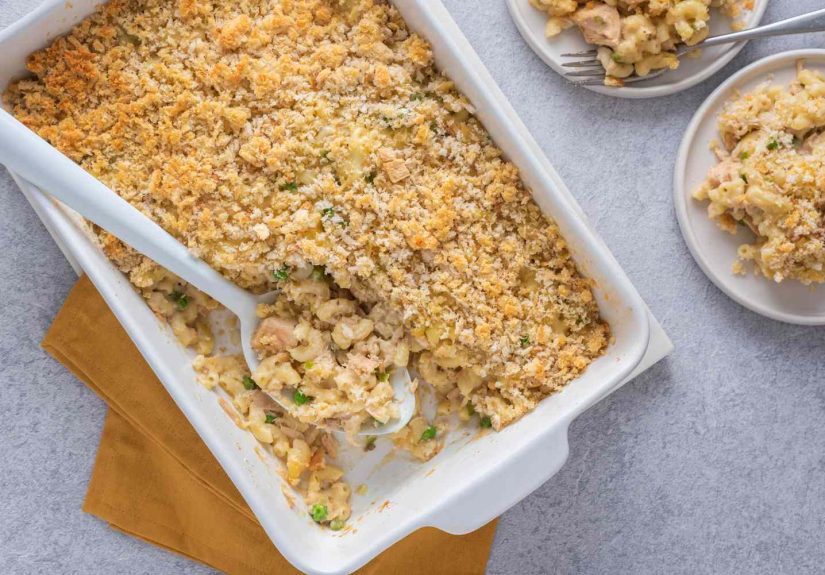
If there were a “coziest dinner” award, a bubbling tuna casserole with elbow macaroni would be on the podium every single time.
It’s the kind of dish your budget loves, your schedule appreciates, and your inner carb-lover cheers for.
This casserole takes pantry staples – tuna, pasta, canned soup, and cheese – and turns them into a creamy, crunchy, weeknight hero.
Many classic American versions rely on egg noodles, but elbow macaroni brings extra fork-friendly comfort and holds onto the sauce
beautifully. Sites like The Spruce Eats and Baked Bree highlight how well elbow macaroni works in tuna casseroles, thanks to its
ability to trap creamy sauce inside each little curve.
Below, you’ll get a detailed Tuna Casserole With Elbow Macaroni Recipe plus smart variations, food-safety tips, and
real-life tricks to make this classic taste like something your grandma would brag about on Facebook.
Why This Tuna Casserole With Elbow Macaroni Works
Traditional tuna casseroles usually combine cooked pasta, canned tuna, a creamy binder (often condensed cream soup), veggies like peas,
and a crunchy topping. Recipes from Allrecipes, Campbell’s, and other U.S. food sites all play within these same cozy lines:
cheap ingredients, easy prep, and a family-sized baking dish of comfort.
This version leans into:
- Elbow macaroni for a heartier, spoonable texture.
- Cream of mushroom soup and milk for a silky sauce (with options to lighten it up).
- Frozen peas and crunchy veggies for color and texture.
- Cheddar cheese and an optional potato chip or breadcrumb topping for that golden, bubbly finish.
In other words: a creamy, salty, cheesy casserole that secretly contains vegetables. Parenting win.
Ingredients for Tuna Casserole With Elbow Macaroni
Core Ingredients (Serves 6–8)
- 8 ounces (about 2 1/2 cups dry) elbow macaroni
- 2 cans (5 ounces each) tuna in water, drained and flaked
- 1 can (10 1/2 ounces) condensed cream of mushroom soup
- 3/4 cup milk (2% or whole for extra creaminess)
- 1/4 cup mayonnaise (optional but adds richness, as seen in some macaroni-style recipes)
- 1 1/2 cups shredded cheddar cheese, divided
- 1 cup frozen peas (no need to thaw)
- 1/2 cup finely chopped onion (yellow or white)
- 1/2 cup finely chopped celery
- 1/2 teaspoon garlic powder
- 1/2 teaspoon dried dill or Italian seasoning (optional but highly recommended)
- 1/2 teaspoon kosher salt (or to taste)
- 1/4 teaspoon black pepper
For the Topping
- 1 cup crushed potato chips or dry breadcrumbs
- 1 tablespoon melted butter (if using breadcrumbs)
Optional Add-Ins and Swaps
- Mushrooms: 1 cup sliced button or cremini mushrooms, lightly sautéed.
- Extra veggies: diced red bell pepper, shredded carrots, or frozen corn.
- Lighter dairy swap: replace part of the mayonnaise with plain Greek yogurt for added protein and a tangy lift,
similar to lighter casseroles and pasta salads that use yogurt instead of heavy cream.
Step-by-Step: How to Make Tuna Casserole With Elbow Macaroni
1. Cook the Elbow Macaroni
- Preheat your oven to 375°F (190°C).
-
Bring a large pot of salted water to a boil. Cook the elbow macaroni 1–2 minutes less than the package directions
for al dente. Slightly undercooking the pasta keeps it from going mushy in the oven – a trick recommended in many casserole recipes
and freezer-friendly guides. - Drain the pasta and set it aside.
2. Make the Creamy Tuna Mixture
- In a large mixing bowl, combine the condensed cream of mushroom soup, milk, and mayonnaise (if using).
- Whisk until smooth, then stir in garlic powder, dill or Italian seasoning, salt, and pepper.
-
Add the drained tuna, frozen peas, chopped onion, and celery. Fold gently so the tuna breaks into bite-sized flakes but doesn’t
completely disappear into the sauce. - Stir in 1 cup of shredded cheddar cheese.
3. Assemble the Casserole
- Lightly grease a 9×13-inch baking dish.
-
Add the cooked elbow macaroni to the tuna mixture and stir until every piece of pasta is well coated.
(If things look too thick, splash in an extra tablespoon or two of milk.) - Spread the mixture evenly in the prepared baking dish.
4. Add the Crunchy Topping
-
In a small bowl, toss the crushed potato chips or breadcrumbs with melted butter (skip the butter if using potato chips –
they’re doing just fine on their own). - Sprinkle the topping evenly over the casserole.
- Finish with the remaining 1/2 cup of cheddar cheese on top.
5. Bake Until Bubbly and Golden
- Bake for 20–25 minutes, or until:
- The casserole is bubbling around the edges.
- The topping is lightly golden and crisp.
-
For food safety, any reheated casserole or make-ahead version should reach an internal temperature of 165°F (74°C)
before serving, following USDA leftovers guidance. - Let the casserole rest for about 5–10 minutes before serving so it sets and slices more cleanly.
Flavor Variations and Healthier Twists
Make It a Bit Lighter
-
Swap half the mayonnaise with plain Greek yogurt to cut down on saturated fat and add tang, a common trick in
modern “healthier” tuna casseroles and tuna pasta dishes. - Use reduced-fat cheddar and low-sodium cream of mushroom soup.
-
Trade standard elbows for whole-wheat elbow macaroni to bump up fiber, taking a cue from recipes that use
whole-grain noodles and lighter sauces.
Add More Vegetables
- Stir in sautéed mushrooms, chopped spinach, or small broccoli florets.
- Add diced red bell pepper for sweetness and color.
- Use mixed frozen vegetables (peas, carrots, corn) for a “one-pan full meal” effect.
Change Up the Topping
- Use buttered breadcrumbs for a classic, more delicate crunch, just like many traditional tuna noodle casseroles.
- Try crushed Ritz crackers or panko for extra texture.
- Sprinkle a little Parmesan over the topping for a nutty, savory finish.
Serving Suggestions
Tuna casserole with elbow macaroni is pretty much a full meal in a pan – carbs, protein, and veggies all hanging out together.
Still, if you want to dress it up:
- Serve with a crisp green salad and a lemony vinaigrette to cut through the richness.
- Add a side of roasted green beans or steamed broccoli.
- Warm dinner rolls or garlic bread for extra comfort (and extra carbs, but we’re not judging).
Storing, Freezing, and Reheating Tuna Casserole Safely
How to Store Leftovers
-
Cool the casserole slightly, then transfer leftovers to shallow, airtight containers. This helps it chill quickly
and evenly in the refrigerator, which food safety agencies like USDA recommend. - Refrigerate within 2 hours of baking.
- Use refrigerated leftovers within 3–4 days.
Can You Freeze Tuna Casserole?
Yes, you can absolutely freeze it. Many tuna casserole recipes are designed with freezing in mind.
Guides from meal-prep and casserole-focused sites suggest assembling the casserole in a foil pan, baking or par-baking it, cooling completely,
and then wrapping tightly before freezing for up to about three months.
- To freeze, wrap the casserole (or individual portions) tightly in plastic wrap and then foil, or use a freezer-safe container.
- Label with the date so you don’t find “mystery tuna brick” six months from now.
Reheating Instructions
-
Oven: Cover the casserole with foil and reheat at 325–350°F until hot and bubbly in the center
and at least 165°F inside. Remove the foil near the end to crisp the topping. -
Microwave: Reheat individual portions in a microwave-safe dish, covered and vented, stirring halfway through to
ensure even heating. Food safety resources recommend adding a splash of liquid if it looks dry and heating until steamy throughout.
Food Safety Basics (Because Nobody Wants “Tuna Casserole Surprise”)
To keep this cozy dish safe:
- Keep hot foods hot and cold foods cold; avoid leaving the casserole out at room temperature for more than 2 hours.
-
Follow basic safe-handling guidelines: separate raw foods from ready-to-eat items, wash hands and cutting boards, and don’t reuse
plates or utensils that touched raw meat or seafood without washing them in hot, soapy water, as the FDA stresses. - Always reheat leftovers thoroughly to 165°F (74°C).
Frequently Asked Questions
Can I make this tuna casserole ahead of time?
Yes. Assemble the casserole, cover tightly, and refrigerate for up to 24 hours before baking. When ready to cook,
remove it from the refrigerator while the oven preheats, then bake as directed. You may need to add 5–10 minutes of extra baking time
if it’s very cold going into the oven.
What kind of tuna is best?
Most U.S. recipes use chunk light tuna in water for a budget-friendly option. If you prefer a firmer texture and
milder flavor, choose solid white albacore. Just drain it well so the casserole doesn’t get watery.
Can I make it without condensed soup?
Absolutely. You can build a simple white sauce from butter, flour, and milk, or use broth and Greek yogurt like some “from scratch”
tuna casserole recipes do. Whisk the sauce until thick and creamy, then mix in your tuna, veggies, and cheese before baking.
Real-Life Experiences and Tips for Tuna Casserole With Elbow Macaroni
Tuna casserole has serious nostalgia energy. Many home cooks first met it as a weeknight dinner in childhood – the kind of dish that
magically appeared when groceries were low and the month was very long. Over time, people tweak the basic idea to fit their tastes,
diets, and schedules.
One of the big “aha” moments for a lot of cooks is realizing that elbow macaroni holds up better than wide egg noodles
when you’re dealing with leftovers or freezer meals. The stubby little elbows don’t break as easily when you stir the sauce, and they
reheat without falling apart. If you’re feeding kids (or clumsy adults) who eat mostly with a spoon, elbow macaroni just feels easier
to manage than long floppy noodles.
Another common experience: the “too dry casserole” disaster. Maybe you’ve been there – you follow a recipe, bake it exactly as written,
and pull out a pan that looks great on top but is suspiciously stiff inside. The fix is simple:
- Undercook your pasta slightly so it doesn’t soak up every drop of moisture.
- Add an extra splash of milk or broth if the mixture looks overly thick before baking.
- Cover the casserole with foil for the first half of baking to trap steam, then remove it to crisp the topping.
Many experienced casserole makers also swear by mixing textures. Instead of only peas, they toss in chopped red pepper
for sweetness, corn for bursts of crunch, or mushrooms for a savory depth. If you’re trying to sneak in more vegetables, this casserole
is incredibly forgiving – as long as you don’t add water-heavy ingredients completely raw (like big chunks of zucchini), most veggies
can be stirred in and baked right along with the tuna and elbow macaroni.
There’s also a whole world of opinions about toppings. Some families are loyal to crushed potato chips – they love the
salt, crunch, and nostalgia. Others prefer buttery breadcrumbs or cracker crumbs for a more subtle topping that doesn’t overpower the
sauce. A nice compromise is to mix crumbs with a sprinkle of Parmesan; it delivers crunch plus extra savory flavor without turning the
casserole into a salt lick.
From a practical standpoint, almost everyone who regularly makes tuna casserole eventually starts treating it as a meal-prep
workhorse. It’s easy to double the recipe, bake it in two smaller pans, and freeze one. On nights when life is chaotic – late
work meetings, kids’ activities, or just low energy – having a foil-wrapped pan of tuna macaroni casserole ready to go makes dinner
feel almost too easy. If you thaw it in the refrigerator overnight and reheat it gently, the texture stays surprisingly close to freshly
baked versions, especially when you undercook the pasta a bit on day one.
Finally, there’s the “leftover breakfast” crowd. Some people quietly admit they like tuna casserole even more the next morning, reheated
with a little hot sauce or a fried egg on top. It might not be traditional, but it’s very on-brand for comfort food: flexible, forgiving,
and ready to meet you wherever your appetite is.
So whether you’re stretching a grocery budget, feeding a crowd on short notice, or chasing that nostalgic taste of home, this
Tuna Casserole With Elbow Macaroni Recipe has your back. It’s the kind of dish that invites you to experiment, adjust,
and make it your own – and once you’ve dialed in your perfect combination of sauce, veggies, and topping, it tends to become a regular
in the rotation.