Table of Contents >> Show >> Hide
- What “Toxic ‘Nice’” Actually Means (Spoiler: It’s Not Kindness)
- Why Call-Out Accounts Go Viral
- 30 Horrible Stories (Composite Examples Inspired by Common Patterns)
- A. The Transactional Compliment (Where Kindness Comes With a Price Tag)
- B. The Boundary Bulldozer (Where “No” Is Treated Like a Negotiation)
- C. The Victim-Mode Manipulator (Where You’re Cast as the Monster)
- D. The Public-Performance “Nice” (Where Image Matters More Than Respect)
- E. The Escalation Warning Signs (When It Stops Being Cringe and Starts Being Concerning)
- Red Flags You Can Spot Early
- What To Do When You Meet One (Without Getting Pulled Into the Drama)
- How To Be Genuinely Kind (And Not Fall Into the “Nice” Trap)
- Experiences: What It Feels Like to Run Into Toxic “Nice” in Real Life (500+ Words)
- Conclusion
There are truly kind people in the world. You know them by how safe you feel around themno scorekeeping, no weird
pressure, no hidden invoice showing up later like, “That compliment will be one (1) date, please.”
Then there are the self-described “nice” people. The ones who treat basic decency like a vending machine: insert a few
compliments, press the “Affection” button, and wait for romance to fall out. And if it doesn’t? Suddenly, the “nice”
costume hits the floor and the entitlement shows up wearing muddy boots.
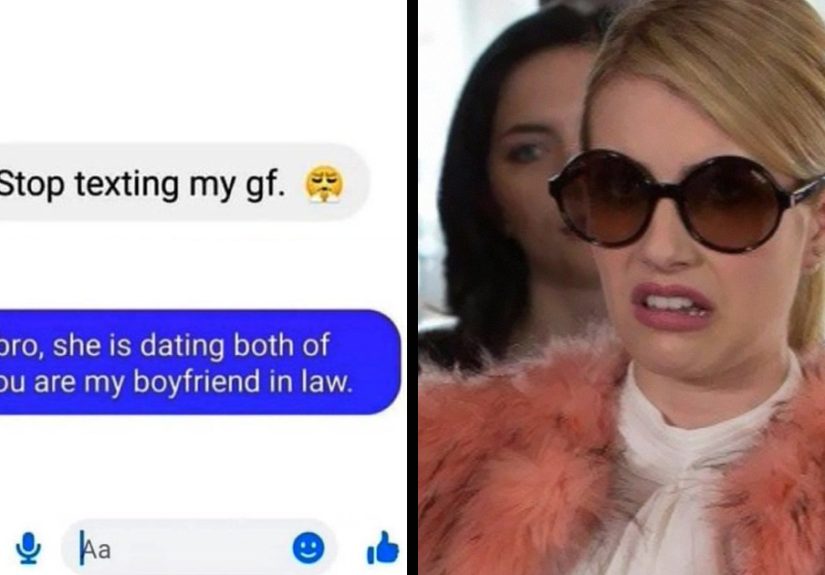
A popular corner of Twitter (yes, X, formerly Twitterwhatever we’re calling it this week) exists to screenshot and
spotlight that switch-flip moment: when “nice” turns into guilt trips, insults, manipulation, and sometimes outright
intimidation. The goal isn’t cruelty; it’s clarity. Because if more people recognize the pattern early, fewer people
will get pulled into it.
What “Toxic ‘Nice’” Actually Means (Spoiler: It’s Not Kindness)
“Toxic ‘nice’” is performative politeness with a hidden agenda. It looks like kindness on the surface, but it’s driven
by control, approval-seeking, and a belief that good behavior should be rewarded with access to someone else’s time,
body, attention, or emotional labor.
Kind vs. “Nice”: A Quick Reality Check
- Kind respects “no” the first time.
- Kind gives without expecting repayment.
- Kind doesn’t punish you for having boundaries.
- “Nice” (toxic version) keeps receipts.
- “Nice” (toxic version) uses guilt as a crowbar.
- “Nice” (toxic version) turns rejection into a courtroom drama where you’re somehow the villain.
The internet amplifies this because messaging is fast, rejection is frequent, and some people handle disappointment by
externalizing it: “If you didn’t choose me, you must be shallow/mean/broken.” It’s a protective storyone that often
harms everyone around them.
Why Call-Out Accounts Go Viral
Screenshots are messy little mirrors. They show the exact moment someone reveals their true motive: “I wasn’t being
nice because I respect you. I was being nice to purchase you.”
These accounts also do something surprisingly useful: they educate in patterns. One post is shocking; thirty posts are
a syllabus. After enough examples, you start recognizing the early moveslove-bombing, boundary-pushing, guilt,
“you’re not like other people,” and the classic pivot from flattery to cruelty.
And because so much of modern dating and friendship happens through DMs, many of these stories aren’t rare edge cases.
They’re common experiencesespecially for people who receive a high volume of messages or who’ve had to practice
digital safety and boundaries.
30 Horrible Stories (Composite Examples Inspired by Common Patterns)
Important note: The stories below are anonymized compositeswritten to reflect frequently reported patterns seen in
public online posts and shared experiences, without copying any one person’s private messages verbatim.
A. The Transactional Compliment (Where Kindness Comes With a Price Tag)
-
They open with a poetic paragraph about your smile. You say “Thanks!” They reply, “So… when are we going out?” like
you accidentally clicked “Accept Terms & Conditions.” -
You don’t respond for an hour. They send: “Guess you only talk to jerks.” Sir, the only jerk here is your Wi-Fi
powered entitlement. - They buy you a coffee you didn’t ask for, then announce, “Now you owe me a date.” You didn’t order the Debt Latte.
-
They compliment your intelligence, then add, “Smart girls appreciate real men.” You decline. They call you “stuck
up.” The mask fell off like it was greased. -
“I’m not like other people. I’d treat you like a queen.” You say you’re not interested. They reply, “Queens don’t
reject loyal subjects.” Please log off, Your Majesty of Delusion. -
They insist they’re “a good guy” every third sentence. When you hesitate, they demand a list of reasonslike you’re
filing a return at customer service. -
“I wrote you a poem.” You say it’s sweet but you’re not dating. They accuse you of “using them for attention.” You
didn’t request a poem subscription. -
They offer to “mentor” you professionally. The second you set a boundary, they pivot to: “Fine, I was only trying
to help. Enjoy failing.” Cute. Threatening someone’s future: famously helpful.
B. The Boundary Bulldozer (Where “No” Is Treated Like a Negotiation)
-
You say you’re not comfortable sharing your number yet. They respond, “If you trusted me, you would.” Trust isn’t
a vending machine either. -
You decline a late-night hangout. They ask five more times with new wording, like they’re trying different cheat
codes: “What about 11? 12? 1 a.m.?” -
You say you’re busy this weekend. They reply, “Busy doing what? With who?” Congratulations, you’ve been promoted to
“interrogation subject.” -
You ask them to stop flirting at work. They say, “I guess I can’t compliment anyone anymore.” Yesbecause your
compliments came with workplace consequences. -
They “accidentally” show up at your usual coffee shop after you mentioned it once. “Small world!” they say, while
holding a printed map of your routine. -
You don’t want to share passwords. They call it “proof you’re hiding something.” No. It’s proof you like not being
monitored like a nature documentary. -
You ask for space after an argument. They text nonstop: 27 messages, 3 voice notes, and one dramatic “Goodbye” that
somehow comes with a sequel. -
You tell them a joke made you uncomfortable. They reply, “You’re too sensitive.” Translation: “Your feelings are
inconvenient for my behavior.”
C. The Victim-Mode Manipulator (Where You’re Cast as the Monster)
-
You politely decline. They respond, “This is why men give up.” That’s not your responsibility. That’s a group chat
therapy topic. -
They say, “I’ve been hurt before, so you owe me a chance.” Past pain is realbut it’s not a coupon for access to
you. -
They call you “the only one who understands me” after two days of chatting. When you slow down, they accuse you of
“abandonment.” - They claim they’re “always the nice one” and “everyone uses them.” If every room smells weird, check your shoes.
-
You set a boundary. They say, “Wow. I guess I’m just terrible.” It’s a trap: you’re supposed to comfort them and
drop your boundary. Don’t. - They push intimacy. You say no. They reply, “So you think I’m disgusting.” Noyour guilt tactics are disgusting.
D. The Public-Performance “Nice” (Where Image Matters More Than Respect)
-
In comments, they’re “Supportive King/Queen.” In DMs, they’re rude when you don’t reply fast enough. Public halo,
private headache. -
They post, “Be kind to everyone” every morning, then send you paragraphs about how you “ruined their life” by not
agreeing to dinner. -
They donate to a cause and announce it loudlythen demand praise from you personally. Charity isn’t a tip jar for
compliments. - They tell mutual friends you “led them on” because you laughed at a joke once. Your laugh was not a signed contract.
E. The Escalation Warning Signs (When It Stops Being Cringe and Starts Being Concerning)
- After rejection, they threaten to “expose” you for being “fake.” The only fake thing here is their decency.
-
They alternate between “I’m nothing without you” and “You’re worthless anyway.” That whiplash isn’t romance; it’s
emotional manipulation. - They keep creating new accounts after you block them. This isn’t persistence. It’s refusal to respect consent.
-
They hint at self-harm or “you’ll regret this” statements to force a response. That’s not love; that’s coercion.
If this happens, involve trusted support and appropriate resources immediately.
Red Flags You Can Spot Early
- They call themselves “nice” a lot. Truly kind people rarely need to advertise it.
- They rush intimacy. Fast closeness can be a shortcut to control.
- They punish boundaries. Sulking, guilt, anger, or “jokes” about your limits.
- They keep score. “After all I’ve done for you…”
- They frame rejection as injustice. “You’re destroying good people.”
- They stereotype who you “should” want. “Women/men only like jerks.”
- They demand access. Location, passwords, constant replies, immediate explanations.
What To Do When You Meet One (Without Getting Pulled Into the Drama)
1) Name the boundary clearly
Simple works: “No thanks,” “I’m not interested,” “Please stop messaging me,” “That doesn’t work for me.” You don’t
need a dissertation. You need a door.
2) Don’t debate your “no”
Toxic “nice” thrives on negotiationbecause if they can keep you talking, they can keep trying. Repeat yourself once,
then disengage.
3) Use platform tools
Block. Mute. Report threats. Adjust privacy settings. Save screenshots if the behavior escalates. Your safety is more
important than their feelings about consequences.
4) Loop in real-life support if needed
If someone is stalking, threatening, or repeatedly bypassing blocks, tell a friend, document what’s happening, and
seek appropriate help. “It’s probably nothing” is the soundtrack of too many bad outcomes.
How To Be Genuinely Kind (And Not Fall Into the “Nice” Trap)
- Practice emotional independence. If your mood depends on someone’s reply, that’s a signal to pause and self-check.
- Let “no” be complete. Rejection isn’t a moral verdict. It’s compatibility data.
- Give freelyor don’t give. If you’re “being nice” to buy closeness, it isn’t generosity.
- Build a full life. Friendship, hobbies, purpose, healthromance is better as a complement, not an oxygen tank.
- Seek growth, not blame. If dating is hard, skills can improve. Scapegoating doesn’t.
Experiences: What It Feels Like to Run Into Toxic “Nice” in Real Life (500+ Words)
If you’ve never met a toxic “nice” person, congratulationsyou might be living in a magical forest where everyone uses
turn signals and nobody replies “k” after a five-paragraph text. For the rest of us, the experience often starts small
and confusing, which is exactly why it works.
The first moment is usually the over-delivery. They compliment you in a way that feels a little too
intense for the situation. It’s not “Hey, great presentation today,” it’s “You’re the most brilliant person I’ve ever
met and your mind is a gift to the universe.” You laugh because it’s flattering, and you assume they’re just
enthusiastic. Sometimes they are. But sometimes that intensity is a hook: it creates a feeling of obligation before
you’ve chosen anything.
The second moment is the tiny test. They ask for something that’s not inherently wrongyour number,
a late-night call, a quick meet-up, an immediate reply. If you say yes, they learn you’ll bend. If you say no, they
watch how you defend it. Do you apologize? Do you over-explain? Do you try to keep them comfortable? Toxic “nice”
collects those details the way some people collect stamps. It’s not about the request; it’s about how easily your
boundary folds.
The third moment is when you feel the emotional invoice slide across the table. It can be subtle:
“After everything I’ve done for you…” or “I guess I care more than you do.” You might replay your own behavior and
wonder if you were unclear, if your friendliness was misleading, if you accidentally promised something. That’s the
mental trap: you start treating their feelings like a debt you must pay down. The healthiest response is often the
simplest: “I appreciate the kindness, but I’m not available for what you’re asking.”
Online, the experience can feel even more surreal because it happens at speed. One hour you’re exchanging memes; the
next hour you’re reading a paragraph about how you’re “exactly like everyone else” because you didn’t respond while
grocery shopping. And if you’ve ever had someone switch from praise to insults within a single message thread, you
know the strange aftertaste: it’s not just anger, it’s disappointment mixed with entitlementlike you failed a test
you never agreed to take.
What many people report feeling afterward is hypervigilance. You second-guess normal kindness. You
hesitate before responding to compliments. You become more careful about how you phrase a “no,” not because you’re
trying to be nicer, but because you’re trying to avoid escalation. That’s why learning the pattern matters. Once you
can name ittransactional kindness, boundary punishment, guilt-based controlyou can stop negotiating with it.
The most empowering experience, though, is the moment you realize: you don’t have to be “nice” to be safe and
respectful. You can be clear. You can be brief. You can protect your time and your attention without writing
a novel about why. And when you practice that kind of grounded boundary-setting, the truly kind people don’t get
offendedthey understand. The toxic “nice” ones do get offended, and honestly? That’s useful information.
Conclusion
The screenshots highlighted by call-out accounts can be funny in a dark way, but the real value is educational: they
show how quickly “nice” can turn into manipulation when kindness is used as currency. If you remember one thing, make
it this: genuine kindness respects your autonomy. Toxic “nice” tries to rent it.