Table of Contents >> Show >> Hide
- The Foolproof Trick: The Shine Test
- Why the Shine Test Works (A Little Cookie Science, No Lab Coat Required)
- How to Use the Shine Test Step-by-Step
- “But What If My Cookies Don’t Get Shiny?” (Common Exceptions)
- Why the Timer Is a Suggestion, Not a Law
- Leveling Up: Two Bonus “Confidence Checks” (Optional, But Awesome)
- Troubleshooting: When Cookies Still Don’t Turn Out Right
- Examples: What “Perfectly Baked” Looks Like for Popular Cookies
- A Quick “Do This Once” Hack: Bake a Test Cookie
- Final Take: The Secret Is Knowing When to Stop Baking
- My Real-Life Cookie Experiences (The Extra You Asked For)
If you’ve ever yanked a tray of cookies out of the oven only to realize they’re either (1) raw in the middle, (2) crunchy in a “dental work is expensive” way,
or (3) somehow both at once… welcome. Cookie doneness is the ultimate baking prank because the timer will lie to your face, your oven runs hot when it’s feeling
confident, and cookie dough has the dramatic personality of a reality TV reunion.
After too many “why are these still shiny?” pacing sessions, I found a trick that’s simple, repeatable, and works across most cookie styleseven when your oven
can’t commit to a temperature. It’s called the Shine Test, and yes, it’s as oddly satisfying as it sounds.
The Foolproof Trick: The Shine Test
Here’s the trick I always use: pull your cookies when the tops stop looking shiny and turn matte. Not “when the timer dings.” Not “when the
kitchen smells like a mall pretzel stand.” When the surface changes from glossy (wet) to matte (set).
What “Shiny” vs. “Matte” Looks Like
- Shiny cookie tops: the dough still looks a little wet, glossy, or reflectiveespecially toward the center.
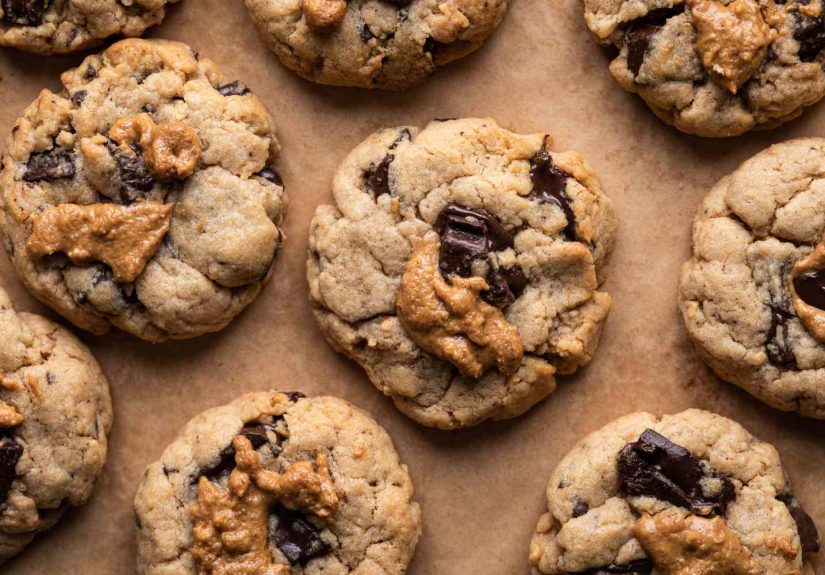
- Matte cookie tops: the surface looks drier and more set, like it’s no longer trying to audition for a lip gloss commercial.
Most cookies hit their best texture when the tops are mostly matte, the edges look set, and the centers still look a touch soft. That last part
matters because cookies keep baking on the hot pan after you pull them out. Translation: you’re not underbakingyou’re letting physics do the overtime shift.
Why the Shine Test Works (A Little Cookie Science, No Lab Coat Required)
Cookies don’t “finish” the moment they leave the oven. Baking is a chain reaction: fats melt, sugars dissolve and caramelize, water evaporates, proteins set,
and starches gel. Early on, the surface stays glossy because the dough is still fluid and the fats are actively melting. As the cookie sets, moisture
decreases at the surface and the structure firms upso the shine fades.
That matte finish is a visual clue that the cookie has crossed the “set” threshold. It’s especially helpful because it’s not tied to a specific number of
minutes; it’s tied to what’s actually happening on your tray in your oven with your dough at its current mood level.
How to Use the Shine Test Step-by-Step
Step 1: Start Watching Early (Not Staring From Minute 1, Just… Be Ready)
About 2–3 minutes before the recipe’s suggested bake time, turn on the oven light and start checking through the door. Opening the oven door
too much can drop the temperature and mess with spreading and browning, so look first, touch later.
Step 2: Look for “Mostly Matte” Across the Top
The center is usually the last place to lose shine. For a classic chewy cookie (think chocolate chip, oatmeal, peanut butter),
pull the tray when the shiny spots are gone or barely lingering as tiny patches. If the entire top is matte and the edges are getting dark
brown, you’ve likely crossed into crunch territory (unless that’s what you want).
Step 3: Confirm With the Edge Check
The shine test is the star, but the edges are your backup singer. Perfectly baked cookies usually have set edgesthey look slightly firm,
not wet. On pale cookies, you might see the faintest hint of golden color at the rim; on darker doughs, you’ll see the shape look “defined” rather than slumpy.
Step 4: Let Them Finish on the Pan
Once out of the oven, let most drop cookies sit on the hot baking sheet for 3–5 minutes before moving them to a cooling rack. This is where
the centers finish setting without drying out. If you move them too early, they can bend, break, or collapse like a cookie soufflé having a bad day.
“But What If My Cookies Don’t Get Shiny?” (Common Exceptions)
1) Dark Chocolate Cookies
Chocolate dough can hide shine because it’s already dark and dramatic. In that case, rely on a combo of:
set edges, a slightly puffed look, and the cookie looking less wet on top. You can also peek underneath one cookie with a thin spatulaif the
bottom is set and lifts cleanly, you’re close.
2) Sugar Cookies and Cut-Out Cookies
Many sugar cookies are meant to stay pale. Here, shine is still useful: pull them when the tops look matte and the edges look set,
before they visibly brown (unless the recipe tells you otherwise). If you’re icing them, paler is often better because it keeps the flavor
buttery and the surface smooth.
3) Very Thin, Crispy Cookies
For lace cookies or ultra-thin crisps, the shine can disappear fastand “perfect” happens in a blink. For these, the best cue is usually
uniform color and a fully set surface. If you want them snappy, you’ll bake a bit longer until the whole cookie is evenly browned.
4) Super-Thick Bakery-Style Cookies
Thick cookies can look matte on top while the center is still working things out. With chunky, tall cookies, the shine test is still helpfulbut add one more
safeguard: temperature. Many bakers use an instant-read thermometer on thick cookies to dial in doneness and repeat it perfectly next time.
Why the Timer Is a Suggestion, Not a Law
If cookie recipes came with the honesty label they deserve, it would say: “Bake 10–12 minutes, unless your oven has opinions.” Here are the usual suspects
behind cookie inconsistency:
- Oven temperature swings: many ovens run hot or cold. Even a small difference can change browning and drying.
- Pan color: dark pans brown faster; light pans bake more gently.
- Dough temperature: warm dough spreads more; chilled dough holds shape longer and can bake differently.
- Cookie size: “tablespoon” means wildly different things in different households (and I respect your heaping spoon lifestyle).
- Rack position and airflow: too close to the top or bottom can exaggerate browning.
The shine test cuts through that chaos because it’s based on how set the dough actually is, not a time estimate that assumes you own the exact same
oven as the recipe writer’s magical test kitchen unicorn.
Leveling Up: Two Bonus “Confidence Checks” (Optional, But Awesome)
Confidence Check #1: The Spatula Lift Test
Slide a thin spatula under the edge of one cookie and lift gently. If the cookie holds together and doesn’t fold in half like a sad taco, it’s generally set
enough to come out. This is especially helpful if you’re baking cookies that don’t show shine clearly.
Confidence Check #2: The Thermometer Trick (Best for Thick Cookies)
If you bake thick, bakery-style cookies and want repeatable results, check the internal temperature near the center (without touching the pan). Different
cookie styles have different targets, and personal preference matters. But temperature can help you get consistent “gooey vs. set” results from batch to batch.
Troubleshooting: When Cookies Still Don’t Turn Out Right
Problem: My Cookies Are Matte on Top but Raw in the Middle
- Try baking 1–2 minutes longer next time, or make slightly smaller dough portions.
- Check your oven temperature with an oven thermometer; you may be running cool.
- For thick cookies, consider using the thermometer method once to find your ideal doneness point.
Problem: My Cookies Go From Shiny to Overbaked Too Fast
- Your oven may run hot; reduce temperature slightly and bake a bit longer.
- Use a lighter-colored baking sheet if yours is very dark.
- Rotate the pan halfway through if your oven bakes unevenly.
Problem: The Edges Are Dark but the Center Still Looks Shiny
- Lower the oven temperature slightly and extend bake time to cook more evenly.
- Move the rack toward the center of the oven if it’s too close to a heating element.
Examples: What “Perfectly Baked” Looks Like for Popular Cookies
Chocolate Chip Cookies (Chewy Center, Crisp Edges)
Pull when the tops are mostly matte, edges are set and lightly golden, and centers still look soft. Rest on the sheet 3–5 minutes, then rack.
Snickerdoodles
Look for a matte top with crackles set in place. The edges should look firm, but the center should still be tender. If you bake until the whole cookie is
deeply browned, you’ll trade chew for crunch.
Oatmeal Raisin (or Oatmeal Chocolate Chip)
Oatmeal cookies can mask shine a bit because of the texture, so focus on the surface looking set and the edges holding their shape. If you like them chewy,
don’t wait for heavy browning.
Peanut Butter Cookies
Matte top plus set edges is your sweet spot. Peanut butter cookies can dry out easily if you wait for deep browning, so the shine test helps you pull them
at peak tenderness.
A Quick “Do This Once” Hack: Bake a Test Cookie
If you’re making a big batch for a party, bake one or two test cookies first. Use them to confirm:
spreading, bake time, and what “matte” looks like for that dough. It’s like a rehearsal dinner, but for chocolate chips.
Final Take: The Secret Is Knowing When to Stop Baking
Perfect cookies aren’t about heroic bake timesthey’re about pulling at the right moment. The shine test gives you a simple, visual “done signal” that works
across many cookie recipes, without turning your kitchen into a math problem. When the tops go matte, the edges look set, and the centers still look a little
soft, you’re right where you want to be.
My Real-Life Cookie Experiences (The Extra You Asked For)
I didn’t start using the shine test because I’m naturally wise. I started using it because I once served “cookies” that were basically warm dough puddles
wearing a brave, baked-looking edge. The tray came out, I tapped the top, it looked fine, and then I tried to transfer one to a rack. It folded. Not “bent.”
Folded. Like it was trying to become a dessert quesadilla. That was the day I realized I needed a doneness signal that didn’t involve guessing and hope.
The first time the shine test really won me over was with classic chocolate chip cookies. I’d always waited for obvious browning because that’s what my brain
thinks “done” means. But by the time the whole cookie looked golden, the centers were already on their way to crunchy. So I tried something different: I
watched for the moment the glossy spots on top disappearedespecially that stubborn little shiny patch in the center. I pulled them when the tops looked matte
but the middle still looked soft. Five minutes later, after they’d rested on the pan, they were perfect: crisp edges, chewy middle, and no “did we need
water with dessert?” aftermath.
Then there were sugar cookiesmy personal nemesis because I always want them pale and tender, but the line between “soft” and “raw” can be thin. The shine
test saved me there too. Instead of waiting for browning (which makes some sugar cookies taste dry and look overdone), I watched for the surface to go from
glossy to matte. The cookies stayed light in color, held their shape, and didn’t get that toasted, crunchy edge that ruins a smooth icing job.
My favorite “aha” moment happened during a holiday bake-a-thon when the oven was opening constantly, trays were rotating, and every cookie felt like it was
living a different life. The timer became useless. But the shine test stayed reliable. Even with different doughsoatmeal, peanut butter, and snickerdoodlesI
could still look for the same basic transition: wet-looking tops turning set and matte. It turned chaos baking into something almost… calm. (Almost.)
I also learned the hard way that thick cookies play by their own rules. A big, bakery-style cookie can go matte on top and still be a little underdone inside.
That’s not always badsome people love the gooey centerbut if you want consistency, you need a second data point. Now, when I’m baking thick cookies for
sharing (aka when I don’t want surprise lava centers), I combine the shine test with either a longer rest on the pan or a quick temperature check once, just
to learn my oven’s behavior. After that, I can repeat the result without stress.
The funniest part? Once you start using the shine test, you can’t unsee it. You’ll catch yourself peeking through the oven window like a tiny dessert
lifeguardwaiting for the shine to disappear so you can pull the tray at the exact right second. It’s weirdly empowering. And it’s the closest thing I’ve
found to cookie telepathy.