Table of Contents >> Show >> Hide
- Are Dreads and Locs the Same Thing?
- Appearance: What People Usually Mean When They Say Dreads vs. Locs
- History: Where the Words Get Complicated
- Hair Health: Locs Are Not the Problem, Tension Is
- So Which Term Should You Use?
- Common Myths About Dreads and Locs
- Experiences Related to the Topic: What This Conversation Feels Like in Real Life
- Final Thoughts
- SEO Tags
If you have ever heard someone say, “They’re dreads,” and someone else immediately reply, “Actually, they’re locs,” congratulations: you have witnessed one of the most common hair debates on the internet. It is right up there with “Is a hot dog a sandwich?” except this one carries much more cultural weight and way better edge control.
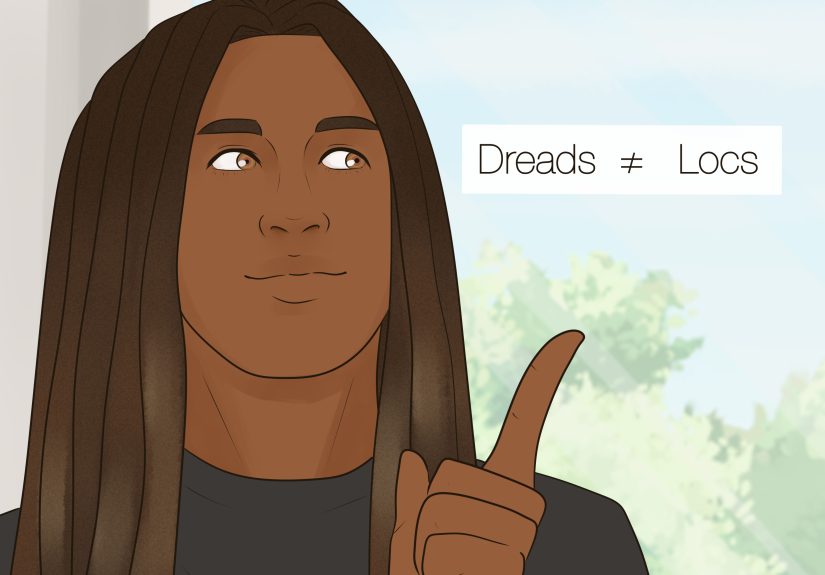
The short answer is that dreads and locs can refer to the same hairstyle in a literal sense: hair that has matted, meshed, or been intentionally formed into rope-like sections. But the deeper answer is more interesting. The difference between dreads and locs often comes down to appearance, intention, history, and cultural meaning. In many communities, especially Black communities in the United States, locs is the preferred term because it feels more respectful and less loaded. Dreads or dreadlocks may still be used by some wearers, but the term can carry negative baggage tied to older stereotypes and colonial language.
So no, this is not just a vocabulary swap made up by social media. The words matter because history matters. And hair, especially Black hair, has never been “just hair.” It has always been identity, politics, style, memory, and sometimes a loud, beautiful refusal to shrink.
Are Dreads and Locs the Same Thing?
Technically, people often use the words interchangeably. In everyday conversation, both usually describe strands of hair that are intentionally or naturally locked together over time. But in modern usage, locs often signals a more informed and respectful term, while dreads may sound more casual, old-fashioned, or tied to outdated assumptions.
That does not mean every person agrees on a strict rule. Some people proudly call their hairstyle dreadlocks. Others strongly prefer locs. Some switch between the two depending on where they live, their family tradition, or their spiritual background. In other words, the hairstyle may be similar, but the language around it is not neutral.
A smart rule of thumb is simple: use “locs” unless a person tells you they prefer something else. It is the safer, more current, and more culturally aware choice.
Appearance: What People Usually Mean When They Say Dreads vs. Locs
Locs often suggest intention, care, and variety
When people say locs, they are often referring to a style that looks intentional, maintained, and shaped. Locs can be neat or freeform, thick or pencil-thin, center-parted or wildly artistic. They may be started with comb coils, two-strand twists, braids, palm rolling, or interlocking. Over time, the hair buds, tightens, and matures into distinct sections.
Locs also come in many forms. Traditional locs tend to be medium or large in size. Sisterlocks are much smaller and more uniform. Freeform locs are allowed to develop more organically, without constant parting or retwisting. Faux locs mimic the appearance of real locs but are temporary extensions rather than permanently locked hair.
That range matters because one of the biggest myths about locs is that they all look the same. They absolutely do not. Locs can look elegant, sculptural, soft, edgy, minimalist, regal, bohemian, professional, or all of the above before lunch.
“Dreads” often gets used for a rougher stereotype
In casual American speech, dreads sometimes brings to mind a more rugged or unmanicured image. People may use it to describe thicker, frizzier, more freeform hair, or they may use it because that was the term they grew up hearing. The problem is that the word can also echo old stereotypes that locked hair is messy, dirty, rebellious, or “unprofessional.”
That stereotype is one reason many people prefer locs. The hairstyle itself is not inherently messy or neglected. In fact, healthy locs usually involve regular cleansing, scalp care, moisture balance, and tension management. The “dirty hair” myth has had a long life, but it does not deserve another season.
Starter locs and mature locs can look very different
Another thing that confuses people is that the appearance of locs changes dramatically over time. Starter locs may look like coils, twists, or braids. They can be fuzzy, puffy, and a little unpredictable in the early months. Mature locs look denser, more settled, and more rope-like.
This is why someone might look at fresh starter locs and say, “Those don’t look like dreads.” Correct. They are not supposed to look like fully matured locs on day three. Hair has its own timeline, and it does not care about impatient opinions.
Hair texture affects how locs form
All hair types can form locs, but the process tends to be easier and faster with coily and tightly curled hair textures. That is one reason locs are so closely connected with natural Black hair culture. Coily hair naturally wraps and meshes in a way that supports locking, while looser textures often need more manipulation to keep the sections together.
That does not mean locs belong to one single group in every historical sense, but it does explain why locs carry particular cultural meaning in Black communities today. The hairstyle is not just about what the hair does. It is about what the hair has meant.
History: Where the Words Get Complicated
Locked hair is ancient
The history of locked hair reaches back thousands of years. Historical references and artwork connect locked or matted hair to multiple cultures, including parts of Africa, ancient Egypt, ancient Greece, India, and certain spiritual communities. So the hairstyle itself is not new, trendy, or invented by a celebrity stylist with a ring light and a product line.
This matters because discussions about locs often get flattened into oversimplified arguments. The broad history is global and ancient. But the modern cultural meaning of locs in the United States, especially for Black people, is deeply tied to race, resistance, beauty politics, and reclamation.
African hair traditions carried social meaning
Across African societies, hairstyles communicated identity long before modern beauty marketing tried to turn everything into “hair goals.” Hair could signal age, family, marital status, spirituality, rank, wealth, region, or community. It was not random decoration. It was social language.
That context helps explain why Black hair carries so much meaning in the diaspora. A hairstyle was not merely a look. It could tell people who you were, where you came from, and how you belonged. When that history was interrupted by slavery, the loss was not only cosmetic. It was cultural.
Slavery and racism changed the conversation around Black hair
During the transatlantic slave trade, many enslaved Africans had their heads shaved. That was not just about hygiene or control. It was also about erasing identity, culture, and dignity. Later, Black hair textures and traditional styles were often mocked, policed, or labeled as inferior under white beauty standards.
This is where the word dreadlocks becomes especially charged. Many modern writers and cultural commentators connect the term to negative descriptions of matted Black hair as “dreadful.” Whether a person embraces the term today or rejects it, the reason for the discomfort is clear: the word has been linked to judgment.
That is why locs has become the preferred word for many people. It removes the “dread” and centers the style without repeating the insult baked into the older term.
Rastafari gave locs global visibility
In the 20th century, Rastafari played a major role in bringing locs into global view. In Jamaica, locs were connected to spiritual devotion, anti-colonial identity, and resistance to Western beauty norms. Later, figures like Bob Marley made locs instantly recognizable around the world.
That visibility was powerful, but it also created simplifications. Many Americans came to associate locs only with reggae, rebellion, or a one-size-fits-all spiritual image. In reality, locs have never had just one meaning. They can be spiritual, political, practical, aesthetic, personal, or all of those things at once.
The natural hair movement changed the language again
In the United States, the rise of the natural hair movement and the continued influence of the Black is Beautiful tradition helped push more people toward the language of locs. The shift was about more than trend forecasting. It was a reframing. Locs were no longer being described mainly through a lens of dread, stigma, or fear. They were being recognized as beautiful, versatile, culturally rooted, and worthy of respect.
That shift also collided with old workplace bias. Black people have long faced discrimination for wearing natural hairstyles, including locs, braids, twists, and Afros. The emergence of CROWN Act legislation helped move that issue into public law and policy, making it clear that hair discrimination is not some tiny fashion disagreement. It is a civil rights issue wearing a hair tie.
Hair Health: Locs Are Not the Problem, Tension Is
One more important distinction: locs themselves are not automatically damaging. Poor maintenance, excessive pulling, and tight styling are the real problems. Dermatologists warn that tightly pulled locs and other tension-heavy styles can contribute to traction alopecia, especially around the hairline.
That means the healthiest locs are usually the ones built on balance: a clean scalp, manageable tension, consistent care, and realistic expectations. More retwisting is not always better. More product is definitely not always better. And if your edges are writing a resignation letter, your hairstyle may be asking for gentler handling.
Healthy loc care can include regular washing, lightweight scalp care, separating new growth when needed, and avoiding styles that pull too hard. Locs can absolutely be clean, polished, and thriving. They just do not need to be tortured into submission to prove it.
So Which Term Should You Use?
If you want the most respectful and current term, use locs. It is widely used today, especially in Black hair spaces, beauty media, and natural hair communities. It acknowledges the hairstyle without repeating language many people view as negative or historically loaded.
At the same time, be careful not to turn nuance into a courtroom drama. Not every wearer rejects the term dreads. Some proudly reclaim it. Some alternate between words. Some grew up with one term and do not see the need to change. The most respectful move is to avoid assumptions and, when relevant, ask people what they call their own hair.
In other words: lead with locs, follow the wearer’s preference, and skip the lecture unless someone actually asked for one.
Common Myths About Dreads and Locs
Myth 1: Locs are dirty
False. Locs can be very clean. Cleanliness depends on washing habits, scalp health, buildup control, and general care, not on whether hair is locked.
Myth 2: Locs are low-effort all the time
Also false. Some loc journeys are lower maintenance than loose natural hair, but starter locs, parting, retwisting, scalp care, and styling decisions still require time and patience.
Myth 3: Locs only have one look
Definitely false. From freeform locs to Sisterlocks, from short bobs to waist-length styles, locs offer serious versatility.
Myth 4: The word difference is just semantics
Not really. Language shapes respect. The reason many people choose locs instead of dreadlocks is rooted in culture and history, not trendiness.
Experiences Related to the Topic: What This Conversation Feels Like in Real Life
For many people, the difference between dreads and locs is not learned from a dictionary. It is learned through experience. Someone starts their hair journey thinking they are “just getting a style,” and then quickly realizes they have stepped into a much bigger conversation about identity, family, professionalism, beauty, and language.
One common experience is that the hairstyle changes the way strangers talk to you. People who wear locs often describe getting a surprising number of questions from folks who would never walk up to a person with straight hair and ask for a full TED Talk. “How long did that take?” “Can you wash it?” “Is it real?” “Are you going through a phase?” Suddenly, your scalp has become public programming.
Another experience is learning that not everybody hears the same word the same way. In one family, an auntie may say “dreads” because that is the term she has always used, with no bad intention at all. In another circle, the word lands badly because it sounds disrespectful or historically tone-deaf. That tension teaches people something important: language around hair is emotional because hair itself is emotional.
Many loc wearers also talk about the patience lesson. Starter locs do not usually arrive looking like a finished Pinterest board. They may be frizzy, puffy, thin in one place, thick in another, and generally committed to humbling your expectations. The experience can be freeing and annoying at the same time. You learn to stop demanding instant perfection from hair that is literally in the process of becoming itself.
There is also the workplace experience. For some people, locs feel empowering right away. For others, there is a period of anxiety: Will I be seen as polished? Will people assume I am less professional? Will I need to explain my hair before I can explain my résumé? Even when laws and public attitudes improve, those worries do not disappear overnight. That is why the history of locs is still alive in the present. The style can be beautiful and joyful while also carrying the memory of how it has been judged.
Then there is the personal side. Many people describe locs as a relationship with time. You do not rush them. You grow with them. The experience can mark a transition: a return to natural hair, a spiritual reset, a major life change, or simply a decision to stop fighting your own texture. Some people choose freeform locs because they want less control and more authenticity. Others choose carefully maintained parts and regular retwists because structure feels like self-respect. Neither approach is automatically more “real.” The experience is personal.
And that may be the clearest lesson of all. The difference between dreads and locs is not only in appearance or etymology. It shows up in how people feel wearing the style, naming the style, and moving through the world with the style. The hair may be locked, but the meaning is still alive, evolving, and deeply human.
Final Thoughts
So, what is the difference between dreads and locs? On the surface, they can describe the same rope-like hairstyle. But in practice, locs is often the more respectful and culturally aware term, while dreads may carry older stereotypes and historical baggage. Appearance plays a role too: people often use locs for styles that are intentional, maintained, and diverse in form, while dreads is sometimes used more casually or for a rougher stereotype.
The bigger truth is that the distinction is not just about hair. It is about history, language, identity, and respect. Locs have ancient roots, African cultural significance, connections to Rastafari, and a central place in modern Black hair politics and beauty. That is a lot of meaning for one hairstyle to carry, which is exactly why the words around it deserve care.
If you remember only one thing, make it this: when in doubt, say locs. It is accurate, respectful, and much less likely to make you sound like you learned hair terminology from a 1997 comment section.