Table of Contents >> Show >> Hide
- What Is the Best Way to Store Open Hot Dogs?
- How Long Do Open Hot Dogs Last in the Fridge?
- Why Proper Hot Dog Storage Matters
- How Fast Should You Refrigerate Opened Hot Dogs?
- Should You Keep Open Hot Dogs in the Original Package?
- Can You Freeze Opened Hot Dogs?
- How to Thaw Frozen Hot Dogs Safely
- How to Tell If Open Hot Dogs Have Gone Bad
- Hot Dog Storage Mistakes to Avoid
- The Expert Take, Summed Up
- Real-Life Experiences With Storing Open Hot Dogs
- Conclusion
Open a pack of hot dogs, use a few, and suddenly you are standing in front of the fridge like a person in a low-budget mystery film, asking the big question: What now? Do you leave them in the original package? Toss them into a plastic bag? Pretend future-you will remember when you opened them? That last option is how fridge regrets are born.
According to food-safety guidance and expert advice, the best way to store open hot dogs is simple: keep them refrigerated at 40°F or below, seal them tightly, and use them within one week. If you will not eat them within that window, freeze them instead. In other words, hot dogs are not high-maintenance, but they do have standards. And honestly, fair enough.
This guide breaks down exactly how to store opened hot dogs, how long they last, what mistakes to avoid, and when it is time to say goodbye to the last lonely frank in the back of the fridge. We will also cover real-life storage situations, because most people are not reading food labels in a lab coat. They are reading them while holding a mustard bottle.
What Is the Best Way to Store Open Hot Dogs?
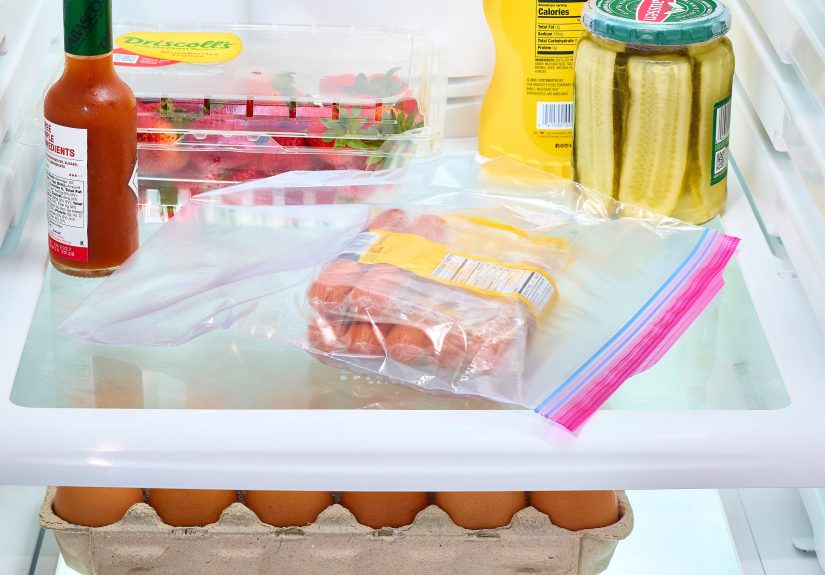
The gold-standard method is this: once the package is opened, refrigerate the hot dogs right away and keep them in a tightly sealed environment. A registered dietitian interviewed by Better Homes & Gardens, Jamie Baham, M.S., R.D.N., L.D., recommends storing opened hot dogs in the refrigerator below 40°F and says they are best transferred to a resealable bag or airtight container to help keep them fresher and juicier. She also notes that you can keep them in the original package if it is tightly closed with a fold, clip, or rubber band. In plain English: closed is good, airtight is better.
If your fridge has “warm spots,” such as the door shelves, do not park your opened hot dogs there. Store them on an interior shelf where temperatures stay colder and more consistent. The refrigerator door looks convenient, but it is basically the VIP section for temperature fluctuations.
The ideal storage setup
- Place opened hot dogs in a resealable food-safe bag or airtight container.
- Press out excess air if you are using a zipper bag.
- Keep the container on a middle or lower interior fridge shelf.
- Label it with the date you opened it, because your memory is excellent right up until it is not.
How Long Do Open Hot Dogs Last in the Fridge?
Most reputable U.S. food-safety sources agree on the same answer: opened hot dogs last about one week in the refrigerator when stored properly. FoodSafety.gov lists opened hot dogs at one week in the fridge and one to two months in the freezer. Michigan State University Extension says processed meats such as hot dogs should be used within seven days after opening unless another date on the label has already passed. StillTasty, Clemson Extension, Utah State University Extension, Mississippi State Extension, and the University of Delaware share the same basic rule. That level of agreement is rare enough that it deserves a tiny standing ovation.
This also means the printed date on the package is not your only guide once the seal is broken. The date on the package generally applies to an unopened product. Once opened, the one-week countdown matters more.
Quick timeline
- Unopened package in the fridge: about 2 weeks
- Opened package in the fridge: about 1 week
- Opened or unopened in the freezer: best quality for 1 to 2 months
Why Proper Hot Dog Storage Matters
Hot dogs are fully cooked, which makes people think they are basically invincible. They are not. They are convenient, tasty, and grill-friendly, but they are still perishable ready-to-eat meat products. The CDC warns that deli meats, cold cuts, hot dogs, and sausages can be contaminated with Listeria, and refrigeration does not kill that bacteria. That is one reason proper storage matters so much, especially after the package has been opened.
For people at higher risk of foodborne illness, including pregnant people, adults 65 and older, infants, and anyone with a weakened immune system, the risk deserves extra attention. CDC and FoodSafety.gov advise reheating hot dogs to 165°F or until steaming hot before eating if you are in a higher-risk group. That may sound dramatic for a humble hot dog, but food safety is one area where dramatic is preferable to miserable.
How Fast Should You Refrigerate Opened Hot Dogs?
Very fast. FDA guidance on refrigerated foods emphasizes the two-hour rule: perishable foods should not sit out at room temperature for more than two hours, or more than one hour if the temperature is above 90°F. That matters after cookouts, ball games, picnics, and any gathering where the hot dogs spent the afternoon hanging out beside potato salad and a bowl of mystery dip.
If you open a package, cook a few hot dogs, and leave the rest on the counter while you eat, no problem, as long as you get them back into the fridge quickly. But if that half-open package lounged on the patio table for half the afternoon, it is safer to toss it.
Outdoor rule of thumb
- Up to 2 hours at room temperature
- Only 1 hour if the temperature is above 90°F
- After that, discard them
Should You Keep Open Hot Dogs in the Original Package?
You can, but only if you seal it very tightly. Expert advice says the original package is acceptable if you fold it over securely and seal it with a clip or band. Still, a resealable plastic bag or airtight container is usually the better move. It limits exposure to air, helps protect texture, and reduces the chance of leaks or fridge odors getting involved in your next meal. Nobody wants a hot dog with a hint of “leftover onions from Tuesday.”
If the original package is torn beyond hope or the seal is not holding, transfer the hot dogs right away. The goal is to minimize air exposure and keep moisture where it belongs. The less time hot dogs spend drying out or sharing shelf space unprotected, the better their quality will be.
Can You Freeze Opened Hot Dogs?
Absolutely. In fact, freezing is the best backup plan if you know you will not use the rest of the package within a week. FoodSafety.gov and USDA-aligned storage charts list hot dogs at one to two months in the freezer for best quality. Frozen food stays safe longer than that when kept properly frozen, but quality can fade over time, so one to two months is the sweet spot if you want them to taste like food and not like a cold memory.
How to freeze them the smart way
- Pat the hot dogs dry if there is excess package liquid.
- Wrap them well or place them in a freezer-safe bag.
- Push out extra air to reduce freezer burn.
- Label the bag with the date.
- Freeze in portions you will realistically use.
If you freeze all six remaining hot dogs in one solid brick, future-you will have to thaw all six. Future-you will not appreciate this. Freeze them in meal-size portions if possible.
How to Thaw Frozen Hot Dogs Safely
The safest way to thaw hot dogs is in the refrigerator. Expert advice from Better Homes & Gardens also notes that if you need them faster, you can thaw them in cold water, changing the water every 30 minutes, or use the microwave. If you thaw in cold water or the microwave, cook them immediately. Do not thaw them on the counter, unless your goal is to make your food-safety chart weep.
How to Tell If Open Hot Dogs Have Gone Bad
Spoilage clues matter, but they should not override the storage timeline. If your hot dogs have been open in the fridge for over a week, do not hold a dramatic sniffing ceremony and hope for the best. Michigan State University Extension points out that smell and taste are not reliable indicators of food safety. Some harmful bacteria do not announce themselves with a nasty odor.
That said, obvious spoilage is still a clear sign to toss them. According to expert guidance, bad hot dogs may develop a sour or off smell, discoloration, or a slimy, tacky texture. If the package looks questionable, the hot dogs feel slippery in a suspicious way, or the color has gone weird, do not negotiate with them.
Common red flags
- They have been open for more than 7 days
- The texture is slimy or sticky
- The smell is sour, pungent, or just plain wrong
- The color looks grayish, greenish, brownish, or unusually faded
- The package leaked, puffed up, or sat out too long
Hot Dog Storage Mistakes to Avoid
1. Leaving them out after dinner
This is the big one. Food that sits too long at unsafe temperatures enters the danger zone where bacteria multiply quickly. A tray of leftover hot dogs after a cookout may look harmless, but time and temperature are doing the villain work behind the scenes.
2. Trusting the date more than the opening day
If you opened the pack five days ago and the package says it is good for another week unopened, that does not reset the clock. Once opened, the seven-day guideline takes over.
3. Storing them loosely wrapped
A flimsy half-folded wrapper is better than nothing, but not by much. Opened hot dogs should be tightly sealed to preserve quality and help prevent contamination.
4. Using the fridge door
The fridge door gets warmer every time it opens. That is great for condiments, not ideal for opened hot dogs.
5. Forgetting cross-contamination basics
Wash your hands, utensils, and prep surfaces after handling package juices. CDC food-safety guidance stresses clean surfaces and handwashing, and medical guidance for Listeria risk specifically warns against spreading liquid from hot dog packages onto other foods or utensils.
The Expert Take, Summed Up
If you want the simplest expert-approved answer, here it is: store opened hot dogs in the refrigerator at 40°F or below, seal them in a resealable bag or airtight container, and use them within one week. Freeze them if you need more time. Reheat thoroughly if you are in a higher-risk group. And if they have been lingering in the fridge long enough to develop a backstory, let them go.
Real-Life Experiences With Storing Open Hot Dogs
Here is where food safety leaves the textbook and enters real kitchens. Many people open a pack of hot dogs for one fast meal, use two or three, and then forget the rest behind a carton of eggs and a jar of pickles. A few days later, they remember the leftovers and wonder whether those hot dogs are still dinner or now a science elective. That is exactly why a simple system matters.
One common experience is the “cookout leftover trap.” You grill for friends, the buns disappear faster than the hot dogs, and suddenly you have seven extra franks with no obvious mission in life. The smartest move is to refrigerate them as soon as the meal ends, not after the dishes, not after the movie, and definitely not the next morning. People who build the habit of packing leftovers immediately usually waste less food and make safer choices without even thinking about it.
Another familiar situation happens with kids’ lunches or quick weeknight dinners. You open a package for one child who urgently needed a hot dog five minutes ago, then realize the rest of the package may sit untouched for days. In those cases, moving the hot dogs into a sealed, clearly labeled container works wonders. When the date is right there on the bag, there is less guesswork and fewer “I think these are probably fine” speeches, which are rarely the beginning of a good story.
Some people swear by freezing individual hot dogs for convenience, and honestly, that is one of the more underrated kitchen tricks. Separate them into small portions, freeze what you will not use, and thaw only what you need. It saves money, cuts food waste, and keeps you from eating hot dogs four nights in a row out of pure panic. Unless that is your personal brand, in which case, carry on.
There is also the texture issue. Anyone who has stored hot dogs badly knows the result: they dry out, pick up fridge smells, or develop that suspicious slick feeling that makes you question every life choice that led you to this moment. Sealing them tightly really does help. It is not glamorous, but neither is throwing away half a package because it now smells like refrigerator sadness.
And then there is the classic debate: “They are fully cooked, so they are probably fine, right?” That belief gets a lot of people in trouble. Fully cooked does not mean forever fresh. Once opened, hot dogs are still perishable. The best experiences tend to come from households with a boring but effective routine: seal, label, chill, and either eat within a week or freeze. Not exciting, but very efficient. Much like a dependable pair of tongs.
In everyday life, the best storage method is the one you will actually use consistently. For most people, that means a zip-top bag, an airtight container, and a quick note with the open date. It is fast, cheap, and removes the mystery. And when it comes to hot dogs, less mystery is usually a win.
Conclusion
The best way to store open hot dogs is not complicated, but it is important. Keep them cold, keep them sealed, and keep an eye on the clock. Refrigerate opened hot dogs at 40°F or below, store them in a resealable bag or airtight container, and use them within one week. If that timeline does not work for you, freeze them for one to two months for best quality. It is the kind of kitchen habit that takes less than a minute and can save you money, waste, and a genuinely regrettable dinner decision.
Hot dogs may be casual food, but safe storage is serious business. Treat the leftovers well, and they will be ready for another meal. Ignore them, and they will become a cautionary tale in the deli drawer. Choose wisely.