Table of Contents >> Show >> Hide
- Why Homemade Window Clings Are Worth Trying
- Before You Start: A Few Smart Prep Tips
- Way 1: Make Easy Window Clings With School Glue
- Way 2: Make Peelable Window Clings With Mod Podge
- Way 3: Make Faux Stained-Glass Window Clings
- How to Apply Window Clings Without Ruining Your Mood
- Troubleshooting Common Problems
- Design Ideas That Always Work
- A Smart Practical Tip: Decor vs. Bird Safety
- What I’d Choose for Different Situations
- Final Thoughts
- Extra Experience: What It’s Really Like to Make Window Clings at Home
- SEO Tags
Window clings are the overachievers of home decor. They are colorful, cheap, easy to swap out with the seasons, and they make plain glass look a lot less like it came straight from the land of builder-grade sadness. Whether you want cute holiday shapes, faux stained glass, or a rainy-afternoon craft that keeps kids busy long enough for you to drink a cup of coffee while it is still hot, homemade window clings are a solid idea.
The best part is that you do not need a craft room that looks like a boutique supply store exploded. You can make DIY window clings with basic school glue, Mod Podge, or specialty faux stained-glass paint, depending on the look you want. Some methods are great for preschool-level crafting, while others create polished designs that look surprisingly fancy for something you made in pajamas.
In this guide, you will learn three ways to make window clings, what supplies work best, how to avoid the usual sticky disasters, and how to get the clings onto the glass without turning them into abstract modern art by accident.
Why Homemade Window Clings Are Worth Trying
Store-bought window decals are convenient, sure. But making your own gives you more freedom with color, shape, and style. You can match holiday themes, party decor, classroom projects, or your child’s current obsession with dinosaurs, butterflies, trucks, or suspiciously aggressive smiling suns.
Homemade DIY window clings are also renter-friendly, budget-friendly, and beginner-friendly. That is a lot of friendliness for one project. Plus, many peel off and can be reused if you store them carefully on a plastic sheet or nonstick surface between seasons.
Before You Start: A Few Smart Prep Tips
1. Clean the glass first
Even the prettiest cling will struggle on dusty, greasy, or streaky glass. Wipe the window with a lint-free microfiber cloth and a gentle glass cleaner. Let it dry completely before applying your design.
2. Work on a nonstick surface
Page protectors, silicone mats, plastic sleeves, and specialty leading blanks all work well. Regular paper is a terrible idea unless your dream project is “colorful paper permanently fused to glue.”
3. Keep the design simple at first
Bold shapes like stars, hearts, snowflakes, flowers, letters, and geometric patterns are easier to peel and less likely to tear than fussy little details. Tiny, spidery lines may look artistic, but they also like to snap in half at the worst possible moment.
4. Test one cling before making a dozen
Humidity, thickness, and materials affect drying time and peelability. Make one sample first so you can adjust your mixture or technique before you go into full production mode.
Way 1: Make Easy Window Clings With School Glue
This is the classic kid-friendly method. It is simple, inexpensive, and perfect when you want colorful clings without buying specialty craft products. The finish is more playful than polished, but that is part of the charm.
What You Need
- White school glue
- Food coloring
- A few drops of dish soap
- A small bowl
- Paintbrush or craft brush
- Plastic sheet protectors or clear plastic sleeves
- Optional: glitter
How to Make Them
- Add white glue to a bowl.
- Mix in a few drops of food coloring until the color is even.
- Add a few drops of dish soap and stir gently.
- Paint your design directly onto the plastic sheet protector.
- Let it dry fully.
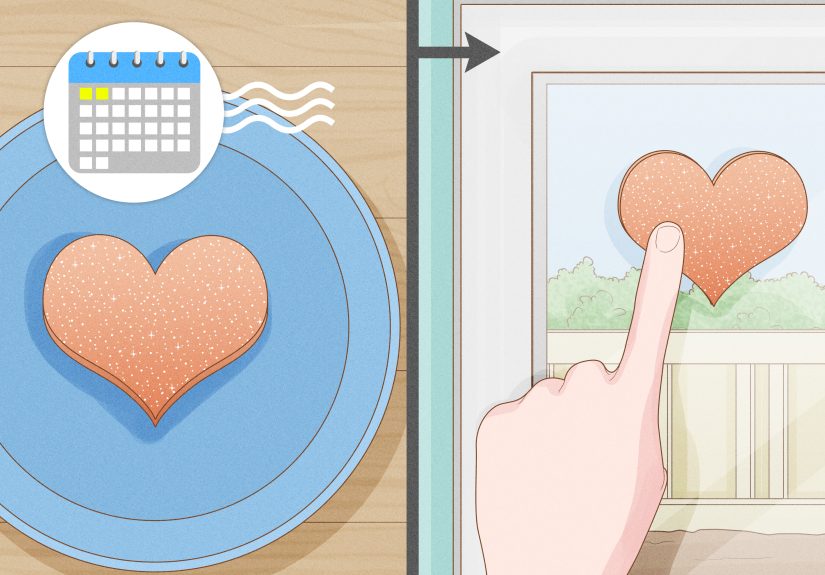
- Peel it off carefully and press it onto clean glass.
The dish soap helps improve flexibility, and the glue dries into a peelable decoration. If you want stronger color, add a few more drops of food coloring. If you want sparkle, sprinkle in fine glitter. If you want chaos, hand glitter to a group of children unsupervised. That last option is not recommended, but it is certainly available.
Best Uses for This Method
- Holiday crafts for kids
- Quick classroom or daycare projects
- Simple shapes and chunky outlines
- Temporary seasonal decorations
Pros and Cons
Pros: cheap, easy, beginner-friendly, low-stress.
Cons: less detailed, less durable, and more likely to stretch if peeled too fast.
Way 2: Make Peelable Window Clings With Mod Podge
If you want homemade window clings that feel a little more polished, Mod Podge is a great middle ground. It dries into a flexible film, and you can tint it with acrylic paint or food coloring. This method is especially good for cut-out shapes, layered colors, and craft nights where adults pretend they are making something “for the kids” while secretly getting way too into it.
What You Need
- Gloss Mod Podge
- Acrylic paint or food coloring
- Silicone mat or other nonstick surface
- Paintbrush, spreader, or palette knife
- Cookie cutters or scissors
Option A: Sheet Method
Mix Mod Podge with a little acrylic paint until you get the shade you want. Spread the mixture onto a silicone mat in a thin, even layer. Let it dry completely, then lift it with a scraper and cut shapes with scissors, a die cutter, or cookie cutters. This method is great for stars, leaves, hearts, letters, and confetti-style shapes.
Option B: Cookie-Cutter Method
Mix Mod Podge with a few drops of food coloring. Set cookie cutters on a silicone mat, then fill each cutter with a thin to medium layer of the tinted mixture. Let the shapes dry completely before removing them. Once dry, pop them out and apply them to glass.
Why This Method Works So Well
The dried film is flexible, colorful, and easy to customize. You can make a whole collection of matching shapes for birthdays, baby showers, holiday windows, or just because your kitchen needs a tiny army of cheerful lemons.
Best Uses for This Method
- Reusable seasonal shapes
- Decorative kitchen or bathroom windows
- Party decor
- Crafts with older kids and adults
Pros and Cons
Pros: more durable than glue-only clings, smooth finish, lots of creative flexibility.
Cons: longer drying time, requires a good nonstick surface, and thicker clings can take patience.
Way 3: Make Faux Stained-Glass Window Clings
This is the prettiest method of the bunch. If your goal is a faux stained glass window cling that actually looks elegant when sunlight hits it, this is the one to try. It takes more time and a steadier hand, but the payoff is big. These clings can look surprisingly close to boutique suncatchers or decorative glass art.
What You Need
- Peelable stained-glass paint or Gallery Glass-style paint
- Liquid leading or outliner
- A pattern printed on paper
- Glass, acrylic sheet, or reusable plastic blank
- Rubbing alcohol or mild soap for cleaning
- Toothpick for moving color and popping bubbles
How to Make Faux Stained-Glass Clings
- Clean the surface well and let it dry.
- Place your pattern underneath the glass or plastic work surface.
- Trace the outlines using liquid leading.
- Let the outline dry fully.
- Fill each section with translucent color.
- Use a toothpick to spread the paint into corners and pop bubbles.
- Let the design dry completely.
- Peel it up carefully and place it on the final window.
This is the method that gives you the classic sun-catching look. Florals, butterflies, geometric tiles, faux cathedral designs, and holiday ornaments all look great here. If Way 1 is “cute afternoon craft,” Way 3 is “wait, you made that?”
Best Uses for This Method
- Decorative entry windows
- Sunroom or craft-room glass
- Holiday and stained-glass inspired decor
- Thoughtful handmade gifts
Pros and Cons
Pros: most polished finish, beautiful in sunlight, works well for intricate designs.
Cons: slower, more supplies, more drying time, and not the best choice if you want instant gratification in the next 14 minutes.
How to Apply Window Clings Without Ruining Your Mood
Applying the cling is easy if the glass is clean and the design is fully dry. Peel slowly from one edge, support the shape with your hand, and press it gently onto the window. Smooth from the center outward.
If a cling feels stiff, warm it slightly in your hands first. Some peelable clings grip better after a little warmth from your breath or hands. If it wrinkles, lift and reposition it slowly rather than yanking it off like you are starting a lawn mower.
Troubleshooting Common Problems
The cling tears while peeling
The layer may be too thin or not fully dry. Next time, make the design slightly thicker and give it more drying time.
The cling will not stick to the glass
The window may still be dusty or greasy. Clean it again and dry it with a lint-free cloth. Also check that the cling is not overloaded with loose glitter or powdery residue.
The design looks cloudy
That usually means it has not cured all the way yet. Let it sit longer before peeling or applying.
The edges curl up
Thin edges and tiny details curl more easily. Choose bolder shapes or reinforce delicate areas with a slightly thicker application.
Design Ideas That Always Work
- Holiday icons like pumpkins, hearts, stars, eggs, ornaments, and snowflakes
- Name decals for kids’ rooms or classroom windows
- Rainbow arches and simple suns
- Botanical shapes like leaves, tulips, and daisies
- Geometric faux stained-glass panels
- Seasonal kitchen motifs like lemons, strawberries, or coffee mugs
A Smart Practical Tip: Decor vs. Bird Safety
Decorative window clings are great for style, but if your goal is to help prevent bird strikes, placement matters. Markings used for bird safety generally need to be visible from the outside, not just the inside, and they need to be spaced closely enough to break up reflections. So if you are making clings for wildlife protection instead of decoration, plan that project a little differently.
What I’d Choose for Different Situations
For little kids: school glue clings. Easy, inexpensive, and forgiving.
For reusable party or holiday decor: Mod Podge clings. They are colorful, flexible, and fun to batch-make.
For the prettiest finish: faux stained-glass clings. More effort, but worth it.
Final Thoughts
If you have been wondering how to make window clings, the answer is delightfully simple: choose the method that matches your patience level, budget, and design goals. School glue is the fast-and-friendly option. Mod Podge gives you more durability and flexibility. Faux stained-glass paint delivers the best-looking results when you want something with real visual impact.
All three methods can turn an ordinary window into something more cheerful, more personal, and much less boring. And unlike repainting a room or assembling mystery furniture with 47 screws and no emotional support, this project is actually fun from start to finish.
Extra Experience: What It’s Really Like to Make Window Clings at Home
One of the most interesting things about making window clings is that the experience changes depending on who is doing the project and why. For young kids, it feels like magic. They paint a blob onto a plastic sheet, wander off for a snack, and come back later to discover that the blob has somehow become a peelable sticker for the window. That moment alone earns this craft a place in the “surprisingly satisfying” category.
For adults, the experience is usually a mix of creativity, problem-solving, and the sudden realization that glass surfaces are way more fun when they are not completely plain. A lot of people start with one seasonal idea, like snowflakes or pumpkins, and then end up making extras for mirrors, patio doors, classroom windows, or the one tiny bathroom window that has been begging for personality since the day the house was built.
The school-glue method tends to feel the most casual. It is easy to set up, does not cost much, and works well when the point is simply to make something colorful and cheerful. The downside is that beginners often make the layer too thin at first. Then comes the classic lesson of window-cling crafting: if it looks dry but still feels tacky, it is not actually ready. Patience matters more than optimism here.
The Mod Podge method usually feels more experimental. People try different colors, cookie cutters, thicknesses, and shapes until they find the sweet spot. Once they do, it becomes one of those crafts that somehow sneaks into every holiday. Hearts in February, shamrocks in March, stars in July, leaves in fall, snowflakes in winter. Suddenly you are the kind of person who owns “seasonal window decor,” which is honestly a lovely character arc.
The faux stained-glass approach feels the most rewarding. It is slower, yes, but it also produces the biggest “wow” moment when sunlight shines through the finished piece. Even simple patterns can look rich and polished. That is why this method is especially popular for gift-making, decorative panels, and projects meant to stay up longer than a weekend.
Another real-life lesson is that windows have personalities. Some are smooth and cooperative. Others are dusty, humid, overly sunny, or just determined to make your cling slide down at 2 a.m. Good prep helps. Clean glass helps more. A dry day helps most of all.
In the end, making window clings is not just about decorating glass. It is about creating small, colorful moments that catch the light and make a room feel more alive. That is a pretty nice payoff for a craft made from glue, paint, and a little bit of stubbornness.