Table of Contents >> Show >> Hide
- What Makes a Soup Good for the Stomach Flu?
- The Best Soup: Simple Chicken and Rice Soup
- Clear Broth: The First Soup to Try
- Vegetable Broth Soup for a Meat-Free Option
- Noodle Soup: Good, If You Keep It Plain
- Soups to Avoid During the Stomach Flu
- How Soup Helps with Hydration
- When Should You Start Eating Soup?
- What to Eat with Soup During Recovery
- What to Drink Alongside Soup
- Signs Soup Is Not Enough
- Best Homemade Soup Strategy for Stomach Flu Days
- of Real-Life Experience: What Stomach Flu Soup Feels Like in Practice
- Conclusion: So, What Is the Best Soup for the Stomach Flu?
When the stomach flu shows up, it rarely knocks politely. One minute you are living your normal life, and the next you are negotiating peace terms with your digestive system from the bathroom floor. Food suddenly feels suspicious, your appetite disappears, and even your favorite meal may sound like a personal attack. That is where soup comes innot the heavy, creamy, cheese-loaded kind that requires a nap afterward, but the gentle, broth-based, easy-to-digest kind that helps you sip your way back to feeling human.
The best soup for the stomach flu is usually a simple clear broth or a mild chicken-and-rice soup. It should be warm, low in fat, not spicy, not creamy, and easy on the stomach. The goal is not to win a cooking competition. The goal is to hydrate, replace some lost electrolytes, offer a little nourishment, and avoid giving your stomach any new drama to process.
Although people call it the “stomach flu,” it is usually viral gastroenteritis, not influenza. It often causes vomiting, diarrhea, nausea, stomach cramps, and a general feeling that your body has filed a complaint with management. During this time, fluids matter more than fancy meals. Soup can be useful because it combines fluid, sodium, warmth, and gentle ingredients in one comforting bowl.
What Makes a Soup Good for the Stomach Flu?
A stomach-flu-friendly soup should do three things well: hydrate the body, go down easily, and avoid irritating the digestive tract. That means the best choices are clear or lightly textured soups with simple ingredients. Think chicken broth, vegetable broth, rice, plain noodles, small pieces of tender chicken, carrots, or potatoes. These ingredients are familiar, bland, and generally easier to tolerate when nausea is fading.
The soup should also be served in small portions. This is not the moment for a heroic “big bowl energy” performance. Start with a few spoonfuls or small sips. If that stays down, you can slowly increase the amount. Your stomach is recovering, not auditioning for a buffet.
The Best Soup: Simple Chicken and Rice Soup
If one soup deserves the title of best soup for the stomach flu, it is simple chicken and rice soup made with a clear, low-fat broth. It checks nearly every box. The broth helps with hydration. The sodium may help replace some electrolytes lost through vomiting or diarrhea. The rice is bland and gentle. The chicken provides a little protein without being too heavy, as long as it is lean and not greasy.
This soup is especially helpful when you have moved past the “I can only sip liquids” stage and feel ready for something slightly more filling. It is still mild, but it gives your body more substance than broth alone. The key is to keep it simple. Skip the cream, butter, hot sauce, heavy herbs, fried toppings, and anything that makes your soup look like it belongs on a restaurant menu with tiny edible flowers.
Simple Stomach Flu Chicken and Rice Soup Recipe
To make a gentle version, simmer low-sodium chicken broth with well-cooked white rice, a small amount of shredded skinless chicken, and soft carrots. Cook everything until the texture is tender. If you need more sodium because you have been losing fluids, you can use regular broth, but avoid making it extremely salty. Taste lightly and keep the flavor mild.
A basic formula looks like this: four cups of chicken broth, one cup of cooked white rice, one-half cup of shredded cooked chicken, and one-half cup of soft cooked carrots. Simmer for 10 to 15 minutes, then let it cool until warm, not steaming hot. Eat slowly. Your stomach appreciates manners.
Clear Broth: The First Soup to Try
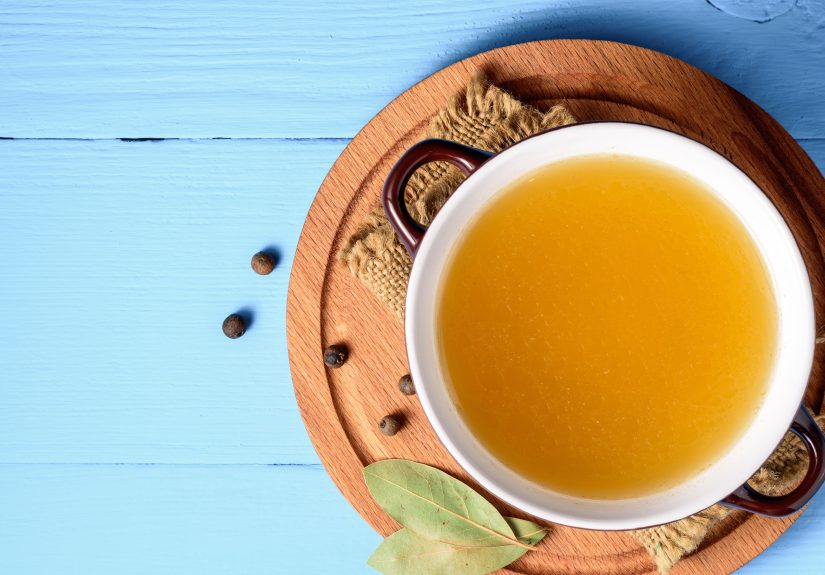
When vomiting has been active, clear broth is often the safest first step. Chicken broth, vegetable broth, or bone broth can provide fluid and sodium without asking much from your digestive system. Clear broth is not exciting, but neither is dehydration, so broth wins.
Clear broth works best when taken in small sips. If you drink too much too quickly, nausea may return. A few tablespoons every few minutes can be more successful than one large mug. This is one of those times when slow and boring is actually the smart strategy.
Vegetable Broth Soup for a Meat-Free Option
For people who do not eat chicken, vegetable broth can be a good alternative. Choose a mild broth without strong spices, garlic overload, or chili heat. Add soft white rice, small pasta, or peeled potatoes if you are ready for a little more texture. Carrots can also work well when cooked until very soft.
A gentle vegetable soup should be low in fiber at first. That means skipping beans, corn, cabbage, lentils, and large amounts of leafy greens until your stomach is clearly improving. Those foods can be healthy on a normal day, but during stomach flu recovery, they may be a bit too enthusiastic for your digestive tract.
Noodle Soup: Good, If You Keep It Plain
Chicken noodle soup can be a good stomach flu soup if it is made with a clear broth and simple noodles. Soft noodles are easy to chew and may feel comforting when your appetite starts coming back. Again, avoid greasy versions or soups with a heavy layer of fat floating on top. Your stomach does not need an oil slick.
If using packaged soup, check the label when possible. Some canned soups are very high in sodium, which may not be ideal for everyone, especially people who need to limit salt. Others may include strong seasonings, onion, garlic, or additives that can bother sensitive stomachs. When in doubt, dilute the soup with a little water and keep the serving small.
Soups to Avoid During the Stomach Flu
Not every soup is your friend during viral gastroenteritis. Some soups look comforting but can be rough on a recovering stomach. Cream-based soups, cheesy soups, spicy soups, and greasy soups are best avoided until you are fully better. This includes loaded baked potato soup, creamy chowder, spicy ramen, chili, tortilla soup with lots of seasoning, and anything that leaves a shiny layer of fat on the spoon.
High-fat foods slow digestion and may worsen nausea. Spicy ingredients can irritate the stomach and intestines. Dairy can be difficult for some people to tolerate after diarrhea, even if they normally handle it well. Your digestive system may temporarily become more sensitive, so this is a good time to choose bland over bold.
How Soup Helps with Hydration
The biggest concern with the stomach flu is often dehydration. Vomiting and diarrhea can cause the body to lose water and electrolytes. Electrolytes are minerals such as sodium and potassium that help the body maintain fluid balance. Soup is not a replacement for oral rehydration solution when dehydration risk is high, but it can support hydration when symptoms are mild or improving.
Clear broth is especially useful because it provides fluid plus sodium. However, if you are dealing with frequent vomiting, watery diarrhea, dizziness, very dark urine, dry mouth, or extreme weakness, oral rehydration solution is usually a better choice than soup alone. For children, older adults, pregnant people, and anyone with a medical condition, dehydration can become serious faster, so medical guidance matters.
When Should You Start Eating Soup?
The best time to try soup is after your stomach has settled a little. If you are actively vomiting, start with small sips of water, ice chips, or an oral rehydration solution. Once you can keep fluids down, clear broth is a reasonable next step. After that, you can move to chicken and rice soup or plain noodle soup.
Do not force food just because the clock says it is lunchtime. Your stomach does not care about lunch. It cares about survival, peace, and not being startled. Eat when your nausea improves and your body gives you a small green light.
What to Eat with Soup During Recovery
Once soup is staying down, you can add other bland foods. Common choices include bananas, rice, applesauce, toast, crackers, plain noodles, boiled potatoes, and small amounts of plain chicken. These foods are easy to digest and less likely to trigger nausea. The classic BRAT foodsbananas, rice, applesauce, and toastcan be useful for a short time, but they are not meant to be your entire diet for days and days.
As you improve, gradually return to a normal balanced diet. Add foods slowly and pay attention to how your body responds. If something makes nausea or diarrhea worse, pause and try again later. Recovery is not a race, and there is no medal for eating tacos too soon.
What to Drink Alongside Soup
Soup can help, but you still need fluids. Water, oral rehydration solution, diluted clear fluids, and caffeine-free drinks may be useful depending on your symptoms and age. Small, frequent sips are usually better than large amounts at once. If plain water makes you feel nauseated, try ice chips or very small sips from a spoon.
Avoid alcohol completely while sick. Avoid too much caffeine, which can be irritating and may worsen fluid loss for some people. Sugary drinks may also aggravate diarrhea, especially when consumed in large amounts. Sports drinks can help some adults with mild dehydration, but oral rehydration solutions are usually better designed to replace fluid and electrolytes.
Signs Soup Is Not Enough
Soup is comfort food, not emergency medicine. Seek medical advice if symptoms are severe, if vomiting prevents you from keeping fluids down, or if diarrhea is persistent or bloody. Also get help for signs of dehydration, such as very little urination, dizziness, confusion, dry mouth, sunken eyes, or unusual sleepiness. Babies and young children need extra caution, especially if they have fewer wet diapers, cannot keep fluids down, or seem unusually tired.
Adults should also pay attention if symptoms last longer than expected, if there is a high fever, severe abdominal pain, or if they have a weakened immune system. The stomach flu usually improves on its own, but dehydration can turn a miserable illness into a dangerous one.
Best Homemade Soup Strategy for Stomach Flu Days
The easiest strategy is to make soup in stages. Stage one is clear broth. Stage two is broth with rice or noodles. Stage three is broth with rice, tender chicken, and soft vegetables. This lets you match the soup to your recovery instead of asking your stomach to leap from “no thank you” to “Thanksgiving dinner.”
Keep portions small and store extra soup in the refrigerator. Reheat only what you need. Warm soup often feels better than cold food, but avoid serving it too hot. Strong smells can trigger nausea, so mild aroma is another advantage of simple broth-based soup.
of Real-Life Experience: What Stomach Flu Soup Feels Like in Practice
Anyone who has had the stomach flu knows that the first “meal” after the worst symptoms is less about hunger and more about trust. You stare at the bowl like it owes you an explanation. Will this soup help? Will it betray me? Is my stomach accepting visitors today? This is why the best soup for the stomach flu is not complicated. It should look harmless, smell gentle, and taste like something your body can understand without reading the fine print.
In practice, clear chicken broth is often the first thing that feels possible. It is warm without being heavy, salty without being overwhelming, and comforting without requiring much effort. The first few sips may feel like a major life achievement. That sounds dramatic, but after a long night of nausea, keeping down broth can feel like winning a tiny Olympic event.
Once the broth stays down, adding rice can make the soup more satisfying. White rice works well because it is soft, bland, and familiar. It thickens the soup slightly and gives your stomach something gentle to work with. This is not the time for wild rice, crunchy grains, or a fiber-packed wellness experiment. During stomach flu recovery, the digestive system usually votes for simple.
Chicken can come next, but only in small amounts. The best texture is shredded, tender, and lean. If the chicken is rubbery, greasy, or heavily seasoned, it can feel like too much too soon. A few spoonfuls of chicken and rice soup may be enough at first. The goal is to rebuild appetite gradually, not challenge your stomach to a duel.
One helpful habit is to eat soup from a mug instead of a bowl. A mug naturally encourages sipping, which can prevent you from eating too quickly. It also makes the whole experience feel less like a formal meal and more like a gentle recovery ritual. Add a blanket, a quiet room, and permission to ignore your inbox, and you have a fairly respectable stomach flu survival plan.
Another real-world tip is to keep flavors extremely mild. Even if you normally love garlic, pepper, chili oil, lemon, or herbs, your sick-day stomach may have different opinions. A soup that tastes slightly boring is often exactly right. Boring is underrated when your digestive system has recently behaved like a haunted elevator.
For families, making a small pot of plain broth-based soup can be practical because each person can adjust it as they recover. One person may only want broth. Another may be ready for noodles. Someone else may add chicken the next day. Keeping the base simple makes it easier to serve different recovery stages without cooking five separate meals.
The biggest lesson from experience is this: listen to your body, not your cravings. The moment you feel a little better, your brain may start suggesting pizza, coffee, or something crunchy enough to wake the neighbors. Be patient. Soup is the bridge between “I cannot eat” and “I am back.” Cross that bridge slowly, and your stomach is much more likely to forgive you.
Conclusion: So, What Is the Best Soup for the Stomach Flu?
The best soup for the stomach flu is a clear, broth-based soup that is gentle, hydrating, and low in fat. Simple chicken and rice soup is the top choice for many people because it offers fluids, sodium, bland carbohydrates, and light protein in one easy bowl. Clear broth is best when symptoms are still fresh, while chicken noodle or vegetable broth soup can work as appetite returns.
Keep the soup mild, warm, and simple. Avoid cream, heavy fat, spice, and large portions. Sip slowly, pay attention to symptoms, and use oral rehydration solution when dehydration is a concern. Most importantly, give your stomach time. It has been through enough. A humble bowl of broth may not look glamorous, but on a stomach flu day, it can feel like a five-star rescue mission.