Table of Contents >> Show >> Hide
- Why “Bad” Portraits Became So Good
- The Social Media Formula Behind the Viral Portrait Requests
- What Makes These Funny Portraits Different from Ordinary Caricatures?
- The Comedy of Recognition: “It Looks Nothing Like Me… But Also Somehow It Does”
- Why People Want More of Something So Hilariously Bad
- The Bigger Lesson: Authenticity Beats Polish
- Why the Internet Loves Creative Confidence
- Specific Examples of What Made the Portraits Funny
- How This Story Fits Into the Rise of “Terrible Art” Culture
- Experience-Based Reflections: What This Kind of Portrait Project Teaches Creators
- Conclusion
Every now and then, the internet finds a masterpiece. Not the kind hanging under museum lights while people whisper things like “excellent brush control.” No, the internet’s favorite masterpiece is often a lopsided sketch that looks like it was drawn during a mild earthquake by a pencil with trust issues. That is exactly why the story of a student taking portrait requests became such a delightful online moment: the portraits were not polished, not realistic, and absolutely not ready for a gallery wallunless that wall belongs to a person with a strong sense of humor and no fear of eyebrow chaos.
The viral story centered on a high-school student from Edinburg, Texas, known online as Slow Down Ralf, who offered to draw people’s profile pictures on Twitter. The premise was simple: people liked or retweeted, and he turned their photos into rough, hilarious, low-pressure portraits. Within days, the student had thousands of requests, around a hundred drawings completed, and a fast-growing crowd of people who were not laughing at the art so much as laughing with it.
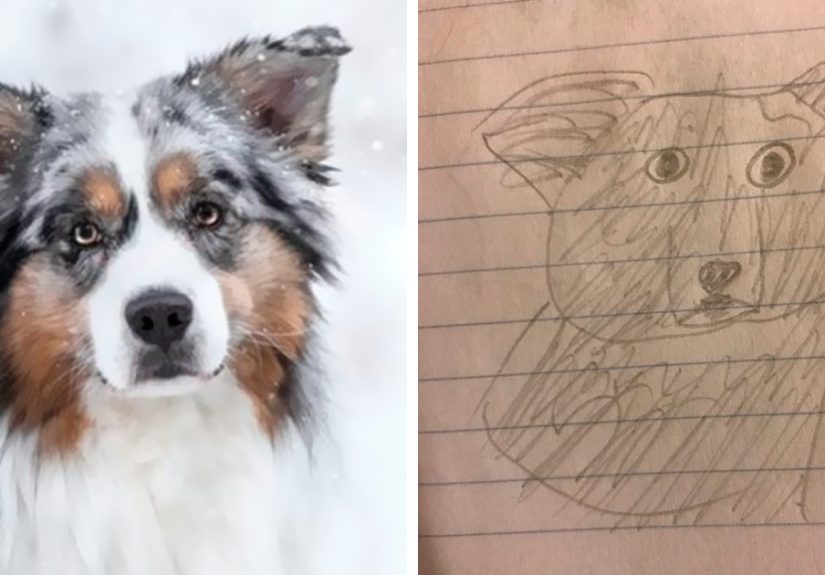
That distinction matters. The funny portrait requests worked because they felt playful, not mean. The drawings exaggerated faces, poses, pets, outfits, and tiny visual details in a way that made each person recognizablebut only after your brain rebooted twice. The charm was in the gap between expectation and result. People sent in a polished selfie. They received something that looked like their soul had been photocopied through a potato. Naturally, the internet wanted more.
Why “Bad” Portraits Became So Good
Calling these portraits “bad” is only half the story. Technically, yes, the drawings did not chase realistic proportions or classic portraiture rules. Eyes wandered. Faces stretched. Hairlines made bold life choices. Dogs sometimes looked like bonus furniture. But in internet culture, technical perfection is not always the winning ingredient. Personality is.
A perfect portrait impresses viewers. A hilariously bad portrait invites them in. It says, “Relax, nobody is grading this.” That makes the content instantly shareable because the viewer does not need an art history degree to enjoy it. The joke arrives quickly: here is the original photo, here is the drawing, and here is the glorious distance between the two. It is visual comedy in before-and-after form.
There is also something refreshing about a creator who does not pretend to be flawless. Online spaces are packed with filtered selfies, edited videos, polished personal brands, and people acting as if they wake up with professional lighting installed in their bedroom ceiling. A student posting intentionally rough portrait drawings breaks that pattern. It feels human. It feels silly. It feels like someone brought a marker to the internet’s fancy dinner party and drew mustaches on the place cards.
The Social Media Formula Behind the Viral Portrait Requests
The success of this student’s funny drawings followed a classic viral formula: a clear invitation, a low barrier to entry, fast results, and a built-in reason to share. People did not need to buy anything, download anything, or understand a complicated challenge. They simply had to interact with a post and hope their profile picture got chosen.
1. The Request Was Simple
“Send me your picture and I’ll draw it” is easy to understand in one second. That matters online. Users scroll quickly, and complicated ideas often get skipped like the terms and conditions on a software update. The portrait request format was immediate. It promised a personalized result, which made it far more exciting than a generic meme.
2. The Results Were Personal
People love seeing themselves turned into content, especially when the tone is friendly. A rough portrait can feel like a custom inside joke. Even if the drawing is wildly inaccurate, the recipient still gets a one-of-a-kind image. It becomes a digital souvenir: part caricature, part roast, part refrigerator art with Wi-Fi.
3. The Mistakes Were the Main Feature
In traditional portraiture, a misplaced nose is a problem. In this format, a misplaced nose is the plot twist. The less perfect the drawing, the funnier the reveal. That is why people kept requesting portraits even after seeing the results. They were not asking for beauty; they were asking for surprise.
What Makes These Funny Portraits Different from Ordinary Caricatures?
Caricature has a long history of exaggerating features for comic effect. A caricature artist might enlarge someone’s smile, shrink their chin, or turn a hairstyle into a weather event. The student’s viral portraits fit into that tradition, but with a more chaotic, internet-native flavor. These were not polished amusement park caricatures. They looked spontaneous, casual, and delightfully untrained.
That rawness is exactly what gave them energy. The portraits felt like they were made quickly, without a committee, without branding guidelines, and without anyone saying, “Can we circle back on the jawline?” The speed and roughness made the project feel alive. Viewers were not just looking at finished art; they were watching a funny process unfold in real time.
In that sense, the portraits became performance art. The performance was not only the drawing itself, but the promise that anyone could become the next subject. The audience was not passive. People were lining up digitally, waiting for their turn to be transformed into a charmingly cursed version of themselves.
The Comedy of Recognition: “It Looks Nothing Like Me… But Also Somehow It Does”
The funniest bad portraits often sit in a strange middle zone. They do not look exactly like the person, but they catch one weirdly specific detail: the eyebrows, the shirt, the pose, the glasses, the pet, the smile, or the general emotional weather of the photo. That tiny spark of recognition makes the drawing funnier than a completely random doodle.
For example, a portrait might turn a normal selfie into a face with two heroic eyebrows and a neck that seems to be applying for a separate zip code. But if the original photo had bold eyebrows, viewers instantly understand the joke. The artist saw the detail and exaggerated it until it became the star of the show. That is comedy through distortion.
This is why people in the comment sections often reacted with lines like “the eyebrows are perfect” or “somehow this is accurate.” The drawings were not realistic, but they were observant. They noticed just enough to make the wrongness feel intentional, even when the style seemed beautifully out of control.
Why People Want More of Something So Hilariously Bad
One of the funniest parts of this story is that people did not run away from the questionable quality. They chased it. Thousands of requests poured in because the portraits offered something rare online: harmless, customized absurdity. In a feed full of arguments, ads, and overproduced content, a funny drawing of someone’s profile picture feels like a tiny vacation.
There is also a kind of democratic charm to bad art. Great technical art can sometimes feel distant, like it belongs to experts. Bad-but-funny art feels open. It tells viewers that creativity does not have to be perfect to be enjoyable. The student’s drawings gave people permission to laugh, participate, and maybe even create something silly themselves.
That is why similar projectsintentionally terrible pet portraits, bad wedding paintings, quick street sketches, and comic-style profile drawingscontinue to find audiences. They turn imperfection into a feature. They remind people that art can be fun before it is impressive. Sometimes the best creative decision is not to fix the wonky eye. Sometimes the wonky eye is the whole business plan.
The Bigger Lesson: Authenticity Beats Polish
For content creators, the viral portrait story offers a surprisingly useful lesson. Audiences do not always want the smoothest production or the most expensive tools. They want a strong idea, a clear personality, and a reason to care. The student’s portrait project had all three.
The idea was instantly understandable. The personality was playful. The reason to care was personal involvement. People could request their own portrait, react to others, compare original photos with drawings, and share the results. It created a loop: request, reveal, laugh, share, repeat.
That loop is powerful because it turns followers into participants. A normal post asks people to look. A portrait request asks people to join. Once someone joins, they become emotionally invested. They want to know whether they will be picked, how their drawing will turn out, and whether the result will be funny enough to show their friends.
Why the Internet Loves Creative Confidence
There is a lovable confidence in posting art that is obviously not polished and continuing anyway. That confidence is not arrogance. It is closer to creative bravery. The student knew the drawings were funny. He kept going. And because he did not treat the flaws like a tragedy, the audience did not either.
That attitude is important for young creators. Many people avoid posting art, writing, music, videos, or jokes because they are afraid the work is not “good enough.” Viral moments like this prove that good enough is not always the point. Sometimes the point is connection. Sometimes the point is laughter. Sometimes the point is drawing someone’s face so strangely that strangers on the internet develop emotional attachment to the ears.
Of course, not every rough drawing will go viral. The internet is unpredictable, and anyone who claims to fully understand it is probably selling a course with too many exclamation points. But the portrait request project had the ingredients that help content travel: originality, humor, interaction, and a repeatable format.
Specific Examples of What Made the Portraits Funny
The portraits became memorable because they often kept one recognizable detail while letting everything else run free. A dog might gain an unexpected wing-like shape. A person’s eyebrows might become the emotional center of the drawing. A shirt logo, a pose, or a facial expression might survive the artistic storm while the rest of the body entered cartoon territory.
That contrast made each piece feel like a puzzle. Viewers looked at the original image, then the drawing, then back again, trying to identify the bridge between the two. The more absurd the bridge, the stronger the laugh. It is the same reason people enjoy badly restored paintings, awkward wax figures, or courtroom sketches that look like they were produced after one glance and a sneeze. The failure becomes funny because it is close enough to recognition to be understood, but far enough away to be ridiculous.
Another key detail: the portraits were not cruel. They did not seem designed to humiliate people. The humor came from the drawing style, not from attacking the subject. That kept the project lighthearted and allowed people to volunteer themselves. When the subject is in on the joke, the joke feels warmer.
How This Story Fits Into the Rise of “Terrible Art” Culture
Bad art has become its own beloved corner of the internet. From intentionally rough pet portraits to “terrible” live sketches sold at markets, audiences keep showing up for art that rejects perfection. The appeal is not that people suddenly dislike skill. Skilled artists still matter, obviously. Nobody is asking a museum restoration expert to use crayons and vibes. But online, imperfection can feel more relatable than technical excellence.
In a culture where artificial intelligence can generate polished images in seconds and social feeds are filled with curated perfection, handmade weirdness stands out. A crooked portrait drawn by a real person has evidence of effort, timing, and personality. It has fingerprints, even if those fingerprints are metaphorically all over someone’s forehead.
The Museum of Bad Art famously celebrates work that is “too bad to be ignored,” and that phrase captures the spirit of these viral portrait requests. The drawings are not ignored because they have life. They produce reactions. They make people argue, laugh, request, and share. In internet terms, that is gold.
Experience-Based Reflections: What This Kind of Portrait Project Teaches Creators
There is a real experience lesson hiding inside this funny story: people respond to confidence more than perfection. Anyone who has ever tried to draw a friend, sketch a pet, or make a funny profile picture knows the danger zone. You start with noble intentions. Five minutes later, the dog looks like a confused chair, the person’s smile has become a cave entrance, and the hands should probably be handled by local authorities. But if you show the result with the right attitude, people laugh in the best way.
That is exactly why a project like this works. It removes the pressure that normally surrounds creativity. In school, students often learn art through assignments, grades, rubrics, and comparisons. Online, this student flipped the script. The drawings did not need an A-plus. They needed a reaction. They needed to make someone say, “Wait, why do I love this?” That is a much more generous creative space.
For beginners, the lesson is especially useful. Many creators stop before they start because they imagine an invisible crowd judging every line. But a funny portrait request project proves that an audience can be built around honesty. If your skill level is still developing, you can still create value through humor, personality, and consistency. You do not have to pretend to be a master. You can say, “This is what I make, and yes, the left eye has chosen independence.”
For social media creators, the experience also shows the power of participation. People are far more likely to engage when the content includes them. A simple offer“I’ll draw your profile picture”turns a post into a game. The audience gets anticipation, personalization, and a possible reward. Even those who are not selected can enjoy watching other people’s portraits appear. It becomes a community event rather than a one-time upload.
For artists with serious goals, this story is not an argument against improving. Skill matters. Practice matters. Anatomy matters, especially if you want your portraits to have necks that obey state law. But improvement does not have to kill humor. In fact, many successful illustrators combine technical growth with a playful voice. The best path may be to keep the charm while sharpening the craft.
Finally, there is an emotional experience here too. People like being seen, even in silly ways. A funny portrait says, “I noticed you.” It may notice the wrong cheekbone, but it still notices. That small act of attention can feel surprisingly warm in a fast-moving online world. The student’s portraits made people laugh because they were absurd, but people wanted more because the project felt personal. It turned strangers into subjects, subjects into jokes, and jokes into shared moments. That is a pretty good achievement for drawings that looked like they were made by a pencil trying its best under difficult circumstances.
Conclusion
The story of the student who took portrait requests and accidentally became an internet favorite is more than a quick laugh. It is a reminder that online creativity does not need to be perfect to be powerful. The portraits were hilariously bad, yes, but they were also original, personal, and full of charm. They made people feel included. They turned mistakes into punchlines. They proved that sometimes the internet does not want another flawless imageit wants a face drawn so strangely that it becomes unforgettable.
In the end, the appeal is simple: funny portraits give people permission to enjoy imperfection. They celebrate the weird little space between effort and disaster, where comedy lives rent-free. And if a high-school student with a playful idea can make thousands of people request drawings that look gloriously unprofessional, maybe the rest of us can stop waiting for perfect conditions and start making something worth laughing about.
Note: This article is based on publicly reported details about the viral portrait-request story, related examples of humorous “bad art” projects, and broader cultural context about caricature, social media creativity, and internet humor. Source links are intentionally not inserted in the article body per request.