Table of Contents >> Show >> Hide
- What Are the 4Ms of Age-Friendly Care?
- Why the 4Ms Matter More Than Ever
- How the 4Ms Work Together in Real Life
- What Matters: The Heart of Age-Friendly Care
- Medication: Less Confusion, More Safety
- Mentation: Protecting the Brain and Mood
- Mobility: Movement Is Medicine, But Make It Safe
- How Families Can Use the 4Ms at Appointments
- Common Mistakes the 4Ms Help Prevent
- Experiences Related to the 4Ms of Age-Friendly Care
- Conclusion: The 4Ms Make Care More Human
Aging well should not feel like assembling furniture with missing instructions, a tiny wrench, and three relatives arguing in the hallway. Yet for many older adults, health care can feel exactly that way: one doctor talks about blood pressure, another talks about memory, someone else changes a medication, and nobody asks the big questionwhat does this person actually want life to look like?
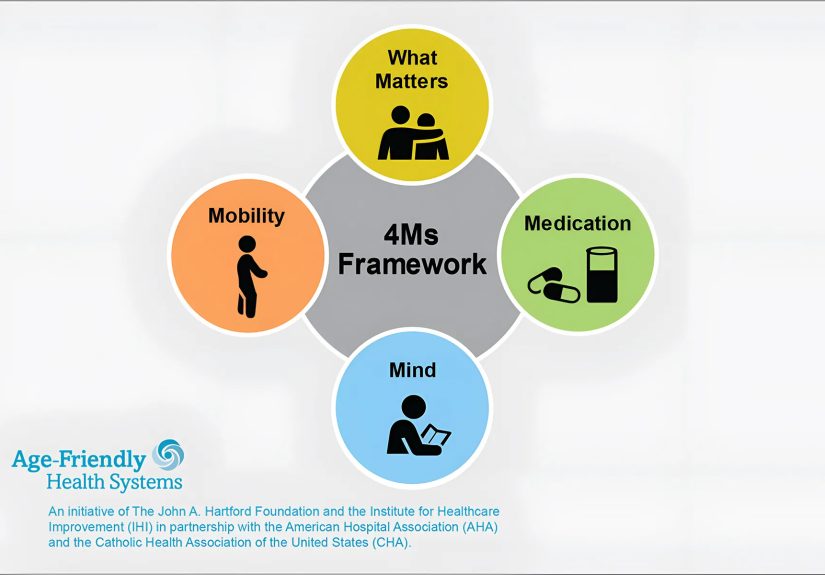
That is where the 4Ms of Age-Friendly Care come in. The 4Ms frameworkWhat Matters, Medication, Mentation, and Mobilityis a practical, evidence-based approach designed to make care for older adults safer, more personal, and more connected. Instead of treating aging as a pile of separate problems, the 4Ms help clinicians, caregivers, and families look at the whole person.
The idea is simple, but powerful: older adults deserve care that protects independence, respects goals, reduces avoidable harm, and keeps daily life at the center of every medical decision. In other words, age-friendly care is not about doing more tests just because we can. It is about doing the right things, in the right way, for the right reasons.
What Are the 4Ms of Age-Friendly Care?
The 4Ms are four essential elements of high-quality care for older adults. They are not separate checkboxes to rush through during a visit. They work together like the legs of a sturdy table. Remove one, and the whole thing starts wobbling.
1. What Matters
“What Matters” means knowing and acting on an older adult’s personal goals, care preferences, values, and priorities. This may sound obvious, but modern health care can sometimes become so busy measuring numbers that it forgets the person attached to them.
For example, one 82-year-old may say, “I want to stay strong enough to garden.” Another may say, “I want to avoid going back to the hospital.” Someone else may care most about attending a granddaughter’s wedding, living at home, controlling pain, sleeping better, or simply not feeling dizzy every time they stand up.
These goals matter because they guide real decisions. A treatment plan that looks perfect on paper may be a poor fit if it causes fatigue, confusion, or constant clinic visits. Age-friendly care asks: Will this plan help the person live the life they value?
2. Medication
Medication is often necessary, helpful, and even life-saving. But as people age, medications can also become complicated. Older adults may take several prescriptions, over-the-counter drugs, vitamins, or supplements. Some combinations can increase the risk of dizziness, falls, confusion, sleep problems, constipation, or interactions.
The Medication “M” focuses on using age-friendly medications when they are needed and avoiding drugs that interfere with What Matters, Mentation, or Mobility. This does not mean stopping medications randomly. Please do not conduct a dramatic “medicine cabinet rebellion” at home. It means reviewing medications carefully with a qualified clinician and asking whether each one is still useful, safe, and aligned with the person’s goals.
A practical medication review may include questions such as: Is this drug still needed? Could the dose be lower? Is it causing sleepiness or confusion? Does it increase fall risk? Is there a safer alternative? Is the person taking it correctly? These questions can prevent small medication problems from turning into big life problems.
3. Mentation
Mentation refers to the mind: memory, mood, thinking, and mental clarity. In age-friendly care, clinicians pay attention to conditions such as dementia, depression, and delirium. These conditions are common in older adults, but they are not “just aging,” and they should not be brushed off with a shrug.
Delirium, for example, is a sudden change in attention or awareness. It can happen during illness, surgery, hospitalization, infection, dehydration, medication changes, or poor sleep. It may look like confusion, agitation, unusual sleepiness, or seeing things that are not there. Because delirium can come on quickly, families are often the first to notice that “Mom is not herself today.”
Depression can also hide in plain sight. An older adult may not say, “I feel depressed.” Instead, they may lose interest in hobbies, sleep poorly, eat less, become irritable, or stop participating in daily routines. Age-friendly care treats mood and cognition as central to healthnot side notes written in tiny font.
4. Mobility
Mobility means helping older adults move safely every day so they can maintain function and independence. It includes walking, balance, strength, getting out of bed, using stairs, transferring from a chair, and moving around the home or community safely.
Mobility is not only about exercise. It is about freedom. The ability to move affects whether someone can cook, bathe, shop, visit friends, attend religious services, care for a pet, or simply enjoy a morning walk. When mobility declines, independence can shrink fast.
Age-friendly mobility care may include fall-risk screening, physical therapy, strength and balance exercises, vision checks, home safety changes, assistive devices, footwear review, and medication adjustments. The goal is not to wrap older adults in bubble wrap. The goal is to help them move confidently and safely.
Why the 4Ms Matter More Than Ever
The United States is aging rapidly. More Americans are living into their 70s, 80s, 90s, and beyond, and many are managing multiple chronic conditions while trying to stay active and independent. Health systems, families, and communities need care models that match this reality.
Traditional care often focuses on diseases one at a time: diabetes here, arthritis there, blood pressure over there waving from the corner. But older adults rarely live in neat medical boxes. A new blood pressure pill might affect balance. Poor sleep might worsen memory. Untreated pain might limit walking. A fall might lead to fear, less activity, weakness, and another fall. Everything is connected.
The 4Ms framework helps organize these connections. It gives care teams a shared language and gives families better questions to ask. Most importantly, it keeps the older adult’s priorities at the center of the plan.
How the 4Ms Work Together in Real Life
Imagine an older adult named Linda. She is 79, lives alone, and wants to keep volunteering at her local library. That is What Matters. Recently, she has felt dizzy and nearly fell twice. Her daughter also notices that Linda seems forgetful in the evenings.
A 4Ms approach would not treat these as isolated issues. The care team would review her medications to see whether any could cause dizziness or confusion. They would assess mentation to check for delirium, depression, sleep issues, or cognitive changes. They would evaluate mobility and fall risk, perhaps recommending balance exercises or physical therapy. Then they would connect every decision back to Linda’s goal: staying steady and clear enough to continue volunteering.
That is the beauty of the 4Ms. They turn scattered concerns into a coordinated plan. Instead of asking, “What is wrong with Linda?” the better question becomes, “What does Linda need to keep doing what matters to her?”
What Matters: The Heart of Age-Friendly Care
“What Matters” is more than a friendly conversation starter. It is the anchor for medical decision-making. Without it, care can become technically correct but personally wrong.
For example, an older adult with several health conditions may be offered an aggressive treatment plan that requires frequent appointments, side effects, and a long recovery. For one person, that may be worth it. For another, comfort, time at home, or avoiding hospitalization may be more important. Neither choice is “wrong.” The right choice depends on the person.
Families can support this process by asking loved ones open-ended questions: What does a good day look like? What are you hoping to keep doing? What worries you most about your health? What trade-offs would you accept, and what would you rather avoid?
These conversations can feel emotional, but they are gifts. They help everyone make decisions with less guessing and more confidence.
Medication: Less Confusion, More Safety
Medication safety is one of the most practical parts of age-friendly care. Many older adults see multiple clinicians, and prescriptions can accumulate over time like mysterious cables in a kitchen drawer. One medication is added for pain, another for sleep, another for mood, another for blood pressure, and suddenly the daily pill schedule looks like a tiny pharmacy went on vacation in a plastic organizer.
A medication review should include all prescriptions, over-the-counter drugs, supplements, eye drops, patches, creams, and “just occasionally” pills. That last category is important because occasional sleep aids, allergy medicines, or pain medicines can still affect mentation and mobility.
Families should watch for warning signs after medication changes: new confusion, sleepiness, dizziness, falls, constipation, appetite changes, or unusual behavior. A symptom that looks like “aging” may actually be a medication side effect. The solution may be simpler than expectedbut only if someone asks the right questions.
Mentation: Protecting the Brain and Mood
Good age-friendly care treats brain health as essential. Memory, attention, mood, and decision-making affect everything from medication use to fall risk to social connection.
Clinicians may screen for cognitive impairment, depression, and delirium. Families can help by reporting changes clearly: when the change started, whether it came on suddenly, what is different from normal, and whether there were recent medication changes, infections, dehydration, poor sleep, or hospital visits.
Supportive steps can be surprisingly simple: keeping hearing aids and glasses available, encouraging hydration, promoting sleep, reducing unnecessary nighttime disruptions, supporting orientation with clocks and calendars, maintaining familiar routines, and helping the person stay socially connected.
The key is not to dismiss changes in thinking or mood. A sudden change deserves attention. A gradual change deserves evaluation. Compassion and curiosity beat denial every time.
Mobility: Movement Is Medicine, But Make It Safe
Mobility protects independence, confidence, and quality of life. When older adults stop moving, muscles weaken, balance declines, and daily tasks become harder. Then fear enters the chatand fear can be very persuasive.
The goal is safe, consistent movement. This may include walking, chair exercises, stretching, strength training, tai chi, balance practice, or physical therapy. The best movement plan is one the person can actually do. A perfect exercise program that lives untouched on the refrigerator is not helping anyone.
Home safety also matters. Good lighting, clear walkways, secure rugs, grab bars, proper footwear, and accessible frequently used items can reduce risk. Mobility care should also consider vision, hearing, foot pain, arthritis, nerve problems, and medications that cause dizziness.
How Families Can Use the 4Ms at Appointments
Families and caregivers do not need a medical degree to use the 4Ms. They need a notebook, a little preparation, and the courage to ask direct questions.
Questions to Ask About What Matters
“What health goals should we focus on first?” “How will this treatment help my loved one do what matters?” “What are the benefits and burdens of this option?” “Are there choices that better match their preferences?”
Questions to Ask About Medication
“Could any of these medications increase fall risk or confusion?” “Are all of these still necessary?” “Can we simplify the schedule?” “Should any medication be avoided in older adults?”
Questions to Ask About Mentation
“Could this sudden confusion be delirium?” “Should we screen for depression or memory changes?” “Could pain, sleep, infection, dehydration, or medication be affecting thinking?”
Questions to Ask About Mobility
“Is my loved one at risk for falls?” “Would physical therapy help?” “What exercises are safe?” “Should we review the home for hazards?” “Could any medication be affecting balance?”
Common Mistakes the 4Ms Help Prevent
One common mistake is assuming that confusion is normal with age. It is not. Another is treating falls as random accidents rather than warning signs. A third is adding medications without reviewing the full list. A fourth is creating care plans that ignore what the older adult wants most.
The 4Ms help prevent these mistakes by forcing the right conversations. They make care more intentional. They remind everyone that the goal is not simply longer life, but better lifelife with function, dignity, clarity, comfort, and purpose.
Experiences Related to the 4Ms of Age-Friendly Care
In real care settings, the 4Ms often show their value in small moments that do not look dramatic at first. A nurse asks an older patient, “What matters most to you while you recover?” The patient says, “I need to be able to climb the three steps into my house.” Suddenly, the care plan changes. Physical therapy becomes more specific. Discharge planning becomes more realistic. The team stops aiming only for “medically stable” and starts aiming for “able to go home safely.”
Another common experience involves medication. A family may notice that an older parent became sleepy and unsteady after starting a new medicine. Without the 4Ms, that change might be blamed on age or weakness. With the 4Ms, the team asks whether the medication is interfering with mobility or mentation. Sometimes the answer is yes, and a safer plan can be made. That single review may prevent a fall, an emergency visit, or weeks of unnecessary worry.
The Mentation “M” also matters deeply during hospital stays. Families often say, “He was sharp before he came in, but now he seems confused.” In an age-friendly environment, that concern is not ignored. Staff look for delirium triggers such as infection, dehydration, pain, poor sleep, unfamiliar surroundings, or medication effects. They may encourage family presence, restore glasses or hearing aids, promote daytime activity, and reduce nighttime interruptions when possible. These steps sound humble, but they can make a major difference.
Mobility experiences are equally practical. Many older adults lose strength quickly after days in bed. An age-friendly team treats movement as part of care, not a bonus activity for “when there is time.” A patient may be helped to sit in a chair for meals, walk safely in the hallway, or practice transfers before going home. These actions protect confidence. They also send a powerful message: your body still matters, and we are not giving up on your independence.
Caregivers often find that the 4Ms give them language they did not know they needed. Instead of saying, “Something feels wrong,” they can say, “Her mentation changed after the medication change,” or “His mobility has declined, and it is affecting what matters to him.” That language helps clinicians respond faster and more clearly.
The most meaningful experience, however, may be emotional. The 4Ms help older adults feel seen. They are not just a diagnosis, a fall risk score, or a medication list. They are people with routines, jokes, worries, favorite chairs, unfinished projects, beloved pets, and opinions about soup. Age-friendly care respects all of that. It brings humanity back into the exam roomand honestly, health care could use more of that.
Conclusion: The 4Ms Make Care More Human
The 4Ms of Age-Friendly Care give clinicians, caregivers, and families a simple but powerful roadmap: know What Matters, use Medication wisely, protect Mentation, and support Mobility. Together, these four elements help older adults receive care that is safer, smarter, and more personal.
Age-friendly care is not a luxury. It is a practical response to the realities of aging. It helps prevent avoidable harm, supports independence, improves communication, and keeps the older adult’s goals at the center of every decision.
At its best, the 4Ms remind us that health care is not only about treating conditions. It is about helping people keep living with purpose, comfort, dignity, and as much independence as possible. That is not just good geriatric care. That is good care, period.