Table of Contents >> Show >> Hide
- Why These Pouring Jugs Still Feel Relevant
- How to Style Hygge & West Pouring Jugs on a Tabletop
- What Makes This Style So Appealing in American Homes
- If You Love This Look, Here Is What to Look for Today
- The Bigger Design Lesson Behind the Jug
- A Longer Reflection: The Experience of Living With a Pouring Jug
- Conclusion
Some tabletop pieces shout for attention. Others simply stand there, looking calm, useful, and quietly superior, like they know they do not need to perform for the room. Hygge & West Pouring Jugs belong to the second camp. They are the kind of objects that make you pause mid-table-setting and think, “Well, that’s lovely,” before you immediately start imagining three different places to use them.
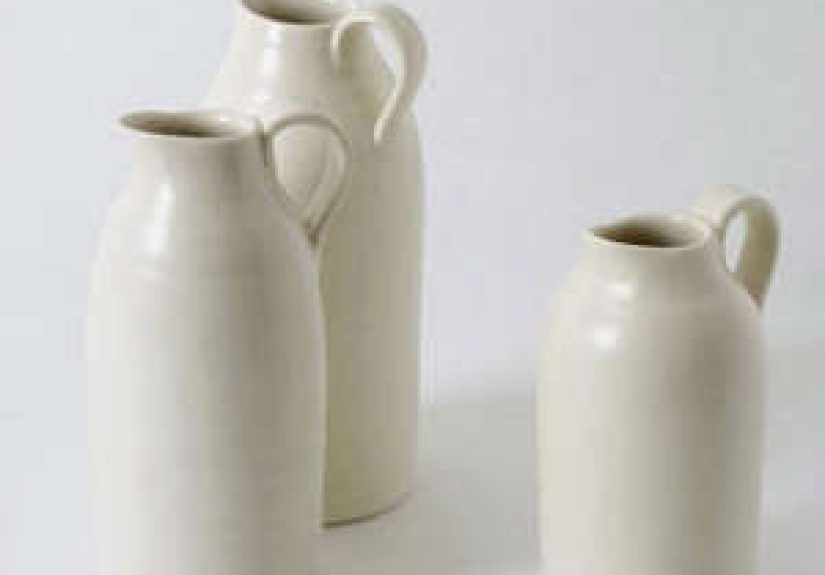
Originally admired for their hand-thrown porcelain construction and satin-matte finish, these pouring jugs captured the very thing people want from a well-styled table: beauty without fuss. They feel thoughtful, not precious; sculptural, but not bossy. And in a world where too many home goods are trying to be “statement pieces” with the subtlety of a marching band, that restraint feels refreshingly grown-up.
What makes Hygge & West pouring jugs so compelling is not just the product itself, but the design philosophy around it. Hygge & West built its name around well-designed home decor with an artistic point of view, and these jugs fit neatly into that sensibility. They reflect the same values that make good tabletop design work in real life: tactile materials, useful forms, and a mood that leans cozy rather than showy. In other words, they are exactly the sort of tabletop accessory that makes even tap water feel a little better dressed.
Why These Pouring Jugs Still Feel Relevant
Trends come and go. One year everything is ruffled, the next year everything is ribbed, and then suddenly we are all pretending we always wanted cabbage-shaped dinnerware. But certain forms endure because they solve a real design problem. A good pouring jug offers function, flexibility, and visual softness all at once.
The Hygge & West version stood out because it balanced utility and artistry. A hand-thrown porcelain jug has slight variation, which means it does not look factory-flat or lifeless. That matters more than people realize. On a dining table, especially one with neutral linens, wood tones, or simple ceramics, a piece with subtle handmade character adds warmth without clutter. It gives the eye something to enjoy, but it does not hijack the meal.
That balance also aligns beautifully with the broader idea of hygge: comfort, contentment, and the gentle pleasure of simple things done well. A tabletop object does not need to be flashy to feel special. Sometimes the most memorable thing on the table is the piece that looks good holding lemonade at lunch, water at dinner, and flowers the next morning.
The Power of Hand-Thrown Porcelain
Porcelain has a way of making everyday rituals feel cleaner and calmer. It is refined without being fussy, especially when it is finished in a soft matte glaze instead of something shiny and restaurant-loud. That satin surface gives a pouring jug a tactile appeal. You want to pick it up. You want to use it. And that, frankly, is the whole point of good design.
Hand-thrown work also introduces the kind of tiny irregularities that make a piece feel human. Not defective. Human. The curve of the lip, the weight in the handle, the slight softness of the body shape; these details can turn a basic vessel into something with personality. It is the difference between a jug that merely pours and one that participates in the atmosphere of the room.
Why White Still Wins
If color is the extrovert of tabletop styling, white is the cool friend who never has to try too hard. A white porcelain pouring jug works in almost any setting: Scandinavian-inspired, farmhouse-leaning, modern organic, minimalist, coastal, or the increasingly popular “I just threw this together but somehow it looks magazine-ready” look.
White also lets the contents do the talking. Fill the jug with orange juice, and it looks cheerful. Fill it with water and lemon slices, and it looks crisp. Add a handful of ranunculus or peonies, and suddenly it becomes a centerpiece. The vessel adapts while the table shifts with the season. That kind of versatility is not just practical; it is smart decorating.
How to Style Hygge & West Pouring Jugs on a Tabletop
The best thing about a piece like this is that it does not need a grand plan. In fact, the less you overthink it, the better it tends to look.
For everyday meals, place the jug at the center of the table with chilled water, iced tea, or juice. Let it sit near a stack of linen napkins and a bowl of fruit, and you instantly have a casual setup that feels intentional. It says, “Yes, we live here,” but in a charming way, not in a “please ignore the mail pile” way.
For weekend brunch, use the jug with fresh flowers instead of drinks. Loose stems work better than a stiff bouquet. A tabletop styled with a ceramic jug, soft blooms, and a few candles feels welcoming without looking over-produced. This is where the Hygge & West aesthetic really shines: warm minimalism with enough personality to keep things from feeling sterile.
For holidays and seasonal entertaining, the same jug can shift roles again. In spring, fill it with tulips or branches. In summer, use it for lemonade or sangria. In fall, try berry branches, eucalyptus, or even dried grasses. In winter, it can hold simple evergreen cuttings on a breakfast table and still look elegant. That year-round usefulness is exactly why a humble pouring jug earns more love than trendier tabletop pieces that only leave the cabinet twice a year.
Use It Beyond the Dining Table
One of the quiet joys of a well-made jug is that it never stays in one room for long. On an open kitchen shelf, it softens the lines of plates and glassware. On a coffee table, it can hold a few stems and make the whole room feel more alive. On a bedside table, it becomes a water pitcher with hotel energy, minus the hotel bill. Even on a counter, it works as a utensil holder if you are going for that collected, lived-in kitchen look.
This kind of cross-room usefulness matters because modern decorating is increasingly less about matching sets and more about multifunctional pieces with character. A pouring jug that can move from bar cart to dining table to windowsill is simply better value than a decorative object that just sits there looking expensive and emotionally unavailable.
What Makes This Style So Appealing in American Homes
Part of the appeal is timing. American tabletop style has shifted away from perfectionism and toward layered, personal, slightly relaxed entertaining. People still want beauty, but they want it to feel livable. That is why pitchers, vases, and serving pieces that can do double duty have become so attractive. They bring shape to a table without demanding a formal dinner party every time they show up.
The Hygge & West pouring jug style fits that mood perfectly. It brings the calm of Scandinavian-inspired design, but it does not feel cold. It looks at home with wood boards, wrinkled linen, handmade plates, and mismatched glasses. It also plays nicely with more colorful or whimsical tables, which is important now that tabletop trends have become more expressive and less rigid.
In practical terms, this means the jug works whether your taste runs pared-back or playful. You can pair it with neutral ceramics and beeswax candles for a serene, almost meditative table. Or you can let it act as the visual pause between striped napkins, colorful plates, and a fruit bowl that looks like it has opinions. Either way, it holds the look together.
If You Love This Look, Here Is What to Look for Today
Even if the original Hygge & West pouring jugs are not what you are actively shopping for now, the design lesson remains useful. When hunting for a similar piece, start with silhouette. Look for a shape that feels clean and balanced, not clunky. A good jug should have a body with enough presence to stand alone, but not so much bulk that it starts looking like gym equipment.
Next, pay attention to finish. Matte or satin glazes tend to feel more modern and tactile than ultra-glossy ones. They also photograph beautifully, which is not everything, but let us not pretend nobody cares. A softly finished porcelain or stoneware jug tends to look elegant in daylight and cozy by candlelight. That is a rare double win.
Then there is scale. Small jugs are charming for milk, cream, or a few sprigs on a side table. Medium jugs are the workhorses: drinks, flowers, shelf styling, you name it. Larger jugs can be dramatic, but only if you actually have the table space for them. Buying the wrong size is how people end up with gorgeous objects that somehow always feel slightly in the way.
Finally, do not ignore comfort. The handle should feel secure, the spout should pour cleanly, and the piece should be easy to move from sink to table. Design is not just how something looks in a styled photo. Design is how gracefully it behaves when you are half-awake and trying to pour orange juice before coffee has fully entered the chat.
The Bigger Design Lesson Behind the Jug
Really, the popularity of pieces like this comes down to one larger truth: people want their homes to feel softer, more useful, and more personal. A pouring jug may seem minor, but tabletop design is built from these small decisions. The vessel you choose for water. The bowl you choose for lemons. The candleholder that is a little uneven in the best way. These are the things that turn a table from functional to memorable.
Hygge & West has long worked in that emotional territory, where design is meant to be lived with and enjoyed. That is why these pouring jugs still resonate. They are not trying to be viral. They are trying to be good. And, honestly, that may be the chicest thing about them.
A Longer Reflection: The Experience of Living With a Pouring Jug
There is something strangely satisfying about owning a beautiful pouring jug, especially one that does not scream for attention but somehow makes the whole room behave better. You set it on a table, and suddenly the salt cellar looks intentional, the napkins look fluffier, and even the plain water in the glasses seems to have improved its attitude. That is the kind of domestic magic a piece like this brings.
What I like most about the idea of a Hygge & West-style pouring jug is that it changes the mood of ordinary moments. Breakfast becomes less of a survival exercise and more of a scene. A quick lunch at the kitchen table feels less random when there is a ceramic jug filled with water and lemon slices nearby. In the evening, the same piece can hold a few branches or a loose bunch of flowers and make the room feel as though you planned ahead, even if you absolutely did not.
That is the sneaky genius of tabletop objects with real range. They support the fantasy of effortless living while still being useful enough for actual life. A good jug can be part of a holiday table, but it is arguably even better on a Tuesday. It makes everyday hospitality feel easier. You do not need a huge dinner party to justify it. You just need a meal, a surface, and a tiny bit of willingness to make things feel nicer than strictly necessary.
There is also a tactile pleasure to it that photographs cannot fully capture. The feel of matte ceramic in your hand is different from glass or metal. It is warmer, softer, quieter. When you carry it from counter to table, it feels stable and grounded. When you wash it and put it back on the shelf, it still looks like decor. Few kitchen objects earn their keep so consistently.
I think that is why pouring jugs keep showing up in stylish homes and well-loved kitchens. They bridge utility and atmosphere. They are not just for pouring. They are for signaling a kind of home life, one where simple rituals get a little more attention. Water is served in something lovely. Flowers go in whatever vessel is closest, and somehow that vessel is perfect. Guests help themselves. The table looks relaxed. Nothing is too formal. Nothing is too precious.
And perhaps that is the real appeal of the Hygge & West tabletop mood. It is aspirational, but not ridiculous. It invites comfort instead of performance. It suggests that design should help us enjoy where we are, not pressure us to stage-manage every corner of the room. A pouring jug may be small in the grand scheme of interiors, but it represents a bigger idea: that home can be edited, warm, and beautiful without losing its usefulness.
So yes, it is just a jug. But it is also not just a jug. It is the thing that turns flowers into a centerpiece, cold water into a small luxury, and a regular table into a place you want to linger. In the end, that may be why pieces like this stay with people. They do not just decorate a meal. They improve the feeling around it. And that is exactly what the best tabletop design is supposed to do.
Conclusion
Tabletop: Hygge & West Pouring Jugs is really a story about why modest, beautifully made objects endure. These jugs are memorable not because they are loud, but because they solve several design needs at once. They pour. They style. They soften a table. They hold flowers. They move easily from season to season and room to room. Most importantly, they embody a kind of warm restraint that feels timeless in American homes.
If your idea of good decorating is less about cluttering every surface and more about choosing a few pieces that work hard and look great doing it, this is exactly the kind of tabletop object worth noticing. Whether you are styling a brunch table, setting out drinks for friends, or simply trying to make an ordinary weekday dinner feel a little more special, a well-made ceramic jug is one of those small home upgrades that pays you back every time you use it.