Table of Contents >> Show >> Hide
- Typical Chimney Repair Costs (U.S. Price Ranges)
- What Drives Chimney Repair Costs Up (or Down)
- Cost Breakdown by Repair Type (What You Might Actually Need)
- Chimney cap: the small part that prevents big headaches
- Chimney crown: the “umbrella” that cracks first
- Flashing: the most common cause of “mystery leaks”
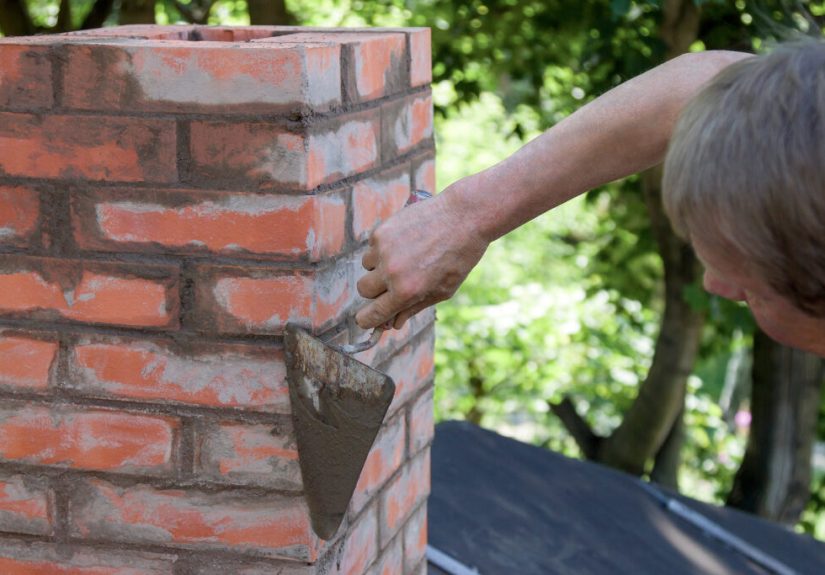
- Tuckpointing / repointing: restoring mortar joints
- Spalling bricks and masonry replacement
- Flue liner repair or replacement: one of the biggest-ticket items
- Smoke chamber repair / parging
- Partial rebuild vs. full rebuild
- How to Tell If Your Chimney Needs Repair (Before It Gets Expensive)
- Inspection First: The Smartest Money You’ll Spend
- How to Get a Fair Chimney Repair Quote (and Avoid Regret)
- Can You DIY Chimney Repairs?
- How to Lower Chimney Repair Costs Over Time
- Bottom Line: What Should You Budget?
- Homeowner Experiences: What Chimney Repair Costs Feel Like in Real Life (About )
- Conclusion
Your chimney is basically your house’s “exhaust pipe.” When it’s happy, smoke goes out, your fireplace behaves, and nobody smells yesterday’s campfire
inside the living room. When it’s not happy… well, it still “exhausts,” just not always in the direction you prefer. And that’s when the big question
hits: How much is this going to cost me?
Chimney repair costs can be as small as a quick fix (think: replacing a cap) or as big as a full rebuild (think: “Why is my chimney auditioning to be
the Leaning Tower of Pizza?”). The good news: most homeowners don’t end up at the extreme end. The better news: if you catch issues early, your wallet
gets to keep more of its personality.
Typical Chimney Repair Costs (U.S. Price Ranges)
These are common ballpark ranges for professional chimney work in the United States. Local labor rates, roof access, chimney height,
and the severity of damage can move your final quote up or down.
| Service / Repair | Typical Cost Range | What You’re Paying For (In Plain English) |
|---|---|---|
| Chimney inspection | $100–$600+ | Evaluating the system for safety and damage; advanced inspections can cost more |
| Chimney cleaning (sweeping) | $120–$390+ | Removing soot/creosote buildup and checking for obvious issues |
| Chimney cap replacement | $150–$350 | Keeping out rain, animals, and debris; improving draft and spark control |
| Flashing repair / reseal | $200–$1,000+ | Stopping roof leaks where the chimney meets shingles |
| Chimney crown crack repair | $300–$2,200 | Sealing or repairing a cracked crown to prevent water damage |
| Chimney crown replacement | $750–$3,000+ | Rebuilding the crown if it’s too far gone for patching |
| Tuckpointing / repointing (mortar repair) | $500–$2,500 (often) | Replacing failing mortar joints to restore strength and block water intrusion |
| Tuckpointing cost per sq. ft. (common quote style) | $10–$25 per sq. ft. | Pricing based on how much chimney surface needs mortar work |
| Waterproofing (chimney sealant) | $200–$500 | Breathable water-repellent treatment to reduce moisture absorption |
| Smoke chamber repair / parging | $1,000–$2,000+ | Smoothing and sealing the smoke chamber to improve safety and performance |
| Flue liner repair / relining | $625–$7,000 (avg. often around $2,500) | Repairing or replacing the liner that protects masonry and improves venting |
| Partial chimney rebuild | $1,500–$4,000 (common) | Rebuilding damaged sections above the roofline or targeted structural areas |
| Full chimney rebuild / replacement | $3,100–$15,400+ | Major structural replacement; varies by material (brick/stone), height, access |
Reality check: You might see “average” chimney repair numbers floating around online, but averages are like soupevery pot tastes
different depending on what got thrown in. Your chimney’s “ingredients” (height, roof pitch, brick condition, liner type) matter.
What Drives Chimney Repair Costs Up (or Down)
Chimney estimates can feel mysterious until you break them into a few repeatable factors. Here’s what most pros are calculating when they hand you a quote:
1) Height, roof pitch, and access
A single-story home with a gentle roof is usually cheaper to service than a steep, multi-story roof where crews need extra safety equipment or staging.
Translation: the harder it is to reach, the more you pay for labor time and setup.
2) The type of chimney you have
Masonry chimneys (brick/stone) are durable but can be labor-intensive to repair. Metal or prefabricated systems may have different failure points (like
joints, chase covers, or corrosion) and sometimes different pricing.
3) Water damage (the sneakiest budget buster)
Water is the #1 long-term enemy. A small leak can quietly cause mortar failure, spalling bricks, rusted dampers, stained walls, and even framing damage
near the chimney. Fixing the “why” (flashing/crown/cap) early is often far cheaper than fixing the “what happened after.”
4) Liner problems and safety upgrades
Flue liner work can be pricey because it’s specialized and may require resizing or relining to match appliances. It’s also one of the most important
safety components, so corners shouldn’t be cut.
5) Scope creep (also known as “while you’re up there…”)
It’s common to start with one visible issue (like a cracked crown) and discover related damage (like deteriorated mortar joints or a missing cap).
A thorough inspection helps avoid surprise add-ons mid-project.
Cost Breakdown by Repair Type (What You Might Actually Need)
Let’s walk through the most common repairs and what they typically costplus what triggers each repair in the first place.
Chimney cap: the small part that prevents big headaches
If your chimney is missing a cap, you’re basically running an open invitation for rain, leaves, and curious animals. Caps are usually among the more
affordable fixes (often a few hundred dollars) and can prevent water damage that costs thousands later.
Chimney crown: the “umbrella” that cracks first
The crown is the sloped top surface that sheds water away from the chimney. Small cracks can often be repaired or sealed; larger damage may require
replacement. Costs vary widely because a simple seal-up is very different from rebuilding a badly deteriorated crown.
Flashing: the most common cause of “mystery leaks”
Flashing is the metal system that seals the gap where the chimney meets the roof. If you see water stains on ceilings/walls near the chimney, peeling paint,
or damp attic insulation, flashing is a prime suspect. Sometimes it’s a reseal; sometimes sections must be replaced. Roof complexity can push the price up.
Tuckpointing / repointing: restoring mortar joints
Mortar joints take a beating from freeze-thaw cycles and moisture. Tuckpointing replaces failing mortar and helps stabilize the chimney while limiting water entry.
Many projects land in the mid-hundreds to low-thousands, but large chimneys or severe deterioration can cost more. Pros often quote by the square foot.
Spalling bricks and masonry replacement
Spalling happens when moisture gets into brick, then freezes and expands, causing the brick face to flake or crumble. If only a few bricks are affected,
replacement can be targeted. If spalling is widespread, you may be looking at a partial rebuild.
Flue liner repair or replacement: one of the biggest-ticket items
A chimney liner protects the home from heat transfer and helps vent smoke and combustion gases. Relining can range from under a thousand dollars to several
thousand depending on material and complexity. Stainless steel liners are common; cast-in-place options can be more expensive. If you’re switching appliances
(like adding a gas insert), liner needs can change.
Smoke chamber repair / parging
The smoke chamber funnels smoke from the firebox into the flue. Cracks, rough surfaces, or gaps can reduce performance and raise safety concerns.
Repair often involves parging (smoothing/sealing with mortar) and can run in the low thousands.
Partial rebuild vs. full rebuild
If the chimney above the roofline is unstable, leaning, or severely deteriorated, rebuilding sections may be safer and ultimately more cost-effective than
patching repeatedly. Full rebuilds are the most expensive category because they combine demolition, masonry work, materials, and access challenges.
How to Tell If Your Chimney Needs Repair (Before It Gets Expensive)
You don’t need x-ray visionjust a quick checklist of common warning signs:
- Water stains on walls/ceilings near the chimney or damp smells after rain
- White powdery residue on bricks (efflorescence), often a moisture clue
- Flaking or crumbling brick (spalling), especially near the top
- Rusty firebox components (damper, doors), often linked to excess moisture
- Cracked crown or missing/damaged cap
- Loose bricks or missing mortar you can spot from the ground
- Smoke backing up, poor draft, or a fireplace that suddenly “acts different”
Inspection First: The Smartest Money You’ll Spend
If you’re wondering whether you need a repair, start with a professional inspectionespecially if you’re buying a home, had a chimney fire,
changed appliances, or suspect hidden damage.
Why inspections matter
A basic inspection can catch small issues before they become big ones. More advanced inspections may include camera scanning of the flue and a deeper look
at accessible areas (attic, crawl spaces, roofline) that a quick glance can miss.
How often should you inspect?
Many safety organizations and industry standards recommend at least an annual inspection for chimneys, fireplaces, and ventsespecially before heavy use season.
Even if you rarely use your fireplace, animals, moisture, and shifting materials don’t care about your holiday schedule.
How to Get a Fair Chimney Repair Quote (and Avoid Regret)
Chimney repairs aren’t the place to shop on price alone. You’re dealing with fire, carbon monoxide venting, and roof penetration pointsbasically a trifecta
of “please do this correctly.” Here’s how to keep your estimate honest without turning into a full-time detective.
Ask for an itemized estimate
- Inspection findings (what’s damaged and where)
- Materials (cap type, flashing metal, mortar type, liner material)
- Labor scope (repair vs. replacement, square footage, demolition needs)
- Access needs (ladders, staging, lift equipment)
- Cleanup and disposal
- Warranty details (what’s covered and for how long)
Get 2–3 quotes for anything over “minor repair” territory
For a simple cap replacement, one quote may be fine. For tuckpointing, liner work, or rebuilding, multiple bids can help you understand the true scope
and spot outliers.
Watch for scammy red flags
Be cautious with unsolicited door-to-door chimney “inspections,” super-low teaser prices, pressure tactics (“Your house is unsafesign today!”),
or vague quotes without clear documentation. Reputable pros can explain findings in plain language and show you what they’re seeing.
Can You DIY Chimney Repairs?
For most homeowners, the safest and smartest answer is: limit DIY to observation and maintenance scheduling, and leave repairs to licensed,
qualified professionals. Chimney work often involves roof access, masonry hazards, and safety-critical components (like liners and venting pathways).
What you can do safely:
- Do a ground-level visual check for obvious damage (missing cap, crumbling mortar, leaning stack)
- Track leaks and stains (when they appear, after what weather)
- Schedule annual inspection/cleaning before peak season
- Keep records and photos to compare year over year
How to Lower Chimney Repair Costs Over Time
Chimney repairs are one of those “pay now or pay a lot more later” categories. A few habits can reduce your chances of expensive surprises:
- Annual inspection + regular cleaning: keeps creosote and damage from stacking up (literally)
- Fix water entry points early: cap, crown, and flashing issues get worse fast
- Use seasoned wood: reduces creosote buildup and improves burning efficiency
- Consider waterproofing: a breathable sealant can help masonry resist moisture
- Don’t ignore small cracks: small masonry issues are cheaper than rebuilds
Bottom Line: What Should You Budget?
If you want a practical budgeting shortcut:
- $200–$600: inspection/cleaning or very minor fixes
- $300–$1,500: common repairs like cap, small crown work, minor flashing, limited mortar repair
- $1,500–$4,000: bigger projects like extensive tuckpointing, smoke chamber work, or partial rebuilds
- $3,100–$15,000+: major structural rebuilds or full chimney replacement
The real money-saving move is timing: addressing water and mortar issues before they spread is almost always cheaper than waiting until bricks fail or the
stack becomes structurally unsafe.
Homeowner Experiences: What Chimney Repair Costs Feel Like in Real Life (About )
Numbers are helpful, but real life is what happens when you’re holding a mug of coffee, staring at a water stain, and thinking,
“Please don’t be the expensive kind of problem.” Here are a few common, realistic scenarios (composite examples based on typical contractor findings)
that show how chimney repair costs play out for homeowners.
Experience #1: “It’s just a cap… right?”
A homeowner notices occasional smoky smells on windy days and hears faint scratching sounds (the kind that makes you wonder if a squirrel has moved in and
started paying rent). An inspection reveals a missing or damaged chimney cap and debris in the flue. The fix is straightforward: replace the cap and clean
the chimney. Total cost lands in the “thankfully manageable” rangetypically a few hundred dollarsplus peace of mind that animals and rain aren’t treating
the chimney like a vacation rental. The lesson: small parts matter, and caps are cheaper than water damage.
Experience #2: The sneaky leak that wasn’t “a roof problem”
Another homeowner sees a brown ring forming near the fireplace wall after heavy rain. Their first thought is the roof. Their second thought is denial.
A chimney-focused inspection points to failing flashing and gaps where sealant has aged out. Because the leak was caught early, the repair is mostly flashing
work and sealingoften somewhere between a few hundred and around a thousand dollars depending on roof complexity. The homeowner also chooses a small masonry
touch-up for a couple of weathered mortar joints “while the crew is already there,” adding a bit more cost but preventing a future callback.
The lesson: chimney leaks often masquerade as generic roof leaks, and early detection keeps the repair from ballooning.
Experience #3: Crown cracks turn into a budgeting wake-up call
A cracked crown is easy to ignore because it’s literally above your headout of sight, out of mind. One homeowner delays for a couple seasons, then notices
flaking brick faces near the top (spalling). Now the quote isn’t just a seal-up; it may include crown repair or replacement and additional masonry work.
Costs can shift from the lower hundreds into the low thousands depending on severity. If replacement is needed, the number climbs. The lesson: crowns are
like umbrellaswhen they fail, everything underneath gets soaked.
Experience #4: The liner surprise (a big one, but sometimes unavoidable)
Liner issues often show up during a deeper inspectionespecially when a home changes hands or the heating appliance changes. A homeowner installing a new
insert learns the existing liner is damaged or not suitable for the new setup. The quote is suddenly in the thousands, commonly around a few thousand for
many relining projects, but potentially higher for complex chimneys or premium liner systems. It’s not the fun kind of upgrade, but it’s one that directly
affects safety and proper venting. The lesson: liner work is one of the most expensive repairs, but it’s also one of the most important to get right.
Across all these stories, the pattern is consistent: water and time are what turn modest repairs into major ones. The cheapest chimney repair
is the one you do before the chimney starts charging you interest.
Conclusion
Chimney repair costs can range from small, affordable fixes to major structural work, but most homeowners land somewhere in the middleespecially when they
stay ahead of water intrusion and mortar deterioration. Start with a quality inspection, fix the parts that keep water out (cap, crown, flashing), and treat
liner issues with the seriousness they deserve. Your chimney may never send you a thank-you note, but it will reward you with safer fires, fewer leaks,
and one less home headache.