Table of Contents >> Show >> Hide
- Why White + Dusty Green Works So Well
- Pick the Right Fabric First (Your Future Self Will Thank You)
- Tablecloth Sizing 101: The “Drop” Is the Whole Game
- Styling a White-and-Dusty-Green Tablecloth Like a Pro
- Care and Cleaning: Keep It Nice Without Losing Your Weekend
- What “Made in Bangladesh” Can Mean for This Tablecloth
- Online Shopping Tips for a White w/ Dusty Green Tablecloth
- Quick Buying Checklist
- of Experience: Real-Life Moments With a White-and-Dusty-Green Tablecloth
- Conclusion: A Tablecloth That Looks Calm Even When Life Isn’t
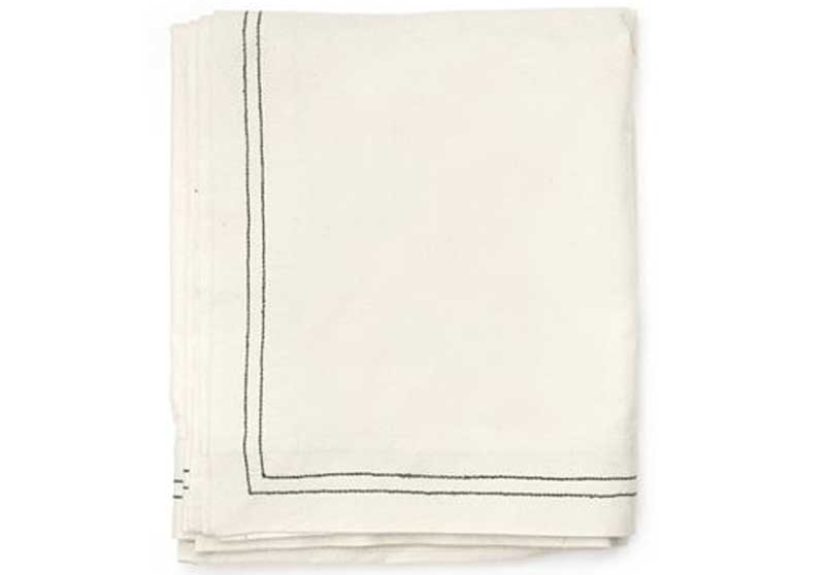
A white tablecloth with dusty green accents is the decorating equivalent of ordering “still water” at a fancy restaurant:
simple, classy, and somehow it makes everything around it look more expensive.
Add “Made in Bangladesh” to the label and you’ve got a piece that can be both stylish and meaningfulbecause Bangladesh
is deeply connected to the global textile supply chain.
This guide breaks down how to choose the right fabric, size it correctly, style it like you meant to, and keep it clean
even when your guests treat gravy like a beverage. We’ll also cover what “Bangladesh” can imply in product listings,
and how to shop smarter if you’re buying online.
Why White + Dusty Green Works So Well
White is the ultimate “reset button” color: it brightens a room, makes place settings pop, and feels fresh in every season.
Dusty green adds the part that makes it interestingsoft, earthy, and calm, without screaming “I bought this because a
paint brand told me to.”
Together, they land in a sweet spot: clean enough for weddings and holidays, relaxed enough for Tuesday night tacos.
Dusty green also pairs easily with warm woods, brass, matte black, and natural fibers (jute, rattan, stoneware).
If your dining space swings modern, farmhouse, coastal, or “I’m figuring it out,” this palette won’t fight you.
Pick the Right Fabric First (Your Future Self Will Thank You)
Linen: The “Effortlessly Elegant” Option
Linen tablecloths are loved for good reason: they drape beautifully, breathe well, and look better with a little lived-in character.
They do wrinkle (that’s part of the charmthink “European café,” not “crumpled receipt”).
Linen also tends to be durable when it’s well-made, which is why many reviewers and testers consistently rank it highly for everyday
and entertaining use.
Best for: dinner parties, holidays, photos, and anyone who says the phrase “tablescape” without irony.
Cotton: Soft, Familiar, and Often Easier to Live With
Cotton tablecloths are a great everyday choice because they’re comfortable, usually more affordable than pure linen,
and generally straightforward to wash. The main trade-offs: cotton can stain, shrink, or wrinkle depending on weave and finish,
and lower-quality cotton may show wear sooner than premium linen.
Best for: families, frequent use, casual meals, and people who refuse to hand-wash anything that isn’t a newborn.
Cotton Blends: The “Less Wrinkle, Less Drama” Middle Ground
Cotton-poly blends (or linen blends) can reduce wrinkling and sometimes improve stain resistance or easy-care performance.
If you love the look of natural fibers but want fewer ironing negotiations, blends can be a practical compromise.
Best for: busy households, rental properties, event hosting, and anyone who owns an iron but resents it.
Finishes and Features That Matter
- Tight weave: typically holds up better and can be easier to clean.
- Hem stitching and mitered corners: small details that often signal higher construction quality.
- Prewashed fabric: can feel softer out of the package and may shrink less later (check the label).
- Colorfast dyeing: especially important for dusty green accents so the tone stays consistent over time.
Tablecloth Sizing 101: The “Drop” Is the Whole Game
The drop (also called overhang) is how far the tablecloth hangs down from the tabletop edge. Too short and it looks like a napkin had ambitions.
Too long and it becomes a tripping hazard that doubles as a toddler tug toy.
Common drop guidelines
- Casual: about 6–8 inches of drop on each side
- Dressier / formal: about 8–12 inches of drop on each side
- Statement / floor-length: much longer drops for dramatic occasions (beautiful, but plan your foot traffic)
The simple sizing formula
Tablecloth size = table size + (2 × desired drop)
Example (rectangular table)
Your table is 60″ long × 36″ wide. You want a 10″ drop.
Add 20″ to each dimension: you’re looking for about 80″ × 56″.
Example (round table)
Your table is 48″ round. You want a 10″ drop.
Add 20″: you’re looking for about a 68″ round tablecloth.
If your product is listed as “White w/ Dusty Green,” pay attention to where the dusty green sits.
A green border near the hem looks best when the drop is long enough for that detail to actually show.
Styling a White-and-Dusty-Green Tablecloth Like a Pro
1) Everyday dining: clean, cozy, not fussy
Keep it simple: white base, dusty green accent, and natural textures.
Try stoneware plates, clear glasses, and a small centerpiece (a bowl of citrus, a vase of greenery, or a single candle).
Dusty green plays well with woodso if your table is oak, walnut, or reclaimed, you’re already winning.
2) Dinner parties: make the green do the talking
Use the dusty green as your “anchor” color:
- Dusty green napkins with white dishes
- Brass or gold-toned flatware for warmth
- Layer a runner over the tablecloth to add dimension (tone-on-tone greens look sophisticated)
Want a quick upgrade? Add height in the center with tapered candles or a low floral arrangement.
(Translation: it photographs well and convinces people you have your life together.)
3) Outdoor tables: the “garden party” shortcut
Dusty green feels right at home outsideespecially with woven placemats, rattan chargers, or simple white serving platters.
If wind is a factor, use discreet tablecloth clips or weight the corners with small décor pieces that still look intentional.
Care and Cleaning: Keep It Nice Without Losing Your Weekend
How often should you wash it?
For regular use, many cleaning and home-care experts suggest washing tablecloths periodically (often around monthly)
and handling spills quickly with spot treatment.
If you entertain a lot, have kids, or host spaghetti nights, adjust accordingly.
Stain triage: do this first (always)
- Blot, don’t rub: rubbing pushes stains deeper.
- Check the care label: temperature and bleach guidance vary by fabric.
- Don’t use high heat until the stain is gone: heat can set stains.
A practical stain “cheat sheet”
-
Grease (butter, dressing):
dab dish soap directly, let it sit briefly, then launder as allowed. -
Wine or coffee:
blot immediately, rinse from the back with cool water if possible, then treat before washing. -
Tomato sauce:
scrape excess gently, rinse cool, pre-treat, then wash using the warmest setting safe for the fabric. -
Set-in “mystery stain”:
a common home method recommended by cleaning experts uses a mixture of dish soap and hydrogen peroxide,
with extra caution for colored fabric (test first; dilute if needed).
Drying and ironing (a.k.a. the final boss)
Air drying is gentle and helps reduce shrink risk, especially for natural fibers.
Low-heat tumble drying can be fine for many table linens if the label allows it.
If you want a crisp look, iron while the fabric is slightly damp or use steam.
If you prefer the relaxed vibe, embrace the wrinkleslinen wrinkles are basically a personality trait.
Storage tips that prevent “mystery creases”
- Store clean and fully dry (even slightly damp linens can mildew).
- Use a breathable bag or container; avoid trapping moisture.
- Keep out of direct sunlight to protect color over timeespecially the dusty green.
What “Made in Bangladesh” Can Mean for This Tablecloth
Bangladesh is widely known for large-scale textile and garment manufacturing, and it also produces home textiles
like bed linens, towels, and table linens. When you see “Bangladesh” on a tablecloth listing, it often means the item
was produced in a country with deep expertise in textiles and global supply chain connections.
Why buyers should still do a quick quality check
“Made in Bangladesh” can cover a wide rangefrom budget basics to excellent craftsmanshipso shop the product, not the stereotype.
Look for:
- Fiber content: 100% linen, 100% cotton, or a blend
- Weave and weight: a tighter weave often holds up better
- Construction details: straight hems, reinforced corners, neat stitching
- Safety/chemical testing labels: some products carry well-known textile safety certifications indicating testing for harmful substances
- Responsible sourcing statements: credible brands often explain factory standards, audits, or labor programs
Bangladesh, trade, and “why it shows up everywhere”
Many U.S. consumers regularly buy textiles and apparel tied to Bangladesh’s manufacturing sectoroften without realizing it.
U.S. trade data resources track textiles and apparel imports/exports, and labor-rights organizations and industry groups
frequently discuss worker safety and standards connected to the region’s garment and textile ecosystem.
Online Shopping Tips for a White w/ Dusty Green Tablecloth
- Zoom into photos: look for tight weave, even stitching, and clean hems.
- Read reviews for “real life” info: shrinkage, staining, transparency, and how the color looks in daylight.
- Confirm the drop: measure your table, pick a drop, and match the listing dimensions.
- Know your white: “bright white” vs “soft white” can change the mood (and how it matches your dishes).
- Dusty green varies: it can lean gray-green, sage, olive, or even mintycompare customer photos if possible.
Quick Buying Checklist
- Choose fabric: linen for elegance, cotton for everyday ease, blends for less ironing.
- Pick your drop: 6–8″ casual, 8–12″ formal, longer for dramatic occasions.
- Match your space: dusty green pairs well with wood, brass, black, and natural textures.
- Plan for cleaning: pre-treat stains, avoid high heat until stains are gone.
- Check labels: fiber content, care instructions, and any safety/quality certifications.
of Experience: Real-Life Moments With a White-and-Dusty-Green Tablecloth
Picture a Saturday brunch where the table is doing half the hosting. The white base makes the room brighterlike you opened
every curtain and your house suddenly got a promotion. The dusty green detail feels calm and intentional, even if your menu
is just eggs, toast, and “we also have coffee, please don’t look in the sink.”
In a casual weeknight setup, this kind of tablecloth is surprisingly forgiving. White sounds scary until you realize it’s also honest:
it tells you exactly where the spill happened. That’s not a flaw; that’s a GPS. A quick blot, a little dish soap, and you’re back in business.
The dusty green helps hide minor wrinkles and adds enough color that the whole scene feels styledeven when you didn’t style it,
you just… placed food on the table and hoped for the best.
For a small dinner party, the color combo shines because it doesn’t compete with the meal. A white-and-dusty-green cloth can make
even takeout look “plated.” Add candles and suddenly everyone is talking slower, like the table demanded sophistication.
Dusty green napkins (or greenery in the center) tie the look together without requiring you to buy seventeen “coordinating pieces.”
The tablecloth is the coordinating piece. It’s the adult in the room.
Outdoors, it turns into a garden-party cheat code. Dusty green naturally echoes plants, and white keeps the whole setup light and airy.
If the breeze picks up, the cloth moves a little and looks charming rather than messyespecially if you chose a fabric with nice drape.
You might use small weights or clips at the corners, but if you do it subtly, it reads as “prepared” instead of “I have been personally
attacked by weather.”
And then there’s the holiday test: sauces, wine, candles, and that one guest who gestures while holding a plate.
A good tablecloth doesn’t prevent chaos; it survives it. With the right care routineblot fast, treat before heat,
wash according to the labelthis tablecloth can keep showing up year after year, looking like it belongs in the nice version of your life.
Which, honestly, might just be the one where dessert is served on real plates.
Conclusion: A Tablecloth That Looks Calm Even When Life Isn’t
A white tablecloth with dusty green accents is a smart, flexible choice: clean, soothing, and easy to style across seasons and occasions.
Get the fabric right for your lifestyle, measure for a drop that fits your vibe, and treat stains quickly (before the dryer turns them
into permanent memories). If the product is made in Bangladesh, approach it like any other textile purchase:
check construction, labels, and any credible certifications or sourcing claims. When you do, you’re far more likely to end up with a tablecloth
that feels beautiful, functional, and ready for real life.