Table of Contents >> Show >> Hide
- The Bathroom Call Heard Around Metropolis
- Why Rachel Brosnahan Made Sense for Lois Lane
- The Moment She Really Became Lois Lane
- A Modern Lois Lane Is Not a Damsel
- Research, Reporters, and the Pen-Chewing Details
- The Love Story Works Because the Worldviews Don’t Match
- Why the Funny Casting Story Actually Matters
- Additional Reflections: The Experience of Inheriting an Icon
- Conclusion
Every superhero story gets an origin. Some begin on a doomed planet. Some begin in a cornfield. And some, apparently, begin in a public bathroom in SoHo.
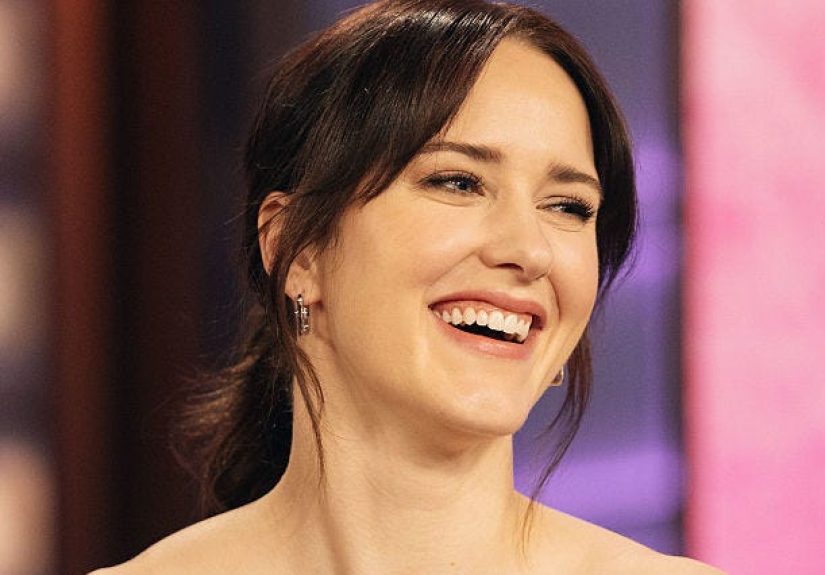
That is the deliciously unglamorous twist at the center of Rachel Brosnahan’s journey into Superman. Long before audiences saw her stride into Metropolis as a fast-talking, sharp-eyed, ethically stubborn Lois Lane, Brosnahan got the call from James Gunn in a restroom stall-adjacent setting and had one pressing concern: not sounding like she was accepting one of pop culture’s most iconic roles next to a flushing toilet. Reader, the toilet flushed anyway. If that is not the most Lois Lane way to enter a franchise, what is?
But the funny casting anecdote is only the appetizer. The real story is how Brosnahan took a role with decades of baggage, brilliance, and high expectations and made it feel modern without sanding off what made Lois famous in the first place. Her version is witty, driven, skeptical, ambitious, and just human enough to challenge Superman without turning into a prop in his story. In a movie built around idealism, power, and public scrutiny, Brosnahan’s Lois becomes the person who keeps the cape honest.
The Bathroom Call Heard Around Metropolis
The headline-grabbing detail is now part of modern superhero trivia: Brosnahan learned she had landed Lois Lane while standing in a public bathroom in SoHo. It is funny because it is so aggressively not cinematic. No swelling strings. No spotlight. No perfect close-up. Just a phone screen, a famous name, and the kind of panic that comes from realizing you are about to answer a life-changing call in a place with tile, echo, and terrible timing.
What makes that moment memorable, though, is not just the punchline. It captures the weird collision between ordinary life and Hollywood mythology. One minute, you are a person in line with strangers. The next, you are holding the keys to one of the most recognizable characters in comic-book history. Brosnahan has spoken about that call with the kind of humor that keeps a massive franchise from floating too far above the ground. That tone matters. Lois Lane has always worked best when she cuts through spectacle with intelligence and nerve, and Brosnahan’s own story of becoming Lois already sounds like the role was picking her style.
There is also something oddly perfect about an actress known for verbal precision, speed, and steel getting cast in chaos. Lois has never been polished in the boring sense. She is competent, yes, but she is also all momentum. She rushes toward the story, pushes past niceties, and asks the question everyone else is too nervous to say out loud. Brosnahan’s casting story feels like a backstage wink from the universe: welcome to Metropolis, now please ignore the plumbing.
Why Rachel Brosnahan Made Sense for Lois Lane
Brosnahan did not walk into Superman as a random pick from the casting hat. She arrived with a résumé that made the choice look smarter the more you thought about it. Her work has always balanced velocity with precision. She can be funny without getting flimsy, sharp without turning cold, vulnerable without collapsing into sentiment. That is a very Lois Lane toolkit.
She has also described the part as the “dream I didn’t know I had,” which feels especially revealing. Sometimes actors chase iconic roles because they want the crown. Brosnahan sounds more like someone who recognized the challenge and then felt the weight of how well it matched her instincts. She has said this Lois felt closer to herself than any character she had played before, not because she and Lois are identical, but because they share that restless mental energy: curiosity, perfectionism, quick thinking, and a need to stay one step ahead.
That last point matters. Lois Lane cannot just be charming. She has to feel like the smartest person in the room, or at least the most dangerous one with a notebook. Brosnahan brings that naturally. Her screen presence suggests a person who is always calculating, noticing, interrogating. Even when she is joking, you get the sense that she has already read the room, spotted the weak point, and drafted the follow-up question.
And then there is the legacy issue. Anyone who plays Lois steps into a line of performances that includes Margot Kidder, Teri Hatcher, Erica Durance, Amy Adams, and others who each bent the character toward a different era. Brosnahan did not pretend that history was not there. She has spoken warmly about Kidder in particular, and that is useful context because it tells you what kind of Lois interested her: not decorative, not passive, not orbiting Superman like a moon, but crackling with life.
The Moment She Really Became Lois Lane
If the bathroom call was the official casting moment, the emotional moment may have come elsewhere. Brosnahan has recalled sneaking a look at David Corenswet trying on the suit during the screen-test period and thinking, essentially, “There’s Superman.” That tiny flash of certainty says a lot about how actors build belief. Comic-book movies ask performers to react to impossible things with total sincerity. Sometimes the work begins when the impossible suddenly looks real.
That glimpse mattered because Lois and Superman do not work as separate victories. You cannot just cast a good Superman and then find a Lois later like she is office furniture with good lighting. James Gunn has openly emphasized that he was looking not only for the best Clark and the best Lois, but the best pairing. In other words, not just hero and reporter, but “Clois.” That chemistry is the engine, not the trim.
Brosnahan and Corenswet seem to understand that relationship as a clash of values wrapped inside attraction. Their version is not a coy secret-identity dance built on misunderstanding. Instead, the film throws them together at a point when they already know each other well enough to argue honestly. That gives Brosnahan room to play Lois not as a bystander to Superman’s morality, but as its sharpest tester.
A Modern Lois Lane Is Not a Damsel
One of the most useful things Brosnahan has said about the role is that Lois Lane has never really been a damsel in distress, at least not in the lazy way people sometimes remember her. That distinction is important. Needing help in a dangerous world is not the same thing as being weak. Lois has always had courage, and courage in her case usually arrives wearing sensible shoes and terrible work-life balance.
In Brosnahan’s telling, Lois is guided by journalistic ethics she refuses to compromise, even when love complicates the picture. That may be the most interesting thing about her in this version of Superman. She is not there to applaud the hero from the sidelines. She is there to ask whether what he did was right, whether his methods hold up, and whether good intentions excuse public consequences. A lesser film might treat that as romantic friction. A smarter one recognizes that Lois’s skepticism is part of why she matters.
This dynamic gives Brosnahan’s performance its modern edge. In a culture that often confuses sincerity with naivete and cynicism with sophistication, Lois becomes the person who pressure-tests Superman’s idealism. She is not anti-hope. She is anti-spin. That is a very reporter distinction, and Brosnahan leans into it beautifully.
Research, Reporters, and the Pen-Chewing Details
One of the more charmingly nerdy parts of Brosnahan’s preparation is how practical it was. She did not stop at reading the script and calling it a day. She interviewed journalists from different beats and used their habits to build Lois from the ground up. That research reportedly informed everything from Lois’s ethics to her vices to the visual clutter of her apartment.
It turns out the road to a convincing Lois Lane may be paved with grab-and-go snacks, too many pens, and the inability to sit down for a full meal. Brosnahan imagined Lois as someone so consumed by work that she lives on convenience food and keeps writing tools everywhere. She even developed a pen-chewing habit for the character. That is the kind of tiny behavior that does not show up in a trailer but can make a performance feel lived-in.
And that is the secret sauce here. Brosnahan is not just playing “iconic female reporter.” She is trying to make Lois look like an actual modern journalist with stress habits, standards, appetites, routines, and blind spots. The result is a character who feels less like a museum piece and more like the terrifyingly competent person in your newsroom who already filed the story, fixed your headline, and stole your favorite pen.
The Love Story Works Because the Worldviews Don’t Match
One reason Brosnahan’s take has generated so much interest is that the Lois-Clark relationship in this film seems built on tension rather than pure fantasy. According to comments surrounding the film’s major interview scene, the two characters have been together for only a few months. That is an ideal dramatic sweet spot: enough intimacy to matter, enough uncertainty to spark conflict, and enough attraction to make every disagreement feel a little dangerous.
Brosnahan has described Lois as someone who questions everything and everyone, while Superman sees the beauty in people first. There it is: the whole romantic equation in one neat package. She doubts; he trusts. She interrogates; he believes. She spots the ethical leak before the ship even hits the water; he wants to save everybody on board. Put those two in the same apartment and something interesting is bound to happen.
That is why the interview scene matters so much. Lois is not impressed by power for power’s sake. She is interested in accountability, consequences, and the truth hiding behind the symbol. When she presses Superman with hard questions, she is not being cruel. She is being Lois. And if Superman wants to be loved by Lois Lane, he cannot just be strong. He has to withstand scrutiny.
Why the Funny Casting Story Actually Matters
It would be easy to reduce this whole story to a viral anecdote. Rachel Brosnahan got the call in a public bathroom. Everybody laughs. Internet wins. But the reason the detail has legs is that it sneaks a very human note into a giant franchise machine. It reminds people that iconic roles are still taken on by real actors with nerves, weird timing, and ordinary lives.
More importantly, it mirrors what makes Lois Lane enduring. She is the mortal in the room. She does not fly. She does not shoot laser beams. She cannot punch a hole through a wall unless the drywall is emotionally unstable. What she has is nerve, intellect, and the refusal to be dazzled into silence. Brosnahan’s entrance into the role, messy and funny as it was, feels on-brand because Lois has always been the person who drags myth back to earth and starts asking better questions.
That is the biggest reason Brosnahan’s casting works. She seems to understand that Lois is not there merely to humanize Superman. Lois has her own gravity. She changes the room. She changes him. And in this version, she appears to do it not by standing beneath the cape in awe, but by standing eye to eye with it and asking whether the story checks out.
Additional Reflections: The Experience of Inheriting an Icon
There is a special kind of pressure that comes with playing a character everyone thinks they already know. It is not like joining a small indie drama where audiences meet the person at the same time you do. With Lois Lane, people show up carrying decades of memory. They remember old movies, TV versions, comic runs, animated series, favorite line readings, favorite haircuts, favorite chemistry, favorite newsroom chaos. They are not just meeting your performance. They are comparing it, consciously or not, to a whole museum of past Loises rattling around in their heads.
That is what makes Brosnahan’s experience especially interesting. She was not simply cast in a blockbuster. She was asked to inherit an argument. What should Lois Lane be now? Should she be flirty? Severe? Warm? Chaotic? Hyper-competent? Softened? Sharpened? Traditional? Reinvented? The answer, in the best performances, is usually some messy mix of all of the above. Brosnahan seems to have realized that the only way through the pressure was not to run from the character’s history, but to find the parts of Lois that still feel urgently alive.
You can see that in the way she talks about journalism, ethics, and obsession. She is not treating Lois like a relic from a cleaner media age. She is treating her like a person who would still burn through a notebook, overwork herself, miss lunch, chase a quote, and challenge authority even when that authority can fly. That instinct brings the role down from the pedestal and back into the bloodstream.
There is also something refreshing about how Brosnahan approaches scale. A movie like Superman comes with visual effects, global press, franchise expectations, fan debates, and enough online opinion to power a small city. Yet the most compelling parts of her process are the smallest ones: meals with a co-star before filming, chats with reporters, details about snack wrappers and pens, the brief glimpse of a suit, the strange silence before a toilet flush. Those are not just cute behind-the-scenes details. They are proof that even the biggest characters are built from tiny decisions.
And maybe that is the real experience at the heart of Brosnahan becoming Lois Lane. Not the sudden phone call, though that is great cocktail-party material forever. Not even the screen test. It is the gradual realization that iconic characters are not revived by reverence alone. They come alive when an actor is curious enough to ask how they move through a room, what they reach for when stressed, what they believe when love and principle collide, and how they sound when they are no longer performing for the legend around them.
In that sense, Brosnahan did not become Lois Lane in one surprising moment. She became Lois in stages: when the call came, when she saw Superman in the suit, when she started building a reporter instead of a stereotype, and when she understood that the bravest thing Lois does is not run toward danger, but toward the truth. That is a pretty good origin story, even if part of it happened near a sink in SoHo.
Conclusion
Rachel Brosnahan’s path to Lois Lane may have started with one very funny phone call, but what makes her casting story worth telling is everything that followed. She did not just accept a famous role. She approached Lois as a living, breathing, overworked, fiercely principled modern journalist who can meet Superman with love, doubt, wit, and steel. That is why the bathroom anecdote sticks: it is surprising, sure, but it also opens the door to a version of Lois Lane that feels grounded, contemporary, and gloriously hard to impress.
If Superman needs its hero to represent hope, Brosnahan’s Lois Lane represents something just as important: the person brave enough to question hope, test it, and still choose to believe when it earns her trust. In other words, a pretty great reporter. And a pretty great Lois.