Table of Contents >> Show >> Hide
- Why “Style Not Size” Hits So Hard
- What the 30 New Photos Really Reveal
- The Bigger Message: Fashion Still Has a Representation Problem
- Body Positivity, Body Neutrality, and Why This Series Works
- What Readers Can Learn From “Style Not Size”
- Why This Trend Feels So Personal to So Many People
- Experiences That Make This Message Land Even Harder
- Final Thoughts
- SEO Tags
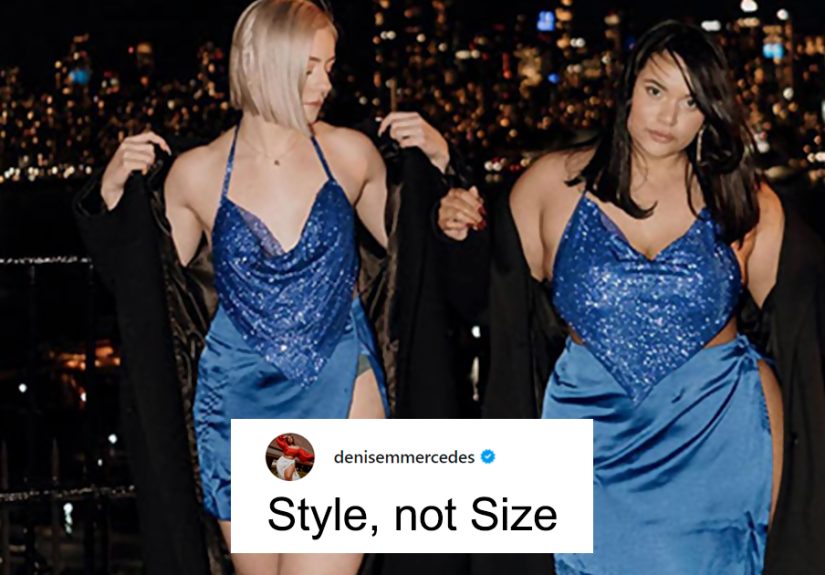
Fashion has spent years acting like it holds a secret map that only certain bodies are allowed to read. Crop tops? Supposedly for one group. Bodycon dresses? Reserved for another. Wide-leg jeans, bikinis, matching sets, slip dresses, fitted knits, oversized blazers? Apparently each one came with imaginary rules stamped on the tag. Then along comes “Style Not Size”, the viral series made famous by friends Denise Mercedes and Maria Castellanos, and suddenly the whole rulebook starts looking like what it probably was all along: nonsense in a cute font.
The concept is simple, but the impact is huge. Two women with different body sizes wear the same outfit side by side and show, with zero drama and a lot of confidence, that style is not a one-size-only club. It is a deliciously direct answer to decades of fashion messaging that told people to dress for camouflage, correction, or apology. Instead, these photos ask a better question: What if clothes were about expression, not permission?
That is why these 30 new pictures resonate far beyond the scroll. They are fun to look at, yes. They are also quietly radical. In a culture still tangled up in unrealistic beauty standards, same outfit, different body sizes becomes more than a styling experiment. It becomes proof that an outfit does not have one “right” body. It has many lives, many moods, and many ways to look fantastic.
Why “Style Not Size” Hits So Hard
The genius of this series is that it skips the lecture and goes straight to the visual. You do not need a manifesto when the image itself does the talking. The side-by-side format challenges a habit many shoppers have learned from years of advertising: assuming that if an outfit looks one way on one body, that is the only version that counts.
But these photos show something more interesting. The same dress can look sleek on one person and playful on another. The same jeans-and-top combo can read polished, flirty, relaxed, or bold depending on proportions, styling, posture, and attitude. That is not a flaw in fashion. That is the fun part. Clothes are not photocopies. They are conversations.
And honestly, that is what makes the series so refreshing. It is not trying to crown a winner. It is not asking viewers to decide who wore it “better.” It is showing that comparison is the least interesting thing in the room. The real story is how the outfit transforms without losing its identity. Same pieces. Different energy. Same trend. Different vibe. Same look. Different magic.
What the 30 New Photos Really Reveal
1. Personal style matters more than size charts
One of the biggest lessons from these photos is that personal style does not begin where your measurements end. It begins with taste. Maybe you love sharp tailoring. Maybe you are loyal to a dramatic sleeve. Maybe your ideal outfit says, “I have my life together,” even when your phone battery is at 3 percent and you forgot where you parked. Whatever the case, style is built from preference, not body policing.
That is why these matching looks feel so liberating. They do not erase difference; they celebrate it. The women are not trying to look identical. They are proving that clothes can adapt to real bodies without losing personality.
2. Fit is not the same thing as limitation
Fashion advice often gets weirdly bossy around body size. It tells people to “avoid” stripes, skip clingy fabrics, fear volume, distrust low-rise waists, or hide arms, hips, thighs, or stomachs as if getting dressed were a hostage negotiation. “Style Not Size” flips that logic on its head. The issue is not whether a certain item is “allowed.” The issue is whether it fits well, feels good, and aligns with the wearer’s taste.
A well-cut garment can create ease, movement, and confidence on many different body types. That might mean adjusting the hem, choosing a different fabric weight, or selecting a more comfortable rise. Those are styling choices, not moral judgments. A dress is not good because it makes someone look smaller. It is good because the person wearing it feels like themselves in it.
3. Styling details change everything
When people talk about why the same outfit can look different on different bodies, they often focus only on size. But style nerds know the truth: details do the heavy lifting. Shoes change the rhythm of a look. Sleeve placement changes balance. A tucked shirt versus an untucked one can shift the entire silhouette. Jewelry, belts, layering, and confidence all play a role.
That is one reason these side-by-side images are more useful than generic “dress for your body type” articles. They train the eye to notice styling, not just scale. You start seeing proportion, texture, drape, and movement. In other words, you start seeing fashion as design rather than judgment.
The Bigger Message: Fashion Still Has a Representation Problem
The popularity of Style Not Size also says something important about the industry itself: people are hungry for better representation because the mainstream still does not deliver enough of it. Even now, truly size-inclusive fashion remains frustratingly inconsistent. A brand may use diverse language in marketing but stop the size range before many shoppers can buy the look. Another may add extended sizes but design from a straight-size pattern and simply scale upward, which often produces awkward fit. Yet another may include larger sizes online while leaving them out of stores, as if visibility should happen quietly in the back room.
That gap matters because representation is not just about feeling seen in theory. It affects the entire shopping experience. It shapes who gets to imagine themselves in a trend, who gets to experiment, and who is told to “stick to basics.” When consumers respond so strongly to two friends wearing the same outfit in different sizes, they are responding to more than cute pictures. They are responding to a shortage of honest fashion imagery.
And that is why this series feels bigger than social media content. It exposes an industry habit that has lasted too long: selling aspiration through exclusion. By contrast, Denise and Maria make style look shared, playful, and human. That may sound simple, but in fashion, simple can be revolutionary.
Body Positivity, Body Neutrality, and Why This Series Works
Part of the appeal here is that the photos do not demand a dramatic emotional performance. They do not insist every viewer wake up every day deeply in love with every square inch of themselves. That can be a beautiful goal for some people, but for others it feels exhausting, unrealistic, or just plain unavailable before coffee.
What these images offer is closer to body neutrality in action. They suggest that your body does not need to pass an approval test before you are allowed to wear the fun dress. You do not have to earn style by becoming more acceptable first. You are allowed to get dressed now. You are allowed to enjoy fashion now. You are allowed to stop treating your body like a waiting room.
That subtle shift is powerful. Instead of obsessing over whether the outfit “fixes” something, the attention moves to expression, comfort, and personality. And for many people, that mindset is far more sustainable than trying to force constant body worship. Some days confidence looks like loving your reflection. Other days it looks like saying, “This is my body. These are my pants. We are going outside.” Both count.
What Readers Can Learn From “Style Not Size”
Wear the trend, not the fear
If a trend keeps catching your eye, that probably means something. Maybe it belongs in your closet. Too many people have been trained to ask whether they are the “right shape” for a garment before they ask whether they actually like it. Reverse the order. Start with attraction, then move to fit and comfort.
Stop using one model photo as the final answer
A single e-commerce image cannot tell you how clothing behaves on every body. That is why more diverse try-ons matter so much. The more you see an item worn by different people, the better your chance of understanding the garment instead of idealizing the model.
Shop for your real life
The best outfit is not the one that wins approval from strangers who still think the year is 2007 and low-rise trauma builds character. The best outfit is the one that lets you move, sit, breathe, work, laugh, and live. Style should support your life, not interrupt it.
Make room for joy
Fashion gets better when it stops acting like a math problem. Sometimes the point of the outfit is simply that it is fun. Not slimming. Not correcting. Not strategic. Just joyful. Frankly, that is an underrated category.
Why This Trend Feels So Personal to So Many People
The emotional pull of these photos is easy to understand if you have ever had a complicated relationship with fitting rooms. Many people grow up learning that clothes are little report cards. If something does not fit, the body gets blamed. If a trend looks awkward, the body gets blamed. If the store carries only a narrow range of sizes, somehow the body is still expected to apologize. It is an absurd system, but it leaves a mark.
That is why seeing the same outfit work beautifully on two different women can feel unexpectedly healing. It interrupts the private story that says, “This style is not for me.” It opens a crack in the old script. It suggests that the problem was never your body; maybe the problem was the story you were sold about what bodies are supposed to do for clothes.
There is also something genuinely warm about the friendship at the center of the series. Denise and Maria are not presenting fashion as a competition. They are presenting it as play. That matters. So much fashion content is built on hierarchy: best dressed, worst dressed, must-have, flattering, unflattering, before, after, fixed, improved. “Style Not Size” replaces that whole exhausting tone with camaraderie. And that may be its most stylish move of all.
Experiences That Make This Message Land Even Harder
For many people, the idea behind “Style Not Size” feels familiar because it reflects real-life moments that happen far away from ring lights and curated feeds. Think about the friend who hesitates before entering a store because she already assumes nothing inside will fit. Think about the shopper who falls in love with a dress online, only to discover the brand’s “inclusive” range is more marketing than reality. Think about the person who grabs the safe black top instead of the bright printed one because years of advice taught her that bold fashion must be earned by a certain kind of body.
Then think about what happens when that script changes.
Sometimes it happens in a fitting room, where someone tries on a style they swore was not “meant” for them and realizes the mirror is not delivering a tragedy after all. Sometimes it happens during a closet clean-out, when a person finally stops saving clothes for a future version of themselves and starts dressing the body they have right now. Sometimes it happens while getting ready with friends, when two people swap outfits, laugh at how differently the same pieces read on each of them, and realize that different is not worse. Different is just different. And often, different is great.
There is also the experience of being seen. That part matters more than fashion people sometimes admit. When someone spots a body that looks a little like theirs wearing a trend they assumed was off-limits, it can shift something deep and quiet. It is not always a dramatic breakthrough. Sometimes it is smaller and more powerful than that. It is the simple release of tension. The shoulders drop. The inner critic loses volume. The brain stops turning every outfit into a test.
Plenty of people also know the opposite experience: the one where “helpful” comments made style feel smaller. That cut is brave. Are you sure you want horizontal stripes? I would never wear that if I had your shape. These comments are often disguised as concern, but they carry the same old message: your body should dictate your imagination. That is exactly why “Style Not Size” feels like a breath of fresh air. It replaces caution with curiosity.
And perhaps the most relatable experience of all is discovering that confidence rarely arrives first. Most of the time, it shows up after action. After wearing the dress. After posting the photo. After leaving the house. After surviving the terrifying possibility that someone might see your knees, stomach, arms, hips, thighs, or whatever body part the internet decided to hold a town hall about that week. Confidence is often the souvenir, not the ticket.
That is what makes these side-by-side images stick with people. They are not just about clothes. They are about permission. Permission to experiment. Permission to stop hiding. Permission to treat fashion as a tool for self-expression instead of a system for self-correction. And in a world that still makes too much money from insecurity, that kind of permission feels almost luxurious.
Final Thoughts
“Style Not Size” works because it tells the truth in the clearest possible language: bodies are different, style is personal, and clothes do not belong to one shape alone. The 30 new photos are entertaining, yes, but they also serve as a sharp little cultural correction. They remind viewers that fashion becomes more exciting, more useful, and more human when it reflects the people who actually wear it.
That is the real lesson here. The goal is not to prove every body looks the same in the same outfit. The goal is to prove that sameness is not the point. Style gets richer when we stop demanding identical results and start appreciating individual expression. The outfit is just the starting point. The person brings the meaning.
So the next time fashion tries to hand you a list of who should wear what, feel free to smile politely and ignore it. Trends come and go. Taste evolves. Bodies change. Confidence grows in weird, uneven, glorious ways. But style? Style belongs to anyone ready to claim it.