Table of Contents >> Show >> Hide
- What Makes a Master Bath “Stunningly Simple”?
- Start With the Layout Before Falling in Love With Tile
- Choose a Calm Color Palette With One Warm Moment
- Use Tile to Make the Room Feel Larger and Cleaner
- Make the Shower the Star Without Overcomplicating It
- Design a Vanity That Works Hard and Looks Effortless
- Layer the Lighting Like a Designer
- Storage: The Secret Behind Every Simple Bathroom
- Simple Materials That Age Beautifully
- Add Wellness Without Creating a Gadget Museum
- Bring in Texture So the Room Does Not Feel Flat
- Budget-Friendly Ways to Create a Stunningly Simple Master Bath
- Common Master Bath Mistakes to Avoid
- A 500-Word Experience Guide: What Living With a Stunningly Simple Master Bath Feels Like
- Conclusion: Simple Is the New Luxurious
Note: This article uses the popular search term “master bath” while also using “primary bath,” a term many designers and real estate professionals now prefer.
A stunningly simple master bath is not a bathroom that forgot to have a personality. It is a bathroom that knows exactly who it is: calm, useful, beautiful, and blissfully uninterested in visual chaos. Think soft light, smart storage, easy-to-clean surfaces, and a shower that does not require a user manual thicker than a lasagna recipe.
The best simple master bathroom design works because every choice earns its place. The vanity holds what you actually use. The tile feels timeless instead of trendy-for-twelve-minutes. The lighting makes you look awake before coffee, which is no small miracle. Most importantly, the room supports daily routines without turning them into a scavenger hunt.
Whether you are planning a full master bath remodel or simply refreshing an outdated space, simplicity can be the most luxurious design strategy of all. Here is how to create a master bath that feels polished, practical, and peaceful without making your wallet hide behind the shampoo bottles.
What Makes a Master Bath “Stunningly Simple”?
A stunningly simple master bath blends clean design with everyday comfort. It avoids clutter, but it does not feel cold. It uses a limited color palette, but it does not look flat. It has storage, but not the kind that requires a stepladder, a flashlight, and emotional courage.
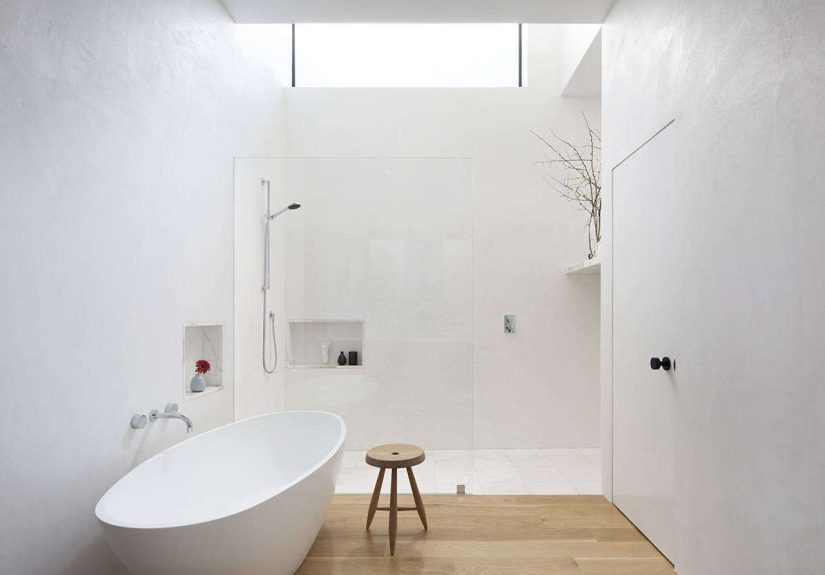
The goal is visual quiet. That can mean a floating vanity, a frameless glass shower, large-format tile, warm wood accents, brushed metal hardware, or a single sculptural faucet. Simple does not mean cheap or boring. It means edited. A well-edited bathroom lets the best features breathe.
The Core Ingredients
Most successful simple master bath ideas share a few qualities: strong layout, layered lighting, durable materials, hidden or integrated storage, and a palette that feels calm in natural and artificial light. When these elements work together, the room feels intentional instead of assembled from whatever was on sale next to aisle seven.
Start With the Layout Before Falling in Love With Tile
Tile is exciting. Layout is less glamorous. But layout is the part that decides whether your bathroom feels like a private retreat or a traffic jam with towels.
Before choosing finishes, study how the room functions. Where does the morning routine get crowded? Is the shower too dark? Is the vanity covered in products because the drawers are useless? Does the door swing into the exact spot where a human body would prefer to stand? These questions matter more than whether the marble has dramatic veining.
Plan Around Daily Movement
A simple master bathroom layout should create easy paths between the vanity, shower, toilet, and storage. If two people use the bathroom, a double vanity can reduce elbow battles. If space is limited, one larger sink with generous counter space may be more useful than two tiny sinks that leave no room for a toothbrush, let alone dignity.
For a long narrow bath, consider a linear layout: vanity on one wall, shower at the end, and storage built vertically. For a square room, zoning works well: keep the wet area together and allow the vanity area to feel more open. In larger master baths, a freestanding tub can become a focal point, but only if it will actually be used. Otherwise, it becomes a very expensive laundry chair.
Choose a Calm Color Palette With One Warm Moment
Simple bathrooms often begin with neutrals: white, cream, soft gray, warm beige, pale taupe, or muted greige. These shades reflect light and help the room feel clean. But an all-white bathroom can sometimes feel more like a medical facility than a relaxing escape. The fix is warmth.
Add warmth through natural wood, aged brass, bronze, soft green, muted blue, stone texture, woven baskets, or linen window treatments. A simple master bath can still have color; it just uses color thoughtfully. One accent wall, a handmade-looking tile, or a painted vanity can bring personality without turning the room into a theme park.
Simple Palette Examples
For a spa-inspired master bath, pair warm white walls with light oak cabinetry, creamy stone counters, and brushed nickel fixtures. For a modern organic look, combine large-format beige tile with walnut accents and matte black hardware. For a soft coastal bath, use pale blue-gray walls, white tile, polished chrome, and sandy natural textures.
The trick is to repeat tones. If the vanity is warm wood, echo that warmth in a stool, mirror frame, or woven hamper. If the hardware is brass, repeat it in the sconces or towel hooks. Repetition is the design equivalent of everyone in the choir singing from the same sheet music.
Use Tile to Make the Room Feel Larger and Cleaner
Tile can make or break a simple master bath remodel. Small busy tile with high-contrast grout can look charming in the right setting, but it may also create visual noise. Large-format tile, continuous flooring, and grout colors close to the tile color create a smoother, more spacious look.
For the shower, carrying the same tile from the bathroom floor into the shower can make the room feel larger. A frameless glass enclosure helps light travel through the space instead of stopping at a curtain or heavy frame. If you want interest, add texture rather than a loud pattern: ribbed tile, honed stone, zellige-inspired ceramic, or a subtle stacked layout.
Where to Add a Feature
Simple does not forbid a “wow” moment. It simply asks the wow moment to behave. Choose one feature: a slab-look shower wall, a niche lined in accent tile, a fluted wood vanity, a graceful soaking tub, or a dramatic mirror. When everything shouts, nothing sounds special. When one thing speaks clearly, the room feels elegant.
Make the Shower the Star Without Overcomplicating It
In many modern master bathroom ideas, the shower has replaced the oversized tub as the daily luxury feature. A simple walk-in shower can feel stunning with the right proportions, tile, fixtures, and lighting.
Consider a curbless or low-threshold entry for a clean look and easier access. Add a built-in bench if the space allows. Include a recessed niche for shampoo and soap so bottles do not gather on the floor like a tiny plastic city. A handheld showerhead adds flexibility for cleaning, rinsing, bathing kids, washing pets, or recovering from that one ambitious leg-day workout.
Shower Details That Matter
Place controls where you can turn on the water without standing under the first cold blast of the morning. Choose finishes that resist fingerprints and water spots if you dislike constant polishing. Use slip-resistant flooring in wet areas. And do not forget ventilation. A beautiful shower still needs proper airflow unless you want your spa retreat to become a mold documentary.
Design a Vanity That Works Hard and Looks Effortless
The vanity is the command center of the master bath. It handles grooming, storage, lighting, and the daily mystery of why there are seven nearly empty moisturizers in one drawer.
A simple master bath vanity should combine closed storage, easy-access drawers, and a countertop that can withstand water, toothpaste, cosmetics, and the occasional dropped hair tool. Quartz is popular because it is durable and low maintenance. Natural stone is beautiful but may require more care. Solid-surface materials can create a seamless modern look.
Floating vs. Furniture-Style Vanities
A floating vanity can make the floor feel more open and is especially useful in smaller primary baths. It pairs well with modern, minimal, and spa-like designs. A furniture-style vanity adds warmth and character, especially in transitional or classic bathrooms. Both can be stunningly simple if the lines are clean and the storage is practical.
For two users, prioritize drawer organization. Outlets inside drawers or cabinets can keep electric toothbrushes, razors, and styling tools off the counter. This one detail can make a bathroom look instantly calmer, as if the countertop went on a wellness retreat and returned emotionally balanced.
Layer the Lighting Like a Designer
One ceiling light in a master bath is not lighting; it is a negotiation. Good bathroom lighting comes in layers: ambient, task, and accent.
Ambient light brightens the room overall. Recessed lights, flush mounts, or a simple ceiling fixture can do the job. Task lighting belongs near the mirror, ideally at face level with sconces or vertical fixtures on both sides. This reduces harsh shadows and makes grooming easier. Accent lighting can include LED strips under a floating vanity, a small pendant near a tub, or soft lighting in a niche.
Choose Warm, Flattering Light
For a relaxing master bath, avoid lighting that feels icy or harsh. Warm to neutral light often creates a more flattering and comfortable atmosphere. Dimmer switches are worth considering because the light level you want for shaving at 7 a.m. is not the same light level you want for a quiet bath at 9 p.m.
Storage: The Secret Behind Every Simple Bathroom
Minimalist bathrooms are not magic. They simply hide things well. If your master bath has no storage plan, clutter will return like a sitcom neighbor who never knocks.
Use a mix of vanity drawers, recessed medicine cabinets, linen cabinets, built-in shelves, and shower niches. Store daily-use items closest to where they are used. Keep backup products away from the main counter. Use drawer dividers for small items and trays for countertop essentials.
Smart Storage Ideas
Install a recessed medicine cabinet behind a beautiful mirror. Add a shallow tower cabinet between double sinks. Use vertical storage beside the vanity if floor space is tight. Place hooks instead of towel bars when multiple people share the bathroom. Hooks are forgiving, practical, and far less judgmental about imperfect folding.
Simple Materials That Age Beautifully
A stunningly simple master bath should still look good years from now. That means choosing materials for both beauty and durability.
Porcelain tile is a strong choice for floors and showers because it is water-resistant, durable, and available in stone, concrete, wood, and handmade looks. Quartz countertops offer easy care. Solid wood or high-quality wood veneer adds warmth when properly protected. Brushed nickel, chrome, matte black, brass, and bronze can all work, but the finish should coordinate across faucets, lighting, cabinet hardware, and accessories.
Avoid Over-Matching
Matching every metal perfectly is not always necessary. In fact, a thoughtful mix can make the room feel collected. Try one dominant finish and one accent finish. For example, use brushed nickel for plumbing fixtures and warm brass for mirror frames or sconces. Keep the mix intentional, not accidental.
Add Wellness Without Creating a Gadget Museum
Modern master baths often include wellness features, but simple design means choosing upgrades that support your routine. Heated floors can make cold mornings kinder. A quiet ventilation fan helps manage moisture. Water-efficient fixtures can reduce waste while still performing well. A towel warmer, steam shower, or smart mirror may be worth it if you will use it regularly.
The key question is simple: will this feature improve daily life, or will it become another button nobody understands? Technology should disappear into the experience. If the bathroom starts asking for software updates while you are brushing your teeth, the simplicity has left the building.
Bring in Texture So the Room Does Not Feel Flat
Simple bathrooms need texture. Without it, neutral design can feel sterile. Texture adds depth without clutter.
Try ribbed glass, woven baskets, linen towels, fluted cabinet fronts, honed stone, handmade-look tile, plaster-style walls, or a natural wood stool. Even small details, such as a ceramic soap dish or cotton bath mat, can soften the room.
Keep Accessories Useful
Decor in a master bath should be beautiful, but it should also earn its keep. A small tray organizes perfume or skincare. A stool holds a towel near the tub. A plant adds life if the room has enough light. Framed art can work well away from direct moisture. Avoid overcrowding the counter with decorative objects that must be moved every time you clean.
Budget-Friendly Ways to Create a Stunningly Simple Master Bath
You do not need to gut the room to create a simpler, more elegant master bath. Some of the highest-impact updates are surprisingly manageable.
Paint the walls in a warmer neutral. Replace builder-grade vanity lights with sconces or a cleaner fixture. Swap dated cabinet hardware. Add a larger mirror. Install matching towel hooks. Replace a tired shower curtain with a crisp white or textured one. Upgrade the faucet. Use baskets and drawer dividers to control clutter. Add new towels in one coordinated color family.
Spend Where It Shows
If the budget is limited, spend money on the pieces you touch and see every day: faucets, hardware, lighting, mirrors, and storage. These upgrades can make the room feel more finished even before major renovations happen. A simple bath is not about spending the most; it is about spending with a plan.
Common Master Bath Mistakes to Avoid
The first mistake is choosing beauty over function. A gorgeous vanity with no storage will annoy you by Tuesday. The second is poor lighting. The third is ignoring ventilation. The fourth is using too many finishes, colors, and tile patterns at once. The fifth is forgetting clearances around doors, drawers, toilets, and shower entries.
Another common error is designing only for today. A curbless shower, reinforced walls for future grab bars, lever handles, and slip-resistant flooring can make the bath safer and more comfortable over time. Universal design does not have to look clinical. In a simple master bath, it can look sleek, thoughtful, and wonderfully normal.
A 500-Word Experience Guide: What Living With a Stunningly Simple Master Bath Feels Like
The real test of a stunningly simple master bath is not the day the remodel ends. That day is exciting, of course. Everything sparkles, the towels are folded like a boutique hotel, and nobody has yet committed the first toothpaste crime. But the true value shows up later, on regular mornings and tired evenings, when the bathroom quietly makes life easier.
Imagine waking up and walking into a room that feels calm before you have said a single word. The floor is clear. The vanity is not buried under bottles. The mirror is well lit, so your face looks like your face, not a suspicious witness in a crime drama. You open one drawer and find exactly what you need because the storage was designed around your routine. That is the difference between a pretty bathroom and a useful one.
A simple master bath also changes the way cleaning feels. Large tiles mean fewer grout lines. A glass shower with a squeegee nearby stays clearer. A wall-mounted vanity makes it easier to clean the floor. A countertop with fewer objects takes seconds to wipe. None of this sounds glamorous until you realize your Saturday no longer begins with arguing with soap scum.
The shower becomes a small daily reset. Warm light, a comfortable bench, a niche that actually fits your bottles, and a handheld sprayer make the space feel customized without being complicated. If the controls are placed thoughtfully, you can start the water without performing the cold-shower dance. If ventilation is strong and quiet, steam clears quickly and the room stays fresher.
Over time, the simplicity encourages better habits. You stop buying five versions of the same product because there is a clear place for what you use. You hang towels because hooks are easy. You keep the counter clear because the room looks better that way. Design cannot solve every problem, but it can gently nudge daily life in the right direction.
There is also an emotional benefit. A calm primary bath gives you a private pause at the beginning and end of the day. It is not just a place to brush your teeth. It is where you prepare for work, recover from errands, get ready for dinner, or hide for three peaceful minutes when the house is loud. A stunningly simple master bath respects those small rituals.
The best part is that the room does not need to impress by shouting. It impresses through quiet confidence: the way the light hits the tile, the warmth of the vanity, the smooth drawer glide, the towel within easy reach, the absence of clutter. It feels personal but not overdesigned. Elegant but not fragile. Luxurious but still livable.
That is the real experience of a stunningly simple master bath. It looks good in photos, yes, but it works even better in real life. And real life is where the wet towels, sleepy mornings, rushed routines, and long baths happen.
Conclusion: Simple Is the New Luxurious
A stunningly simple master bath is proof that luxury does not have to be loud. By focusing on layout, light, storage, durable materials, and a calm palette, you can create a bathroom that feels refined and easy to live with. The smartest designs do not chase every trend. They choose what supports comfort, beauty, and daily function.
Whether you are planning a full primary bathroom remodel or updating one detail at a time, start with clarity. Remove what does not serve the room. Upgrade what you use most. Add warmth, texture, and thoughtful storage. The result is a master bath that feels serene, stylish, and refreshingly simplebasically the bathroom equivalent of taking a deep breath while wearing really good slippers.