Table of Contents >> Show >> Hide
- Why Houseplants Never Really Go Out of Style
- A Century of Houseplant Trends, Decade by Decade
- 1920s: Ferns Bring Elegance Indoors
- 1930s: Ivy, Dracaena, and Design-Minded Indoor Gardening
- 1940s: Snake Plants and Dish Gardens Make a Statement
- 1950s: Bigger Plants, Bigger Presence
- 1960s: Collecting Becomes the Hobby
- 1970s: Hanging Plants Rule the House
- 1980s: Tropical Flowers Turn Up the Volume
- 1990s: Nostalgia, Ivies, and the Ficus Obsession
- 2000s: Terrariums and Orchids Make Indoor Gardening Feel Fancy
- 2010s: Fiddle-Leaf Fig Fever and Fancy Foliage
- 2020s: The Indoor Jungle Era
- What the Archives Really Tell Us
- How to Borrow the Best of Every Era Today
- Experiences That Make This Topic Feel Personal
- Conclusion
- SEO Tags
Houseplants have done more than sit quietly in sunny corners looking innocent. Over the last century, they have strutted, sprawled, dangled, bloomed, and occasionally collapsed in dramatic fashion after one too many “helpful” waterings. If you flip through the Better Homes & Gardens archives, one thing becomes delightfully clear: Americans have always used houseplants as a way to make a home feel softer, greener, and a little more alive. The plants changed. The pots changed. The rooms definitely changed. But the urge stayed the same.
What makes this history so fun is that houseplant trends mirror how people wanted to live. In the 1920s, plants added elegance to newly modern interiors. In the 1970s, they practically moved into macramé hammocks and hung from the ceiling like botanical disco balls. In the 2010s, the fiddle-leaf fig became the tall, photogenic roommate everyone wanted until they realized it had the temperament of a tiny aristocrat. And in the 2020s, the indoor jungle look made big-leaf tropicals the undisputed stars of the room.
This look back at the most popular houseplants of the last 100 years is more than a nostalgia trip with potting soil. It also tells us why certain plants endure: they fit the mood of the era, they work with the light and humidity people actually have, and they make interiors feel finished without trying too hard. So let’s stroll through a century of American houseplant love, one leafy decade at a time.
Why Houseplants Never Really Go Out of Style
Before the decade-by-decade tour begins, it helps to understand why indoor plants keep surviving every decorating fad thrown at them. Some plants are simply practical. Snake plants tolerate neglect. African violets bloom in relatively modest light. Spider plants are generous to the point of showing off, tossing out baby plantlets like party favors. Monsteras deliver instant drama with oversized leaves and architectural shapes. In other words, the stars of the houseplant world are not just pretty faces. They work for a living.
Houseplant popularity also rises when homes become more plant-friendly. Larger windows, improved heating, better potting mixes, widespread availability of indoor lighting, and modern humidification all helped expand what people could grow indoors. As these conveniences improved, houseplants shifted from occasional accessories to everyday décor. The archives show that they were never only about gardening. They were about style, mood, and the fantasy that maybe this year, finally, you would become the kind of person who remembers a watering schedule.
A Century of Houseplant Trends, Decade by Decade
1920s: Ferns Bring Elegance Indoors
In the 1920s, when homes became friendlier to indoor growing, graceful ferns stepped into the spotlight. Better Homes & Gardens highlighted them as elegant companions to the geometric lines and decorative flair of the era. It makes sense. Ferns softened hard edges. Their feathery foliage brought movement into rooms filled with polished furniture, patterned textiles, and Art Deco confidence.
They were often displayed on pedestals or in decorative stands, which tells you something important about early houseplant culture: the plant was not just a plant. It was a statement piece. Even then, people understood the power of height, silhouette, and container style. In modern terms, the 1920s fern was both greenery and interior design strategy.
1930s: Ivy, Dracaena, and Design-Minded Indoor Gardening
The 1930s did not kill America’s appetite for houseplants. If anything, the decade refined it. English ivy was everywhere, joined by dracaena, screw pine, grape ivy, cacti, and even early appearances from the fiddle-leaf fig. During harder economic years, plants that were easy to propagate or adaptable to indoor life made especially good sense. People wanted beauty, but they also wanted value.
This is also when display became a bigger deal. Decorative glazed pots and furniture made specifically for light-loving plants started showing up. In other words, indoor gardening was becoming curated. Not yet “shelfie culture,” but definitely the great-grandparent of it.
1940s: Snake Plants and Dish Gardens Make a Statement
By the 1940s, houseplants were not playing background music anymore. They were headlining. According to the archives, rows of snake plants and overflowing dish gardens helped define spaces and create visual structure, especially as postwar homes became more compact. A plant could soften a room while also dividing it. That is multitasking worthy of applause.
Snake plants remain a classic for good reason. They tolerate low light, dry indoor air, and a forgetful owner with suspicious confidence. Their upright blades also have an architectural quality that never looks messy. If the fern was the 1920s silk gown, the snake plant was the 1940s tailored suit.
1950s: Bigger Plants, Bigger Presence
The 1950s leaned into abundance. Large philodendrons, parlor palms, and fiddle-leaf figs created lush indoor scenes, while collections of African violets and begonias satisfied the urge for something showier and more personal. This was a decade that loved display, and houseplants responded by going full maximalist.
African violets were especially well suited to the period because they offered flowers without demanding a greenhouse. Their manageable size, colorful blooms, and ability to perform in average home conditions made them ideal windowsill celebrities. Begonias also gained attention because they could look traditional or modern depending on the container. Same plant, different pot, entirely new personality. Frankly, that is range.
1960s: Collecting Becomes the Hobby
As fluorescent lighting suitable for home use became more common, indoor gardening entered a new phase in the 1960s. Smaller plants, including orchids and specialty begonias, became easier to collect and display. Houseplants did not need to cluster only near the brightest window anymore. More rooms could become plant rooms, or at least plant-friendly rooms.
The decade’s interiors were often bold, colorful, and pattern-heavy, so greenery served as a calmer counterpoint. Rather than dominating the room, many plants in this era tucked into shelves, tabletops, and corners with quiet confidence. Think less “look at me” and more “I am improving this room by existing.”
1970s: Hanging Plants Rule the House
If one decade deserves a gold medal for enthusiasm, it is the 1970s. This was the age of trailing and hanging houseplants, with hoyas, spider plants, Christmas cactus, and ferns spilling from ropes, chains, and of course macramé hangers. Plants did not just decorate the room; they occupied vertical space like they were paying rent.
The popularity of hanging plants made practical sense too. Spider plants are forgiving, easy to propagate, and visually generous. Hoyas offer waxy leaves and elegant drape. Christmas cactus rewards patience with seasonal bloom. The result was a softer, looser, more relaxed indoor look. A seventies room without at least one dangling plant feels like disco without music.
1980s: Tropical Flowers Turn Up the Volume
The 1980s embraced bright interiors and bolder color, which opened the door for tropical flowering plants such as anthurium, bird of paradise, flowering ginger, primroses, and mixed saucer gardens. These were not shy plants. They were glossy, vivid, and fully aware they looked expensive.
Large windows and bright rooms helped support this shift. More light meant more options, and the decade clearly preferred plants that looked dramatic from across the room. Even small-space gardeners got in on the fun with colorful tabletop gardens. In today’s language, the eighties loved high-impact greenery with excellent visual energy.
1990s: Nostalgia, Ivies, and the Ficus Obsession
The 1990s brought back nostalgic favorites. Ivies and hoyas reappeared as living art, while the weeping ficus became one of the era’s most recognizable indoor trees. The catch, of course, is that ficus can be a bit fussy. Many growers admired them from across the room while quietly negotiating with fallen leaves.
Even so, the decade’s affection for sculptural greenery and familiar classics helped bridge old and new. People wanted plants with personality, but they also wanted something that felt established and domestic. The nineties were less about wild abundance than curated comfort.
2000s: Terrariums and Orchids Make Indoor Gardening Feel Fancy
In the 2000s, tiny indoor gardens under glass surged back into popularity. Terrariums, cloches, and Wardian-style displays gave houseplants an artistic, almost museum-like presentation. At the same time, moth orchids and cape primroses became favorites for people who wanted elegance without filling the living room with a small forest.
This period is important because it reframed indoor gardening as part craft project, part lifestyle choice, part décor. Terrariums offered a sense of control and miniature magic. Orchids added a refined bloom that lasted far longer than a supermarket bouquet. Suddenly, the houseplant was both hobby and centerpiece.
2010s: Fiddle-Leaf Fig Fever and Fancy Foliage
Then came the 2010s, when social media and design magazines launched foliage plants into a new level of fame. Chinese evergreens, crotons, and dracaenas gained fresh attention, but the undeniable superstar was the fiddle-leaf fig. Tall, dramatic, glossy, and photogenic, it became the symbol of aspirational plant ownership.
This was also the decade when plant identity became part of personal identity. “Plant parent” language spread. Interiors featured leafy corners, styled shelves, and carefully chosen pots that looked great in photos. The foliage itself became fashion. If the 2000s were polished, the 2010s were polished and online.
2020s: The Indoor Jungle Era
So far, the 2020s belong to big tropical houseplants with strong lines and oversized leaves. Alocasias, monsteras, and split-leaf philodendrons dominate the look, often grouped together for a layered indoor jungle effect. These plants are sculptural enough to feel modern, but lush enough to make a room feel deeply alive.
There is a practical side to this trend too. Many people now think of plants as wellness décor as much as style elements. They soften home offices, warm up apartments, and make open-plan rooms feel less sterile. The modern favorite houseplant is expected to be beautiful, expressive, and just a tiny bit theatrical. The monstera, naturally, has accepted this role with confidence.
What the Archives Really Tell Us
The most popular houseplants of the last 100 years were not random winners in a botanical beauty contest. They rose because they matched the realities and fantasies of home life in each era. Ferns suited elegant early interiors. Snake plants solved practical problems. African violets gave people bloom without impossible demands. Hanging plants fit a more relaxed lifestyle. Orchids and terrariums made indoor gardening feel sophisticated. Fiddle-leaf figs and monsteras offered instant visual impact in the age of image-driven interiors.
And yet, many of these plants keep coming back. That is the real story. Houseplant trends change, but the core favorites survive because they are adaptable, expressive, and deeply tied to how people want a room to feel. Cozy. Collected. Lived in. Maybe just a little more interesting than beige walls and a lonely lamp.
How to Borrow the Best of Every Era Today
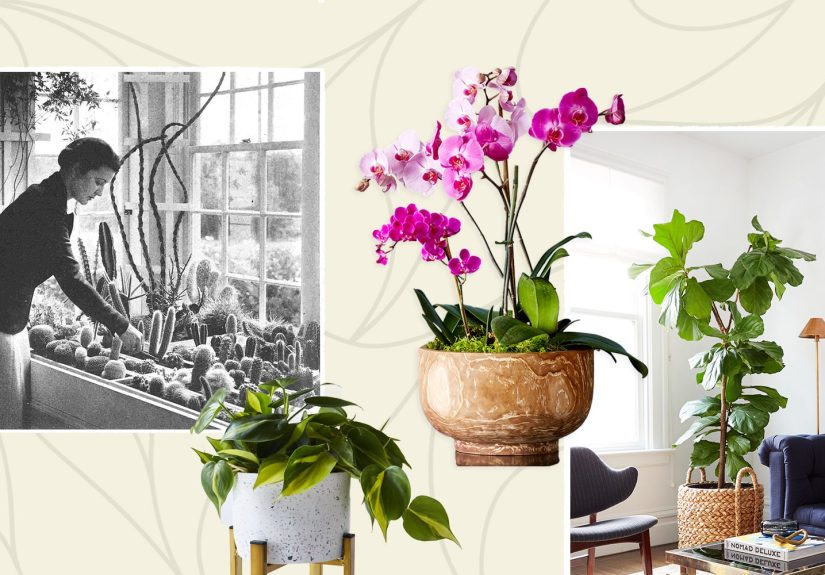
If you want to recreate this century-long charm in your own space, you do not need a time machine or a basement full of vintage ceramic planters. Try one fern on a stand for 1920s grace. Add a snake plant for forties structure. Place an African violet on a kitchen windowsill for a fifties nod. Hang a spider plant in a basket for seventies flair. Style a moth orchid on a dining table for early-2000s polish. Or go full 2020s with a monstera and an alocasia in one bold corner.
The smartest approach is to combine beauty with your actual conditions. Bright indirect light? Congratulations, half the houseplant world is interested. Dry winter air? Choose tougher plants or add humidity where needed. Busy schedule? Skip the divas and start with snake plants, pothos, ZZ plants, or spider plants. A beautiful houseplant is nice. A beautiful houseplant that survives your lifestyle is better.
Experiences That Make This Topic Feel Personal
What makes a story about the most popular houseplants of the last 100 years so appealing is that almost everyone has some kind of plant memory attached to it. Maybe it is your grandmother’s African violet on a bright kitchen sill, blooming like it had a personal mission. Maybe it is the spider plant in a hanging basket that somehow survived three moves, two bad apartments, and one mysterious period where it was watered only by optimism. Houseplants are not just décor trends in old magazines. They are part of how people remember home.
That is especially true when you look at the Better Homes & Gardens archives and realize these plants were living in rooms where real life was happening. Kids did homework near them. Parents paid bills near them. Someone probably argued over paint colors while a fern sat nearby pretending not to listen. A houseplant is one of the few decorative objects that changes with you. It grows, droops, rebounds, and occasionally throws a small tantrum. It feels less like furniture and more like company.
There is also a specific kind of satisfaction that comes from recognizing a plant trend from one era and seeing it alive in another. The snake plant your great-aunt loved in the 1940s now looks perfectly at home in a sleek modern apartment. The hoya that dangled in a 1970s sunroom suddenly looks chic again in a minimalist living room. The moth orchid that felt a little formal in the early 2000s can now read as clean, sculptural, and modern. Trends circle back, but the emotional connection stays surprisingly steady.
For many people, the experience of growing houseplants is really the experience of learning patience in small, leafy increments. You notice that the monstera has unfurled a new leaf after weeks of doing absolutely nothing visible. You realize the fern is happier after moving it six feet away from a heater. You discover that overwatering is not kindness; it is sabotage with a watering can. Over time, the plants teach you to pay attention. Not in a grand, cinematic way. In a quiet, everyday way that sneaks up on you.
That may be one reason houseplants continue to matter. They make rooms feel more human, and they make routines feel less mechanical. Morning light through a leaf, a new bloom on an African violet, a spider plant producing babies like it just got promotedthese things are small, but they are not trivial. They create texture in daily life. They reward steadiness. They make a house feel inhabited rather than merely arranged.
So when we talk about the most popular houseplants of the last century, we are not really just talking about trends. We are talking about how generations of people used living things to soften modern life. A fern on a pedestal in the 1920s, a hanging basket in the 1970s, a fiddle-leaf fig in the 2010s, and a monstera in the 2020s all express the same hope: that home should feel alive. And honestly, that might be the most enduring trend of all.
Conclusion
The Better Homes & Gardens archives show that America’s favorite houseplants have always reflected more than taste. They reveal changing ideas about beauty, comfort, technology, and the role of nature indoors. Some decades wanted elegance. Some wanted abundance. Some wanted color. Some wanted giant leaves with enough personality to deserve their own zip code. But every era wanted homes that felt warmer and more personal.
If there is one lesson from the last 100 years of houseplant trends, it is this: the best houseplants are the ones that fit both the room and the rhythm of the people living in it. Choose the plant that suits your light, your schedule, and your style. Then let it do what houseplants have done for generationsquietly make the place feel better.