Table of Contents >> Show >> Hide
- What Makes This Bedroom So Magnetic?
- The Color Palette: Warm Neutrals With a Pulse
- Why the Material Mix Matters More Than the Furniture Count
- How to Build the Bed So It Looks Relaxed, Not Messy
- Furniture: Low, Quiet, and Confident
- Lighting: The Unsung Hero of the Mood
- Flooring, Rugs, and Window Treatments That Complete the Look
- Styling the Space Without Ruining the Calm
- How to Recreate This Look at Home
- Common Mistakes to Avoid
- The Lived Experience of a Bedroom Like This
- Final Takeaway
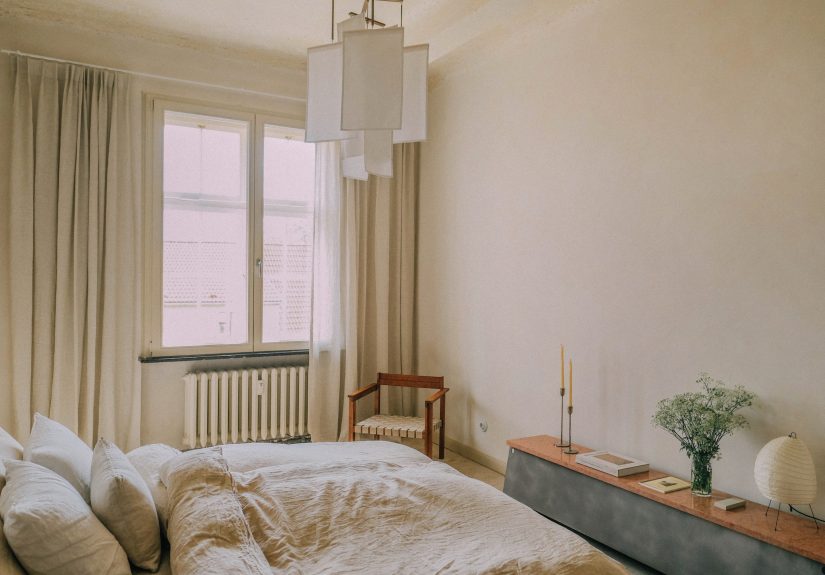
If your dream bedroom sits somewhere between barely there minimalism and please hand me every cozy blanket in the building, this look hits the sweet spot. The room that inspired it, set inside a restored historic property in Germany, proves that a neutral bedroom does not have to be bland, sleepy, or one beige throw pillow away from a furniture showroom. It can be calm without being cold, edited without being empty, and stylish without looking like it is trying way too hard.
The secret is in the material mix. Instead of leaning on color for drama, this bedroom creates visual interest through contrast: rough and smooth, matte and reflective, soft and structured. Think oak against concrete, thick textiles beside stainless steel, airy linen paired with weighty rugs, and sculptural lighting that feels more like jewelry than a utility bill. In other words, it is a master class in making restraint look expensive.
And the best part? You do not need a German vacation apartment or a former bank vault to borrow the mood. You just need to understand what makes this serene bedroom work and how to translate those ideas into your own space without turning it into a sad, underfurnished box. Let’s steal the look, politely and with excellent taste.
What Makes This Bedroom So Magnetic?
At first glance, the room feels simple. But that is the kind of simplicity that takes serious discipline. Nothing is loud, yet nothing disappears. The palette is quiet, the shapes are clean, and the furniture is restrained, but the room still has depth because every surface adds something different to the story.
This is where material-mix design earns its keep. A serene bedroom does not need ten colors or a heroic wallpaper moment. It needs contrast that whispers instead of shouts. Pale wood warms the space. Metal introduces a little edge. Natural fibers soften the architecture. A slightly imperfect wall or organic texture keeps the room from feeling sterile. The overall effect is calm, but not flat. Think spa day, not waiting room.
There is also a strong European sense of restraint here. The design does not beg for attention. It lets old bones, honest finishes, and a few carefully chosen pieces do the heavy lifting. That approach is refreshing in a world where bedrooms are often asked to be offices, gyms, content studios, and emotional support zones for unfolded laundry.
The Color Palette: Warm Neutrals With a Pulse
A serene material-mix bedroom starts with a quiet palette, but not a lifeless one. The best version of this look uses warm whites, oat tones, mushroom, flax, sand, taupe, soft gray, and the occasional brown or black accent to anchor the room. These shades feel restful because they mimic natural materials rather than competing with them.
If you want to recreate the mood, begin with the shell of the room. Walls in plaster white, mineral beige, dusty greige, or soft stone set the tone immediately. The goal is not to make the room look colorless. The goal is to make it feel breathable. A good neutral bedroom should feel like a long exhale, not an appliance aisle.
From there, layer tonal variation. Use cream bedding instead of bright white if you want softness. Add camel, oatmeal, or weathered walnut through wood furniture. Bring in charcoal, bronze, or black in small doses through lighting, frames, or hardware. These darker notes keep the room from floating away into a cloud of beige confusion.
Why the Material Mix Matters More Than the Furniture Count
This bedroom works because it uses fewer things, but better contrasts. That is the real lesson. You do not need more furniture; you need more texture.
Wood
Wood is the room’s emotional support material. It adds warmth, grain, and a lived-in quality that keeps modern minimalism from feeling chilly. Oak, ash, walnut, or pine all work, especially when the finish feels matte and natural rather than glossy and over-rehearsed.
Concrete or Plaster
Concrete, limewash, plaster, or any softly irregular wall finish adds architectural gravity. This rougher backdrop helps the softer elements stand out. If you cannot redo your walls, do not panic. You can mimic the effect with mineral paint, textured wallpaper, or even artwork that has a chalky, tonal finish.
Metal
Stainless steel, blackened metal, aged brass, or iron brings tension into the room in the best possible way. A metal side table, a simple pendant, or a lean reading lamp can sharpen an otherwise soft palette. Think of it as eyeliner for the bedroom: just enough definition to make everything else look more intentional.
Linen, Wool, and Cotton
Natural textiles are where the room becomes truly inviting. Linen gives the bed a relaxed elegance. Wool adds weight underfoot or across the end of the bed. Cotton keeps the setup crisp and breathable. When these fabrics layer together, the room feels tactile and restful rather than overstyled.
How to Build the Bed So It Looks Relaxed, Not Messy
In a room like this, the bed is the headline act. But unlike a hotel bed that looks as though nobody has ever sat on it, this version should feel polished and human. The sweet spot is somewhere between “beautifully layered” and “I did not fight my duvet for 40 minutes.”
Start with quality basics in natural fibers. A linen duvet cover in flax, cream, or warm white sets the tone. Add cotton or washed percale sheets for comfort. Then layer one lightweight blanket or quilt for subtle contrast. A wool throw at the foot of the bed adds depth without making the whole thing look like a textile clearance event.
Pillows should be edited. Two sleeping pillows, two Euro shams if you like structure, and one lumbar or accent cushion is usually enough. This room is serene, remember. It is not auditioning for a decorative pillow pageant.
Furniture: Low, Quiet, and Confident
The furniture in a material-mix bedroom should feel solid, sculptural, and calm. Low beds, simple side tables, a single lounge chair, and a bench or stool often do more than a crowded set of matching pieces ever could. Matching bedroom suites can feel convenient, but in a room like this they also flatten the personality. A better approach is to mix forms while keeping the palette consistent.
For example, pair a wood bed with a metal side table. Use a soft upholstered chair next to a more angular floor lamp. Introduce a vintage or handmade piece so the room does not feel mass-produced. The goal is cohesion, not clone behavior.
If you have a small bedroom, this style actually works in your favor. Because the palette is restrained and the materials do the talking, the space can feel richer without looking busier. Choose fewer pieces with stronger presence. A modest room can still feel luxurious when every item earns its spot.
Lighting: The Unsung Hero of the Mood
You can have perfect bedding, lovely oak tones, and the world’s most tasteful rug, but if your bedroom lighting looks like an interrogation scene, the vibe is gone. This style depends on layered, gentle light.
Start overhead with something sculptural but simple. A pendant with a soft profile, a paper shade, a fabric shade, or a minimal fixture in metal or glass all work beautifully. Then add bedside lighting with warmth and purpose. A compact table lamp, plug-in sconce, or wall-mounted reading light keeps the room functional without cluttering every surface.
The trick is to mix glow levels. You want ambient light for the whole room, task light for reading, and a softer lamp that makes the room feel flattering at night. Because yes, your bedroom lighting should be kind. Life is hard enough.
Flooring, Rugs, and Window Treatments That Complete the Look
A material-rich bedroom feels best when the floor and windows are treated as part of the design, not an afterthought. If you have wood floors, let them show. Add one substantial rug instead of several fussy layers. Wool, flatweave, or a subtly textured rug in a tonal neutral will ground the bed and soften sound.
For windows, choose treatments that keep the room airy. Linen curtains, cotton drapes, or simple woven shades fit the mood perfectly. Floor-length curtains add softness and height, especially in rooms with minimal furniture. Skip anything too shiny, overly stiff, or aggressively ornamental. This room is aiming for serene sophistication, not formal banquet hall energy.
Styling the Space Without Ruining the Calm
The best styling for this kind of bedroom is thoughtful and sparse. A ceramic vase, a stack of books, a sculptural lamp, a framed abstract piece, or a branch clipped from the yard can be enough. Nature is always welcome here. Dried stems, greenery, or a plant with an architectural silhouette add life without visual chaos.
Keep surfaces mostly open. Negative space is part of the design. If every table is crowded, the room loses the stillness that makes it special. Leave a little breathing room. It is amazing what a lamp and one beautiful bowl can do when they are not fighting twelve other objects for screen time.
How to Recreate This Look at Home
If you want the feeling of this Germany-inspired bedroom, follow a simple formula: start with a warm neutral envelope, add at least three natural textures, introduce one harder material, and keep the furniture edited. That combination creates the balance of softness and structure that gives the room its calm authority.
Here is a practical breakdown:
Budget-Friendly Version
Use paint to warm up the walls, swap synthetic bedding for linen-blend or cotton, add a textured rug, and replace one bulky side table with a simpler wood or metal option. Even a paper lantern-style pendant can shift the mood dramatically.
Mid-Range Upgrade
Invest in quality bedding, lined curtains, a real wool rug, and one statement chair or bench. Choose lighting with character and materials with visible texture. At this level, the room starts to feel intentional instead of improvised.
High-End Interpretation
Lean into custom finishes, plaster or limewashed walls, solid wood furniture, artisan ceramics, tailored window treatments, and sculptural lighting. Add one striking vintage piece to give the room a point of view. Luxury in this style is not about more stuff. It is about better materials and quieter confidence.
Common Mistakes to Avoid
The fastest way to miss this look is to make everything too matching, too cold, or too trendy. A beige room without texture is just a nap with walls. On the other hand, too many textures with no editing can feel shaggy and confused.
Avoid ultra-cool grays, high-shine finishes, flimsy bedding, and cluttered nightstands. Be careful with trendy décor that looks good in a reel but feels annoying in real life. This bedroom should support rest first and aesthetics second, even though ideally it nails both.
Also, do not strip all personality from the room in the name of minimalism. A serene bedroom still needs soul. A vintage stool, handmade bowl, favorite book, or softly rumpled linen edge can do more for character than a dozen expensive but generic accessories.
The Lived Experience of a Bedroom Like This
What makes a serene material-mix bedroom so compelling is not just how it photographs, but how it feels to live in. In a room like this, mornings begin more softly. Light moves across matte walls instead of bouncing harshly off glossy surfaces. The grain of wood catches the sun. Linen shifts with the air. A rug underfoot gives you that tiny, underrated luxury of not planting your first step of the day onto a cold floor and immediately regretting all your life choices.
There is also a psychological ease to a room built on layered natural materials. The textures do a strange and wonderful thing: they keep the space visually interesting without demanding constant attention. Your brain gets the message that there is beauty here, but it does not have to work hard to process it. That is part of why these rooms feel restful. They are rich, but not noisy.
At night, the experience gets even better. A soft lamp turns stainless steel into a quiet glimmer instead of a glare. Thick curtains hush the room. The bed looks inviting rather than overly staged, which matters more than some people admit. Nobody wants to climb into a bed that looks like it was assembled with a ruler and emotional distance. The best serene bedrooms feel welcoming, a little undone, and completely unconcerned with impressing anyone after 9 p.m.
This look also ages well through the day. A bedroom rooted in wood, wool, linen, plastery walls, and simple forms can handle real life. A sweater over the chair looks charming rather than chaotic. A paperback on the nightstand adds personality. A tray with tea, reading glasses, and a candle does not feel like clutter; it feels like evidence that the room is actually serving you.
For people who work in high-stimulation environments, this kind of bedroom can become a genuine reset button. It does not ask for your attention the way a bright accent wall, busy pattern, or gadget-filled setup does. It gives something back. You walk in, and the room seems to lower its voice. That effect can be subtle, but it is powerful. Good bedroom design should not only look calming; it should reduce friction. It should make bedtime easier, mornings gentler, and ordinary rituals feel just a bit more cared for.
There is also a lovely tension between minimalism and comfort in this style. It is edited, yes, but it is not austere. The materials do the emotional work. Concrete or plaster adds stillness. Wood brings warmth. Metal keeps things modern. Linen relaxes the edges. Wool adds depth. When these are balanced well, the room feels grounded and human, never precious. You can read in it, nap in it, think in it, hide from your phone in it, and generally behave like a person instead of a showroom mannequin.
That might be the most appealing thing about stealing this look. It does not require perfection. It just asks for intention. And in a bedroom, intention reads as luxury every single time.
Final Takeaway
“Steal This Look: A Serene Material-Mix Bedroom in Germany” is really a lesson in how to design with restraint, texture, and mood. The formula is simple but effective: warm neutrals, natural fibers, honest materials, soft lighting, and furniture that feels calm rather than crowded. It is a bedroom style that proves you do not need loud color or lots of décor to create drama. You just need layers that know how to whisper.
If you want a bedroom that feels timeless, restful, and quietly luxurious, this is a look worth borrowing. Not because it is trendy, but because it understands something important: serenity is rarely about having less for the sake of less. It is about choosing the right things, then letting them breathe.