Table of Contents >> Show >> Hide
- What Makes an English Living Space Feel Calm (and Quiet)?
- Steal This Look: The Step-by-Step Recipe
- Step 1: Start with a “quiet” paint palette (and test it in your light)
- Step 2: Choose one comfy anchor piece (usually a sofa) and keep it simple
- Step 3: Add a generous rug (yes, big) for hush and warmth
- Step 4: Hang curtains that look tailored and feel cozy
- Step 5: Create lighting layers (and put them on “mood” control)
- Step 6: Build an “English fireplace moment” (even if you don’t have a fireplace)
- Step 7: Add books and closed storage for calm-with-personality
- Step 8: Bring in nature the English way
- Step 9: Pick a “red thread” accent and repeat it subtly
- Layout Tips for Smaller (Often Older) English-Style Rooms
- Quiet Luxury, English Edition: Elevated Without Being Flashy
- How to Make the Room Feel Quieter (Without Renovation Drama)
- Common Mistakes (and How to Avoid Them)
- Steal This Look: A Simple Shopping Checklist (No Brand Required)
- Final Thoughts: Calm Isn’t a StyleIt’s a Feeling You Can Design
- Extra: of Real-World “Living With It” Moments
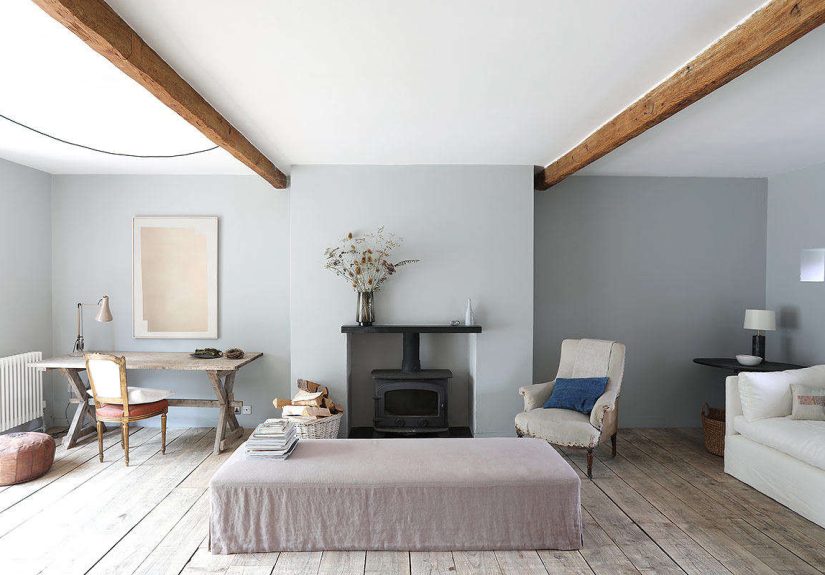
There’s a certain kind of English living room that doesn’t try to be relaxingit just is. You step inside and your shoulders drop like they got
an email saying “today’s meeting has been canceled.” The palette is soft, the textures are cozy, the lighting is gentle, and the room feels hushed even
when the kettle’s doing its best train-impression in the kitchen.
This isn’t “empty showroom calm.” It’s “lived-in calm”: books with dog-eared pages, a throw that’s clearly the favorite, a chair that practically has
your name stitched into it. The secret is that the serenity is built on a few repeatable choicescolor, texture, lighting, layout, and even sound control.
In other words: you can steal this look without needing a title, a manor, or a butler named Nigel.
What Makes an English Living Space Feel Calm (and Quiet)?
1) A soft, low-contrast color story
Calm rooms don’t scream; they whisper. Instead of sharp contrast (bright white next to pitch black), you’ll see “friendly neutrals” that blend together:
warm whites, oatmeal, soft taupe, gentle stone, and muted greens. Neutral rooms work best when they include variationmultiple shades in the same family
so the space feels layered, not flat. That’s the difference between “serene cottage” and “dentist waiting room.”
2) Texture does the heavy lifting
When color stays quiet, texture steps up. Think linen, wool, boucle, cotton, leather with patina, wood grain, stone, and woven fibers. This creates depth
without visual noise. It also makes the room feel warmer, which matters in older English homes (and honestly, in any home that has ever met a draft).
3) Layered lighting, not one big ceiling spotlight
A calm English living room rarely relies on a single overhead light. Instead, it uses layers: ambient light for overall glow, task lighting for reading,
and accent lighting for mood. Add a dimmer, and suddenly your room can handle everything from “Sunday nap” to “friends came over and we’re pretending we
don’t own sweatpants.” Layered lighting is a consistent recommendation across living-room lighting guidance for making multi-use spaces feel comfortable.
4) Quiet by design: softness absorbs sound
“Quiet” isn’t only a vibeit’s physics. Soft materials absorb sound. Rugs, curtains, upholstered furniture, and even books on shelves help reduce echo and
soften ambient noise. If you want the room to feel calmer, make it literally less loud. Practical sound-deadening guidance often starts with exactly these
simple, non-construction moves: add textiles, seal gaps, and use furniture placement strategically.
5) A room that feels edited, not empty
Calm rooms have fewer “floating items” (random piles, stray cables, clutter clusters) and more intentional homes for everyday stuff. The goal isn’t
perfection; it’s fewer visual interruptions. When the eye doesn’t have to hopscotch around mess, the brain relaxes. It’s not magicjust fewer decisions
per minute.
Steal This Look: The Step-by-Step Recipe
Step 1: Start with a “quiet” paint palette (and test it in your light)
English calm often lives in warm, grounded shades: creamy whites, putty, clay, softened gray, and nature-based greens. If you want a timeless base,
choose a warm white or gentle greige for the walls, then layer in deeper earth tones through textiles and wood. Cozy paint guidance frequently points to
warm earth tonesbrowns and greens especiallybecause they read welcoming in most lighting.
Example palette you can copy:
- Walls: warm white or soft stone (not icy “printer paper” white)
- Trim: creamy off-white for a gentle frame
- Anchor tone: taupe, camel, or muted clay for upholstery or a rug
- Accent: sage/olive green (pillows, ceramics, art, a lampshade)
- Wood: medium oak or dark-stained wood for grounded contrast
Step 2: Choose one comfy anchor piece (usually a sofa) and keep it simple
The sofa should feel like an invitation, not a museum rope barrier. A linen or cotton slipcovered sofa is perfect for this lookcasual, breathable, and
forgiving. Prefer softer edges over sharp, modern angles. If you’re working with a smaller room, keep the sofa visually light (raised legs, tailored arms)
and let texture do the cozy work.
Steal-the-look tip: If your sofa is neutral, make it interesting with two textures: a nubby throw and a smoother pillow (or vice versa).
Step 3: Add a generous rug (yes, big) for hush and warmth
Rugs do three jobs here: they warm up the space, add texture, and help absorb sound. A thick wool rug (or a rug with a solid pad) can make footsteps and
echoes feel softer. Choose a subtle patternfaded stripe, gentle check, or tonal weaveso the room reads calm instead of busy.
Quick sizing rule: front legs of major seating should sit on the rug. If the rug is too small, the room feels jitterylike furniture is trying to socially distance.
Step 4: Hang curtains that look tailored and feel cozy
English rooms often feel finished because the windows are dressed. Curtains add softness and can help reduce outside noise. Go for linen or linen-look
fabric for that relaxed elegance. If you want extra quiet and warmth, pick lined curtains. Hang the rod higher than the window and let panels fall close
to the floor for a calmer vertical line.
Step 5: Create lighting layers (and put them on “mood” control)
If you copy only one thing, copy this: layered lighting. Use a mix of ambient (ceiling fixture or soft overhead), task (reading lamp), and accent
(small lamp or picture light). Many lighting guides emphasize that living rooms need adaptable lighting for different activities, and dimmers make the
whole setup feel instantly more soothing.
- Ambient: warm, diffused overhead or a pair of table lamps across the room
- Task: floor lamp beside a reading chair
- Accent: a small lamp on a sideboard, or a candle-like glow near the fireplace
Bulb tip: choose warm color temperature bulbs for a calmer feel. If your light feels like an interrogation room, your room will too.
Step 6: Build an “English fireplace moment” (even if you don’t have a fireplace)
Many English living rooms center on a hearthreal or implied. If you have a fireplace, treat it like a gentle focal point: a simple mirror, a little
artwork, a pair of candlesticks, and something organic (greenery or flowers). If you don’t have one, fake the effect with a console, a vintage mirror
above it, and a low basket for throws.
Step 7: Add books and closed storage for calm-with-personality
Bookshelves aren’t just charmingthey can also help dampen sound and make a room feel settled. Use a mix of books and a few objects (not 47 tiny objects).
Then add closed storagebaskets, cabinets, or a trunk coffee tableto hide the everyday chaos. The look stays calm because the clutter is allowed to exist…
just not out in the open, auditioning for a role.
Step 8: Bring in nature the English way
English interiors often feel alive thanks to greenery: terracotta pots, cut flowers on the mantel, or a leafy plant by a window. Keep it simple: one big
plant, one small plant, and one vase of something seasonal. It’s enough to make the space feel cared for without turning your living room into a jungle
documentary.
Step 9: Pick a “red thread” accent and repeat it subtly
To keep a calm space from feeling bland, use one repeating accentlike sage green, smoky blue, or warm rustin small doses across the room. Repeat it in
two to four places: a pillow, a piece of art, a ceramic bowl, a lampshade trim. This creates cohesion without shouting for attention.
Layout Tips for Smaller (Often Older) English-Style Rooms
Many English living spaces are cozy rather than cavernous, so layout matters. Small-space planning advice often emphasizes clear pathways, multipurpose
furniture, and using vertical space. Start with your focal pointfireplace, window, or a viewand aim seating toward it. Keep the middle of the room
breathable so the space doesn’t feel cramped.
- Float lightly: If possible, pull the sofa an inch or two off the wall to soften the “pushed back” look.
- Use pairs: Two matching lamps or chairs can make a small room feel orderly and calm.
- Choose tables that work: An ottoman can serve as coffee table + extra seat (add a tray for stability).
- Go vertical: Wall shelves or tall bookcases free up floor space and reduce clutter piles.
Quiet Luxury, English Edition: Elevated Without Being Flashy
The calm English living room overlaps with “quiet luxury,” but it’s less about “perfect beige” and more about quality, restraint, and comfort. You’re aiming
for pieces that feel good to touch and look good for a long time: linen, wool, solid wood, ceramic, and warm metals. Recent “quiet luxury on a budget”
guidance focuses on subtle upgradesbetter lighting, thoughtful textiles, and timeless materialsrather than expensive-looking logos.
Budget-friendly upgrades that read instantly “calm and considered”:
- Swap shiny polyester throws for a cotton or wool blend (texture = depth).
- Add a rug pad (comfort + sound absorption + the rug stops creeping).
- Use warm lighting and add at least one dimmable source.
- Upgrade pillow inserts so cushions look plush, not sad.
- Choose one vintage or antique-style piece for patina (a side table, mirror, or lamp).
How to Make the Room Feel Quieter (Without Renovation Drama)
If your goal is a truly calm, quiet living space, don’t stop at visuals. Sound changes how a room feels. Practical sound guidance often recommends starting
with “softening” the room: rugs, curtains, and upholstered furniture absorb sound and reduce echo. Next, seal gaps that let outside noise sneak in.
Finally, use furniture placement to your advantage.
Quick, high-impact sound-softening moves
- Add softness: rugs, curtains, and upholstered pieces help absorb sound.
- Seal leaks: weatherstripping around doors/windows and a door sweep can reduce noise and drafts.
- Use bookcases strategically: place a filled bookcase on a shared wall to help dampen sound.
- Layer fabric: pillows and throws aren’t just cutethey’re tiny sound sponges.
The goal is not “recording studio silence.” It’s “the room feels gentle,” which is the kind of quiet you notice mostly because you’re not constantly
noticing noise.
Common Mistakes (and How to Avoid Them)
Mistake: Going neutral but forgetting contrast
A neutral room still needs a few deeper noteswood, black accents, or warm brown leatherto feel grounded. Otherwise the space can look washed out.
Keep contrast soft, not harsh.
Mistake: Using overhead lighting only
One ceiling light can flatten a room. Layer your lighting. Your eyes (and your selfies) will thank you.
Mistake: Decorating with lots of tiny “stuff”
Too many small decor items create visual static. Pick fewer objects with more presence: one larger vase, one framed print, one meaningful bowl, one plant.
Calm rooms are edited.
Mistake: Ignoring acoustics
If the room echoes, it won’t feel calm, no matter how pretty it is. Textiles and soft surfaces help. This is the underrated cheat code.
Steal This Look: A Simple Shopping Checklist (No Brand Required)
- One neutral, comfy sofa (linen/cotton, tailored but relaxed)
- One large rug + pad (wool or thick weave)
- Two to three lighting sources (table lamp, floor lamp, soft overhead)
- Window curtains (linen-look, lined if you want extra quiet)
- Two textures of pillows + one throw (knit + linen, boucle + cotton)
- One wood element (coffee table, side table, or vintage cabinet)
- Greenery (one plant + seasonal flowers)
- Storage that hides clutter (basket, cabinet, trunk, or sideboard)
Final Thoughts: Calm Isn’t a StyleIt’s a Feeling You Can Design
The calm, quiet English living space works because it respects your senses: gentle color, rich texture, soft light, and fewer visual interruptions.
It’s cozy without being cluttered, refined without being precious, and “quiet luxury” without the attitude.
Steal the look by focusing on the fundamentals. Start with a soft palette. Add texture. Layer your lighting. Quiet the room with textiles and smart
placement. Then sprinkle in personalitybooks, greenery, and a few meaningful objectsso it feels like a home, not a catalog.
Extra: of Real-World “Living With It” Moments
Here’s the part people don’t always tell you about calm rooms: they’re not calm because nothing happens in them. They’re calm because they handle life
gracefully. Picture an English-style living space on a typical weekday. The morning light comes in soft through curtains that don’t glare like a spotlight.
The room feels warm even before the day fully wakes up, because the palette is gentle and the textures do a lot of emotional labor.
Someone sets a mug on a wooden coffee table that already has a few small scuffs and doesn’t care. That’s not “damage,” that’s “character development.”
The sofa accepts whoever arrivessleepy teen, busy parent, friend who “just popped by” and somehow stays for two hours. A throw blanket is within reach,
not folded into a perfect rectangle that silently judges you. Pillows aren’t arranged like they’re waiting for a hotel inspection; they’re arranged like
they’ve heard rumors you might actually sit down.
Around mid-afternoon, the room shifts gears. This is where layered lighting earns its paycheck. A table lamp clicks on near a reading chair, and suddenly
the whole space feels softerlike the room is politely lowering its voice. The overhead light stays off, because you’ve learned that a single bright ceiling
bulb turns “calm English retreat” into “late-night convenience store.” If you have a dimmer, you use it the way some people use seasoning: not to show off,
but because life tastes better with it.
And then there’s the quiet. Not perfect silencethis is still a home, not a meditation appbut the room doesn’t echo. Footsteps feel muted by the rug.
Outside noise is softened by curtains. A bookshelf on the wall adds a little extra hush, and you realize the room is helping you feel less frazzled without
making a big announcement about it. It’s the difference between background noise and background calm.
Evening arrives and the space becomes a small ritual zone. A candle (or a tiny lamp with a warm bulb) makes the corners glow. A bowl on the side table holds
the daily pocket-dumpkeys, earbuds, that mysterious coin everyone keeps carrying but no one ever spends. The room stays tidy not because you’re a minimalist
saint, but because you gave things a home. Clutter doesn’t vanish; it gets contained.
The best part is how the room supports “quiet togetherness.” Two people can sit and do different thingsread, scroll, talk, stare dramatically out the window
as if starring in a period dramaand it still feels cohesive. That’s the real steal: not just a look, but a space that makes ordinary life feel a little
gentler, one warm lamp and one soft textile at a time.