Table of Contents >> Show >> Hide
- What “Spun Metal” Actually Means (and Why You Should Care)
- Why a Spun Metal Side Table Works So Well in Real Homes
- Materials & Finishes: The “Look” Is Only Half the Story
- How to Choose the Right Size: Height, Diameter, and “Reachability”
- Styling a Spun Metal Side Table Without Overthinking It
- Where to Use a Spun Metal Side Table: Beyond “Next to the Couch”
- Care & Maintenance: Keep It Looking Good Without Making It a Hobby
- Shopping Checklist: How to Pick a Great Spun Metal Side Table
- FAQs About Spun Metal Side Tables
- Real-World Experiences With a Spun Metal Side Table (What People Actually Notice)
- Conclusion: The Right Spun Metal Side Table Is a Small Upgrade With Big Impact
A spun metal side table is the design world’s version of a perfectly toasted marshmallow: simple on the outside, secretly engineered on the inside, and somehow makes everything around it feel more intentional. It’s usually round, often seamless, and tends to look like it was shaped by a magician with a pottery wheelexcept the magician is a machine (or a very talented craftsperson) and the “clay” is metal.
In this guide, we’ll break down what “spun metal” actually means, why it matters when you’re shopping, how to pick the right size and finish, and how to style a metal side table so it looks curated (not “I panic-bought this at 2 a.m.”). We’ll also cover care tipsbecause yes, metal furniture can be low-maintenance, but it’s not “no-maintenance,” no matter what your optimism tells you.
What “Spun Metal” Actually Means (and Why You Should Care)
“Spun metal” refers to a manufacturing method called metal spinning (also known as spin forming). Instead of cutting a shape out of a block or welding multiple panels together, metal spinning forms a flat metal disc into a smooth, rounded shape by rotating it against a mold (a mandrel) while pressure is applied. The result is an axially symmetrical piecethink cylinders, cones, domes, and drum-like basesthat can look nearly seamless.
The quick version: it’s shaped, not stitched together
The biggest visual giveaway of spun metal is the continuous curve. Many spun components have few (or no) visible seams, which is great for both aesthetics and cleaning. The process is also known for producing strong, durable parts that don’t rely on welds to hold their shapeespecially appealing for rounded table bases that need to feel stable without looking bulky.
Why designers love spun metal for side tables
- Seamless silhouettes: The smooth drum shape reads modern, sculptural, and expensive.
- Strength without visual heaviness: You can get a solid feel without chunky joinery.
- Clean lines that play well with anything: Spun metal works in minimalist, midcentury, industrial, and even cozy “modern farmhouse” rooms.
- It’s functional sculpture: A round metal accent table can be a statement piece without shouting.
Why a Spun Metal Side Table Works So Well in Real Homes
A side table has one job: be close enough to hold your stuff without making your living room feel like an obstacle course. A spun metal side table tends to excel because it’s compact, smooth-edged, and visually “quiet” (even when it’s shiny). Translation: it looks good next to a sofa, an accent chair, a bed, or even out on a patiowithout demanding that the rest of the room dress up for it.
Common situations where spun metal is a smart choice
- Small spaces: Round tables are easier to walk around (less hip bruising, more dignity).
- Busy households: A metal side table is typically less fussy than porous wood or delicate stonefinish depending.
- Indoor/outdoor flexibility: Many spun metal tables come in outdoor-friendly finishes.
- Mix-and-match rooms: Metal acts like a “neutral,” bridging wood, upholstery, and stone.
Materials & Finishes: The “Look” Is Only Half the Story
When you see “spun metal side table,” the metal could be steel, aluminum, brass, copper, or a mix of materials (metal base, wood or marble top). The right choice depends on your lifestyle, your climate, and how much patina you’re willing to invite into your home like an unplanned roommate.
Steel: sturdy, sleek, and often finish-forward
Spun steel bases are popular for modern designs. Steel can be finished in a variety of wayspowder coat, paint, plating, or specialty coatingsso it can mimic matte black minimalism, warm brass vibes, or textured industrial looks. Steel can rust if the protective finish is compromised, so outdoor use requires a truly outdoor-rated finish and basic care.
Aluminum: lightweight, outdoor-friendly, and low drama
If you want a metal side table that can handle humidity, summer storms, and the occasional “I forgot my drink out here for 48 hours,” aluminum is a strong contender. Powder-coated aluminum is common for outdoor furniture because it resists corrosion wellagain, assuming the coating stays intact. The upside: easy upkeep. The downside: it can dent if treated like a step stool. (It’s a table. Not a ladder. I don’t make the rules.)
Brass and copper: warm, glamorous, and delightfully unpredictable
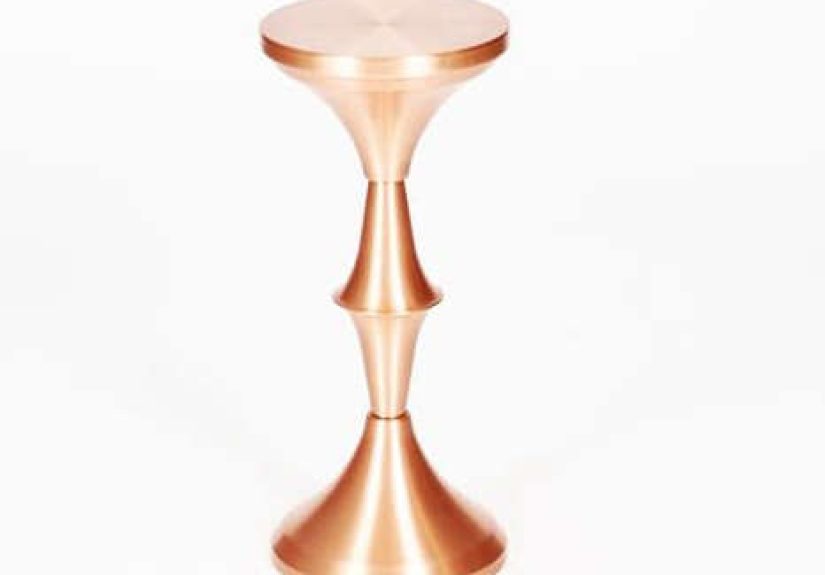
Solid spun brass or copper side tables are often billed as suitable for indoor or outdoor use, and they’re prized for that rich, golden-to-rose glow. Here’s the trade-off: brass and copper will naturally oxidize and develop patina over time. Some people love this slow color shift; others want their table to stay “brand new forever.”
Many makers offer the option to leave brass/copper unsealed for natural patina or apply a clear lacquer to slow down oxidation. If you like your metal warm and shiny, go lacquered; if you like it moody and vintage, go unsealed and let time do its thing.
Mixed materials: metal base + marble or wood top
One popular modern approach is a spun metal base paired with a stone or wood topgiving you a sculptural silhouette plus a different surface feel (warmer wood, cooler stone). Some spun metal side tables even flip, letting you change the “base” and “top” orientation for a slightly different height or look. That’s the kind of practical design trick that makes you feel like you hacked adulthood.
How to Choose the Right Size: Height, Diameter, and “Reachability”
The best side table is the one you can use without performing a seated yoga pose. Height matters more than people think, and it’s the #1 reason a table looks “off” even when it’s objectively cute.
Height rule of thumb
Aim for a side table that’s about the same height as the sofa armor just a touch lowerso you can set down a drink easily and reach a lamp switch without doing a dramatic lean. Many sofas have arm heights somewhere in the mid-20s to low-30s inches, so measuring your own furniture is the fastest way to get it right.
Diameter and surface area: don’t buy a coaster with ambitions
A spun metal side table often comes in a compact round size (think 12–18 inches in diameter), which is ideal for tight rooms. But be honest: are you placing a single candle and a tiny plant… or are you running a full snack-and-device charging station?
- 12–14 inches: Great for minimal setups, small chairs, narrow corners, and “just a place for my coffee.”
- 15–18 inches: The sweet spot for most living roomsenough for a lamp + drink + book stack.
- 19+ inches: Better if the side table will act like a mini coffee table or you need extra surface area.
Base shape: drum, pedestal, or “floating top”
Spun metal shines with drum shapeswider bases that feel grounded. A wider base is also forgiving on plush rugs and uneven floors. If your home has enthusiastic pets, energetic kids, or a Roomba with a personal vendetta, a stable base is your friend.
Styling a Spun Metal Side Table Without Overthinking It
The styling advantage of a metal side table is that it’s a “supporting actor” that can still steal the scene. It reflects light, adds contrast, and gives the room a clean edge. The styling challenge is that shiny metal can look cluttered fastbecause it literally highlights everything you put on it.
The simplest styling formula: function first, then flair
- One functional anchor: a lamp, a catchall tray, or a coaster set.
- One soft or organic element: a small plant, a bud vase, or a woven coaster to warm up the metal.
- One personal item: a book, a sculptural object, or a framed photo (small enough to not start a gallery wall).
Three styling “looks” that work especially well with spun metal
1) Modern minimal
Keep it clean: a slim lamp, a single ceramic bowl, and a book with a nice cover. Matte black or powder-coated steel tables are the MVP heresleek, quiet, and forgiving of fingerprints.
2) Warm modern (metal + wood)
Pair a spun metal base with warm wood tones nearbywalnut, oak, or even a textured rattan basket on the floor beside it. Brass finishes also shine here, especially with cream upholstery and earthy textiles.
3) Eclectic “collected”
Use the table as a tiny stage: stack two art books, add a quirky vintage find, and top it with a small tray so your chaos has boundaries. Shiny metal works great as a contrast piece in eclectic rooms because it keeps the vignette from looking too heavy.
Where to Use a Spun Metal Side Table: Beyond “Next to the Couch”
As a bedside table
A spun metal side table can be a surprisingly great nightstand if you prefer a clean, open look. Round bases are easier to navigate in tight bedrooms, and metal is less likely to show water rings (again: finish matters).
In an entryway as a drop zone
A small metal accent table near the door is perfect for keys, sunglasses, and that one piece of mail you swear you’re going to sort later. Add a tray so small items don’t slide around like they’re auditioning for an action movie.
On a patio or balcony
If your spun metal side table is outdoor-rated (often powder-coated aluminum or properly coated steel), it can live outside as a drink table. Pair it with a weather-friendly chair and you’ve basically built yourself a tiny vacation.
Care & Maintenance: Keep It Looking Good Without Making It a Hobby
Most spun metal side tables are easy to care for, but the exact routine depends on the finish. The golden rule: avoid abrasive cleaners and rough scrubbers unless you enjoy “accidental distressed” as a decorating style.
Powder-coated aluminum and painted metal
- Wipe spills promptly so they don’t sit and stain.
- Clean with mild soap and water using a soft cloth; rinse and dry.
- Avoid abrasive cleaners that can dull or scratch the finish.
- If used outdoors, occasional rinsing helps remove grime and residue.
- Near ocean air or chlorinated pools, clean more often to help protect the coating.
Brass and copper
If your brass or copper table is unsealed, expect patina. It’s not damageit’s chemistry. You can let it darken naturally, or polish it periodically if you want it brighter. If it’s lacquered, focus on gentle cleaning so you don’t compromise the protective layer.
Protect the floor (and your sanity)
Add felt pads to the base if the table will sit on hardwood. Spun metal bases can be smooth, but any metal-on-wood contact can cause scuffs over timeespecially if you’re the type to “just scoot it an inch” with your foot.
Shopping Checklist: How to Pick a Great Spun Metal Side Table
1) Check stability
A drum base should feel planted. If it rocks in the showroom (or wobbles in the product video), it will wobble at homeright when you set down a full mug of coffee. A wider base generally improves stability.
2) Inspect the finish
Look for even coating, consistent color, and clean edges. Powder coats should feel smooth and durable; plated finishes should look consistent without cloudy patches.
3) Think about the “touch points”
Where will your hands go? The rim, the top surface, the edge. If the table is glossy, expect fingerprints. If it’s textured, expect a little dust visibility. Neither is “bad”just choose the kind of maintenance you’ll actually do.
4) Match the table to how you live
- Kids/pets: rounded edges, sturdy base, durable finish.
- Outdoor use: outdoor-rated powder coat or corrosion-resistant material.
- Minimalist styling: matte black or subtle metallic finishes.
- Warm, cozy rooms: brass/copper tones or metal + wood combinations.
5) Consider “bonus features” that aren’t gimmicks
Some spun metal side tables are designed with reversible or flippable orientations, letting you change the look and sometimes the height. If you move often, rearrange furniture frequently, or just like multifunctional pieces, that kind of flexibility can be genuinely usefulnot just marketing sparkle.
FAQs About Spun Metal Side Tables
Do spun metal side tables scratch easily?
The metal itself is durable, but the finish is what you’ll notice day-to-day. Powder-coated and matte finishes are generally more forgiving than high-gloss plating. Use coasters, avoid gritty cleaners, and add felt pads underneath.
Can a spun metal side table be used outdoors?
Many canespecially powder-coated aluminum or properly coated steel. Just confirm the product is outdoor-rated, and follow basic cleaning. Unsealed brass/copper can also be used outdoors, but patina will happen faster.
Will steel rust?
Bare steel can rust, but a quality protective finish (powder coat, paint, or plating) helps prevent it. Outdoor exposure, salty air, and scratches that break the coating increase riskso choose outdoor-rated finishes when needed.
Is a spun metal side table heavy?
It depends on the metal and thickness. Aluminum is lighter; steel and solid brass/copper can feel heavier. The good news: “heavier” often translates to “more stable,” especially with round bases.
Real-World Experiences With a Spun Metal Side Table (What People Actually Notice)
Let’s talk about the part nobody puts in the product description: what it’s like living with a spun metal side table when real life shows upcoffee rings, pet hair, sudden furniture rearranging, and that one friend who somehow always sets their drink down exactly on the edge.
Experience #1: The “why does my room look more expensive?” effect. Many people notice that the moment a spun metal side table lands next to a sofa, the whole room looks more intentional. It’s the smooth, sculptural silhouetteespecially in a drum shapethat reads “designer” even if the rest of your decor is a mix of hand-me-downs and impulse buys. Metal reflects light differently than wood, so the table becomes a subtle visual highlight, like jewelry for your furniture.
Experience #2: Size honesty is everything. A common “lesson learned” is that a beautiful small metal side table can be too small if you actually live on your sofa. If you’re juggling a lamp, a phone, a drink, and a snack plate, a tiny 12-inch top starts to feel like a coaster with dreams. People who love minimal styling adore the compact footprint; people who love snacks learn quickly to size up.
Experience #3: Fingerprints are realchoose your finish accordingly. Glossy metallic finishes can show smudges, especially in households where hands are frequently sticky for mysterious reasons. Matte powder-coated finishes tend to be more forgiving, and textured finishes hide “life marks” even better. If you’re not into constant wiping, pick a finish that won’t make you feel like you’re failing at being an adult every time someone touches the table.
Experience #4: Outdoor life is easy… until you live near salt or chlorine. People using powder-coated metal tables on patios often say the upkeep is pleasantly simple: wipe, rinse, done. But if the table sits near ocean air or pool splash, residues build up faster and regular rinsing matters. The table doesn’t suddenly collapse into rust dustthis isn’t a cartoon but the coating can age faster if it’s constantly exposed and never cleaned.
Experience #5: Patina is either romance or betrayal. With brass or copper, owners tend to fall into two camps: the “I love that it changes over time” crowd, and the “why is my table turning brown?” crowd. Unsealed brass/copper develops character; lacquered versions stay closer to their original shine. People who love vintage warmth usually end up enjoying the patina as part of the table’s story. People who want “perfect” learn to either polish or choose a sealed finish next time.
Experience #6: The best surprise is how flexible the piece is. Spun metal side tables often move around the house because they’re compact and useful: bedside one week, living room the next, then suddenly it’s holding a plant in the entryway because you needed somewhere to stage your “I’m a calm person” decor. Some designs even flip or reorient, which people end up using more than expectedespecially when rearranging furniture for guests or changing up a small space. It’s not a dramatic transformation, but it’s enough to feel clever.
Bottom line: a spun metal side table tends to be one of those “quietly hardworking” pieceseasy to style, easy to move, and surprisingly impactful. Choose the right size and finish for your habits, and it’ll look good even on days when the rest of your home is doing its best.
Conclusion: The Right Spun Metal Side Table Is a Small Upgrade With Big Impact
A spun metal side table is proof that “small furniture” can make a huge difference. The metal spinning process lends itself to smooth, sculptural shapes that feel modern and elevated, while the right finish can be practical enough for everyday life. If you pick a height that matches your seating, a top size that fits your habits, and a finish you won’t resent maintaining, you get a piece that’s equal parts useful and stylishlike a design assistant that doesn’t talk back.